

For over 30 years, we’ve powered Rhode Island with expert electrical services delivered with a personal touch. Discover our story and commitment to quality.
Contact Info
- List Item
For over 30 years, we’ve powered Rhode Island with expert electrical services delivered with a personal touch. Discover our story and commitment to quality.
Contact Info
Insurance companies are denying coverage to Rhode Island homeowners with knob and tube wiring. Here's what you need to know about removal, costs, and keeping your home insurable.
Your insurance company sent a letter. Or your agent asked a question you couldn’t answer. Maybe you’re buying an older home and the inspector found something in the attic. Either way, you just discovered your Riverside property has knob and tube wiring, and now you’re wondering if you can even get insurance. The short answer: probably not without removing it. Here’s what you’re actually dealing with, why it matters for coverage, and what removal looks like before you’re staring down a 30-day deadline.
Insurance carriers aren’t rejecting your home to be difficult. They’re looking at fire risk data that makes knob and tube wiring a liability they won’t accept.
Most major insurers now refuse to write new homeowners insurance policies for homes with active knob and tube. The handful that will typically require removal within 30 days or they cancel your coverage. Some offer policies at double the normal premium, but those options are disappearing fast.
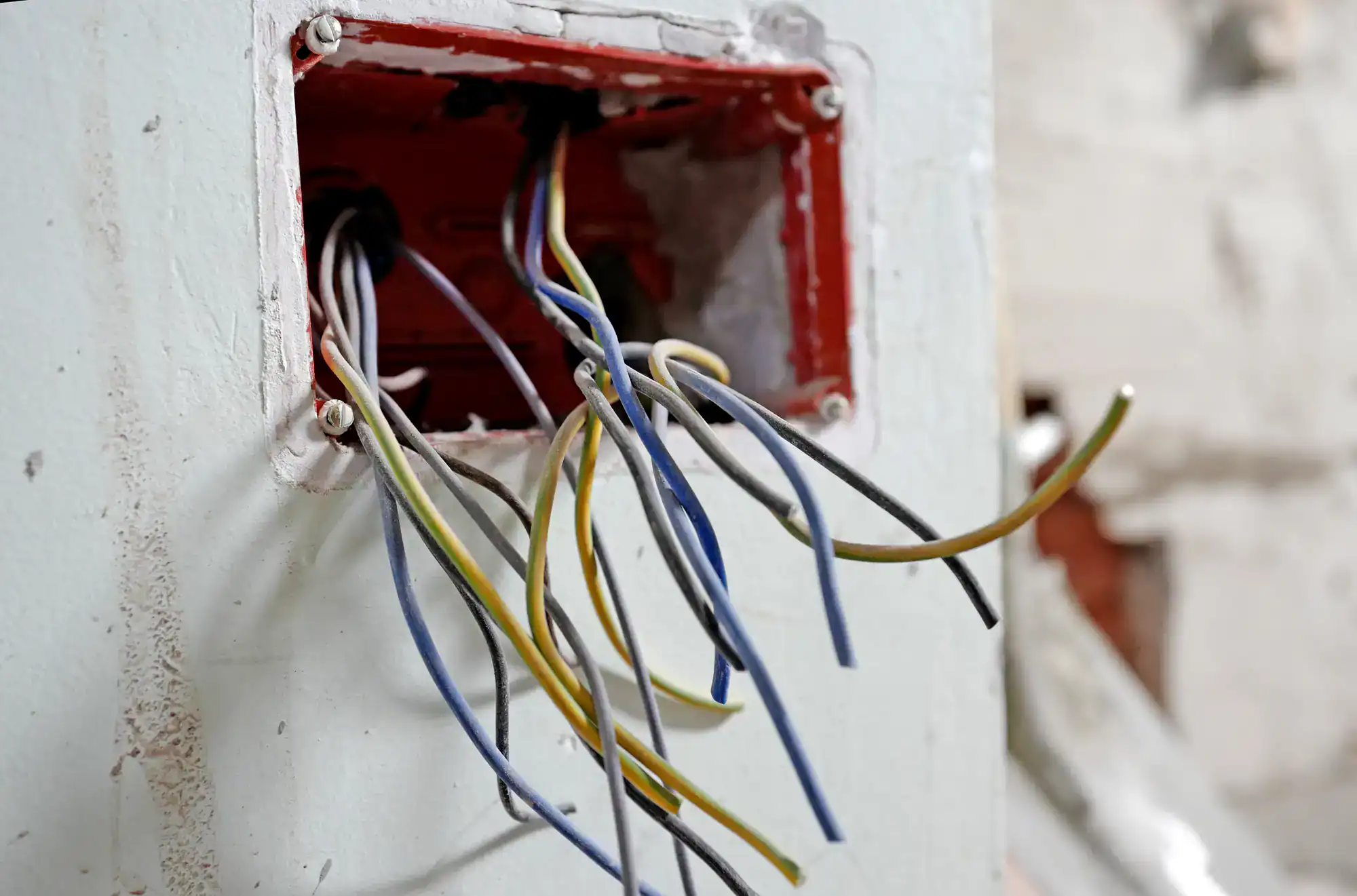
The problem is straightforward. This wiring was installed when homes used a fraction of today’s electrical load. It lacks grounding. The cloth or rubber insulation deteriorates. And after decades of amateur repairs and modifications, the fire risk is too high for standard insurance coverage.

Skipping the disclosure seems tempting. It’s also the fastest way to end up with a denied claim and no coverage when you actually need it.
Insurance applications ask specific questions about electrical systems in older homes. If your property was built before 1950, expect direct questions about knob and tube. Not mentioning it might not technically qualify as fraud, but the consequences are just as severe.
When you file a claim, the insurance company investigates. If they discover undisclosed knob and tube wiring during that investigation, they can deny your entire claim regardless of whether the wiring caused the damage. The undisclosed material fact gives them legal grounds to void your policy retroactively.
Fire claims are even worse. If investigators trace a fire back to electrical problems and find knob and tube you never disclosed, you’re facing a denied claim, zero payout, and the full cost of rebuilding. Your mortgage lender will have serious problems too, since they require continuous insurance coverage as a loan condition.
Some insurers conduct inspections after you buy a policy. Find undisclosed knob and tube? They’ll give you 30 days to remove it or cancel your coverage. That leaves you scrambling to find an electrician, secure funding, and complete work on an impossible timeline.
The smarter move is transparency. Get an electrical inspection before contacting insurers. Know exactly what you’re dealing with. Then you can plan removal on your terms instead of reacting to ultimatums.
Technically yes, but your options shrink every year and the costs keep climbing.
A small number of insurance carriers will write policies for Rhode Island homes with knob and tube, but only after a licensed electrician inspects the system and certifies it’s in good condition. Even then, expect to pay 50% to 100% more than standard homeowners insurance rates.
Specialty insurers and surplus lines carriers sometimes cover high-risk properties including homes with outdated wiring. These policies cost more and provide less comprehensive protection than standard coverage. Some Rhode Island homeowners end up in state FAIR plans, which are last-resort insurance programs for people who can’t get coverage anywhere else.
The bigger issue is sustainability. Insurance companies that covered knob and tube five years ago have stopped. The remaining carriers keep tightening requirements and raising premiums. Counting on specialty coverage long-term isn’t realistic.
If you’re buying a home with knob and tube, mortgage lenders often won’t approve your loan without proof of insurance. That creates problems where you can’t get insurance without removing the wiring, but you can’t afford removal until you close on the house. Some buyers negotiate with sellers to complete removal before closing, or they get removal s and use those costs to negotiate a lower purchase price.
Current homeowners face renewal problems too. Your insurer might not cancel existing coverage, but when your policy comes up for renewal, they can refuse to continue unless you remove the knob and tube. That gives you a year to plan and budget, but the deadline is real.
Want live answers?
Connect with a Lightning Electric expert for fast, friendly support.
Removing knob and tube isn’t as disruptive as most Riverside homeowners expect, especially when you work with electricians experienced in Rhode Island’s older housing stock.
The process replaces old wiring with modern electrical systems throughout your home. Many Riverside properties were built with balloon framing, which lets electricians fish new wires through walls without extensive cutting. Attics and basements provide access that minimizes damage to finished surfaces.
Complete removal and rewiring typically takes one to three weeks depending on your home’s size and how much knob and tube exists. We’ll also upgrade your electrical panel to handle modern loads, install proper grounding throughout, and bring everything up to current Rhode Island electrical code standards.

Everyone wants a number first, but knob and tube removal costs vary based on your specific property and situation.
For a typical 1,200 to 1,500 square foot Riverside home, expect to pay between $8,000 and $15,000 for complete removal and rewiring. Larger homes or properties with difficult wiring access can run $20,000 to $35,000 or higher.
Several factors drive the final price. Home size obviously matters, but so does how much of your system still uses knob and tube. Some Rhode Island homes had partial updates where kitchens or additions got rewired while the rest still has the original system. Partial replacement costs less than full home rewiring.
Accessibility makes a huge difference. Homes with accessible attics and basements allow electricians to run new wiring with minimal wall cutting. Limited access means opening more walls and ceilings, which adds drywall repair and painting costs on top of electrical work.
Your electrical panel almost always needs upgrading. Most homes with knob and tube have 60-amp service, which can’t handle modern household demands. Upgrading to 100 or 200-amp service adds cost but it’s necessary for safety and to meet current code requirements.
Some Rhode Island homeowners qualify for assistance programs or interest-free loans for electrical system upgrades, particularly when outdated wiring prevents proper home insulation. Ask us or check local energy efficiency programs for available funding options.
The cost feels significant until you compare it to alternatives. Losing insurance coverage. Being unable to sell your home. Facing a house fire from deteriorated wiring. Paying double insurance premiums year after year for limited specialty coverage. Framed that way, removal becomes the smart financial decision.
Understanding the removal process helps you prepare and reduces stress about having electricians working in your home for a week or two.
Everything starts with inspection and assessment. We’ll map out where knob and tube exists, identify how much needs replacement, and create a plan for running new wiring with minimal disruption. We’ll also evaluate your electrical panel and determine what amperage capacity your household needs.
Permitting comes next. Rhode Island electrical work requires permits from your local building department. We handle the paperwork, but permitting adds time to the project timeline. These permits ensure work gets inspected and meets code, which protects you and makes your home officially compliant.
During actual removal, we typically work room by room or floor by floor. We disconnect old knob and tube circuits, run new wiring, install modern outlets and switches, and connect everything to your upgraded electrical panel. Most of the time we can fish wires through existing wall cavities without major demolition.
Some wall or ceiling cutting is usually necessary, especially for junction boxes and where access is limited. We minimize this and coordinate with you about which areas need opening. After electrical work finishes, walls get patched. You’ll need to arrange painting to match existing finishes.
Final inspection by your local building department verifies all work meets code and was completed safely. Once you pass inspection, you receive documentation proving your electrical system is up to standard. That documentation is what you provide to insurance companies to secure standard coverage at normal rates.
We recommend staying elsewhere during active rewiring, though it’s not always required. Power gets shut off to different areas as we work, so you’ll have limited electricity access in portions of your home. Planning ahead for remote work or managing without power in certain rooms makes the process smoother.
Knob and tube wiring removal isn’t optional anymore if you want homeowners insurance at reasonable rates. It’s not optional if you’re selling your home without complications. And it’s definitely not optional if you want to eliminate the fire risks that come with 70-plus-year-old electrical systems.
The reality is that removal is straightforward when you work with electricians who understand Rhode Island’s older housing stock. You get a modern, grounded electrical system that handles everything your household demands. You qualify for standard insurance coverage. And you have peace of mind knowing your home meets current safety standards.
If you’re facing insurance questions or need knob and tube wiring removed from your Riverside property, we bring over 30 years of experience to exactly these situations. We understand Rhode Island homes, know how to minimize disruption, and will get your property up to code so you can move forward with confidence.
Summary:

Share: