
For over 30 years, we’ve powered Rhode Island with expert electrical services delivered with a personal touch. Discover our story and commitment to quality.
Contact Info
- List Item
For over 30 years, we’ve powered Rhode Island with expert electrical services delivered with a personal touch. Discover our story and commitment to quality.
Contact Info
Most electrical panels last 25-40 years, but maintenance makes the difference. Discover how regular care protects your Riverside home and prevents costly failures.
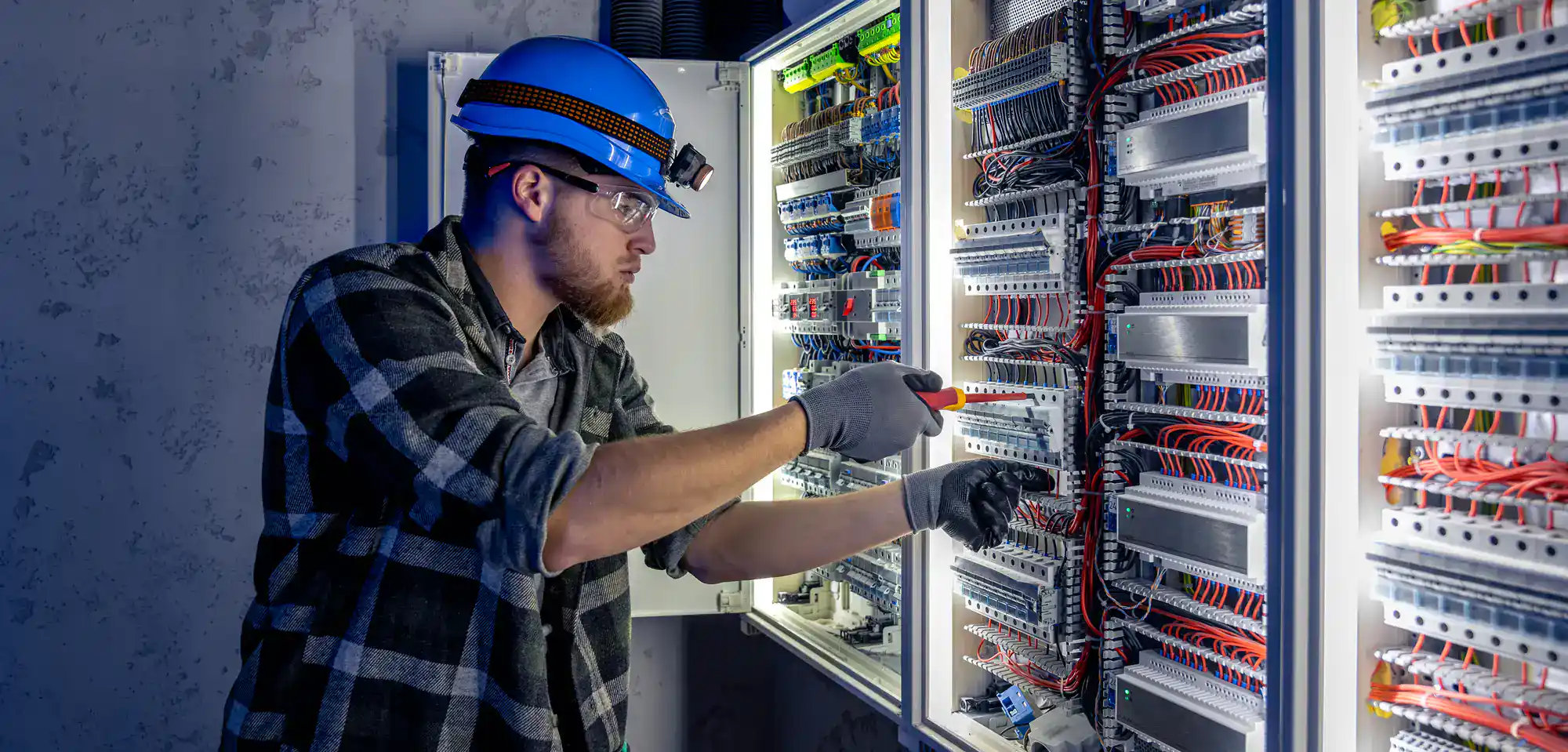
Your electrical panel handles every amp of power flowing through your home. It’s working right now, distributing electricity to your lights, appliances, HVAC system, and every outlet you depend on daily. But here’s what most homeowners don’t realize until something goes wrong: that panel has a limited lifespan, and how long it lasts depends almost entirely on how you maintain it.
Most panels are built to run for 25 to 40 years. Some make it longer. Others fail early. The difference usually comes down to maintenance, or the lack of it. This isn’t about complicated electrical theory. It’s about understanding what your panel needs to keep working safely and how a licensed electrician can help you avoid the headaches, safety risks, and costs that come with premature failure.
The honest answer is somewhere between 25 and 40 years for most residential panels. That’s the range you’ll hear from manufacturers and electricians who’ve been in the field long enough to see patterns.
But that range is wide for a reason. Quality matters. A well-made panel from a reputable manufacturer starts with better components. Installation matters even more. A panel installed correctly by a licensed electrician will outlast one that was rushed or installed by someone without proper training.
Then there’s usage. If your home constantly pushes your panel to its limits, running high-draw appliances on circuits that weren’t designed for today’s electrical demands, you’re wearing it out faster. And if you live in Riverside or anywhere else in Rhode Island where homes were built in the 1940s, 50s, or 60s, your panel is likely working harder than it was ever designed to.

Electrical panels don’t just stop working one day without warning. They degrade gradually, and the wear happens in predictable ways.
Connections loosen over time. Every time a breaker trips or gets switched, every time your home draws power, tiny amounts of heat and mechanical stress affect the connections inside your panel. Screws loosen. Contact points corrode. These aren’t dramatic failures. They’re slow, invisible changes that add up.
Heat is another factor. Overloaded circuits generate excess heat, and that heat breaks down insulation, oxidizes metal components, and accelerates corrosion. If your panel is in a damp basement or an area with poor ventilation, moisture compounds the problem. Rust and corrosion don’t just look bad. They create resistance, which generates more heat, which causes more damage.
Then there’s the issue of electrical demand. Homes built 30 or 40 years ago didn’t have central air conditioning, electric vehicle chargers, or the dozens of devices we now plug in daily. Your panel might have been perfectly adequate when it was installed, but if you’ve added appliances, finished a basement, or upgraded your HVAC system, you’re asking that panel to do more than it was designed for. That constant strain shortens its lifespan.
Age alone doesn’t kill a panel, but age combined with stress, heat, moisture, and neglect absolutely does. The good news is that most of these problems are preventable. A licensed electrician can spot loose connections, corrosion, and overloaded circuits during a routine inspection. Fixing those issues early keeps your panel running longer and keeps your home safer.
Riverside has some of the oldest housing stock in Rhode Island. The median home here was built in 1962, and nearly 20% of homes were built before 1940. That’s not just a historical footnote. It means a lot of homes are still running on electrical systems that were installed decades ago, designed for a completely different way of life.
When these homes were built, 60 amps was considered adequate. You had a refrigerator, maybe a window air conditioner, a few lights, and a television. Now you need 200 amps just to run your HVAC system and kitchen appliances comfortably. That gap between what your panel was designed to handle and what you’re actually asking it to do creates constant stress.
Many of these older homes still have knob and tube wiring in the attic, basement, or walls. Insurance companies in Rhode Island have started refusing coverage for homes with active knob and tube wiring, and they’re not bluffing. Homeowners are receiving cancellation notices with 30-day deadlines to upgrade or lose coverage. If your mortgage company finds out you lost insurance, they’ll force-place a policy at triple the cost.
Beyond insurance, there’s the safety issue. Knob and tube wiring lacks grounding, the insulation deteriorates over time, and it wasn’t designed for the electrical loads modern homes demand. It’s a fire risk, and it’s one that gets worse the longer it’s ignored.
We work regularly in Riverside and East Providence, and we understand these challenges. We know how to inspect older panels, identify outdated wiring, and plan upgrades that bring your system up to code without tearing your walls apart. We also know how to provide the documentation your insurance company needs to reinstate coverage. That’s not something you get from a handyman or a DIY approach.
Want live answers?
Connect with a Lightning Electric expert for fast, friendly support.
Maintenance isn’t glamorous, but it works. A well-maintained electrical panel can outlast one that’s ignored by years, sometimes decades. The difference comes down to catching small problems before they become expensive failures.
Professional inspections should happen every three to five years. That’s the recommendation from electricians and industry experts, and it’s based on how long it typically takes for issues like loose connections and corrosion to develop into real problems. Between professional visits, you can do basic visual checks every six to twelve months. Look for rust, burn marks, or any signs of damage on the panel cover. If you notice anything unusual, call a licensed electrician.
During a professional inspection, an electrician will open the panel, check connections, test breakers, and look for signs of overheating or wear. They’ll tighten loose screws, clean debris, and verify that your panel can safely handle your home’s electrical load. If they find worn components, they’ll replace them before they fail. That’s the point of maintenance: fixing things before they break.
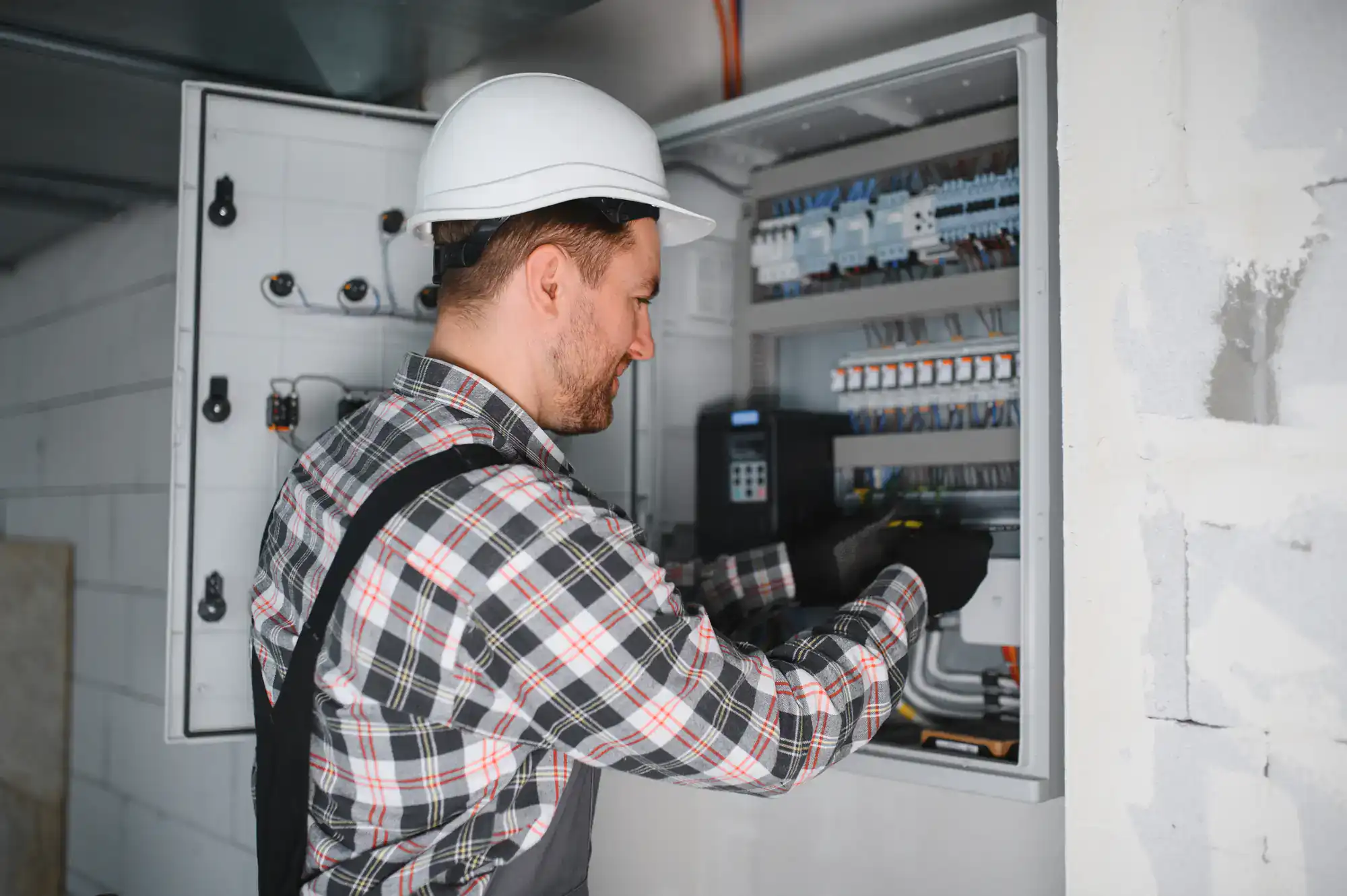
A thorough electrical panel inspection isn’t a quick glance and a thumbs-up. It’s a systematic process that covers every part of your panel and the circuits it controls.
First, the electrician will visually inspect the panel cover and surrounding area. They’re looking for rust, corrosion, burn marks, or any physical damage that might indicate a problem. They’ll also check that the area around your panel is clear. Building codes require at least three feet of clearance in front of your panel for safety and access.
Next, they’ll open the panel and inspect the interior. This is where the real work happens. They’ll check every connection to make sure screws are tight and wires are secure. Loose connections are one of the most common causes of panel failure, and they’re easy to fix if you catch them early.
They’ll also test each circuit breaker to make sure it’s functioning correctly. Breakers are designed to trip when a circuit overloads, but over time they can wear out and fail to trip when they should. That’s a serious safety risk. If a breaker isn’t working properly, it needs to be replaced.
The electrician will look for signs of overheating. Discolored wires, melted insulation, or burn marks on the bus bars are all indicators that your panel has been running too hot. Overheating usually means the panel is overloaded or there’s a faulty connection generating excess heat. Either way, it needs to be addressed immediately.
They’ll also verify that your panel is properly grounded and that all circuits are labeled correctly. Proper grounding is essential for safety, and accurate labels make it easier to shut off power to specific areas of your home during repairs or emergencies.
Finally, they’ll assess whether your panel has enough capacity for your home’s current electrical demands. If you’ve added appliances, finished a basement, or installed an EV charger since your panel was installed, you might be pushing it beyond its limits. The electrician can recommend upgrades if needed.
The whole process usually takes about an hour, and it gives you a clear picture of your panel’s condition. If everything looks good, you have peace of mind. If there are issues, you know exactly what needs to be fixed and why.
Some electrical problems announce themselves loudly. Others are quieter but just as serious. Knowing what to watch for can help you catch issues before they become emergencies.
Frequent breaker trips are one of the most common warning signs. If you’re constantly resetting breakers, especially when using specific appliances, your panel is telling you something’s wrong. It might be an overloaded circuit, a faulty breaker, or a problem with the appliance itself. Either way, it needs to be diagnosed by a licensed electrician.
Dimming or flickering lights are another red flag. If your lights dim when your HVAC system kicks on or when you run the microwave, your panel is struggling to distribute power evenly. This usually indicates an overloaded panel or a loose connection somewhere in the system.
Burning smells or unusual sounds coming from your panel are immediate concerns. If you smell burning plastic or notice a buzzing, crackling, or humming sound, shut off power to the panel if it’s safe to do so and call an electrician immediately. These are signs of arcing, overheating, or a failing component, and they can lead to fires if not addressed quickly.
Warm or hot spots on the panel cover are also serious. Your panel should never feel warm to the touch. If it does, something inside is generating excessive heat, and that’s a fire hazard.
Rust or corrosion on the panel cover or visible wiring indicates moisture intrusion. Water and electricity don’t mix, and moisture inside your panel can cause short circuits, corrosion, and component failure. If you see rust, have an electrician inspect the panel as soon as possible.
Finally, if your home is more than 25 years old and you’ve never had the panel inspected or serviced, that’s a warning sign in itself. Panels don’t improve with age, and problems that develop slowly over decades can reach a critical point without obvious symptoms. A professional inspection gives you the information you need to make smart decisions about repairs or upgrades.
Your electrical panel isn’t something you think about until it stops working. But by then, you’re dealing with an emergency, not a maintenance issue. The smarter approach is to treat your panel like any other critical system in your home. Regular inspections, timely repairs, and upgrades when needed keep it running safely and extend its lifespan by years.
If you live in Riverside or anywhere in Rhode Island with an older home, this matters even more. The electrical demands on your panel are higher than ever, and the systems in older homes weren’t built for this. A licensed electrician who understands Rhode Island’s housing stock can assess your panel, identify potential problems, and recommend solutions that make sense for your home and budget.
Maintenance isn’t expensive compared to the cost of a panel failure, a house fire, or losing your insurance coverage. It’s the kind of investment that pays for itself in safety, reliability, and peace of mind. If it’s been more than a few years since your panel was inspected, or if you’re noticing any of the warning signs mentioned earlier, reach out to us at Lightning Electric. We’ve been doing this work in Rhode Island for over 30 years, and we know how to keep your electrical system running the way it should.
Summary:
Article details:
Share: