
For over 30 years, we’ve powered Rhode Island with expert electrical services delivered with a personal touch. Discover our story and commitment to quality.
Contact Info
- List Item
For over 30 years, we’ve powered Rhode Island with expert electrical services delivered with a personal touch. Discover our story and commitment to quality.
Contact Info
Hiring the wrong electrician can cost you time, money, and safety. Understand the critical differences between residential and commercial electrical work before your next project in Providence County.
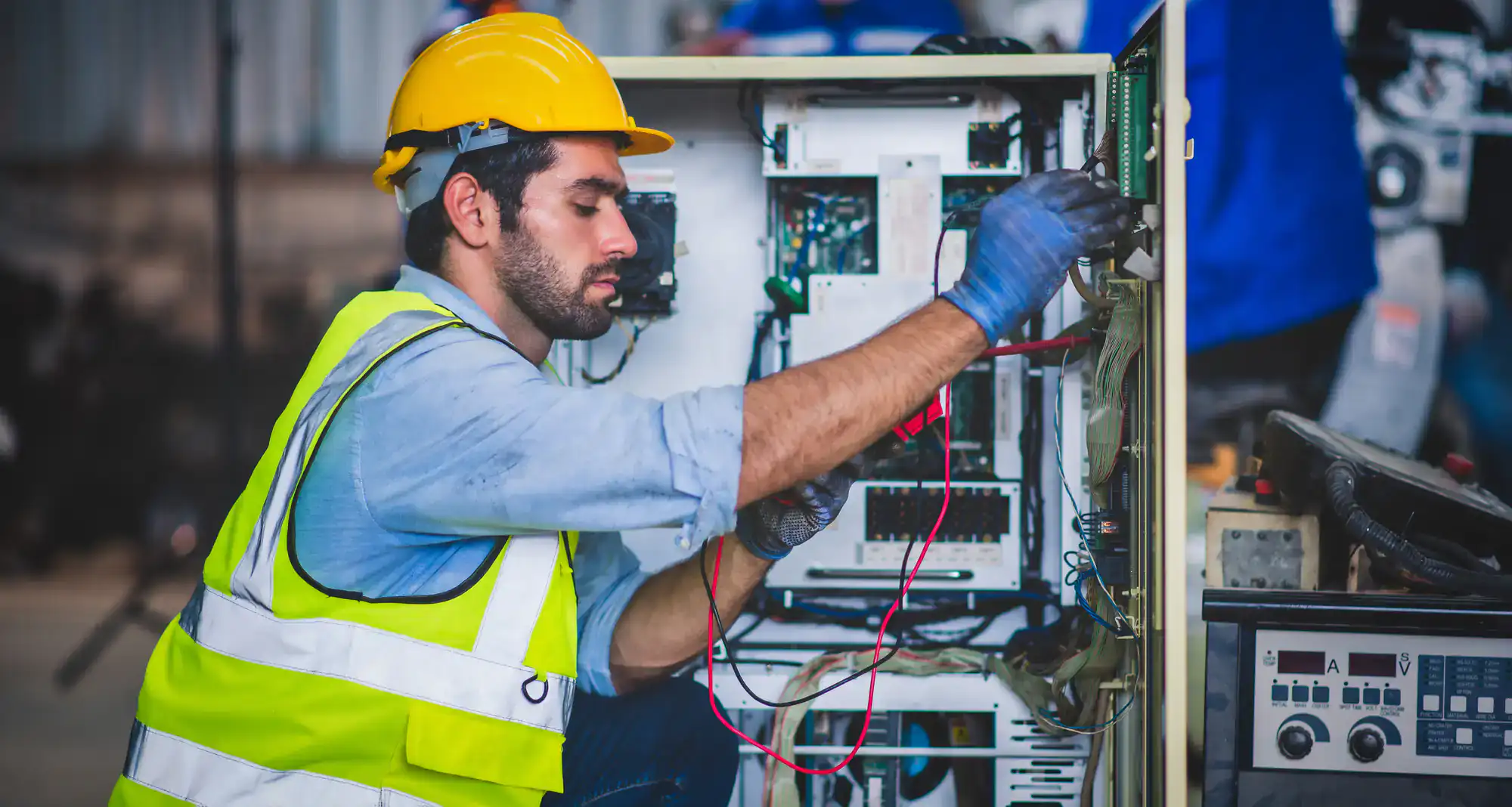
You need electrical work done. You search for an electrician. But here’s what most people don’t realize until it’s too late: not all electricians do the same work. A residential electrician specializes in homes. A commercial electrician handles businesses and larger buildings. The voltage systems are different. The codes are different. The training is different. And if you hire the wrong one, you’re looking at failed inspections, safety issues, or paying someone else to redo the work. This isn’t about picking the cheapest option or whoever answers the phone first—it’s about understanding what your property actually needs and who’s qualified to deliver it.
A residential electrician works in homes, apartments, condos, and other places where people live. Their work centers on household electrical needs—installing outlets, fixing circuit breakers, upgrading panels, wiring new construction, or troubleshooting why your kitchen lights keep flickering.
The systems they work with are smaller in scale. Homes in Providence County typically run on single-phase power between 120 and 240 volts. That’s enough to handle your appliances, lighting, HVAC, and everyday electrical demands. Residential electricians know how to work in tight spaces like attics and crawl spaces, and they understand that you’re living in the space while they work.
They also know residential code inside and out. That means understanding how to wire a home safely, where outlets need to be placed, what kind of circuit protection you need, and how to pass local inspections. Their job is to keep your home powered safely without creating fire hazards or electrocution risks.

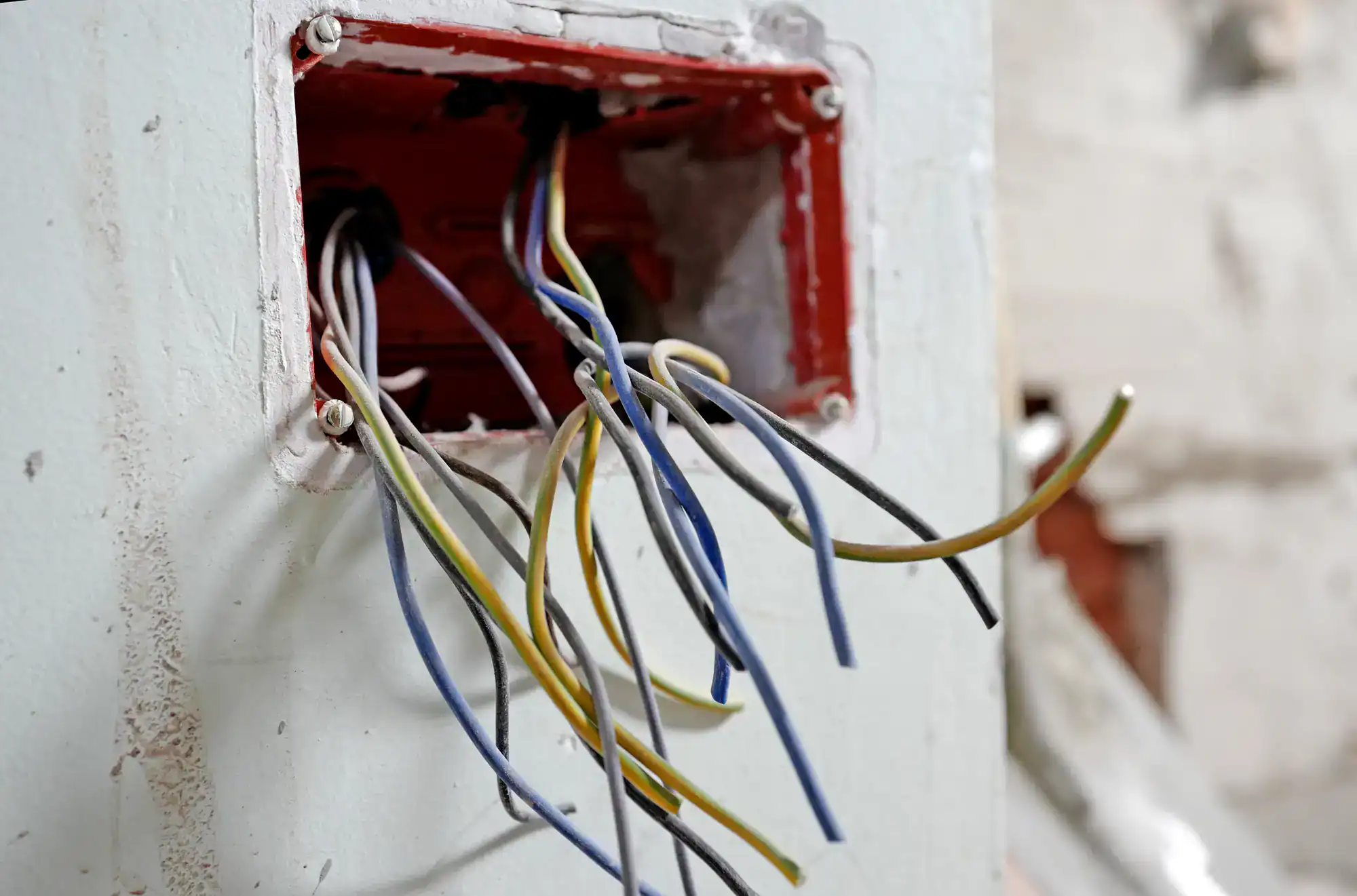
Residential electrical systems are designed around simplicity and safety. The wiring is smaller gauge, covered in plastic sheathing, and tucked behind walls where you won’t see it or accidentally touch it. The goal is to keep everything out of sight and out of reach, especially if you have kids or pets.
Single-phase power is what makes this possible. It’s a straightforward system that delivers consistent voltage to your home without the complexity of commercial setups. Your electrical panel distributes power to different circuits throughout the house—one for the kitchen, one for bedrooms, maybe a dedicated circuit for your dryer or EV charger.
Residential electricians also focus on aesthetics. Homeowners don’t want conduit running along the walls or junction boxes visible in every room. The work needs to look clean and finished. That means planning wire runs carefully during installation so you’re not tearing into walls later to fix mistakes.
But residential work isn’t just about making things look good. It’s about making sure your electrical system can handle what you’re asking of it. Older homes in Providence County might still have outdated wiring that can’t support modern electrical loads. A qualified residential electrician knows how to assess your system, identify weak points, and upgrade safely without creating new problems. They work with you directly, answer your questions, and make sure you understand what’s being done in your home.
You call a residential electrician when the work involves your home. That includes installing new lighting fixtures, adding outlets where you need them, upgrading an outdated electrical panel, or wiring a home addition or renovation. If your circuit breaker keeps tripping, your outlets aren’t working, or you’re planning to install smart home devices, a residential electrician handles it.
New construction is another area where residential electricians come in. They work with builders and architects to install the entire electrical system according to plans, making sure everything is up to code before the walls go up. Once the home is finished, they’re also the ones you call for repairs, maintenance, and upgrades over the years.
Residential electricians also handle specialized installations like ceiling fans, outdoor lighting, EV charging stations, and whole-home surge protection. These aren’t massive industrial projects, but they require someone who understands how residential systems work and how to integrate new equipment without overloading your circuits.
One thing to keep in mind: residential electricians in Rhode Island are licensed specifically for this type of work. That means they’ve completed the required training, logged thousands of hours of hands-on experience, and passed state exams. They know the National Electrical Code and how it applies to homes. They pull the right permits and make sure inspections go smoothly. Hiring someone without that background—or trying to DIY electrical work yourself—puts your home, your family, and your insurance coverage at risk.
Want live answers?
Connect with a Lightning Electric expert for fast, friendly support.
Commercial electricians work in businesses, office buildings, retail stores, warehouses, hospitals, schools, and other non-residential properties. The scale is bigger. The systems are more complex. And the stakes are higher because you’re dealing with occupied buildings where downtime costs money.
These electricians work with three-phase power systems that can handle 208 volts, 480 volts, or even higher depending on the building’s needs. That’s necessary because commercial properties use a lot more electricity than homes. You’ve got HVAC systems running constantly, industrial equipment, large-scale lighting, data systems, security systems, and backup power requirements.
Commercial electricians also deal with stricter codes and regulations. They follow the National Electrical Code like everyone else, but they also have to comply with OSHA standards, fire safety regulations, and accessibility requirements that don’t apply to residential work. Their installations need to support heavy-duty equipment, provide redundancy for critical systems, and allow for easy maintenance and future upgrades.

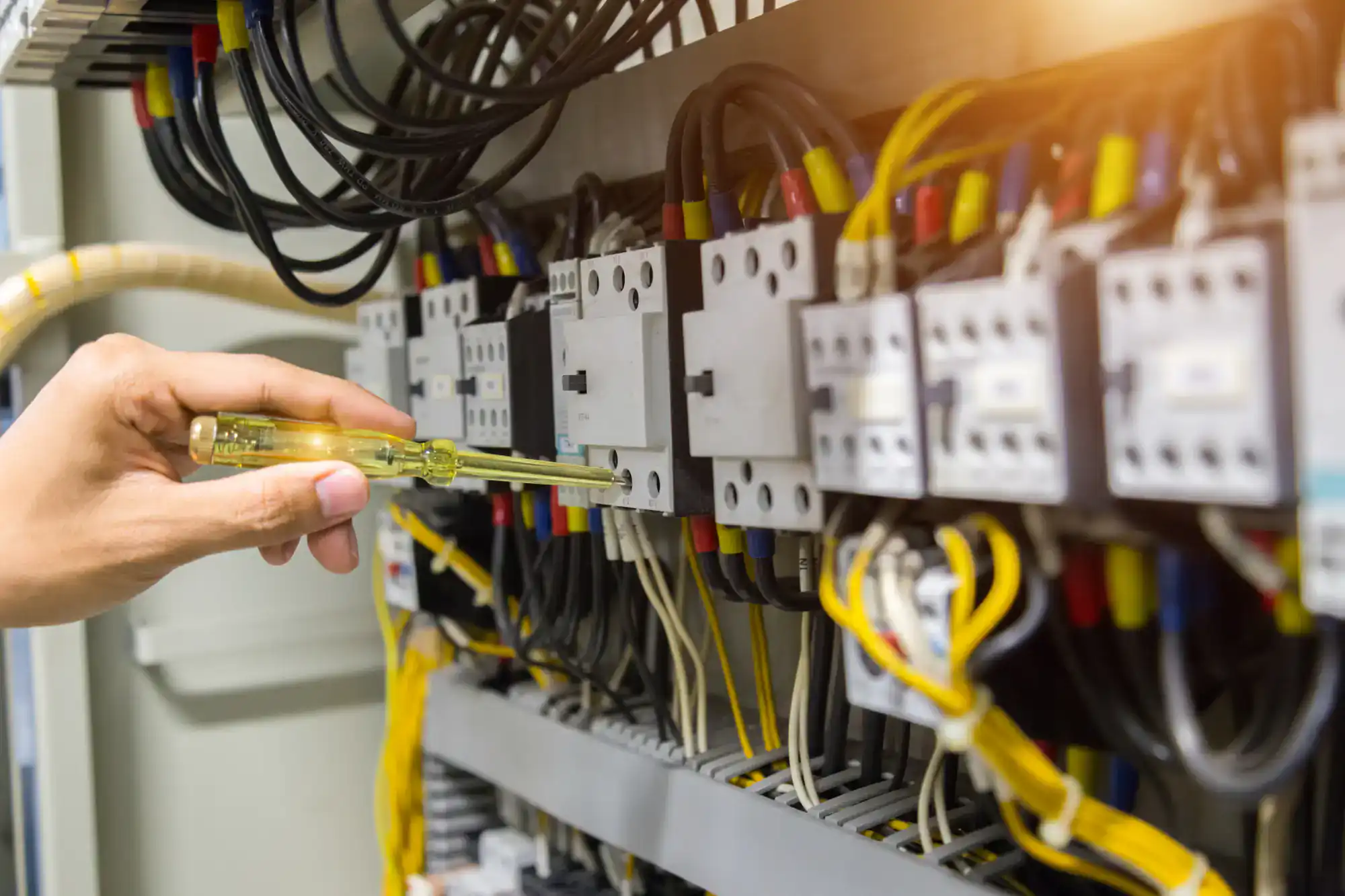
Commercial electrical systems are built for performance and accessibility. The wiring is thicker, housed in metal conduits, and often run in open or semi-open spaces where maintenance teams can access it easily. That’s because commercial buildings put a lot of stress on their electrical systems, and repairs or upgrades need to happen quickly without shutting down operations for days.
Three-phase power is the backbone of commercial electrical work. It distributes electricity more efficiently across large spaces and can handle much higher loads than residential single-phase systems. This setup is necessary when you’re powering everything from office computers and lighting to industrial machinery and commercial kitchen equipment.
Commercial electricians also plan for things that don’t come up in residential work. Backup power systems for hospitals or data centers. Emergency lighting and exit signs that need to stay on during power outages. Fire alarm systems integrated with the electrical infrastructure. Load balancing to prevent circuit overloads when equipment starts up.
The planning phase is more involved too. Commercial electricians work with architects, engineers, general contractors, and building inspectors. They read complex blueprints, calculate electrical loads, and design systems that meet current needs while leaving room for future expansion. A retail store might need to reconfigure its layout every few years. An office building might add new tenants with different power requirements. The electrical system has to be flexible enough to adapt without requiring a complete overhaul every time something changes.
If you own or manage a business in Providence County, you need a commercial electrician for installations, repairs, and maintenance. That includes wiring new commercial construction, upgrading electrical panels to handle increased loads, installing specialized equipment, and troubleshooting problems that affect your operations.
Commercial electricians also handle projects like parking lot lighting, security system wiring, data and networking infrastructure, and energy management systems that help reduce operating costs. They work around your business hours—often early mornings, late nights, or weekends—to minimize disruption to your operations.
One critical difference: commercial electrical work requires more extensive training and experience. In Rhode Island, commercial electricians typically need thousands of additional hours of on-the-job training compared to residential electricians. They’re working with higher voltages, more complex systems, and stricter safety requirements. That specialized knowledge matters when you’re dealing with three-phase power, industrial equipment, or buildings where electrical failure could put people at risk.
Commercial electricians also understand the financial side of electrical work in a business context. Downtime is expensive. Inefficient systems waste money. Code violations can shut you down. They approach projects with an eye toward reliability, efficiency, and long-term performance—not just getting the lights to turn on. They help you plan for growth, identify ways to reduce energy costs, and make sure your electrical infrastructure supports your business goals instead of holding them back.
The difference between residential and commercial electricians isn’t just a technicality. It’s about voltage systems, code requirements, training, and the complexity of the work itself. Residential electricians specialize in homes and single-phase power. Commercial electricians handle businesses and three-phase systems. Hiring the wrong one leads to failed inspections, safety hazards, and expensive do-overs.
Before you hire anyone, know what type of property you’re working with and what the project involves. If it’s your home, you need a residential electrician. If it’s your business, you need a commercial electrician. Check their licensing, ask about their experience with your specific type of project, and make sure they’re insured.
When you need electrical work done right in Providence County, we have the expertise to match you with the right professional for your project. Whether it’s residential or commercial, we make sure the work gets done safely, efficiently, and up to code.
Summary:

Share: