
For over 30 years, we’ve powered Rhode Island with expert electrical services delivered with a personal touch. Discover our story and commitment to quality.
Contact Info
- List Item
For over 30 years, we’ve powered Rhode Island with expert electrical services delivered with a personal touch. Discover our story and commitment to quality.
Contact Info
Electrical emergencies don't wait for convenient timing. Know what to do when sparks fly, power fails, or wires expose themselves—before the electrician arrives.
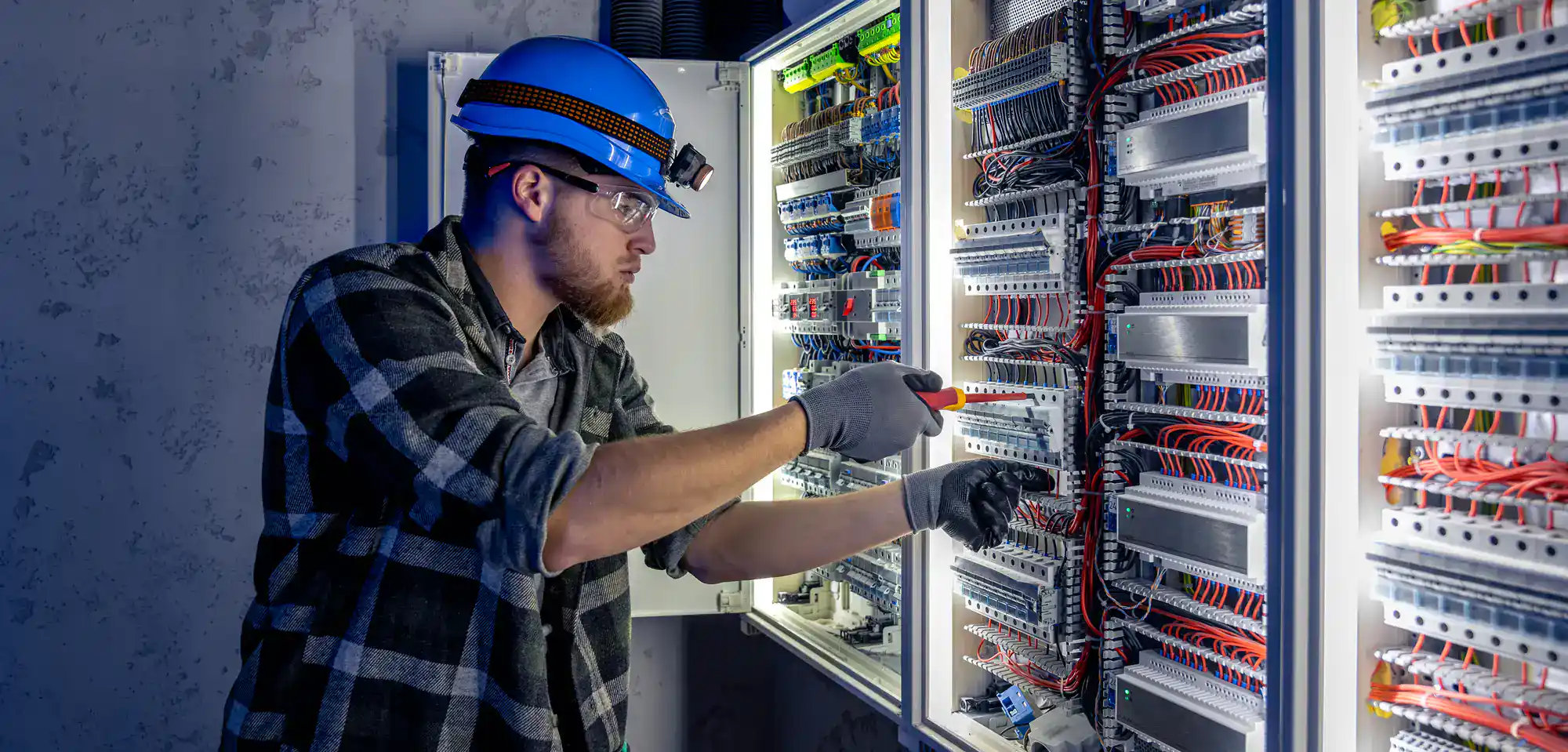
The lights cut out. Or maybe you smell something burning near an outlet. Perhaps you spot exposed wires after moving furniture. Electrical emergencies happen without warning, and in those first critical minutes, what you do matters.
You’re not looking for a lecture on electrical theory right now. You need to know what’s safe to touch, what requires immediate action, and what can wait. You need clarity on whether this situation demands 911 or a 24 hour electrician. And most importantly, you need to know how to keep your family safe until professional help walks through your door.
Let’s start with understanding what actually qualifies as an electrical emergency.
Not every electrical problem requires sirens. But some absolutely do.
Call 911 immediately if someone has been electrocuted, if you see flames or active fire, or if you smell gas combined with electrical issues. These situations involve immediate life safety and require emergency responders first, electrician second. Don’t hesitate or try to handle these situations yourself.
Call an emergency electrician for sparking outlets, burning smells without visible flames, exposed wires, repeated circuit breaker trips, partial power loss in your home, or any situation where you see scorch marks around outlets or switches. These problems are serious and require professional electrical expertise, but they don’t typically need fire trucks and ambulances.
The distinction matters because your response changes based on the threat level. Understanding the difference helps you get the right help at the right time. If you’re unsure, err on the side of caution and call 911. They can assess whether the situation requires emergency services or if you should contact a licensed electrician directly.

Power outages hit Providence County hard, especially during nor’easters and winter storms. Recent weather events have left thousands of Rhode Island Energy customers without power for up to three days. When your power goes out, your first move should be figuring out if it’s just you or the whole neighborhood.
Check if your neighbors have power. If they do, the problem is inside your home—likely a tripped breaker or blown fuse. Head to your electrical panel and look for any breakers in the “off” position or sitting between on and off. You can try resetting it once. If it trips again immediately, stop. That breaker is trying to protect you from something dangerous, and repeatedly resetting it won’t fix the underlying problem.
If your neighbors are also dark, you’re dealing with a utility outage. Report it to Rhode Island Energy. They track outages in real-time and can give you estimated restoration times.
While you wait, unplug electronics and major appliances. When power returns, it sometimes comes back in surges that can damage sensitive equipment like computers, televisions, and appliances with electronic controls. Leave one light switched on so you’ll know when power returns, but disconnect everything else until the power stabilizes.
Keep your refrigerator and freezer doors closed. A full freezer stays cold for about 48 hours without power if you don’t open it. Your refrigerator will keep food safe for roughly four hours. After that, you’ll need to start making decisions about what to keep and what to throw out.
If you have a generator, never run it inside your home, garage, or any enclosed space. Generators produce carbon monoxide, which is odorless and deadly. Keep it at least 20 feet away from windows and doors, and only operate it outdoors in a well-ventilated area.
For extended outages during extreme weather, consider where you’ll go if your home becomes unsafe due to temperature. Providence County experiences both bitter cold winters and hot, humid summers. If you rely on electricity for medical equipment, have a backup plan in place before an outage happens.
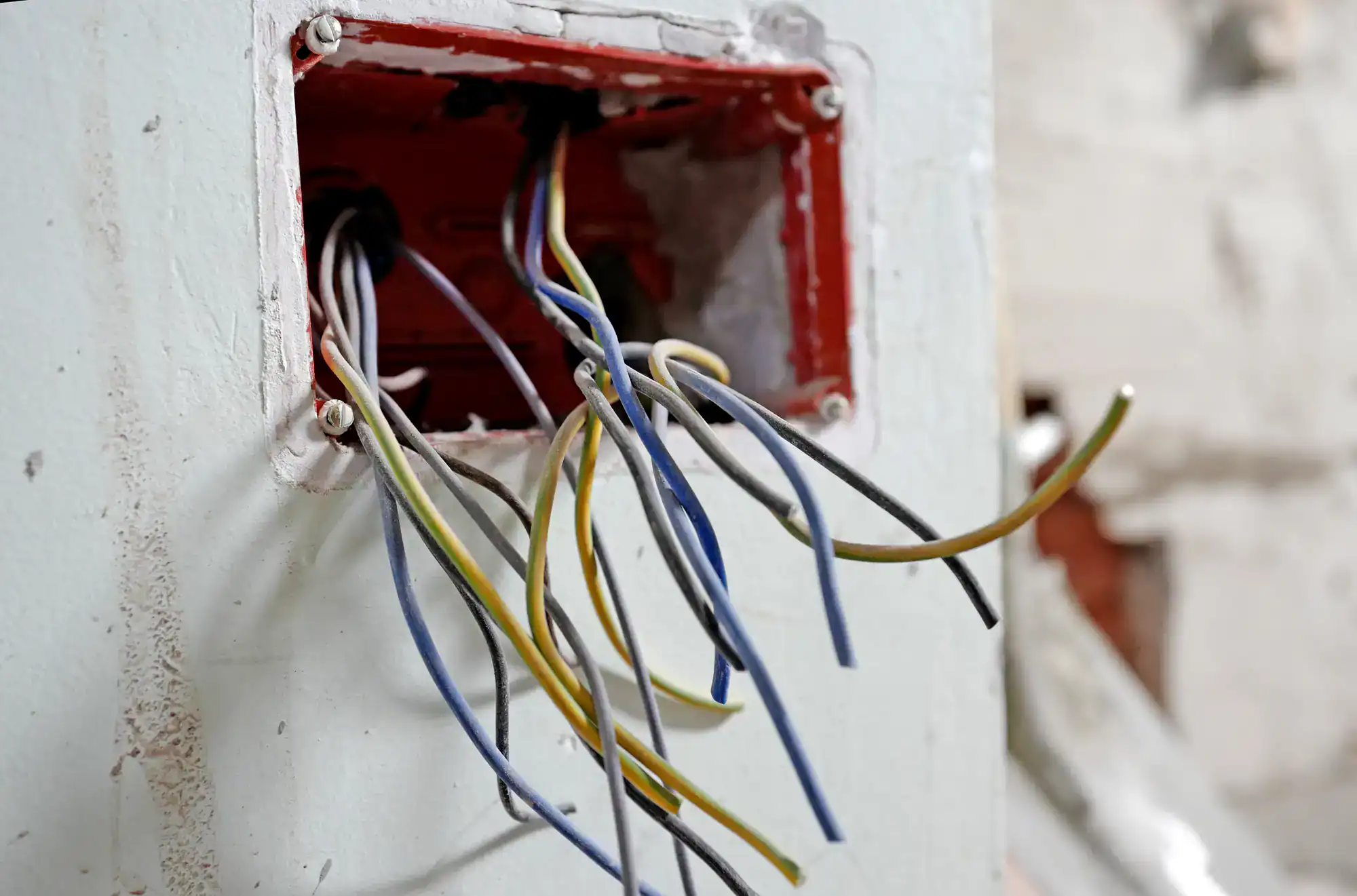
Exposed wires rank among the most dangerous electrical hazards in your home. When insulation gets damaged, you’re looking at potential for electrical shock, fire, or both. The exposed copper conductor can spark, overheat, or come into contact with other materials, creating conditions for a fire to start.
First, don’t touch the wire or anything near it. Keep children and pets away from the area. If you can safely reach your electrical panel without going near the exposed wire, shut off power to that circuit. If you don’t know which breaker controls that area, and you can’t safely reach the panel, leave the power alone and wait for the electrician.
Never use duct tape, masking tape, or any general-purpose tape on electrical wires. These materials lack the heat resistance and insulating properties needed for electrical safety. If you absolutely must do something temporary while waiting for an electrician, and only if the power is completely off to that circuit, you can use UL-listed electrical tape to cover minor damage. Wrap it tightly around the exposed area, making sure all bare copper is covered. But understand this is temporary at best.
For wires that are frayed, melted, burnt, or located behind walls, don’t attempt any fix yourself. These situations require professional assessment and repair. An electrician needs to determine if the wire can be repaired or if it requires complete replacement.
Exposed wires often result from several common causes: age and deterioration of insulation, damage from rodents chewing through wiring, accidental punctures from nails or screws during home projects, or cords that have been bent and pinched repeatedly. Understanding the cause helps prevent future problems, but right now, your priority is safety.
If you spot exposed wiring outside your home, especially after a storm, stay at least 40 feet away and assume every downed line is carrying live electricity. Report it immediately to Rhode Island Energy and keep everyone away from the area. Downed power lines can energize the ground around them, creating a danger zone larger than you might expect.
The danger with exposed wires isn’t always obvious. Even if a wire isn’t sparking or smoking, it can still carry enough current to cause severe injury or death. Treat every exposed wire as if it’s live until a licensed electrician confirms otherwise with proper testing equipment.
Want live answers?
Connect with a Lightning Electric expert for fast, friendly support.
Electrical fires account for roughly 50,000 home fires every year in the United States. They spread fast, produce intense heat, and require specific response tactics that differ from other types of fires.
If you see flames or smoke coming from an outlet, switch, or appliance, your first action is cutting power to that circuit if you can do it safely. If the fire is small and contained, you can use a Class C fire extinguisher designed for electrical fires. Never use water on an electrical fire—water conducts electricity and can cause electrocution.
If the fire is growing or you don’t have the right extinguisher, get everyone out of the house immediately and call 911 from outside. Electrical fires can spread through walls along wiring paths, making them particularly dangerous even when they look small from the outside.

Most electrical emergencies give you warning signs before they become critical. Learning to recognize these signals means you can call an electrician before you’re dealing with a crisis. These electrical safety tips can help you spot trouble early.
Flickering or dimming lights, especially when you turn on major appliances, suggest your circuits are overloaded or you have loose wiring connections. This isn’t just annoying—it indicates your electrical system is struggling to meet demand, which can lead to overheating and fires.
Outlets or switches that feel warm or hot to the touch signal dangerous heat buildup behind the wall. This often results from loose connections, overloaded circuits, or deteriorating wiring. Any warmth you can feel through the cover plate means there’s significant heat inside the wall.
Burning smells near outlets, switches, or your electrical panel require immediate attention. That smell indicates insulation or other materials are overheating. Even if you don’t see smoke or flames, the conditions for fire exist.
Buzzing, sizzling, or crackling sounds from outlets, switches, or walls point to arcing electricity—current jumping across gaps it shouldn’t be crossing. Arcing generates intense heat and sparks, both of which can ignite surrounding materials.
Discolored or scorched outlets and switch plates show that heat or sparking has already occurred. The damage you see on the outside is usually just a fraction of what’s happening inside the wall.
Circuit breakers that trip frequently are trying to tell you something. A breaker that trips occasionally might just be overloaded with too many devices. But a breaker that trips repeatedly, especially when you’re not running heavy loads, indicates a serious problem—potentially a short circuit or ground fault.
These warning signs don’t always mean you’re minutes away from disaster, but they do mean you’re on borrowed time. Addressing them promptly with a licensed electrician can prevent them from escalating into genuine emergencies.
Electrical shock is a medical emergency that requires immediate response. If someone in your home receives an electrical shock, your actions in the next few seconds matter tremendously.
Do not touch the person if they’re still in contact with the electrical source. Electricity can pass through their body into yours, shocking you as well. Instead, shut off the power source immediately if you can reach the switch or breaker safely. If you can’t shut off power, use a non-conductive object like a wooden broom handle to separate the person from the electrical source.
Once the person is away from the electrical source, call 911 immediately. Even if they say they feel fine, electrical shock can cause internal injuries that aren’t immediately apparent. The current can affect heart rhythm, cause burns deep in tissue, or create other complications that develop over minutes or hours.
While waiting for emergency responders, check if the person is breathing and has a pulse. If you’re trained in CPR and the person isn’t breathing or doesn’t have a pulse, begin CPR. If you’re not trained, the 911 operator can guide you through the steps.
Don’t move the person unless they’re in immediate danger from fire or other hazards. Electrical shock can cause muscle spasms that lead to falls or other injuries, including potential spinal damage.
Look for entry and exit burns on the body. Electrical current often enters at one point and exits at another, leaving burn marks at both locations. These burns may look minor on the surface but can indicate severe internal tissue damage along the current’s path.
After someone experiences electrical shock, they need medical evaluation even if they appear unharmed. Electrical injuries can affect the heart, nervous system, and internal organs in ways that aren’t immediately visible. What seems like a minor shock can have serious delayed effects.
Prevention is always better than response. Cover unused outlets if you have small children, replace damaged cords immediately, never use electrical devices near water, and teach family members basic electrical safety. Install Ground Fault Circuit Interrupters (GFCIs) in bathrooms, kitchens, and outdoor outlets—these devices detect electrical imbalances and cut power in milliseconds, potentially preventing electrocution.
Knowing what to do during an electrical emergency buys you time and safety, but it doesn’t replace professional expertise. The steps we’ve covered—shutting off breakers, staying away from exposed wires, using the right fire extinguisher, responding to electrical shock—these are temporary measures that keep you safe until someone with the proper training and equipment can fix the actual problem.
Electrical systems are complex, and what looks like a simple issue on the surface often indicates deeper problems within your walls. A licensed electrician brings the diagnostic tools, technical knowledge, and experience needed to not just address the immediate emergency, but to identify and correct the underlying cause.
When you need urgent electrical service in Providence County, RI, we provide the licensed expertise and rapid response that emergency situations demand. With over 30 years of experience, Master Electricians and Electrical Inspector Certified professionals on staff, and comprehensive emergency services, we bring both the technical capability and the calm, focused approach you need when electrical problems threaten your home’s safety. Our team understands the unique challenges Providence County homeowners face—from storm-related outages to aging electrical systems—and we treat every emergency call with the seriousness it deserves.
Summary:
Share: