Beyond the Generator: How an Electrician Ensures Your Entire Home Stays Powered and Safe

A generator solves half the problem. The other half? Making sure your entire electrical system can actually support it—and keep your home safe when the power kicks back on.

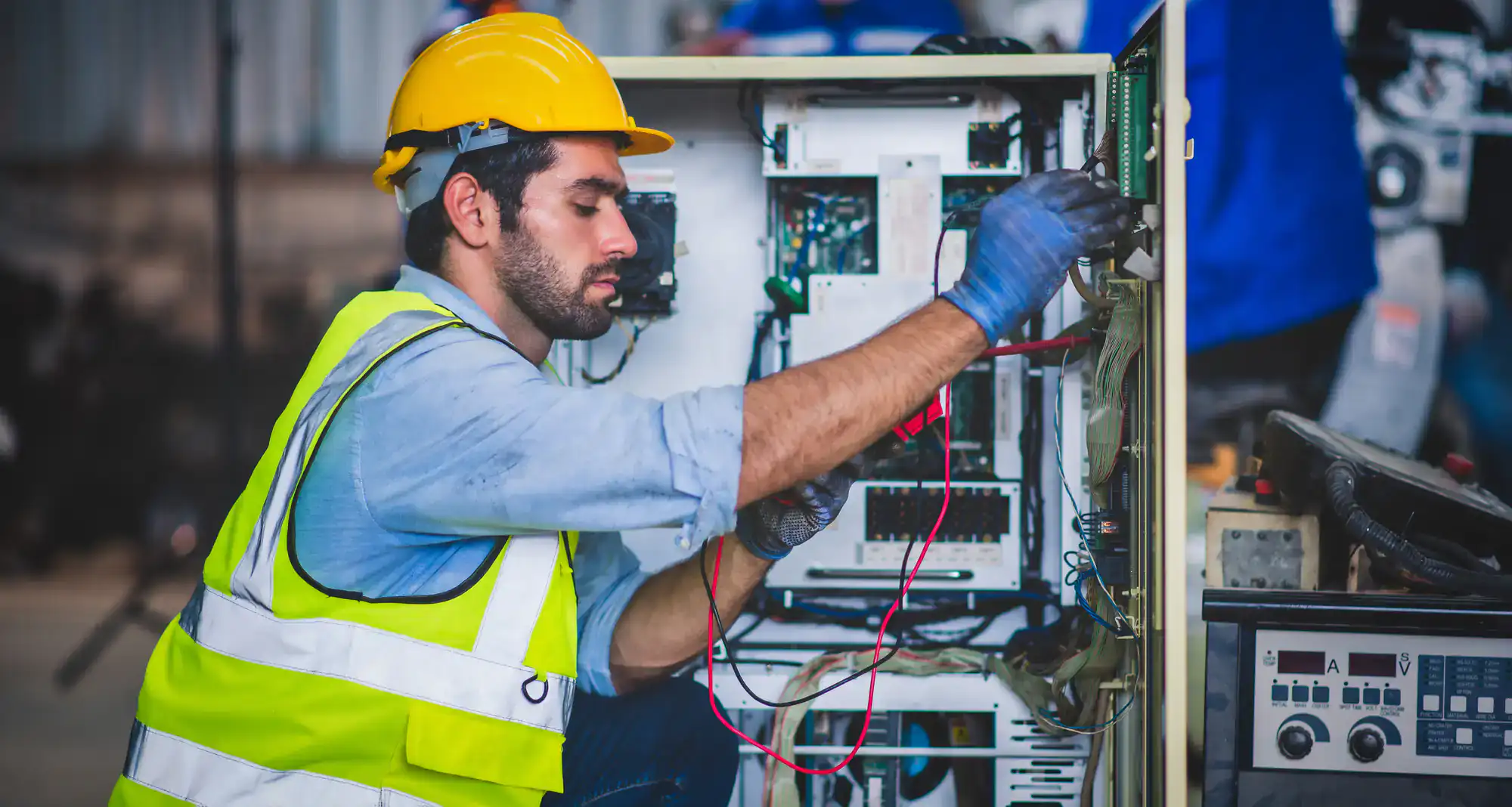
A man wearing a yellow safety vest, helmet, and gloves is repairing or inspecting electrical components inside an industrial control panel. He is holding test probes and working attentively, typical of skilled electricians Rhode Island RI.

You bought the generator. Storm season hits, the power goes out, and your backup system kicks in exactly like it’s supposed to. Lights stay on. Fridge keeps running. You’re covered, right? Not quite. What happens when the grid comes back online and your 1950s wiring tries to handle the load? Or when your insurance company finds out half your circuits are still running on knob and tube? A generator is critical, but it’s only part of the equation. The rest comes down to whether your entire electrical system can support modern power demands without creating new problems. That’s where an electrician who understands whole-home safety makes the difference.

What Does an Electrician Actually Do for Whole-Home Power Safety

An electrician doesn’t just show up to swap out a breaker or install a generator hookup. The job is bigger than that. You’re looking at someone who maps out how electricity flows through your entire house—from the service line coming in, to the panel distributing power, to every outlet and switch downstream.

In Riverside, where a lot of homes were built decades before anyone imagined running central air, multiple computers, and electric vehicle chargers all at once, that assessment matters. Your electrical system was designed for a different era. An electrician evaluates whether your current setup can handle what you’re asking it to do today. And tomorrow.

An engineer wearing a hard hat and safety glasses inspects electrical panels, much like skilled electricians in Rhode Island, holding a tablet amid wiring and components in a dimly lit control room.

Why Your Electrical Panel Is the Starting Point

Your electrical panel is the distribution center for everything that uses power in your home. If it’s undersized, outdated, or already maxed out, adding a generator or any other high-demand equipment creates a bottleneck. Worse, it creates a safety risk.

Homes in Riverside built before 1970 often have 60 to 100-amp panels. That was fine when the biggest electrical load was a window AC unit and a television. Now you’re running dishwashers, microwaves, heat pumps, and charging stations simultaneously. The math doesn’t work anymore.

We start by checking your panel’s capacity. Can it support what you need without constantly tripping breakers? Is there physical space to add new circuits? Are the breakers themselves outdated or potentially hazardous? Panels don’t last forever. Moisture gets in through exterior wiring. Connections loosen over time. Breakers wear out.

If your panel can’t keep up, upgrading to a 200-amp service isn’t just about convenience. It’s about making sure your home can safely distribute power without overheating wires, damaging appliances, or creating fire hazards. And if you’re installing a backup generator, we need to confirm the panel can handle the transfer switch and manage the load when that generator kicks on during an outage.

This isn’t something you eyeball. It requires load calculations, code compliance, and coordination with your utility company. That’s the difference between a functional electrical system and one that’s a liability waiting to happen.

How Knob and Tube Wiring Blocks Your Coverage and Your Safety

If your Riverside home was built before 1950, there’s a decent chance you still have knob and tube wiring somewhere in the walls. It’s the original electrical system—copper wires run through porcelain tubes and held in place by ceramic knobs. It worked fine a century ago when homes had a few lights and maybe a radio.

It doesn’t work now. Knob and tube wiring has no grounding. That means your outlets can’t safely handle three-prong plugs, and there’s no protection against electrical shock or surges. The insulation—usually cloth or rubber—deteriorates over time. When that happens, you’re left with exposed wiring that can arc, overheat, and start fires.

Insurance companies know this. Most won’t cover homes with active knob and tube wiring. If they do, they’ll give you 30 days to remove it or they’ll cancel your policy. If you don’t disclose it and there’s a fire, they can deny your claim entirely. That’s not a scare tactic. It’s standard practice across Rhode Island.

Beyond the insurance problem, knob and tube wiring simply can’t handle modern electrical loads. You can’t safely run a generator, a heat pump, or even a full set of kitchen appliances on a system designed for 15 amps per circuit. Trying to do so overloads the wiring and increases the risk of a fire.

Replacing knob and tube wiring isn’t about ripping apart your walls and starting from scratch. We’ve worked with Rhode Island’s older homes for over 30 years, and we know how to map the existing wiring, plan new routes that minimize disruption, and complete the upgrade without turning your house into a construction zone. You get modern, grounded circuits that meet current code, pass inspection, and satisfy your insurance company. More importantly, you get a system that’s actually safe.

Want live answers?

Connect with a Lightning Electric expert for fast, friendly support.

How We Integrate Generators Into Your Whole System

A backup generator doesn’t operate in isolation. It integrates directly into your home’s electrical system through a transfer switch, and that installation requires an electrician who understands both the generator and your home’s existing infrastructure. When the power goes out, that switch disconnects your home from the grid and connects it to the generator. When power is restored, it switches back.

That sounds simple, but the work behind it isn’t. We have to size the generator correctly based on what you need to power during an outage. We have to install the transfer switch in a way that meets code and doesn’t create backfeed risks. And we have to make sure your panel and wiring can handle the load the generator will supply.

A woman in a yellow safety helmet and blue work uniform explains a control panel to a coworker in a factory setting. She wears yellow ear protection around her neck, showcasing the expertise of electricians Rhode Island relies on.

What Happens When Your Wiring Can't Support Your Generator

You can have the best generator on the market, but if your home’s wiring is outdated or undersized, you’re not getting the full benefit. Worse, you could be creating new problems.

Let’s say your generator is sized to power your essentials—furnace, refrigerator, a few lights, maybe a sump pump. We install it, connect the transfer switch, and everything works during the first outage. But if your wiring downstream from the panel is old, ungrounded, or deteriorating, you’re asking that wiring to carry loads it was never designed to handle.

This is especially common in Riverside homes where the generator gets installed but the knob and tube wiring in the walls remains untouched. The generator powers the circuits, but the old wiring can’t safely distribute that power. You end up with voltage drops, overheating, and potential fire hazards—even though the generator itself is functioning perfectly.

We don’t just install the generator and walk away. We assess the entire electrical path from the generator to the devices you’re powering. If the wiring is inadequate, we’ll recommend upgrades before the generator goes in. That might mean rewiring specific circuits, replacing outdated cable, or upgrading the panel to ensure clean, safe power distribution.

It’s not about upselling. It’s about making sure the system works as intended and doesn’t create new risks in the process.

Why Rhode Island Storms Make Backup Power and Electrical Upgrades Essential

Rhode Island gets hit hard during storm season. Snowstorms, hurricanes, and Nor’Easters knock out power across the state, sometimes for days at a time. If you’ve lived through a multi-day outage in January, you know how fast things go sideways. No heat. No hot water. Frozen pipes. Spoiled food. And if you’re trying to work from home or keep medical equipment running, the stakes get even higher.

That’s why so many Riverside homeowners invest in backup generators. But the generator is only half the solution. The other half is making sure your home’s electrical system can actually use that power safely and effectively when it kicks in.

Storms don’t just cause outages. They also stress your electrical system. Power surges when the grid comes back online. Voltage fluctuations during brownouts. Moisture intrusion from wind-driven rain or snow. If your panel, wiring, or grounding system is already compromised, a storm can push it over the edge.

We understand Rhode Island’s climate and housing stock, and we know what to look for. We check for water damage in panels. We verify that grounding systems are intact and functional. We make sure your wiring can handle the rapid load changes that happen when a generator switches on or when grid power is restored.

This kind of proactive work prevents the scenario where your generator runs perfectly during the outage, but your panel fails when the power comes back on. Or where your backup system works, but a surge fries your appliances because your home lacks proper surge protection.

Whole-home electrical safety isn’t just about keeping the lights on. It’s about making sure your entire system—generator, panel, wiring, grounding—works together to protect your home and everything in it, no matter what the weather throws at you.

Making Sure Your Entire Home Is Ready for Whatever Comes Next

A generator keeps the power on during an outage. But if the rest of your electrical system can’t support it—or if outdated wiring is putting your home at risk—you’re not actually protected. You’re just delaying the problem.

The electrician you hire should be looking at the whole picture. Panel capacity. Wiring condition. Code compliance. Insurance requirements. Storm preparedness. All of it matters, and all of it has to work together.

If your Riverside home still has knob and tube wiring, an undersized panel, or an electrical system that hasn’t been updated in decades, now’s the time to address it. Not when your insurance company sends a cancellation notice. Not when a storm knocks out power and your generator can’t do its job because the wiring fails. Now, while you can plan it properly. We’ve been handling these exact situations across Rhode Island for over 30 years, and we know what it takes to bring an older home’s electrical system up to modern standards without unnecessary disruption.

Summary:

Most Riverside homeowners think a backup generator is the end of the story. It’s not. Your home’s electrical system—the panel, the wiring, the circuits—has to be ready to handle that power safely. This post walks through what an electrician actually does beyond installing a generator. You’ll see why whole-home electrical safety matters, what outdated wiring does to your insurance coverage, and how the right upgrades protect everything under your roof.

Article details:

Share: