
For over 30 years, we’ve powered Rhode Island with expert electrical services delivered with a personal touch. Discover our story and commitment to quality.
Contact Info
When your generator won’t start during an outage, you don’t have time to troubleshoot YouTube videos or wait days for a callback. You need someone who can show up, figure out what’s wrong, and fix it fast.
That’s what our licensed generator repair in Westerly, RI gets you. A technician who’s seen the common failures—dead batteries, clogged air filters, fuel system issues, overheating—and knows how to resolve them without replacing parts you don’t need. Your generator either runs when you need it, or it doesn’t. Our job is making sure it does.
Whether it’s residential generator repair for your home or commercial generator repair for your business, the outcome is the same: reliable backup power you can count on when Rhode Island weather knocks out the grid.
We’ve been serving Westerly, RI and surrounding Rhode Island communities for decades. We’re licensed, insured, and members of the Rhode Island Electrical Inspectors IAEI Roger Williams Chapter. That’s not marketing talk—it means we follow the NFPA’s Certification Code of Ethics and stay current on electrical codes.
Westerly sees its share of storm-related outages. Washington County regularly ranks among the hardest-hit areas when nor’easters roll through. That’s why so many homeowners and businesses here rely on standby generators—and why those generators need to work when called on. We’ve repaired hundreds of units across the area, from residential backup systems to commercial standby generators that keep operations running during multi-day outages.
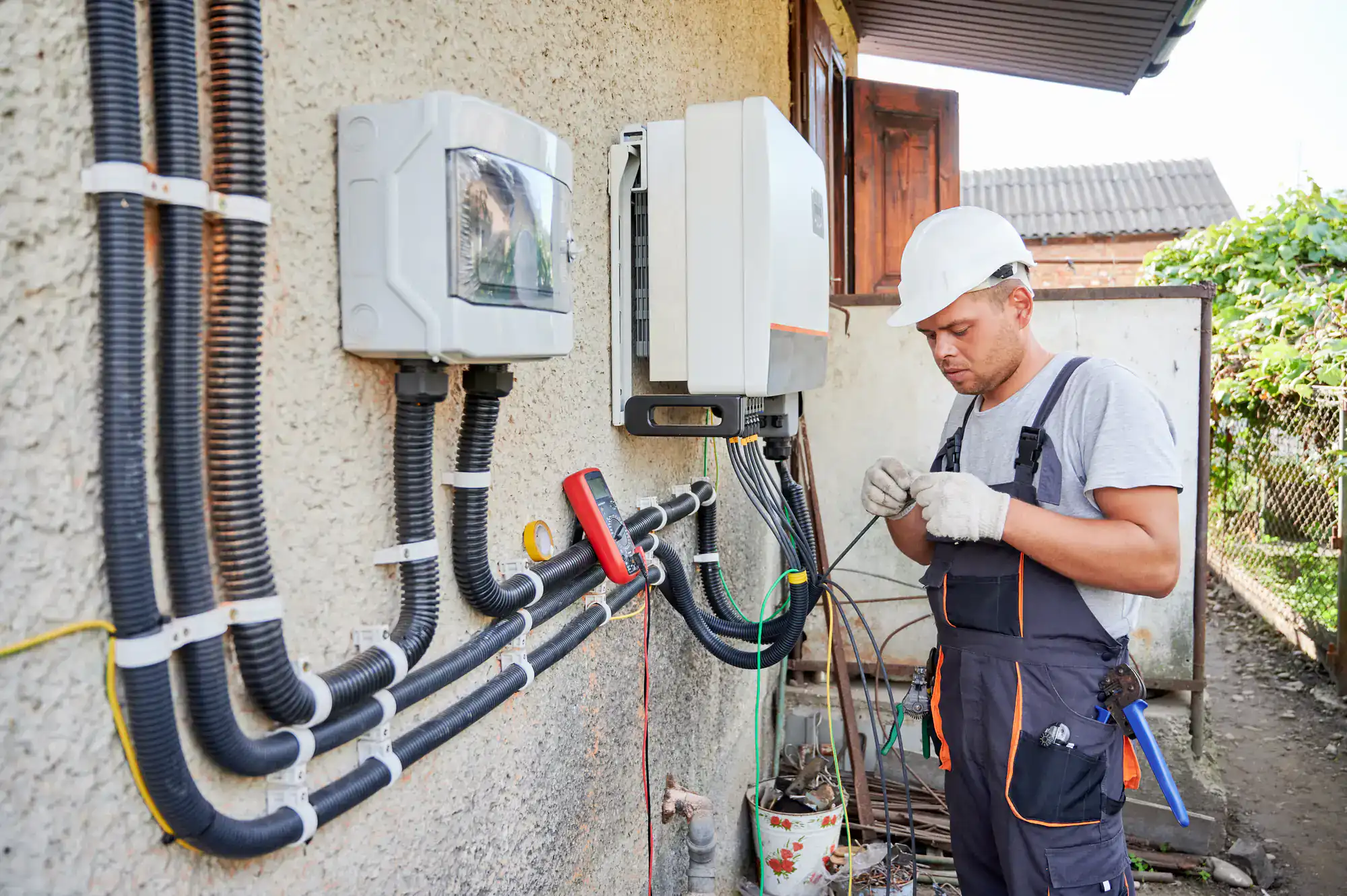
First, we schedule a time that works for you—emergency situations get priority. When we arrive, we run a full diagnostic to figure out why your generator isn’t starting, running rough, or shutting off unexpectedly. Most issues fall into a few categories: battery failure, fuel delivery problems, dirty air filters, or overheating from blocked vents or low coolant.
Once we identify the problem, we explain what’s wrong in plain terms and what it’ll take to fix it. No upselling parts you don’t need. If it’s a quick fix like replacing a battery or cleaning a clogged filter, we handle it on the spot. If it requires ordering a part, we let you know the timeline and cost upfront.
After the repair, we test the generator under load to make sure it’s running properly. You’ll see it start, hear it run smoothly, and know it’s ready for the next outage. We also walk you through any maintenance steps that’ll help you avoid the same issue down the road.
Ready to get started?
Our generator troubleshooting in Westerly, RI starts with a full system check. We inspect the battery, fuel system, air filter, coolant levels, oil, spark plugs, and electrical connections. We look for the obvious stuff—corrosion, leaks, loose wiring—and the less obvious issues like loss of residual magnetism or fuel line blockages.
If your generator overheats, we check for clogged vents, low coolant, or a failing cooling fan. Overheating is one of the most common causes of generator failure, especially in units that sit unused for months and then get hit with a heavy load during an outage. Catching it early prevents internal damage that leads to expensive repairs later.
For generators that won’t start, we test the battery first. Most no-start issues come down to a dead or aging battery. If the battery checks out, we move to the fuel system—low fuel, stale fuel, or air in the lines can all prevent startup. We also verify the transfer switch is working correctly, since a faulty switch can make a perfectly good generator seem broken.
Rhode Island sees frequent outages. Right now, over 3,700 homes and businesses across the state are without power, with Washington County often among the hardest hit. When the grid goes down for days, your generator isn’t a luxury—it’s what keeps your sump pump running, your fridge cold, and your heat on in winter.
Most no-start issues come from a dead battery. Generator batteries lose capacity over time, and if yours is more than three years old, it’s likely the culprit. Cold weather makes this worse—batteries that work fine in summer can fail when temperatures drop.
Low fuel is another common cause. If your tank runs completely dry, air gets into the fuel lines, and that’s a time-consuming fix. Always keep your tank at least half full, especially during storm season.
Other possibilities include a tripped circuit breaker, a faulty starter, or a clogged fuel filter. We can run diagnostics to pinpoint the exact issue and get your unit running again. Most of these problems are fixable on the spot once you know what you’re dealing with.
Once a year is the standard recommendation, ideally before storm season hits. Annual maintenance catches small problems—dirty filters, low coolant, aging batteries—before they turn into no-start emergencies during an outage.
During a maintenance visit, we check your oil, coolant, battery, air filter, spark plugs, and fuel system. We’ll also run the generator under load to make sure it’s producing the right voltage and can handle your home or business’s power needs. This isn’t just about preventing breakdowns—it’s about making sure your generator actually works when you need it.
Routine maintenance costs less than emergency generator repair in Westerly, RI. And it extends the life of your equipment. Generators that get annual service run smoother, last longer, and fail less often. If you’re in an area like Westerly where outages happen regularly, skipping maintenance is a gamble you don’t want to take.
Overheating usually comes from restricted airflow or low coolant. If your generator’s air vents are blocked by debris, leaves, or snow, it can’t cool itself properly. Same issue if the cooling fan isn’t working or the air filter is clogged with dirt.
Low coolant is another frequent cause, especially in liquid-cooled generators. If there’s a slow leak or the coolant hasn’t been topped off in years, the engine runs hot and eventually shuts down to prevent damage. Ignoring an overheating generator can warp internal components and lead to repairs that cost thousands.
Running your generator with no load for extended periods can also cause overheating. Generators are designed to run under load—if they idle too long without powering anything, they don’t burn fuel efficiently and can overheat. If you’re testing your unit, put it under load for at least 30 minutes. We can inspect your cooling system and fix issues before they cause a shutdown during the next storm.
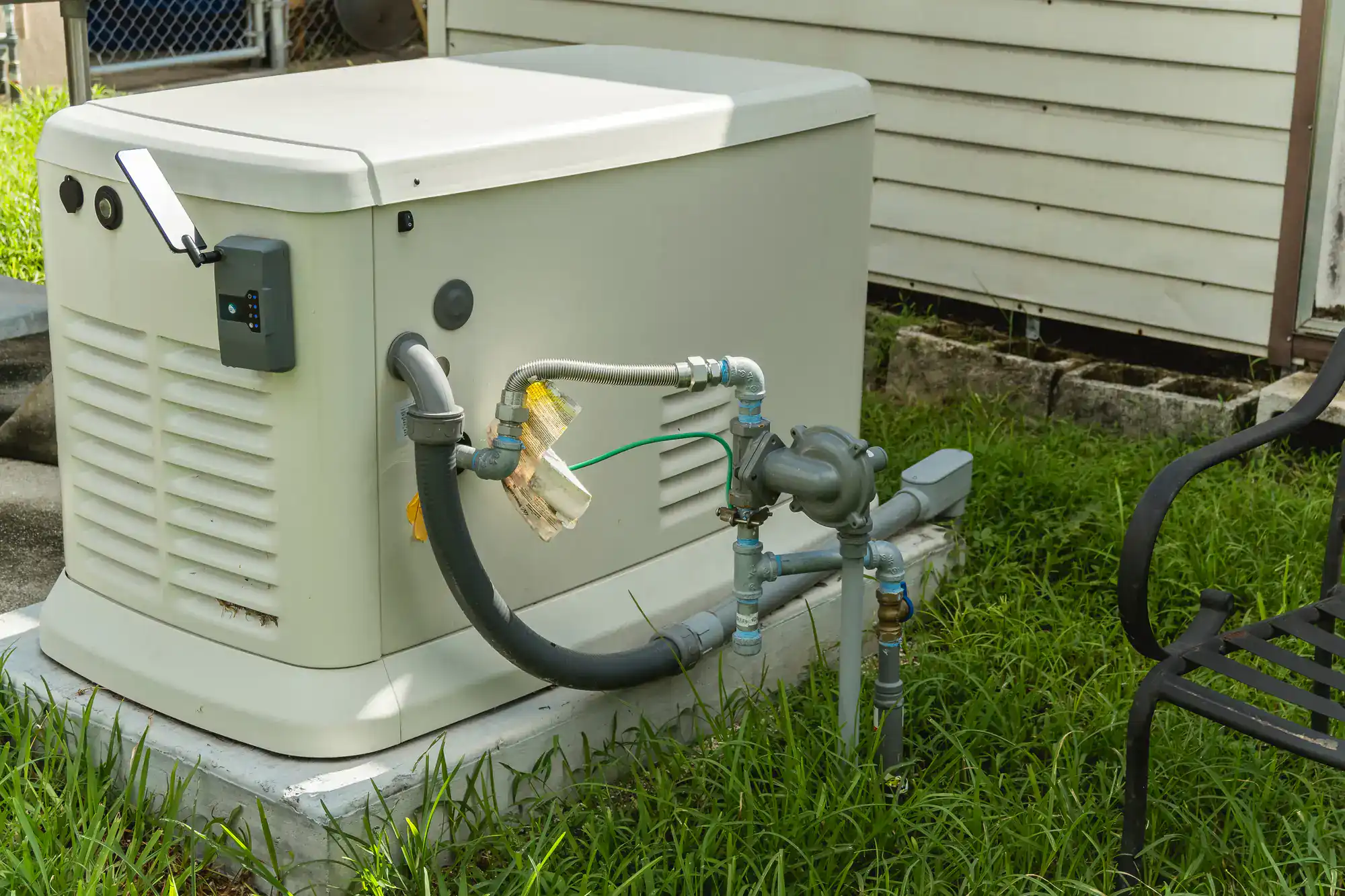
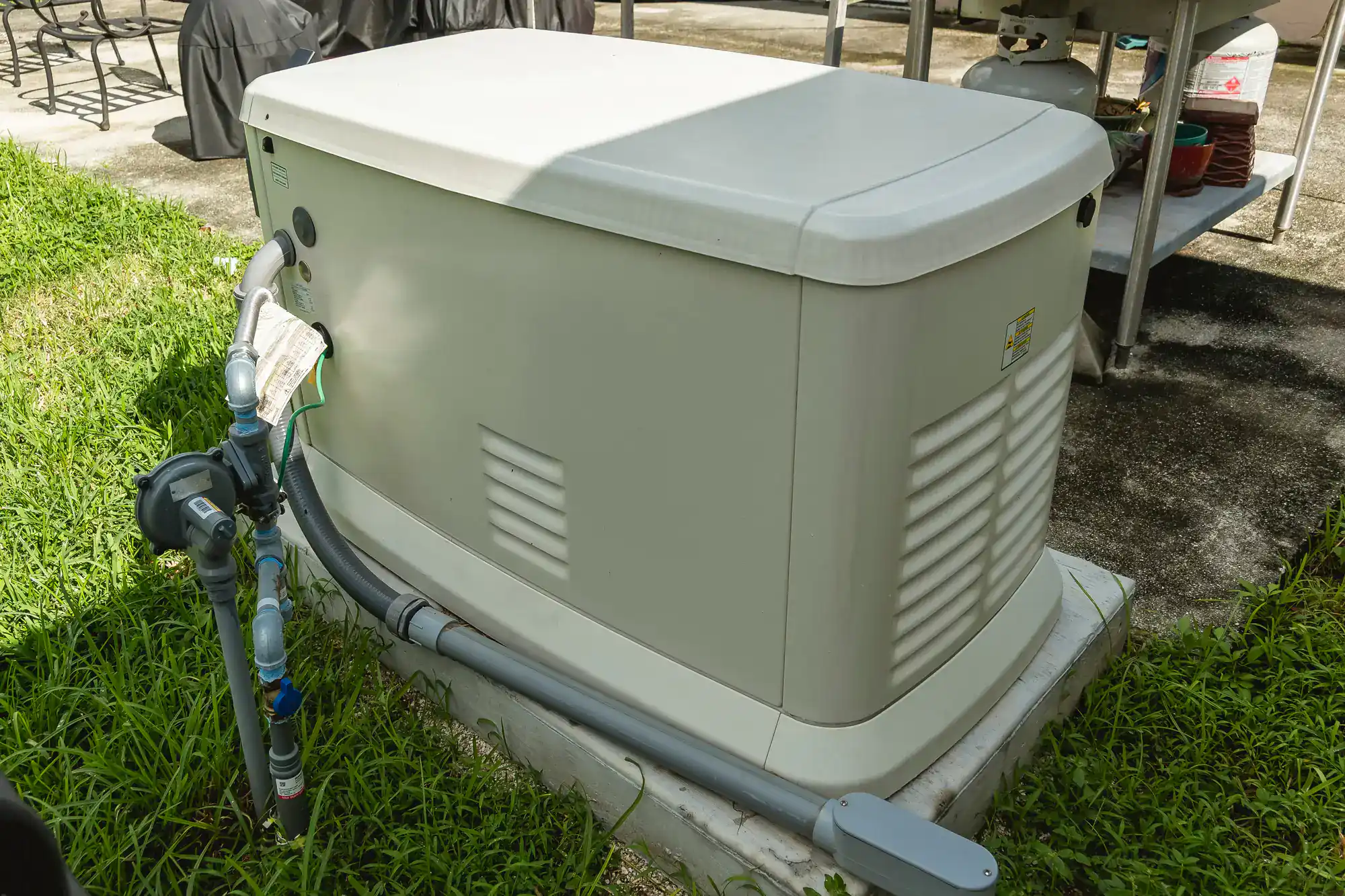
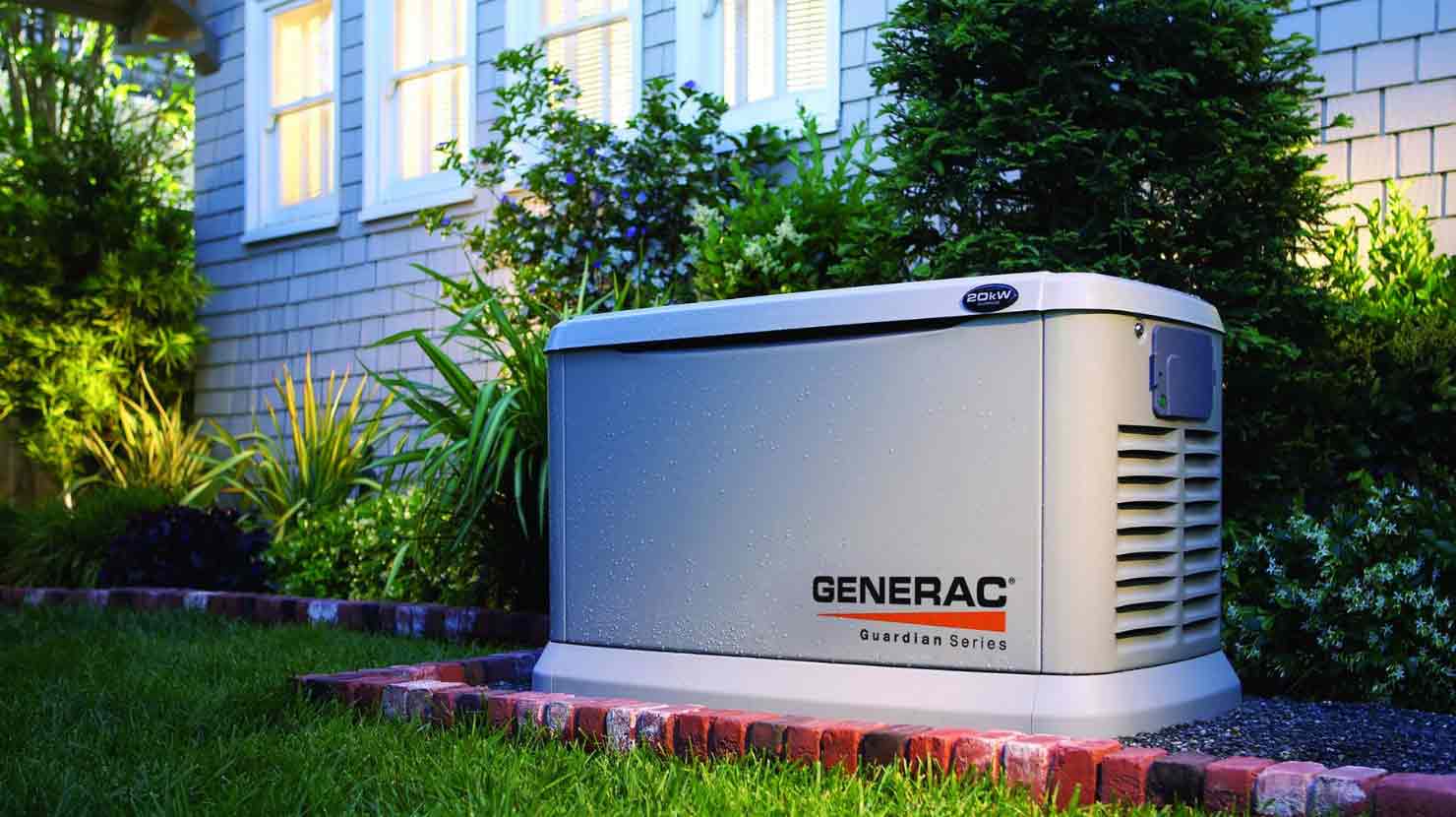
Yes. Our residential generator repair in Westerly, RI typically involves standby units that power homes during outages—usually in the 10kW to 22kW range. These systems run on natural gas or propane and kick on automatically when the power drops.
Our commercial generator repair in Westerly covers larger units that keep businesses, medical facilities, and industrial sites running. These generators are more complex, often diesel-powered, and need to handle heavier loads for longer periods. They also require more frequent maintenance because downtime for a business isn’t just inconvenient—it’s expensive.
Whether it’s a home backup system or a commercial standby generator, the diagnostic process is similar. We check the battery, fuel system, cooling system, and electrical connections. We test under load to make sure the unit produces clean, stable power. And we fix what’s broken without overselling parts or services you don’t need. The goal is the same: reliable power when the grid goes down.
It depends on what’s wrong. Simple fixes—replacing a battery, cleaning a clogged air filter, topping off coolant—can be done in under an hour. If the issue is more involved, like a faulty voltage regulator, a fuel pump replacement, or a transfer switch problem, it might take a few hours or require ordering a part.
Emergency repairs during an active outage get priority. If your generator fails while the power’s out, we do everything we can to get it running the same day. That’s not always possible if a part needs to be ordered, but most common failures can be resolved quickly once we know what we’re dealing with.
For non-emergency repairs, we’ll give you a timeline upfront. If we need to order a part, we’ll let you know how long it’ll take and what it’ll cost before we proceed. No surprises. The goal is to get your generator back online as fast as possible so you’re ready for the next outage.
If your generator is relatively new and the repair is straightforward—battery, filter, fuel system issue—fixing it makes sense. These repairs are affordable and get you back up and running quickly. Even bigger repairs like replacing a voltage regulator or starter motor are usually cheaper than buying a new unit.
Replacement makes more sense if your generator is old, has recurring problems, or needs a major engine repair that costs more than half the price of a new unit. If you’re constantly calling for fixes, or if parts are getting hard to find, it’s time to consider an upgrade.
We can give you an honest assessment. We’ll tell you if a repair is worth it or if you’re better off replacing the unit. We’re not in the business of selling you something you don’t need, but we’re also not going to patch up a failing generator that’ll leave you in the dark six months from now.