

For over 30 years, we’ve powered Rhode Island with expert electrical services delivered with a personal touch. Discover our story and commitment to quality.
Contact Info
- List Item
For over 30 years, we’ve powered Rhode Island with expert electrical services delivered with a personal touch. Discover our story and commitment to quality.
Contact Info
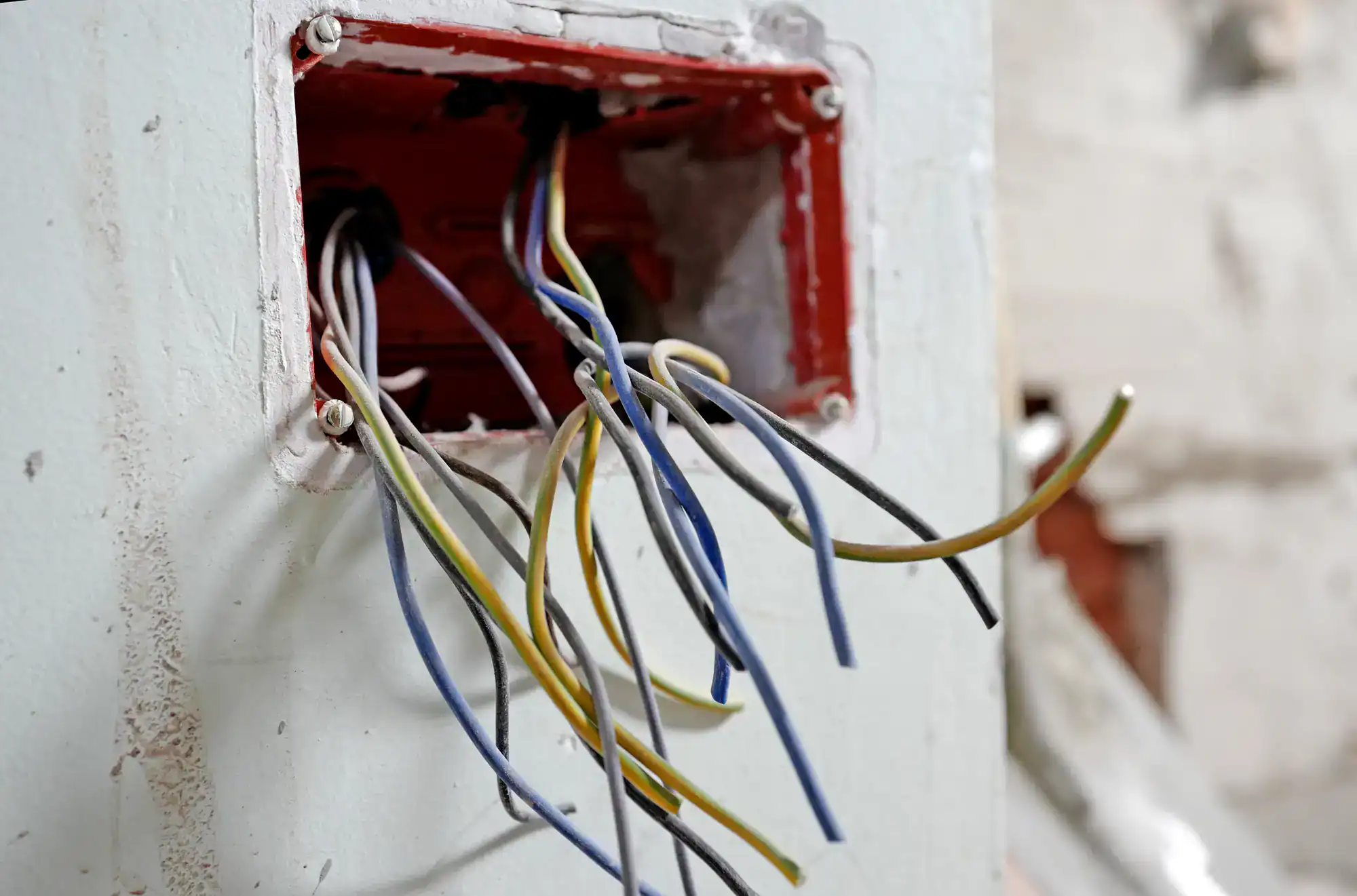
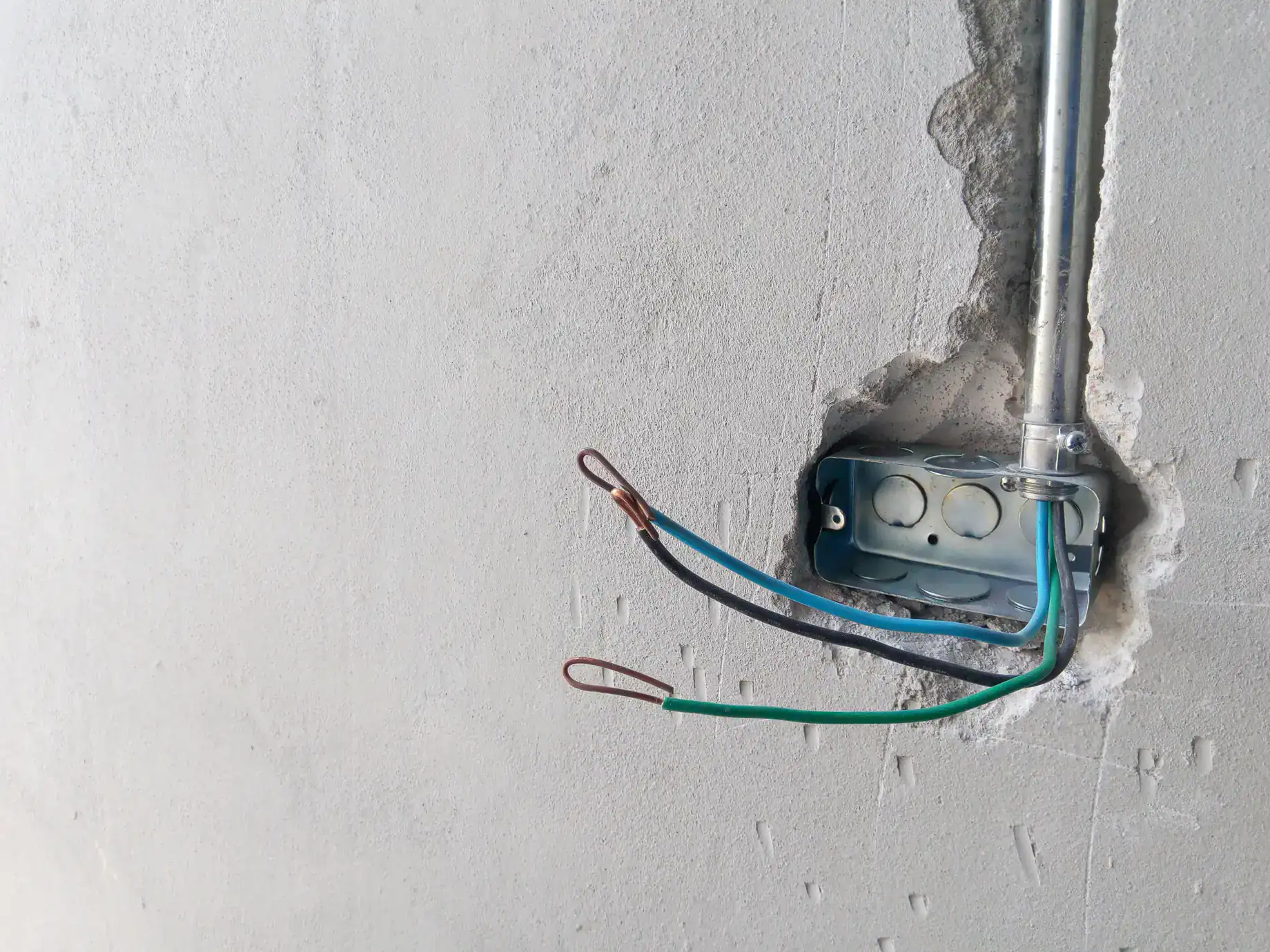
Your insurance company sent the letter. They want proof the knob and tube wiring is gone, or they’re dropping your coverage. You know the wiring needs to go—it’s a fire hazard, it can’t handle modern electrical loads, and it’s been there since before World War II.
But here’s what’s been stopping you: every electrician you’ve called says they’ll need to open up your walls. That means cutting through horsehair plaster that’s impossible to match, dealing with dust for weeks, and paying someone else to come patch and repaint. It’s expensive, it’s disruptive, and it doesn’t have to be that way.
We use a specialized camera system that goes through your existing outlets to locate, inspect, and remove knob and tube wiring without opening your walls. The camera shows us exactly where the wiring runs, where junction boxes are hidden, and whether there’s any damage from rodents or age. Then we pull it out—cleanly, completely, and without tearing up your plaster.
You get documentation for your insurance company. You get a safer home. And you keep your walls intact.
We’ve been handling knob and tube wiring removal across Rhode Island for years, and we’ve worked in enough historic homes to know what you’re up against. Westerly has one of the highest concentrations of pre-1940s homes in the state—over 25% of the housing stock. That means horsehair plaster, original woodwork, and wiring that was never designed for the way you live now.
We’re licensed master electricians, and we developed our camera-based system specifically because traditional methods destroy what makes these homes worth preserving. You’re not just getting an electrician who knows how to pull wire. You’re working with people who understand that your home’s character matters, and that cutting it apart isn’t an acceptable solution.
Most of our clients come to us after their insurance company gives them 30 days to remove the knob and tube wiring or lose coverage. We’ve helped hundreds of homeowners get their coverage reinstated without the nightmare of wall repairs.

We start with an inspection using our specialized camera system. The camera goes through your outlets and light fixtures to map out where the knob and tube wiring runs inside your walls. We’re looking at the condition of the insulation, checking for junction boxes that might be buried, and identifying any damage from mice or moisture.
Once we know what we’re dealing with, we remove the old wiring by pulling it through the existing pathways in your walls. No cutting. No notching. In rare cases where access is limited, we might make a small opening—but we’re talking about minimal intervention, not the kind of demolition other electricians consider standard practice.
After the old wiring is out, we install new wiring that meets current electrical code. Everything gets tested and inspected. You get documentation showing the work was completed by licensed electricians, which is exactly what your insurance company needs to see.
The whole process typically takes a few days depending on the size of your home. You’re not living in a construction zone for weeks. You’re not dealing with plaster dust settling into every corner. And when we’re done, your walls look the same as they did before we started.

Ready to get started?
The camera system is the difference. Other electricians don’t have this equipment, so they default to the old method: open the walls, pull the wire, patch everything back up. That approach works, but it’s destructive and expensive—especially in homes with horsehair plaster that can crumble when you start cutting into it.
Our camera lets us see inside your walls without opening them. We can identify exactly where the wiring is, spot problems like covered junction boxes or damaged insulation, and plan the removal without guesswork. That means we’re not making exploratory cuts or tearing out more wall than necessary.
This matters in Westerly because so many homes here were built in the early 1900s with materials and craftsmanship you can’t replicate today. Horsehair plaster is incredibly difficult to match. If it gets damaged, you’re looking at either a poor patch job that’s obvious forever, or a full replaster that costs more than the electrical work itself.
We’ve worked in enough of these homes to know that preserving the original plaster isn’t just about aesthetics. It’s about maintaining your property value and avoiding repairs that spiral out of control. When you’re dealing with a home that’s over 100 years old, the less invasive the work, the better.

Yes. Insurance companies in Rhode Island want proof that a licensed electrician removed the knob and tube wiring and replaced it with code-compliant wiring. They don’t care how it was removed—they care that it’s gone and that the work was done properly.
We provide full documentation after every job, including photos, inspection reports, and a letter confirming the removal. That’s what you submit to your insurance company. Most of our clients get their coverage reinstated within days of sending that documentation.
The key is working with licensed master electricians who know what insurance companies require. We’ve done this enough times to know exactly what paperwork they need, and we make sure you have everything before we leave.
With our camera system, you should expect little to no wall damage. That’s the entire point of using this technology—we’re not cutting exploratory holes or opening up walls to find the wiring. The camera shows us where everything is before we start.
In most cases, we remove the wiring entirely through existing outlets and fixtures. If we do need to make a small access point, it’s minimal—think a small notch, not a gaping hole. And it’s rare.
Compare that to traditional methods where electricians routinely cut large sections of wall to access the wiring. You’re looking at significant plaster repair, repainting, and in older homes with horsehair plaster, the risk of the surrounding plaster cracking or crumbling. Our approach avoids all of that, which is why homeowners with historic properties specifically seek us out.
Yes, and this is exactly the type of work our camera system was designed for. Horsehair plaster is common in Westerly’s older homes, and it’s notoriously difficult to work with. It’s brittle, it doesn’t patch well, and once you start cutting into it, you risk damaging a much larger area than you intended.
Traditional knob and tube removal methods require cutting into walls, which almost always leads to plaster damage. Then you’re stuck trying to find someone who can match 100-year-old plaster—and even if you do, it’s expensive and the results are rarely seamless.
Our camera goes through your existing outlets to inspect and locate the wiring without touching the plaster. We pull the old wiring out through the same pathways it was originally run through. Your horsehair plaster stays intact, and you avoid the headache of trying to repair or match it. For historic homes, this is the only method that makes sense.
The camera inspection gives us a complete picture of what’s happening inside your walls before we start any work. We’re looking at the condition of the knob and tube wiring itself—whether the insulation is deteriorating, whether there’s any charring or heat damage, and whether the wiring is still securely fastened or sagging.
We also check for hidden junction boxes, which are common in older homes and can be a code violation if they’re covered up. The camera shows us where those boxes are so we can address them properly. And we’re looking for any signs of rodent damage, which is more common than most homeowners realize. Mice love to chew through old wiring insulation.
All of this information helps us plan the removal more efficiently and safely. We’re not guessing where the wiring runs or making assumptions about its condition. We know exactly what we’re dealing with before we touch anything, which means fewer surprises and a cleaner job overall.
Most knob and tube wiring removal projects take between a few days and a week, depending on the size of your home and how much wiring needs to be replaced. A typical single-family home in Westerly can usually be completed in three to five days.
The timeline is shorter with our camera system because we’re not spending time opening walls, making exploratory cuts, or coordinating with plasterers to repair damage afterward. We inspect, remove, replace, and test—all without the demolition phase that adds days or weeks to traditional electrical work.
You’ll have some disruption while we’re working—we need access to outlets, fixtures, and your electrical panel—but you’re not living in a construction zone. There’s no drywall dust, no major cleanup, and no waiting for repairs to be scheduled after we leave. When the electrical work is done, we’re done.
Insurance companies see knob and tube wiring as a fire risk, and they’re not wrong. The wiring itself was fine when it was installed 80 to 100 years ago, but the insulation deteriorates over time. As it breaks down, the wiring becomes exposed, which increases the chance of a short circuit or electrical fire.
On top of that, knob and tube wiring wasn’t designed to handle the electrical load of a modern home. You’ve got computers, kitchen appliances, HVAC systems, and charging devices pulling power in ways that didn’t exist when the wiring was installed. Overloading old wiring is another fire risk.
Most insurance companies in Rhode Island either refuse to cover homes with knob and tube wiring or require you to remove it within 30 days of discovering it. Some will offer coverage but at a significantly higher premium. Either way, removing the wiring eliminates the risk and gets you back to standard coverage and rates. We provide the documentation you need to prove the work was done, and most clients see their coverage reinstated within a few days.
Other Services we provide in Westerly