Generator Repair in North Smithfield, RI

Your Generator Works When the Power Goes Out

We’re licensed electricians who fix generators fast in North Smithfield, RI—so you’re not sitting in the dark when the next storm rolls through.
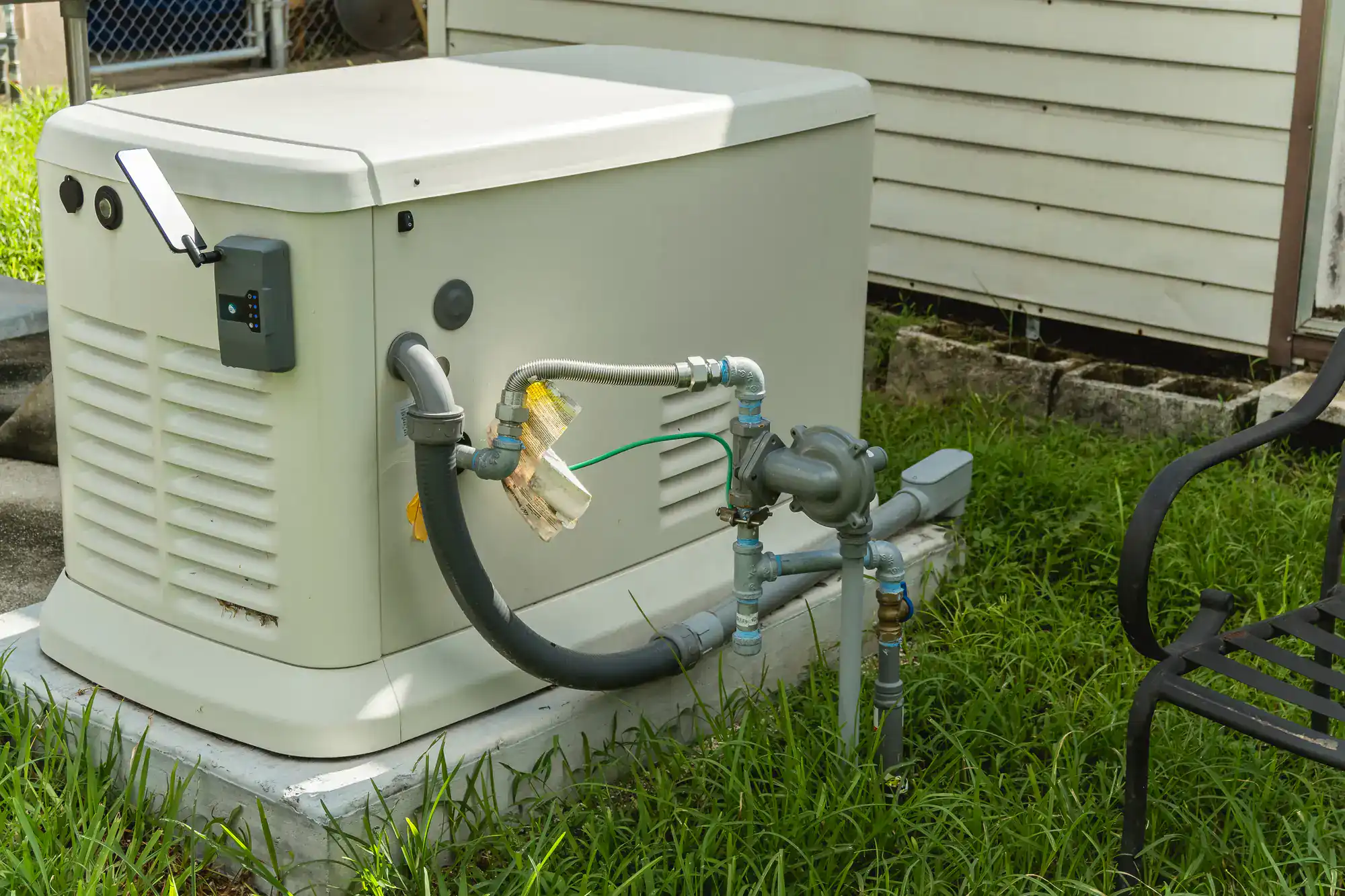
A standby generator, installed by electricians in Providence County, RI, sits on a concrete pad next to a house with electrical and gas connections attached. Overgrown grass surrounds it, and it's located near a black metal bench.
A standby home generator sits on a concrete pad outside in RI, surrounded by grass, with electrical and gas connections professionally installed by electricians Providence County trusts.

Licensed Generator Electrician Repair

You Get Power When Everyone Else Doesn't

When National Grid reports over 3,700 customers without power across Rhode Island—and some waiting three days for restoration—your generator either works or it doesn’t. There’s no middle ground when your heat shuts off in January or your sump pump stops during a Nor’Easter.

Generator repair in North Smithfield, RI means diagnosing what’s actually broken, fixing it right, and testing it under load so you know it’ll start next time. Not guessing. Not replacing parts that don’t need replacing.

You get a system that switches on automatically when the grid goes down. Your fridge stays cold. Your furnace keeps running. Your medical equipment doesn’t lose power. That’s what working backup power looks like—and it’s what you’re paying for.

Generator Service Technician North Smithfield

We've Been Fixing Generators for 30 Years

Lightning Electric has been doing electrical work in Rhode Island since before most generator companies were selling residential units. We’ve seen what breaks, what lasts, and what fails when you need it most.

We’re licensed, insured, and we’ve completed over 1,500 commercial projects across the state. Generator troubleshooting in North Smithfield, RI isn’t new to us—it’s what we do when storms knock out power and homeowners realize their backup system won’t start.

North Smithfield sees the same weather patterns that leave thousands without power every year. We know what that means for your equipment, your home, and your stress level when outages stretch past 24 hours.

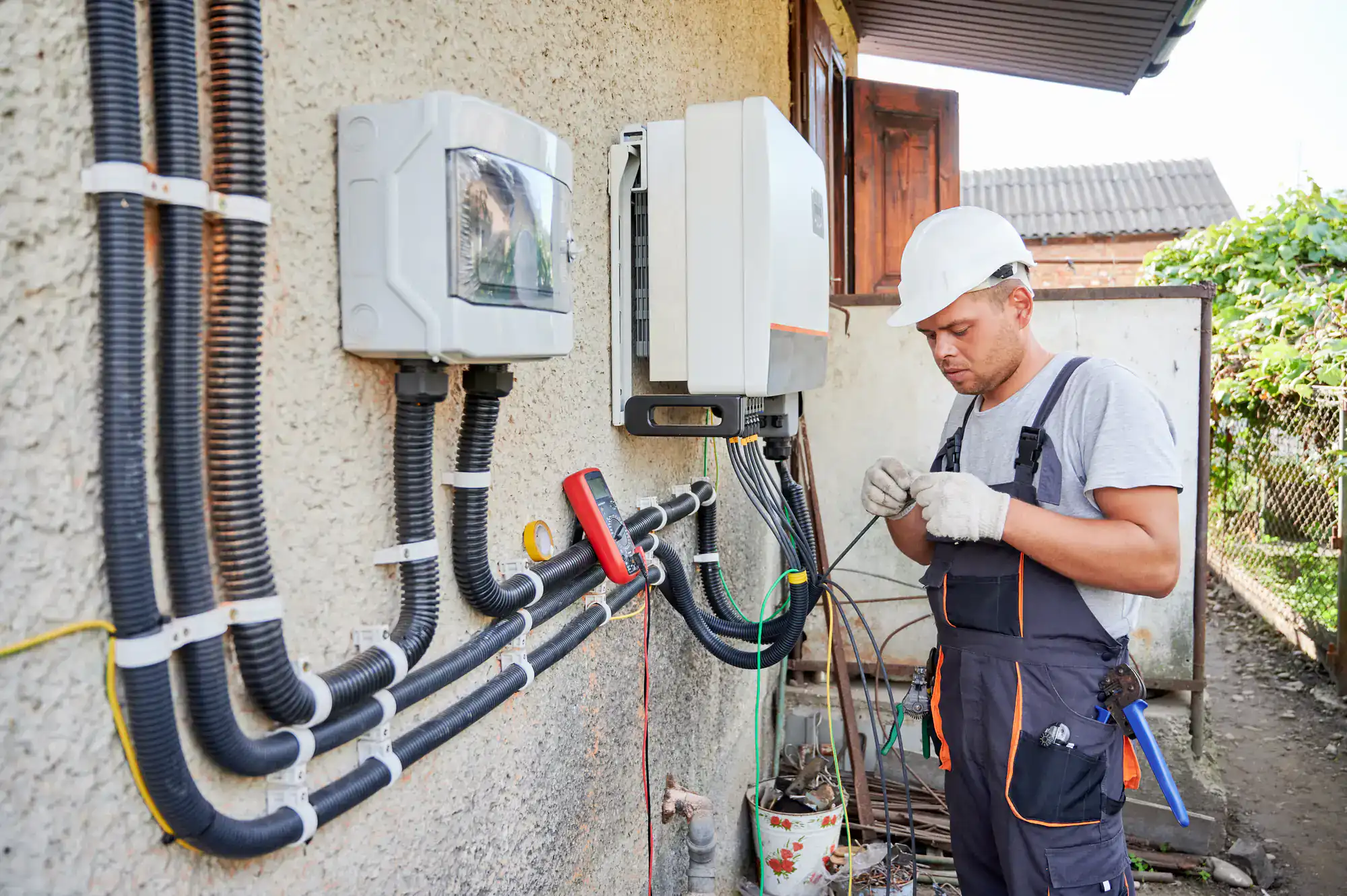
An electrician from electricians Providence County, RI, wearing a white helmet and overalls, works with wires beside an outdoor electrical box mounted on a house wall. Various cables run along the wall and into the box.

Generator Troubleshooting and Repair Process

Here's What Happens When You Call

You call, we schedule a time that works, and a licensed generator service technician shows up with diagnostic equipment—not a clipboard and a guess. We test your transfer switch, check fuel delivery, inspect the control board, and run the system under load to see where it’s failing.

Most generator troubleshooting in North Smithfield, RI comes down to a few common issues: failed batteries, clogged fuel lines, faulty sensors, or transfer switches that won’t engage. We find the actual problem, explain what’s broken in plain terms, and give you a clear repair cost before we do the work.

Once the repair is done, we test the system again to make sure it starts, transfers load properly, and shuts down correctly. You’re not paying for a maybe—you’re paying for a generator that works when the power goes out.

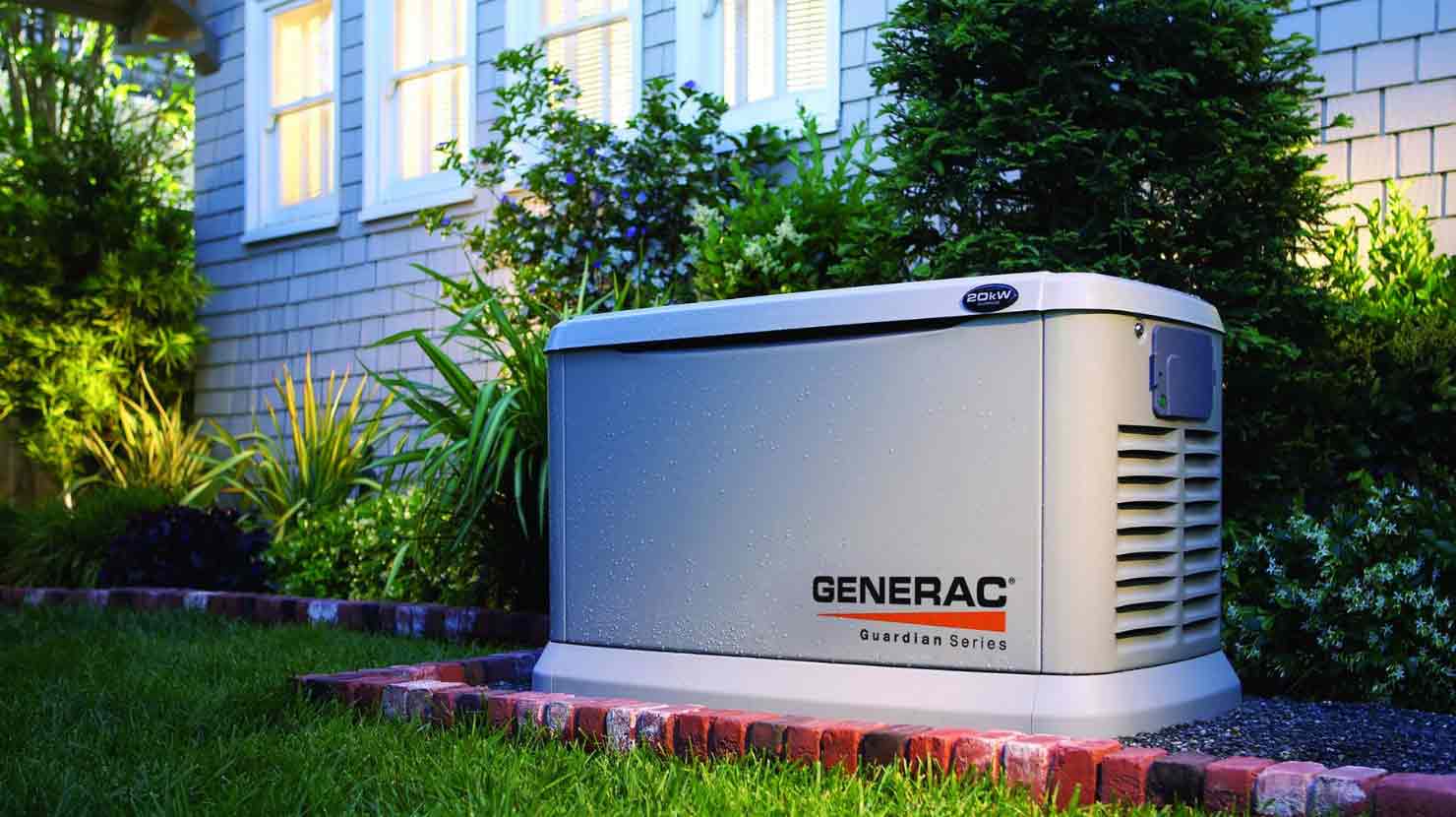
A Generac Guardian Series standby generator sits on mulch beside a brick-sided house in RI, surrounded by green plants and purple flowers near a window—installed expertly by electricians Providence County trusts.

Explore More Services

About Lightning Electric

Residential Generator Repair North Smithfield

What's Included in a Generator Repair

You get a full system diagnostic using the same tools we use on commercial jobs. That means testing voltage output, inspecting wiring and connections, checking fuel systems, and verifying your transfer switch actually transfers when it’s supposed to.

Residential generator repair in North Smithfield, RI also means looking at what caused the failure in the first place. If your generator hasn’t been maintained in three years and it’s full of stale fuel, we’re going to tell you that. If your battery is shot because it’s never been replaced, you’ll know before we leave.

Rhode Island’s power grid ranks 16th nationally for outages and 5th for percentage of customers affected. That’s not changing anytime soon. Your generator needs to be ready for the next storm, not the last one. We make sure it is—and we don’t leave until it’s tested and running.

A Generac Guardian Series standby generator is installed outdoors next to a house in RI, surrounded by green plants and brick edging, with electricians Providence County ensuring safe setup and lights illuminating the area at dusk.

How do I know if my generator needs repair or replacement?

If your generator is less than 15 years old and the frame, engine block, and major components are solid, repair almost always makes more sense than replacement. Most failures come from smaller parts—batteries, control boards, fuel pumps, sensors—that cost a fraction of a new unit.

We’ll tell you straight up if a repair doesn’t make financial sense. If your generator has a cracked block, major rust damage, or it’s so old that parts aren’t available anymore, replacement is the better move. But that’s rare.

What usually happens is this: a homeowner calls because their generator won’t start, we find a failed battery or clogged carburetor, and they’re back up and running for a few hundred dollars instead of dropping $8,000 on a new system. Commercial generator repair in North Smithfield, RI works the same way—fix what’s broken, replace what’s beyond saving.

Dead batteries are number one. Most generators sit idle for months, and if the battery isn’t being maintained or trickle-charged, it won’t have enough juice to crank the engine when the power goes out.

Stale fuel is number two. Gas starts breaking down after about three months, and if your generator hasn’t run in a year, that fuel is gumming up the carburetor and fuel lines. Diesel systems have their own issues with algae growth and water contamination if the tank isn’t maintained.

After that, you’re looking at failed sensors, faulty transfer switches, or control board issues. Sometimes it’s as simple as a tripped breaker or a loose connection. Generator troubleshooting in North Smithfield, RI means checking all of these in order until we find what’s stopping your system from starting.

Depends on what’s broken and whether we have the part on the truck. If it’s a battery replacement or a sensor swap, you’re looking at an hour or two. If we need to order a control board or a transfer switch, you’re waiting on the part—usually a few days to a week depending on the manufacturer.

We carry common parts for most major brands, so simple fixes happen same-day. Larger repairs that need specialized components take longer, but we’ll give you a timeline up front so you’re not guessing.

If your generator fails during a storm and you’re already without power, we prioritize those calls. We can’t make parts appear faster, but we can get a technician out quickly to at least diagnose the problem and give you options while you’re waiting for restoration.

We work on Generac, Kohler, Briggs & Stratton, Cummins, and most other residential and commercial brands installed in North Smithfield, RI. If it’s a standard backup generator with an automatic transfer switch, we’ve likely repaired that model before.

Some older or discontinued models are harder to get parts for, but we’ll track down what’s available and let you know if it’s worth repairing or if you’re better off upgrading. We’re not tied to one manufacturer, so we’re not trying to sell you a specific brand—we just fix what you have.

Portable generators are a different story. We focus on standby systems that are permanently installed and wired into your home’s electrical panel. If you’ve got a portable unit, most small engine shops can handle that faster and cheaper than an electrician.

Once a year, minimum. Twice a year is better if you’re in an area that loses power frequently or if your generator is older than 10 years. Regular maintenance catches small problems before they turn into expensive failures during an outage.

A standard service includes changing the oil and filters, testing the battery, running the system under load, checking the transfer switch, and inspecting fuel lines and connections. It’s the same concept as maintaining your car—you’re preventing breakdowns, not just reacting to them.

Rhode Island sees enough severe weather that your generator isn’t just sitting there for show. It’s going to run multiple times a year, and when it does, you need it to work. Skipping maintenance is how you end up with a generator that won’t start when 42,000 customers are without power and restoration crews are backed up for days.

That’s usually a transfer switch problem. The generator is running, but the switch isn’t transferring the load from the utility to your backup power. It could be a failed relay, a wiring issue, or a control signal that’s not reaching the switch.

Don’t try to force it or manually override the switch unless you know exactly what you’re doing. You can backfeed power into the grid and create a serious safety hazard for line workers trying to restore power in your area. It’s also a good way to fry your generator or your home’s electrical panel.

Call us for licensed generator electrician repair in North Smithfield, RI and let someone with diagnostic equipment figure out why the transfer isn’t happening. It’s usually a fixable problem, but it’s not something you want to guess at when live voltage is involved.

Other Services we provide in North Smithfield