

For over 30 years, we’ve powered Rhode Island with expert electrical services delivered with a personal touch. Discover our story and commitment to quality.
Contact Info
- List Item
For over 30 years, we’ve powered Rhode Island with expert electrical services delivered with a personal touch. Discover our story and commitment to quality.
Contact Info
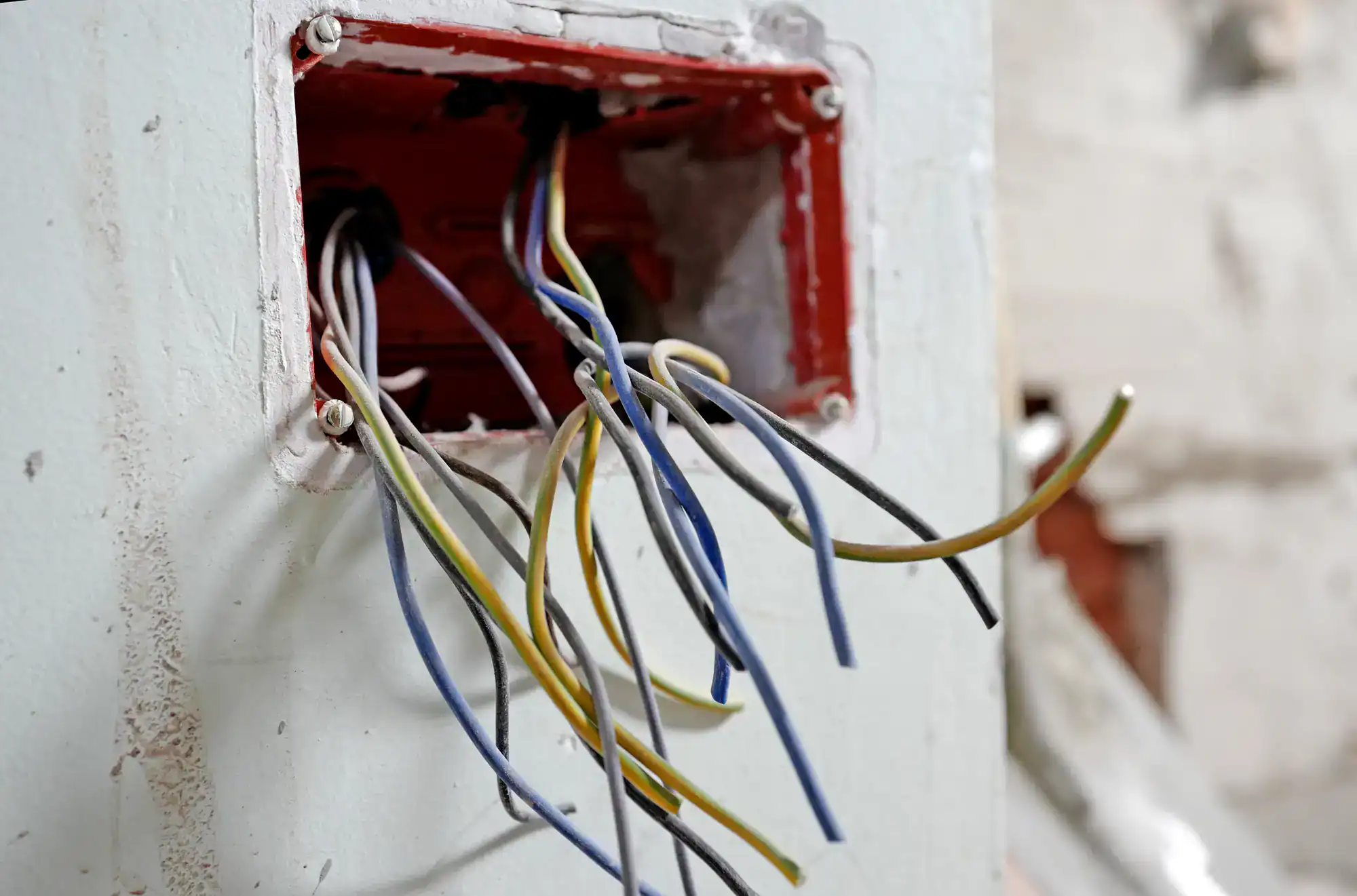
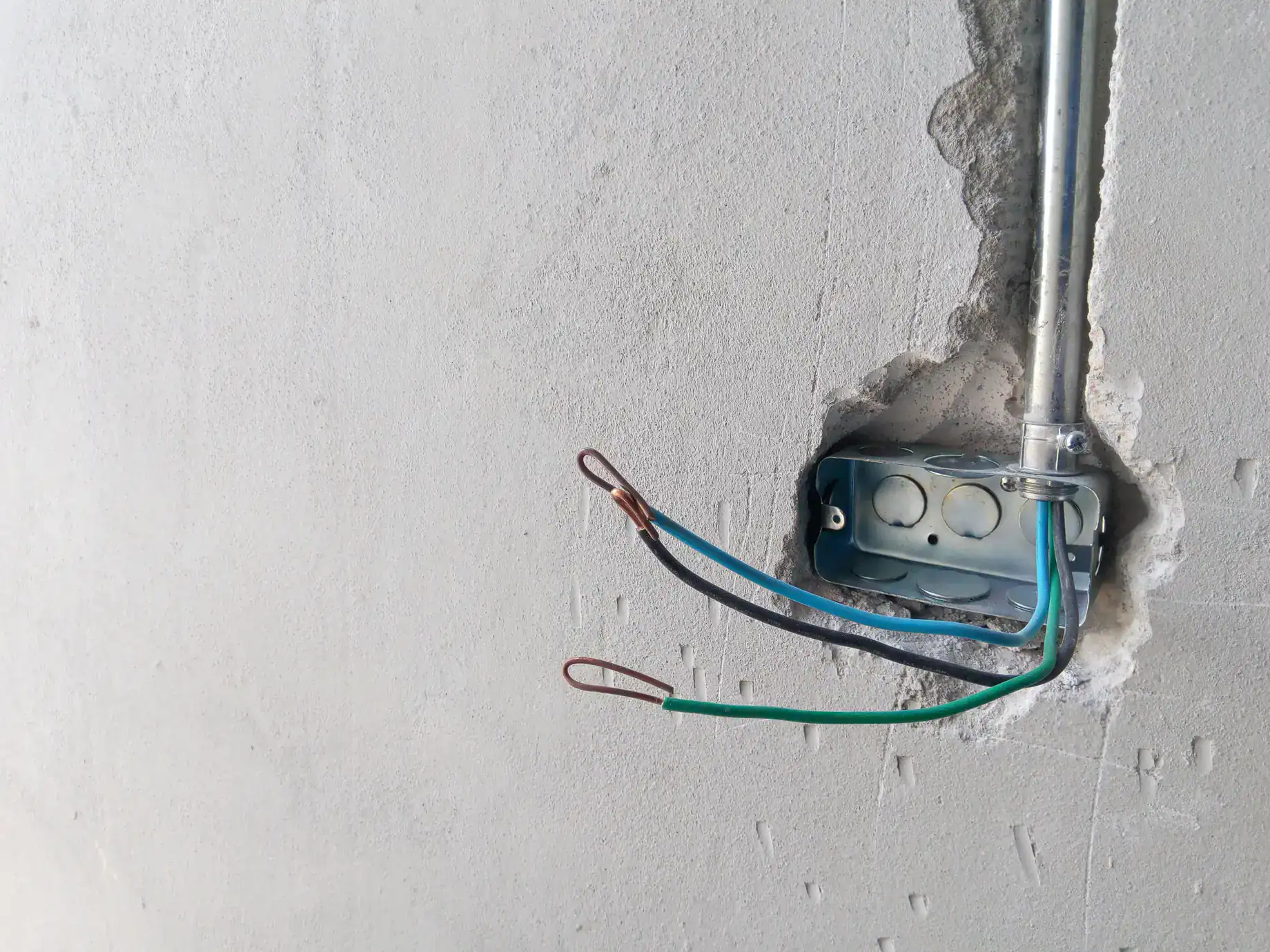
Your insurance company sent a letter. They found knob and tube wiring during the inspection, and now they’re threatening to drop your coverage or jack up your premium. You need it gone, but every electrician you’ve called wants to cut open your walls, and you know what that means for your horsehair plaster—damage that’s nearly impossible to match or repair correctly.
Here’s what changes after we handle your knob and tube wiring removal. Your insurance company gets the documentation they need to restore your coverage. Your home’s electrical system can actually handle modern appliances without overheating or tripping breakers. Most importantly, your walls stay intact—no cutting, no major repairs, no construction zone that lasts for weeks.
We use a specialized camera system that goes through your existing outlets to locate and remove old wiring from inside your walls. That means little to no damage. If there’s any mark at all, it’s minimal—nothing like the destruction you’d see from traditional methods. This matters especially in North Smithfield’s older homes, where original plaster and historic details are irreplaceable.
We’ve worked in half the historic homes across Rhode Island. We’re not general electricians who occasionally deal with old wiring—this is what we do. North Smithfield has its share of Colonial and Cape-style homes built before 1950, and most of them still have knob and tube wiring hiding in the walls.
We invested in camera inspection technology specifically because we got tired of watching other contractors destroy beautiful plaster just to pull out old wire. Our process was designed for homes like yours—places where the walls matter as much as the wiring. We’re licensed master electricians and members of the Rhode Island Electrical Inspectors IAEI Roger Williams Chapter, and we carry full insurance documentation that we provide to your insurance company when the job’s done.

We start with a camera inspection. We insert a specialized camera through your existing outlets and switches to see inside your walls without cutting anything open. This camera shows us where the knob and tube wiring runs, where it connects, and whether there’s any damage from pests or deterioration. We’re also looking for covered junction boxes and open joints that create fire hazards.
Once we map out the wiring, we remove it through the same access points—your outlets and switches. The camera system lets us work from inside the wall cavity, so we’re not cutting, notching, or tearing into your horsehair plaster. In rare cases where we need a small access point, we’re talking about a minimal notch—nothing that requires a plasterer to come in and try to match 100-year-old materials.
After the old wiring is out, we install modern, grounded electrical circuits that meet current code. You get updated outlets, proper grounding for safety, and the capacity to run your appliances, electronics, and HVAC without overloading the system. Then we provide you with inspection certificates and insurance documentation so you can send proof to your insurance company and close the loop on coverage.

Ready to get started?
This isn’t just about pulling out old wire. When we remove knob and tube wiring, we’re upgrading your entire electrical system to handle the way you actually live. That means new grounded circuits, modern breaker panels if needed, and outlets that can support everything from window AC units to home offices.
In North Smithfield, a lot of the homes we work in were built in the early 1900s. These houses have horsehair plaster walls, hand-hewn beams, and details you can’t replicate with modern materials. Our camera-based process protects all of that. We’ve seen what happens when a typical electrician goes in with a sawzall and “promises to patch it later”—it never looks right, and it costs you thousands in repairs that still don’t match the original.
During the inspection, our camera identifies problems most electricians would never find without opening walls—mouse damage, faulty connections, old junction boxes that were covered over during past renovations. We document everything, remove the hazards, and replace the system with wiring that’ll last another 50 years. And because we’re local and we understand Rhode Island’s insurance market, we know exactly what paperwork your carrier needs to reinstate your coverage or reduce your premium.

Not with our camera system. Traditional electricians cut open walls because they have no way to see inside them—they’re guessing where the wiring runs, and they need access to pull it out. That approach destroys horsehair plaster, which is nearly impossible to repair or match. The texture, composition, and aging of horsehair plaster make it one of the hardest materials to work with, and most modern plasterers have never even seen it.
We use a specialized camera inspection system that goes through your existing outlets and switches. The camera shows us exactly where the knob and tube wiring is located, how it’s routed, and where the connections are. Then we remove the wiring through those same access points—no cutting, no notching, no damage to your walls. If we do need a small access point in a rare situation, it’s minimal—nothing that requires major plaster repair.
This process was designed specifically for historic homes in Rhode Island where preserving original materials matters. You’re not just avoiding a mess—you’re protecting architectural details that add value to your home and can’t be replaced once they’re gone.
Most homeowners in North Smithfield pay between $12,000 and $36,000 for complete knob and tube wiring removal, depending on the size of the home and how accessible the wiring is. A smaller Cape might come in on the lower end, while a larger Colonial with multiple stories and complex routing will cost more. The price includes the camera inspection, removal of all knob and tube wiring, installation of modern grounded circuits, and the documentation your insurance company requires.
Here’s why our process often saves you money even if the upfront cost seems similar to traditional methods: you’re not paying a plasterer to come in after we leave. You’re not dealing with weeks of drywall dust, repairs, and repainting. You’re not trying to match 100-year-old horsehair plaster that no one knows how to replicate anymore. All of that adds up fast—sometimes thousands of dollars on top of the electrical work.
The other cost to consider is what happens if you don’t remove the wiring. Most insurance companies in Rhode Island either refuse to cover homes with knob and tube wiring or charge significantly higher premiums. If you’re trying to sell, buyers will either walk away or demand a price reduction that’s often more than the cost of removal. Getting it done now protects your investment and eliminates the insurance headache.
Insurance companies see knob and tube wiring as a fire risk, and they’re not wrong. The system was designed in the early 1900s when homes used a fraction of the electricity we use today. Knob and tube wiring has no ground wire, which means no protection against electrical shock or surges. The insulation around the wires deteriorates over time, and the system was never built to handle modern appliances, space heaters, or the electrical load of a typical household today.
Most carriers now ask about knob and tube wiring during the application process, and many will decline coverage outright if they find it. Others will offer coverage but at a much higher premium, or they’ll require you to remove it within a specific timeframe—usually 30 to 90 days. If you don’t meet that deadline, they drop your policy. This has become more common in Rhode Island as insurance companies tighten their underwriting standards for older homes.
Once we remove your knob and tube wiring and install a modern grounded system, we provide inspection certificates and documentation that prove the work was done to code. You send that to your insurance company, and they’ll typically reinstate your coverage or reduce your premium. Some homeowners see their rates drop significantly once the wiring is updated, because the fire risk is gone.
Our camera inspection shows us everything happening inside your walls without opening them up. We’re looking at the condition of the knob and tube wiring—whether the insulation is cracked or deteriorated, whether there are any exposed connections, and how the system is routed through the house. The camera also identifies problems that most electricians would never find without tearing into walls, like mouse damage, faulty splices, or old junction boxes that were covered over during past renovations.
We’re also checking for open joints and connections that create fire hazards. Knob and tube wiring was often modified over the years by homeowners or contractors who didn’t know what they were doing, and those modifications are usually where the biggest safety issues are. The camera lets us document all of this before we start the removal process, so there are no surprises and you know exactly what needs to be fixed.
This inspection is especially valuable in North Smithfield’s older homes, where wiring has been in place for 70 to 100 years. The camera gives us a complete picture of what’s going on inside your walls, and it allows us to remove the wiring strategically without damaging your horsehair plaster or other historic materials. It’s the reason we can do this work without turning your home into a construction site.
You can, but most insurance companies won’t accept a partial removal. They want the entire system gone before they’ll restore full coverage or reduce your premium. If you only remove the wiring in part of the house, you’re still carrying the fire risk and liability that made them concerned in the first place. Some carriers will give you credit for partial work, but it’s rare—and you’ll likely still pay higher premiums until the job is finished.
From a safety perspective, partial removal doesn’t solve the problem either. Knob and tube wiring is ungrounded and outdated throughout the system, so leaving it in place anywhere in your home still means you’re dealing with overloaded circuits, deteriorating insulation, and potential fire hazards. If you’re going to invest in the work, it makes sense to do it completely and eliminate the risk entirely.
The other issue is resale value. If you’re planning to sell your home in the next few years, buyers and their inspectors will find any remaining knob and tube wiring. That becomes a negotiating point, and you’ll either need to remove it before closing or accept a lower offer. Getting it done now—fully—protects your investment and removes the insurance and safety concerns in one shot.
Most knob and tube wiring removal projects in North Smithfield take between three days and two weeks, depending on the size of your home and how complex the wiring is. A smaller Cape with straightforward routing might be done in a few days. A larger Colonial with multiple stories, additions, or tricky access points will take longer. The timeline also depends on whether we’re upgrading your electrical panel or adding new circuits as part of the job.
Because we use a camera system and work through existing outlets, the process is faster than traditional methods. We’re not spending days cutting open walls, pulling wire, and then waiting for plasterers and painters to come in and repair the damage. The actual removal work happens efficiently, and when we’re done, your home looks the same—just with updated, safe electrical wiring inside the walls.
We’ll give you a clear timeline during the estimate so you know what to expect. Most homeowners are surprised by how little disruption there is compared to what they’ve heard from other electricians. You’re not living in a construction zone, you’re not dealing with weeks of dust and repairs, and you’re not trying to find someone who knows how to match your horsehair plaster after it’s been torn apart. The job gets done, your insurance company gets the documentation they need, and you move on.