
Generator Installation in Westerly, RI

Power That Kicks On Before Your Lights Go Out

Automatic backup power for your home in Westerly, RI—installed right, maintained properly, and ready when the next storm hits.
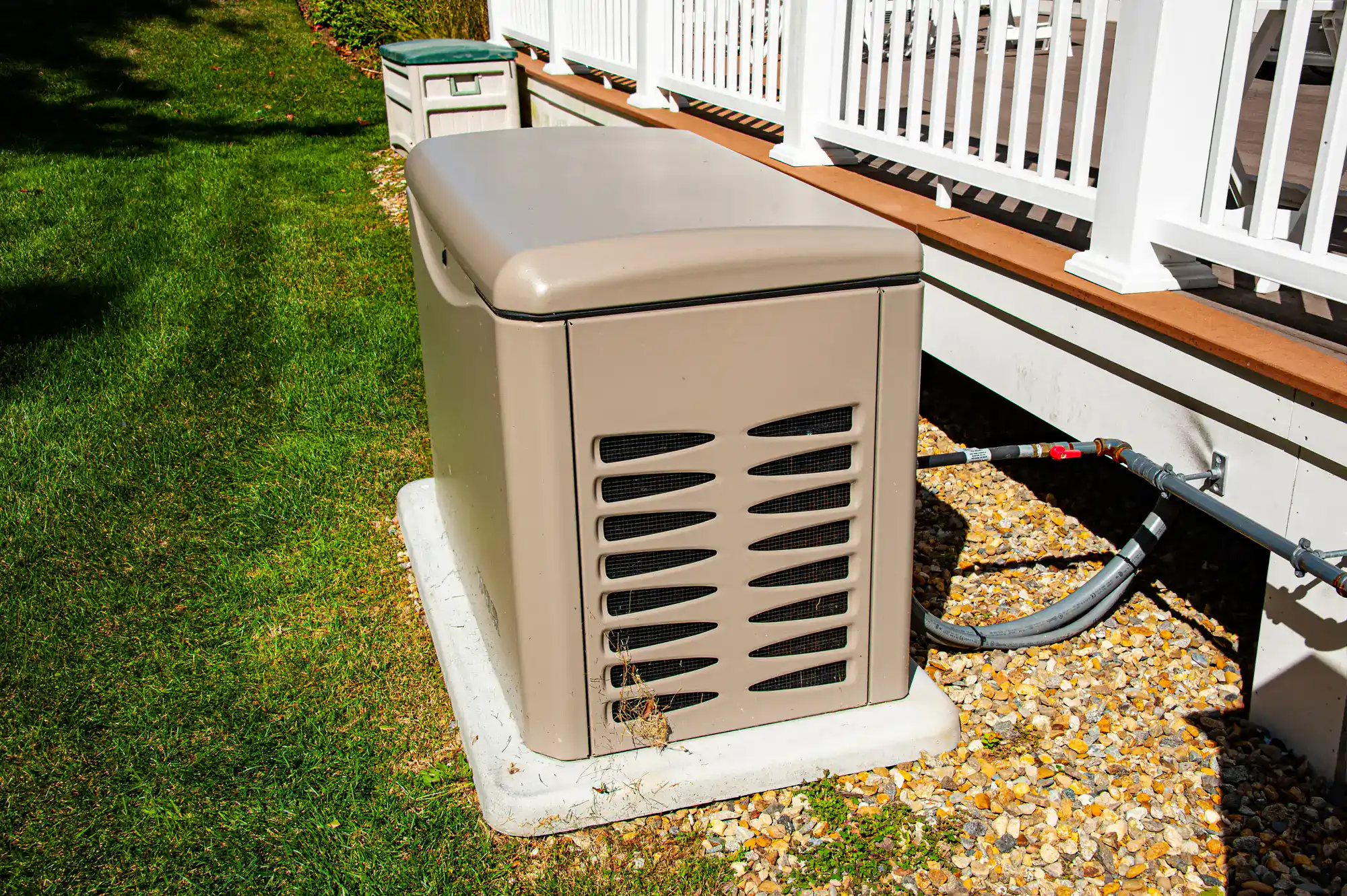
A beige standby generator sits on a concrete pad next to a house with white railing in RI, surrounded by grass and small rocks, with cables connected—installed by skilled electricians Providence County trusts.
A standby home generator, installed by expert electricians in Providence County, RI, sits on a concrete pad next to a house with white siding, a metal outdoor bench, and green grass nearby.

Home Generator Installation Westerly

What Working Backup Power Actually Does for You

Your sump pump keeps running. Your heat stays on. Your fridge doesn’t turn into a science experiment, and you’re not scrambling for a hotel when the power’s out for three days.

That’s what a properly installed standby generator does. It starts automatically within seconds of an outage, runs your essential systems, and shuts itself off when utility power comes back. You don’t flip a switch or go outside in a storm.

In Westerly, where coastal storms and nor’easters regularly knock out power for 20,000+ customers at a time, that’s not a luxury. It’s the difference between riding out the storm at home and dealing with frozen pipes, spoiled food, and a flooded basement because your sump pump quit.

Generator Electrician Westerly, RI

Licensed Electricians Who've Done This Over 1,500 Times

We’ve been installing generators across Rhode Island for over 30 years. We’re a Generac Authorized Dealer, which means factory training, access to parts, and the ability to service what we install.

Our team includes Master Electricians and Electrical Inspector Certified professionals. We’re members of the Rhode Island Electrical Inspectors IAEI, fully licensed and insured, and we handle the entire installation—permits, electrical work, gas line connections, the whole thing.

We’ve completed more than 1,500 commercial projects and hundreds of residential installs in towns like Westerly, where storm-related outages aren’t a question of if, but when. You’re not hiring a handyman with a YouTube account. You’re hiring people who know the code, the equipment, and what actually works in this area.

A person in RI pours green engine oil from a bottle into a blue funnel connected to a yellow portable generator, often used by electricians in Providence County, placed on a concrete surface outdoors.

Standby Generator Installation Westerly

Here's How a Generator Install Actually Happens

First, we come to your property and figure out what size generator you actually need. That depends on what you want to run during an outage—whole house, or just essentials like heat, fridge, sump pump, and a few outlets. We also check your fuel source, electrical panel, and where the unit will sit.

Once you approve the plan, we pull permits and schedule the install. Our electricians run the wiring, connect the automatic transfer switch to your panel, and tie in the fuel line—natural gas or propane, depending on what you’ve got. The generator sits on a concrete pad outside, usually close to your meter and gas line to keep the run short.

After everything’s connected, we test the system to make sure it starts on cue, powers what it’s supposed to, and shuts down cleanly when utility power returns. Then we walk you through how it works, what to listen for, and when to schedule maintenance. The whole process typically takes one to two days, depending on your setup.

An electrician wearing a hard hat and gloves installs or repairs electrical wiring connected to a wall-mounted control box outdoors—a common task for electricians in Providence County, RI, as he handles cables secured in black tubing.

Explore More Services

About Lightning Electric

Commercial Generator Installation Westerly

What's Included in a Turnkey Generator Installation

You get the generator, the automatic transfer switch, all electrical and fuel connections, the concrete pad, permits, inspections, and startup testing. We don’t subcontract the electrical or gas work—our licensed team handles it all.

For homes in Westerly, that usually means a Generac unit sized between 13kW and 26kW, depending on your square footage and what you’re powering. If you’ve got a larger property or want whole-house coverage, we’ll spec accordingly. Commercial installs follow the same process but often require larger units, three-phase power, and more complex transfer switch setups.

Rhode Island gets hit hard during winter storms and hurricane season. February 2026 alone saw outages affecting over 40,000 customers, some lasting multiple days. A standby generator installation in Westerly isn’t about convenience—it’s about keeping your house functional when the grid goes down. That means no frozen pipes, no flooded basements, no spoiled food, and no scrambling for a hotel in the middle of a blizzard.

We also handle generator repair and ongoing maintenance if you want to keep the unit in good shape. Most manufacturers recommend annual service, and we’re set up to do that for any system we install.

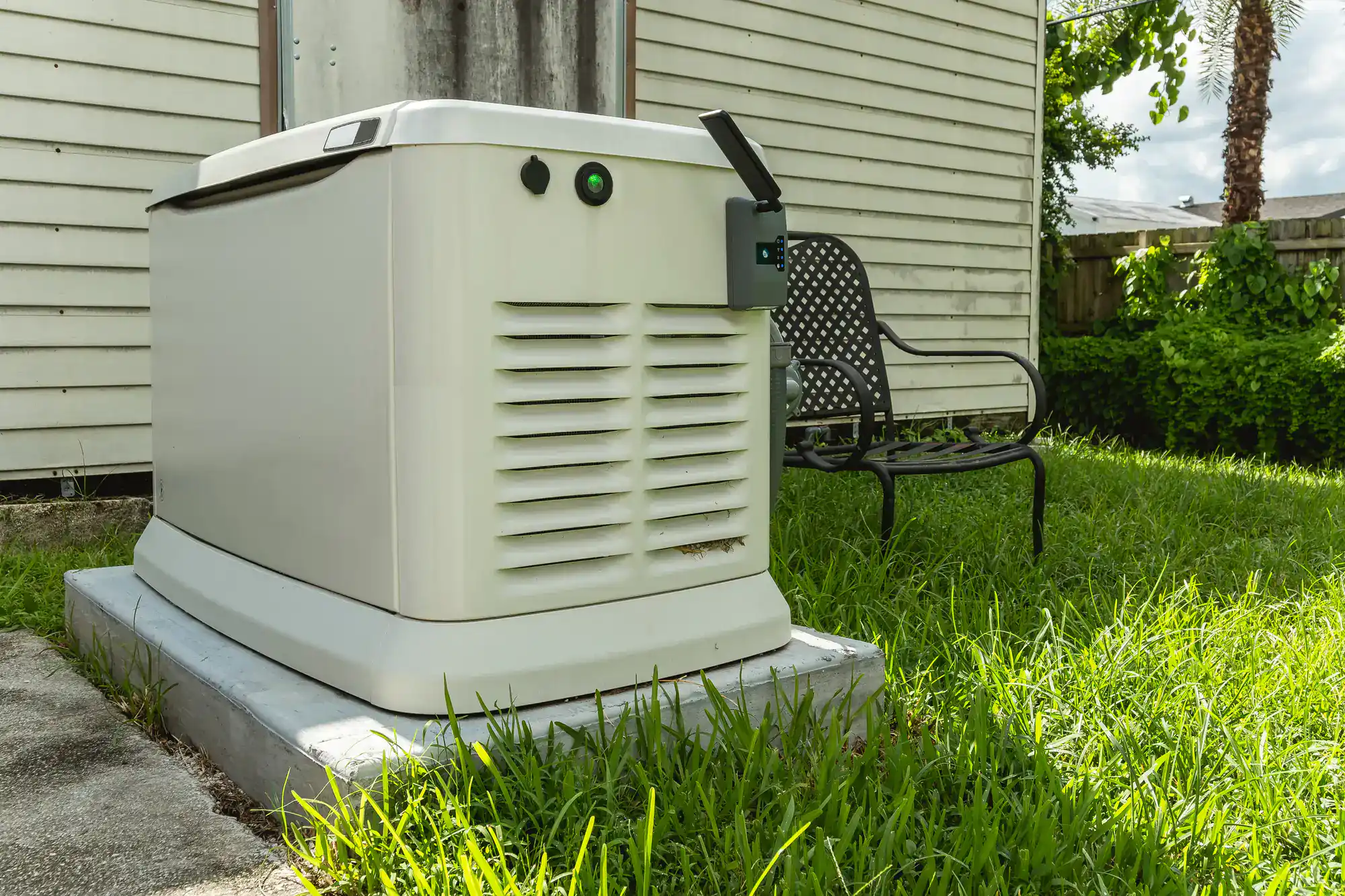
A white standby home generator sits on a concrete pad in a grassy backyard, surrounded by lush green trees and bushes—installed by expert electricians in Providence County, RI.

How long does a home generator installation take in Westerly, RI?

Most residential generator installations take one to two days, depending on your electrical panel setup, fuel source, and how far the generator sits from your gas line or propane tank. If your panel needs an upgrade or we’re running a longer gas line, it might take a bit longer.

We handle the permits before we start, so you’re not waiting on approvals during the install. Once we’re on-site, the work includes setting the concrete pad, mounting the generator, wiring the transfer switch, connecting fuel, and testing the system. We don’t leave until it’s running properly and you know how to use it.

If you’ve got a straightforward setup—existing natural gas, a panel with room for the transfer switch, and a clear spot for the unit—we’re usually done in a day.

It depends on what you want to run during an outage. If you’re covering essentials—heat, fridge, sump pump, a few lights and outlets—a 13kW to 16kW unit usually does the job for most homes. If you want whole-house coverage including central air, multiple appliances, and all your outlets, you’re looking at 20kW to 26kW or higher.

We calculate the load based on your panel, the appliances you’re running, and whether anything has a high startup draw like a well pump or AC compressor. Undersizing a generator means it won’t handle the load. Oversizing it wastes fuel and costs more upfront.

During the site visit, we’ll go through your electrical panel and talk about what matters most to you during a power outage. Then we’ll spec the right unit. Most homes in Westerly with standard heating systems and typical appliance loads fall somewhere in the 16kW to 22kW range.

Yes. Any permanent standby generator installation requires an electrical permit, and depending on your fuel source, you may also need a plumbing or gas permit. We pull those permits as part of the installation, so you don’t have to deal with it.

The local building department will want to see that the work meets National Electrical Code standards, that the transfer switch is wired correctly, and that the fuel connection is safe. We’re familiar with Westerly’s requirements and what the inspectors look for, so the process moves quickly.

Skipping permits might save a few bucks upfront, but it can cause problems later—especially if you sell your home or file an insurance claim related to the generator. We do it right the first time, with everything documented and inspected.

Yes. Generac generators run on either natural gas or propane, and we install both types regularly. If you’ve got a propane tank on your property, we’ll connect the generator to your existing supply. If your tank is on the smaller side, you might need to upgrade to a larger one depending on how much fuel the generator uses.

Propane setups are common in areas where natural gas lines aren’t available, and they work just as reliably. The main difference is that you’ll need to monitor your propane levels, especially during extended outages. A 500-gallon tank can typically run a 20kW generator for several days, but that depends on your load.

We’ll check your current propane setup during the site visit and let you know if you need a bigger tank or a second one. Either way, the installation process is the same—we just connect to propane instead of a gas line.

Generac recommends annual maintenance, and that’s what we suggest too. A yearly service includes changing the oil and filter, checking the battery, inspecting the fuel and cooling systems, and running the unit under load to make sure everything works.

Generators in coastal areas like Westerly can be exposed to salt air and moisture, which means keeping an eye on connections and making sure nothing’s corroding. Most units also run a self-test every week for a few minutes, which helps keep the engine in shape, but that’s not a substitute for real maintenance.

If you skip service, small problems turn into bigger ones—usually right when you need the generator most. We offer maintenance plans for the systems we install, and we can also service generators that other companies put in. It’s a small investment compared to replacing a unit that failed because of a clogged filter or dead battery.

If you’ve got a generator we installed and it goes down during an outage, call us. We provide emergency service seven days a week, and we’ll get a technician out as quickly as we can. Most issues during a storm are related to fuel supply, a tripped breaker, or a battery that didn’t hold a charge—things we can usually fix on-site.

Because we’re a Generac Authorized Dealer, we stock common parts and have access to technical support if something unusual comes up. That’s a big advantage when you’re dealing with an outage and can’t wait three days for a part to ship.

The best way to avoid a breakdown during a storm is regular maintenance. Most failures happen because the unit wasn’t serviced, the oil wasn’t changed, or the battery died. If the generator’s been sitting for a year without a checkup, it might not start when you need it. We’d rather catch that during a service visit than get a call in the middle of a nor’easter.

Other Services we provide in Westerly