For over 30 years, we’ve powered Rhode Island with expert electrical services delivered with a personal touch. Discover our story and commitment to quality.
Contact Info
You’re not worrying about your sump pump failing during the next storm. Your refrigerator keeps running. Your heat stays on when temperatures drop.
Rhode Island ranks 5th nationwide for power outage frequency. When storms roll through West Greenwich, you’re looking at potential multi-day outages. That means frozen pipes that burst, flooded basements from dead sump pumps, and hundreds of dollars in spoiled food.
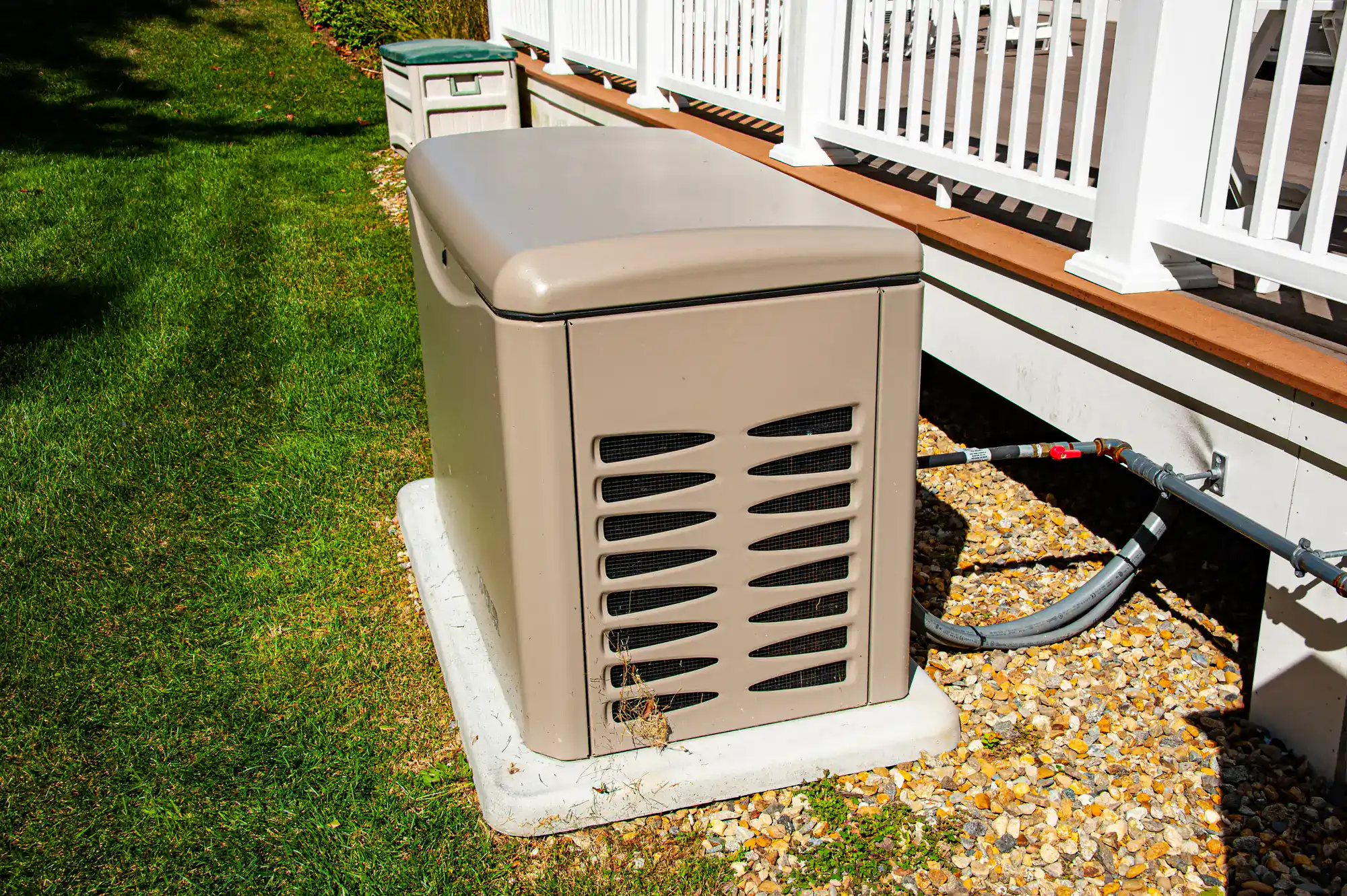
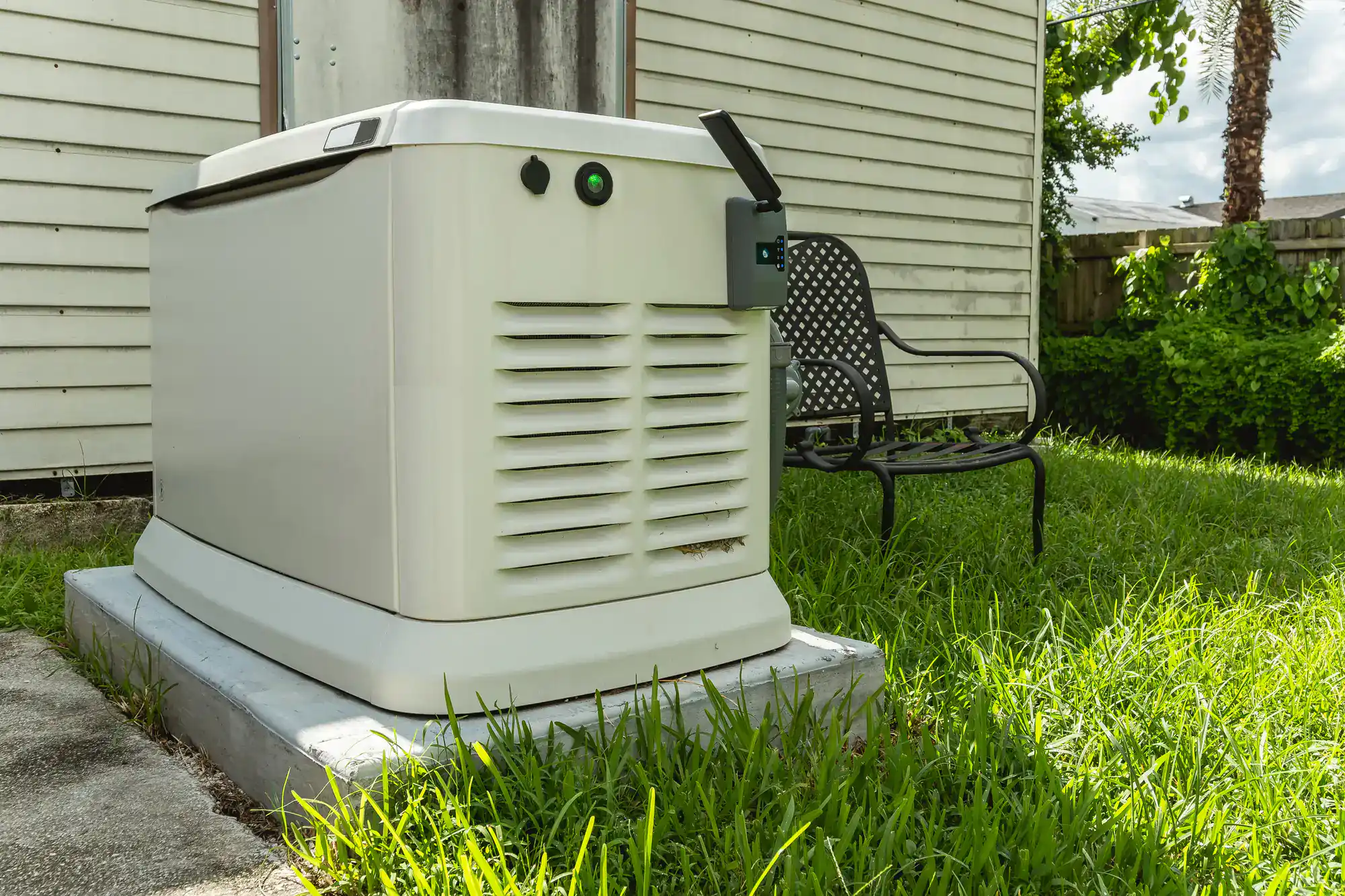
A standby generator installation in West Greenwich changes that equation. The power goes out, your generator kicks on within seconds, and your home keeps running. You’re not scrambling for extension cords or wondering if your pipes will make it through the night. Everything that matters stays powered.
We’ve handled electrical work across Rhode Island for over 30 years. We’re licensed Master Electricians and certified Generac dealers, which means we install your generator according to manufacturer specs and local code requirements.
We’ve completed more than 1,500 commercial projects and countless residential generator installations. When you’re in West Greenwich dealing with storm season, you want someone who understands how Rhode Island weather affects your power and what it takes to keep your home protected. That’s what three decades of local experience gets you.
First, we assess your property and power needs. You tell us what you need to keep running during an outage—whole house or essential circuits—and we size the generator accordingly. This isn’t guesswork. We calculate your actual load requirements.
Next comes the installation itself. We handle the generator placement, concrete pad if needed, gas line connection, and the automatic transfer switch that makes everything work seamlessly. The transfer switch is critical—it’s what detects the outage and signals your generator to start. We install it according to code and test it thoroughly.
After installation, we walk you through how everything operates. You’ll know how to monitor your generator, when it needs maintenance, and what to expect during an actual outage. Then we test the system to make sure it performs exactly as it should when you lose power.
Ready to get started?
You’re getting a complete backup power system, not just a generator dropped on your property. That includes the Generac standby generator sized for your home, professional installation of the automatic transfer switch, all electrical connections completed to code, gas line hookup, and full system testing.
West Greenwich homeowners face the same storm patterns that knocked out power for 100,000 to 150,000 Rhode Island customers during recent winter weather. Your generator installation protects against that. When your neighbors are dealing with outages, your lights stay on and your home stays warm.
We’re also handling the permitting and inspection requirements. Generator installations in Rhode Island need to meet specific electrical codes, and as licensed electricians and certified inspectors, we know exactly what’s required. You’re not navigating that process alone or hoping everything passes inspection.
Most residential generator installations take one to two days from start to finish. Day one typically covers the generator placement, concrete pad installation if needed, and initial electrical work. Day two handles the transfer switch installation, gas line connection, final electrical hookup, and system testing.
Weather can affect the timeline, especially if we’re pouring a concrete pad that needs time to cure. If your electrical panel needs upgrades to handle the transfer switch properly, that adds time too. We’ll give you a realistic timeline during the initial assessment based on your specific property and electrical setup.
The actual installation timeline also depends on permit approval and gas company scheduling for new gas line connections. We coordinate all of that, but utility companies work on their own schedule. Most West Greenwich installations move smoothly through the process without major delays.
Generator sizing depends on what you need to power during an outage. A whole-house generator for a typical West Greenwich home usually ranges from 18kW to 24kW. If you’re only powering essential circuits—furnace, refrigerator, some lights, sump pump—you might only need a 10kW to 14kW unit.
We calculate your actual electrical load before recommending a size. That means looking at your electrical panel, understanding which circuits you want backed up, and accounting for startup surge when motors kick on. Air conditioning, well pumps, and electric heating require more capacity than basic lighting and outlets.
Undersizing costs you later when the generator can’t handle your load. Oversizing wastes money upfront and increases fuel consumption. We size generators based on your real needs, not guesswork. After we assess your property, you’ll know exactly what capacity makes sense for your situation.
Yes, generator installations in West Greenwich require electrical permits and inspections. Rhode Island has specific code requirements for standby generator installations, covering everything from placement distances to transfer switch wiring. As licensed electricians, we handle the permit application and make sure your installation meets all local and state requirements.
The permit process protects you. It ensures your generator is installed safely and correctly, which matters for insurance coverage and future home sales. Inspectors verify that transfer switches are wired properly, generators are positioned at safe distances from windows and air intakes, and all electrical connections meet code.
We coordinate the inspection scheduling and make sure everything passes the first time. You don’t need to understand electrical code or navigate the permit process yourself. That’s part of what you’re getting when you hire licensed professionals for your generator installation.
Complete generator installations in West Greenwich typically range from $8,000 to $15,000, depending on generator size, installation complexity, and whether you need electrical panel upgrades. A basic 10kW generator with straightforward installation sits at the lower end. A 24kW whole-house system with panel upgrades and challenging placement costs more.
Your specific cost depends on several factors: distance from your gas meter to the generator location, whether we need to upgrade your electrical panel, concrete pad requirements, and local permit fees. Properties with easy access and existing adequate electrical service cost less to set up than homes requiring extensive electrical work or difficult generator placement.
We provide detailed quotes after assessing your property. You’ll know exactly what you’re paying for—equipment, labor, permits, electrical work—before we start. No surprises. Many homeowners also see insurance discounts after installation, and properly installed generators can increase home value by 3% to 5%, which offsets some of the initial investment.
That depends on the generator size you choose and how your transfer switch is configured. Whole-house generators are designed to power everything—HVAC, all outlets, appliances, lighting. Partial-house systems power only the circuits you select as essential, like heating, refrigeration, and critical outlets.
Most West Greenwich homeowners choose whole-house coverage because Rhode Island outages can last multiple days during major storms. When you’re facing a three-day power outage in winter, you want your entire home functioning normally, not just a few circuits. The cost difference between partial and whole-house systems is often worth it for the convenience and comfort.
We help you decide what makes sense for your situation. If budget is tight, we can design a system that covers your true essentials now and can be expanded later. If you want complete coverage, we’ll size the generator to handle your full electrical load including startup surges when multiple appliances kick on simultaneously.
Your generator needs annual professional maintenance to stay reliable. That includes oil and filter changes, spark plug inspection and replacement, battery checks, and a full system test under load. Generac recommends professional servicing every year or every 200 hours of operation, whichever comes first.
Between professional services, you should check your generator monthly. Most Generac units run a self-test weekly, which you’ll hear for a few minutes. You’re just confirming it’s running smoothly and checking for any warning lights or error codes. This takes maybe five minutes and catches small issues before they become big problems.
West Greenwich’s climate means your generator sits outside year-round facing humidity, temperature swings, and weather exposure. Regular maintenance keeps it ready to perform when you actually need it. The last thing you want is discovering your generator won’t start during a storm because it hasn’t been maintained. We offer maintenance plans that handle all of this for you on a set schedule.