

For over 30 years, we’ve powered Rhode Island with expert electrical services delivered with a personal touch. Discover our story and commitment to quality.
Contact Info
- List Item
For over 30 years, we’ve powered Rhode Island with expert electrical services delivered with a personal touch. Discover our story and commitment to quality.
Contact Info
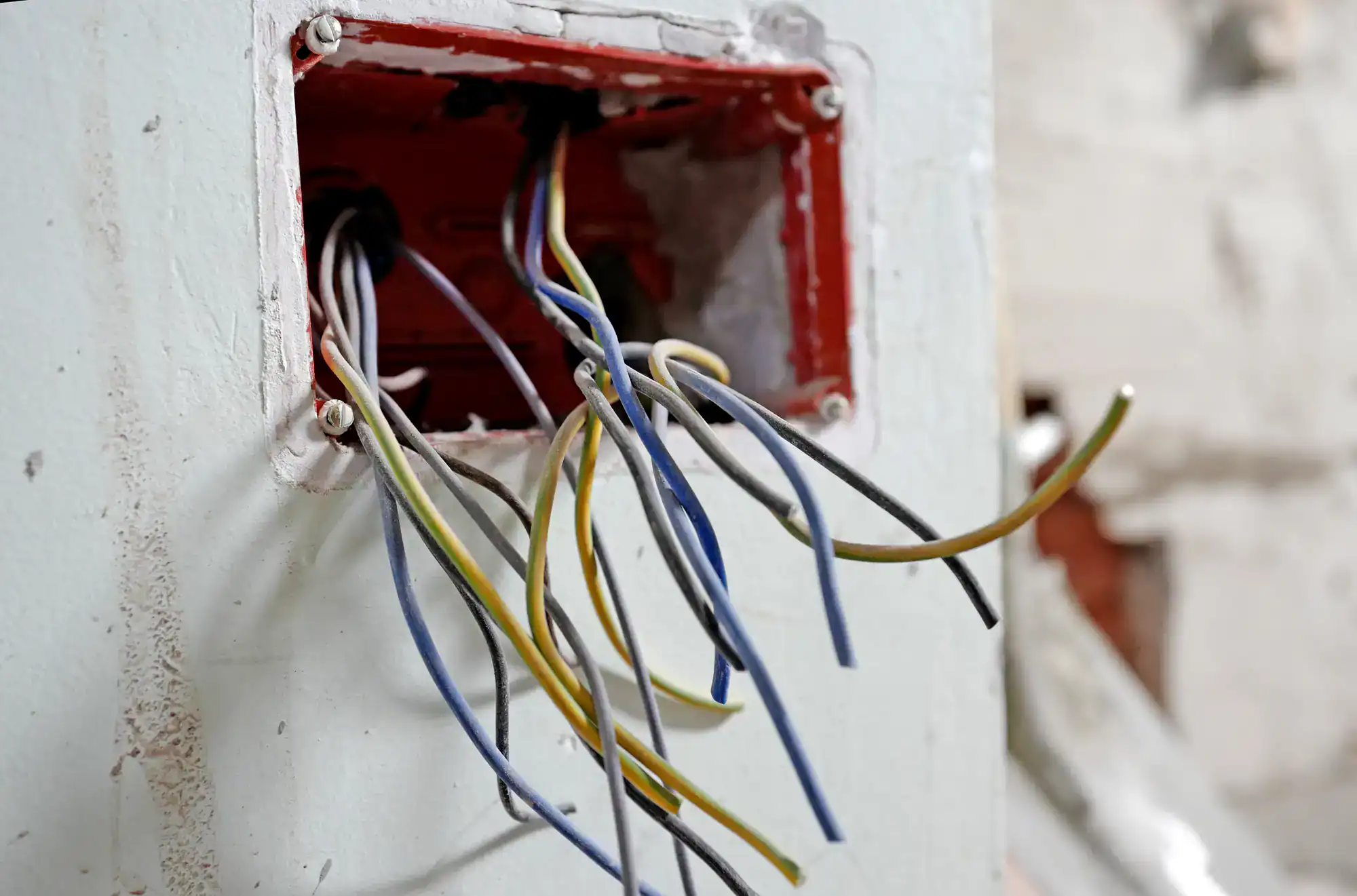
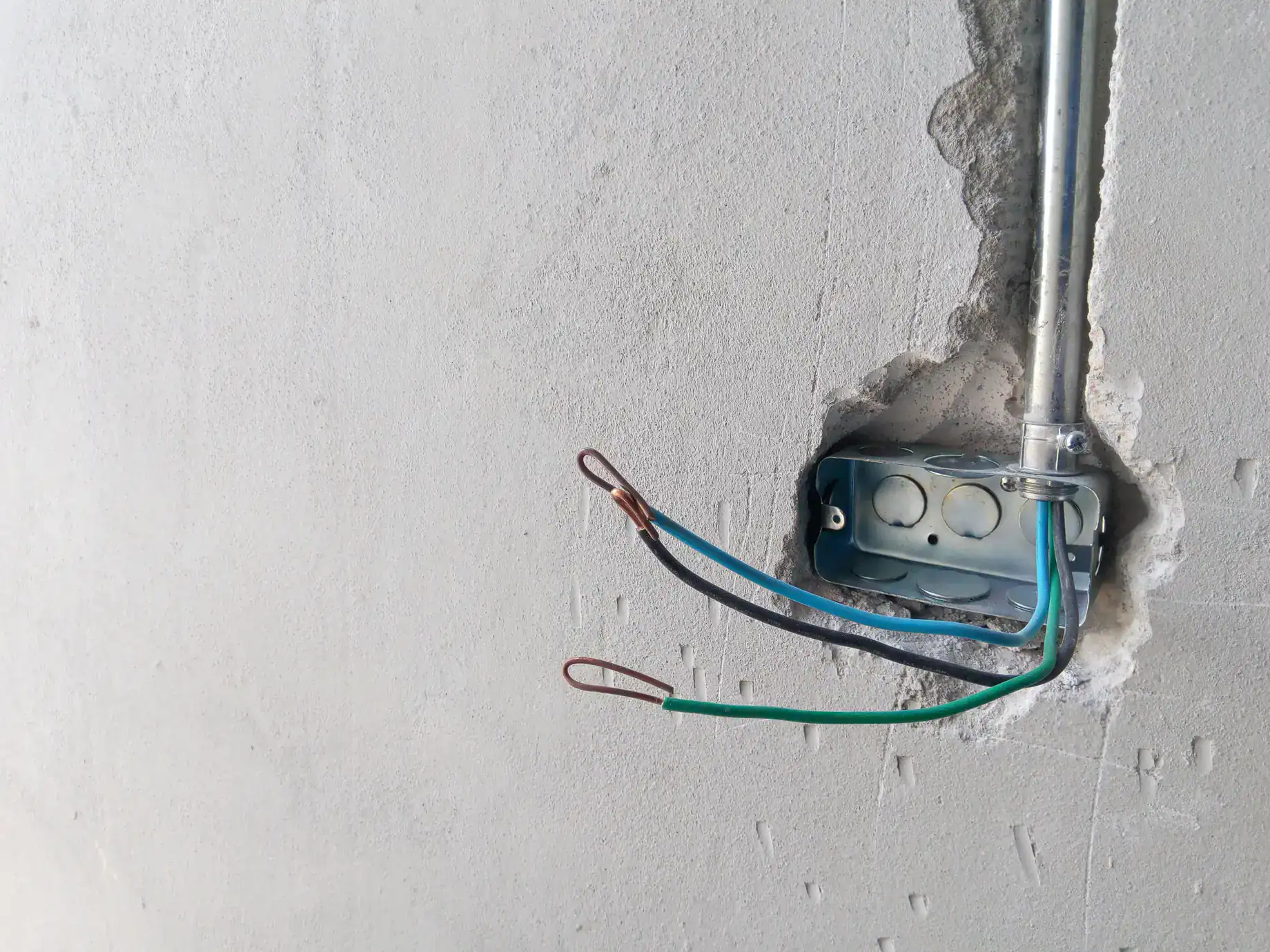
You’re not just getting old wiring replaced. You’re getting your insurance coverage back, usually within days. You’re eliminating the fire risk that’s been sitting behind your walls for decades. And you’re doing it without destroying the character of your home.
Most electricians will tell you they need to cut into your walls to remove knob and tube wiring. That’s how they’ve always done it. We use a camera system that goes through existing outlets and inspects inside your walls—locating every wire, every junction box, every potential issue—without opening anything up.
If you own a historic home in West Greenwich with horsehair plaster, you already know how hard that material is to match. One cut can mean weeks of repair work and a wall that never looks quite right again. Our process keeps your original plaster intact. The most you’ll see is a small notch here or there if absolutely necessary, and even that’s rare.
Lightning Electric has been doing electrical work across Rhode Island for over 30 years. We’re licensed Master Electricians who’ve seen every type of old wiring you can imagine—cloth-wrapped, porcelain knobs, covered junction boxes, mouse damage, all of it.
West Greenwich has plenty of older homes where knob and tube wiring is still active. We’ve worked in enough of them to know that cutting walls isn’t just inconvenient—it’s expensive, messy, and often unnecessary. That’s why we invested in camera technology that nobody else around here uses.
We’re not the cheapest option, and we don’t pretend to be. But if you want the job done without tearing your house apart, and you want electricians who’ve done this thousands of times, that’s what we do.

We start by inserting a specialized camera through your existing outlets. This lets us see inside your walls and locate every piece of knob and tube wiring, along with any junction boxes or problem areas. The camera shows us exactly what we’re dealing with—whether there’s mouse damage, deteriorating insulation, or open joints that need attention.
Once we’ve mapped everything out, we remove the old wiring using the same access points. No cutting. No notching. No demolition. We’re working through the spaces that already exist in your walls.
After the old wiring is out, we install a new electrical system that meets current Rhode Island codes. That includes a new panel, grounded outlets, and the capacity to handle modern appliances and electronics. You’ll get full documentation and a certificate for your insurance company when we’re done.
The whole process is designed to get you back to normal as quickly as possible—with your walls intact and your coverage restored.

Ready to get started?
Rhode Island insurance companies won’t cover homes with active knob and tube wiring. It’s a fire risk, and they’re not willing to take it on. If you’ve gotten a letter giving you 30 days to fix it, you’re not alone—this is happening to homeowners all over West Greenwich and the surrounding area.
The problem is that most electricians will tell you they need to open up your walls to do the job. If you’ve got horsehair plaster, that’s a nightmare. It’s dusty, it’s hard to match, and it’s expensive to repair. You’re looking at hiring a plasterer after the electrical work is done, and even then, the walls might not look the same.
Our camera-based process solves that. You get a full knob and tube wiring replacement, a code-compliant electrical system, and documentation for your insurance company—all without the mess and expense of wall repair. For historic homes where preserving the original character matters, that’s a big deal.
West Greenwich has its share of older properties, and we’ve worked in enough of them to understand what homeowners are up against. You want the problem fixed, but you don’t want your house torn apart in the process. That’s exactly what this system was designed for.

Most homeowners pay between $12,000 and $36,000 for complete knob and tube wiring replacement, depending on the size of the home and how complex the job is. A 1,200 square foot bungalow will be on the lower end. A 2,500 square foot Victorian with plaster walls and multiple stories will be higher.
The cost includes removing all the old wiring, installing a new electrical panel, running new wiring that meets current codes, and providing the documentation your insurance company needs. If you’re comparing s, make sure you’re comparing the same scope of work—some electricians will give you a lower number but won’t include everything you actually need.
Our process costs about the same as traditional methods, but you’re not paying for wall repair afterward. That’s where a lot of homeowners get hit with unexpected expenses. We eliminate that part entirely.
In most cases, yes—there’s no wall damage at all. We work through existing outlets and access points, so we’re not cutting or notching anything. The camera goes in, we locate the wiring, and we remove it using the same openings.
There are rare situations where we might need to make a small notch—maybe a couple inches—if there’s a junction box in a tricky spot or if the wiring is routed in an unusual way. But even when that happens, it’s minimal. You’re not looking at big holes or sections of plaster that need to be rebuilt.
Compare that to traditional methods, where electricians are cutting into walls throughout the house, and you’ll see the difference. We’ve done this work thousands of times, and the whole point of the camera system is to avoid the mess and expense of opening up walls.
Most jobs take between three and seven days, depending on the size of your home and how much wiring needs to be replaced. We’re not rushing through it, but we’re also not dragging it out. We know you want your house back to normal as quickly as possible.
The camera inspection usually happens on day one. That’s when we map out where everything is and identify any issues we need to address. After that, we start removing the old wiring and installing the new system. The final steps are connecting everything to the new panel, testing the system, and getting you the documentation for your insurance company.
If you’ve got a deadline from your insurance company, let us know upfront. We’ll do everything we can to meet it. Most of our clients get their coverage reinstated within days of us finishing the job.
The camera shows us everything inside your walls—where the knob and tube wiring is running, how it’s connected, and whether there are any problems we need to address. We can see if there’s mouse damage, deteriorating insulation, or open joints that could be a fire hazard.
We also use it to locate covered junction boxes, which are common in older homes and often hidden behind plaster. Those need to be accessible according to code, and the camera helps us find them without tearing into walls randomly.
It’s the same technology that home inspectors and other professionals use, but we’ve adapted it specifically for knob and tube removal. It saves time, it saves money, and it gives us a complete picture of what we’re dealing with before we start the actual work.
Knob and tube wiring increases fire risk, and insurance companies in Rhode Island aren’t willing to take that on. The wiring itself is old—often 70 to 100 years old—and the insulation around it deteriorates over time. It’s not grounded, which is a safety issue. And it wasn’t designed to handle the electrical load that modern families put on it.
Insurance companies see it as a liability. Some will refuse to insure the home at all. Others will give you 30 days to replace it or they’ll cancel your policy. A few might offer coverage but charge you 50% to 100% more in premiums, which adds up fast.
The good news is that once the wiring is replaced and you have documentation showing the work was done by a licensed electrician, most homeowners get their coverage reinstated quickly. Some even see their premiums drop. It’s one of those situations where fixing the problem actually saves you money in the long run.
Yes. A lot of our work is in historic homes, and we’ve dealt with horsehair plaster more times than we can count. It’s one of the main reasons we use the camera system—because horsehair plaster is extremely difficult to match if you damage it.
Traditional electricians will cut into the plaster, do the wiring work, and then tell you to hire a plasterer to fix it. But finding someone who can actually match horsehair plaster is hard, and even when you do, the repair is expensive and time-consuming. A lot of times, the wall never looks quite right again.
Our process avoids that entirely. We’re not cutting into your plaster, so there’s nothing to repair. You keep the original walls, the original character of the home, and you don’t have to deal with the headache of finding a plasterer or waiting weeks for repairs. If preserving your home’s historic features matters to you, that’s a huge advantage.