
For over 30 years, we’ve powered Rhode Island with expert electrical services delivered with a personal touch. Discover our story and commitment to quality.
Contact Info
Your refrigerator stays cold. Your sump pump keeps running. Your heat doesn’t cut out at 2 a.m. when temperatures drop below freezing.
That’s what a properly installed standby generator does. It detects the second your power goes out, switches over automatically, and keeps your essential systems running until utility power comes back. You don’t flip a switch or drag anything outside.
Warwick sees its share of winter storms and coastal weather that knocks out power for hours or days. Over 21,000 Rhode Island customers lost power during recent winter storms, many for more than a week. When that happens, you’re either scrambling for hotel rooms and dealing with spoiled food, or you’re sitting comfortably at home while your neighbors are in the dark.
We’re an authorized Generac dealer serving Warwick and surrounding Rhode Island communities. Our licensed electricians have decades of experience installing standby generators that meet local, state, and national electrical codes.
We’re members of the Rhode Island Electrical Inspectors IAEI Roger Williams Chapter. That means we stay current on code requirements and installation standards that keep your generator operating safely and legally.
Warwick homeowners deal with power outages from nor’easters, hurricanes, and winter storms that hit the coast hard. We’ve been installing backup power systems here long enough to know what works in Rhode Island weather and what doesn’t.
First, we assess your home’s power needs and electrical panel to determine the right generator size. A unit that’s too small won’t power everything you need. One that’s too large wastes money on capacity you’ll never use.
Next, we handle the permitting and coordinate with local inspectors. Warwick requires permits for generator installations, and inspectors need to verify the work meets code before you can use it.
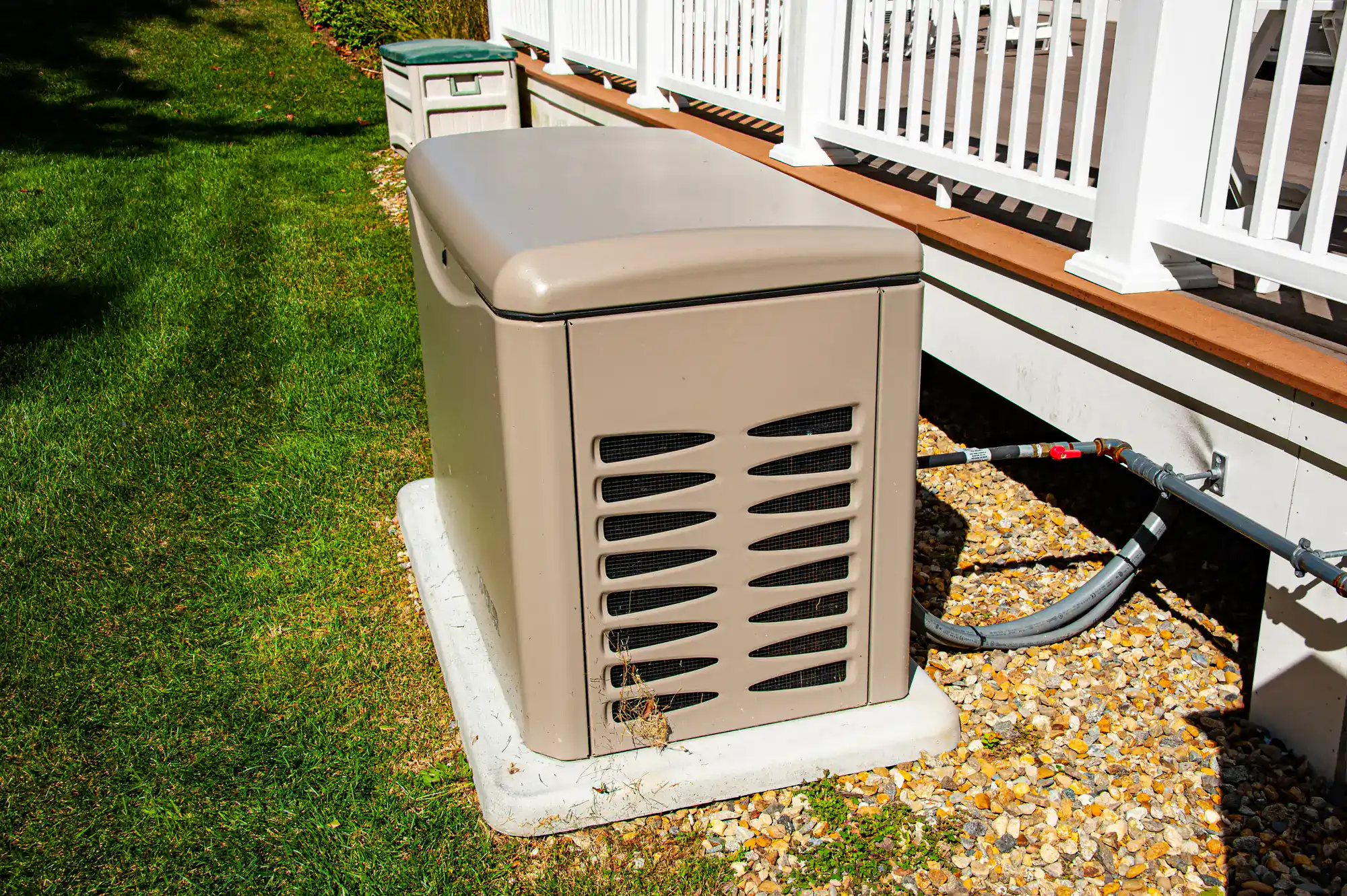
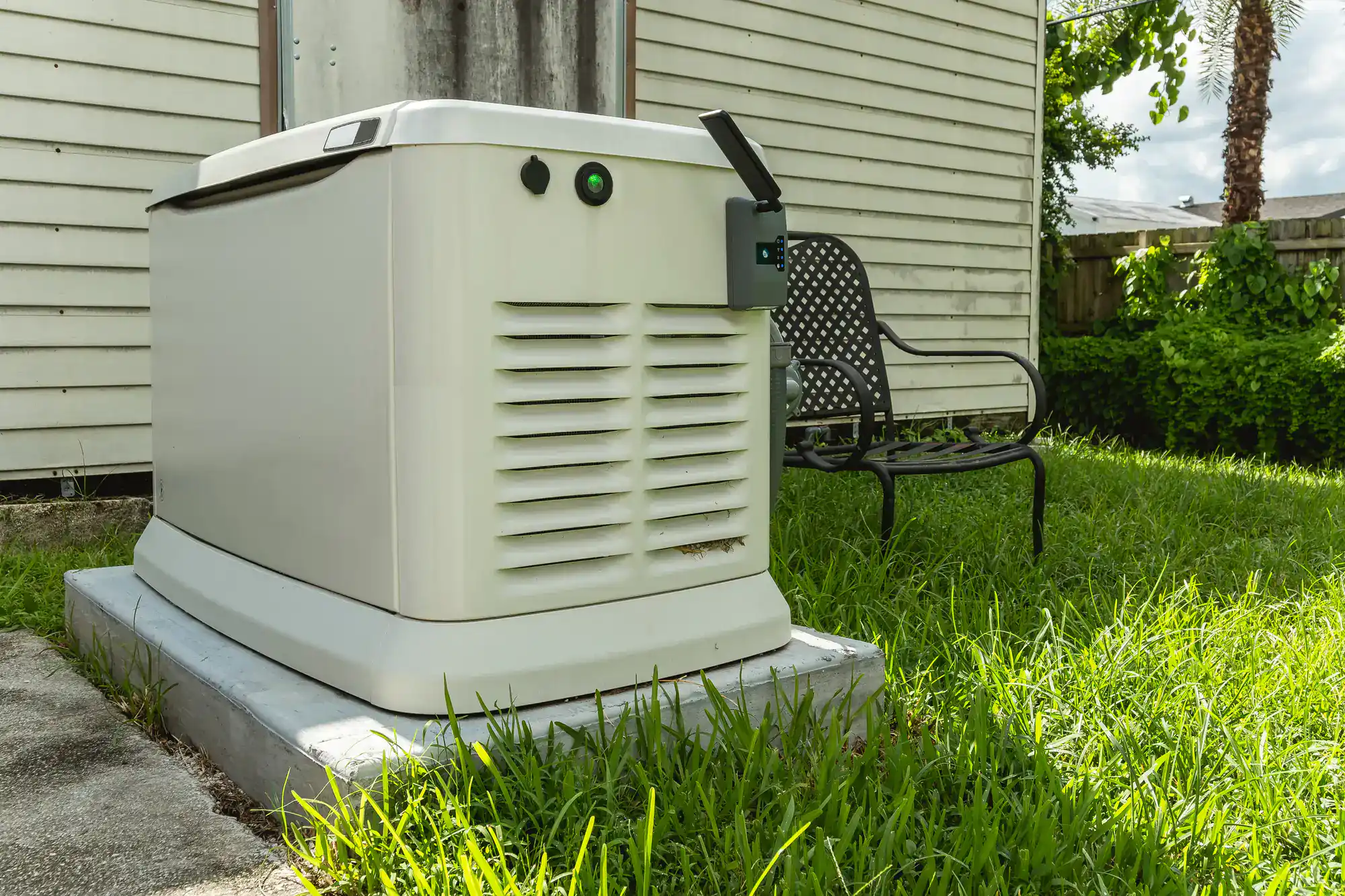
Then we install the generator outside your home, similar to where you’d place a central air conditioning unit. We connect it to your home’s electrical system and fuel source—either your existing natural gas line or a propane tank. The transfer switch gets wired to your electrical panel so it can detect outages and switch power sources automatically.
Finally, we test the system to make sure it starts properly, runs smoothly, and switches back to utility power when the outage ends. You’ll know exactly how to monitor it and what to expect when it kicks on.
Ready to get started?
You get a complete installation that includes the generator unit, transfer switch, electrical connections, fuel line hookup, and all necessary permits and inspections. We handle the coordination with local authorities so you don’t have to figure out Warwick’s permitting process.
The generator sits on a concrete pad outside your home. It runs on either natural gas or propane, depending on what’s available at your property. Most Warwick homes with natural gas service use that because you never have to worry about refilling a tank.
Your transfer switch monitors utility power constantly. When it detects an outage, it signals the generator to start and switches your home’s power source within seconds. When utility power returns and stabilizes, the switch transfers back and the generator returns to standby mode.
Rhode Island’s weather patterns make backup power more than a convenience. With a median home value around $325,000 in Warwick, you’re protecting a significant investment from damage caused by extended power loss—frozen pipes, flooded basements, spoiled food, and the cost of temporary housing during multi-day outages.
Most residential standby generator installations take one to three days from start to finish, depending on your home’s setup and whether you need a new gas line or propane tank installed.
The actual installation work—mounting the generator, running electrical connections, installing the transfer switch, and connecting to your fuel source—typically takes one full day. But you need to factor in permitting time before we start and inspection scheduling after we finish.
Warwick requires electrical permits for generator installations. We submit those for you, but processing can add a few days to the timeline. Once installation is complete, a local inspector needs to verify the work meets code before you can legally operate the generator. We coordinate that inspection, but scheduling depends on inspector availability. If you need the work done urgently because of an approaching storm, let us know upfront so we can prioritize your project.
Most Warwick homes need a generator between 12kW and 24kW to power essential systems during an outage, but the right size depends on what you want to keep running.
If you only need to power critical circuits—refrigerator, some lights, sump pump, and heating system—a 12kW to 16kW unit usually handles it. If you want whole-home coverage including air conditioning, electric range, and all outlets, you’re looking at 20kW to 24kW or larger.
We calculate the load by adding up the starting and running wattage of everything you want powered. Some appliances, especially motors like sump pumps and AC compressors, need extra power to start up even though they use less once running. We factor that in so your generator doesn’t overload when multiple systems kick on at once. During our assessment, we’ll review your electrical panel and discuss your priorities so you get a generator sized correctly for your actual needs, not oversized or undersized based on guesswork.
Yes, Warwick requires an electrical permit for standby generator installations, and the work must be inspected before you can legally operate the generator.
The permit ensures your installation meets National Electrical Code requirements and local ordinances. This isn’t red tape for the sake of it—improper generator installations can create serious safety hazards including electrical fires, carbon monoxide buildup, and backfeeding that endangers utility workers.
We handle the permit application as part of our installation service. That includes submitting plans, coordinating with the building department, and scheduling the required inspection once installation is complete. The inspector verifies that the generator is properly grounded, the transfer switch is wired correctly, the unit is positioned safely away from windows and air intakes, and all electrical connections meet code. You don’t pass inspection, you don’t get approval to operate. We make sure the work passes the first time so you’re not waiting around for re-inspections.
Whole-home generator installation in Warwick typically runs between $6,000 and $11,000, including the generator unit, transfer switch, installation labor, permits, and inspections.
The price varies based on generator size, how far the unit sits from your electrical panel and gas meter, whether you need a new gas line or propane tank, and any site prep required like pouring a concrete pad or upgrading your electrical panel.
Smaller generators in the 12kW to 16kW range with straightforward installations fall on the lower end. Larger units requiring extensive electrical work, long wire runs, or new fuel line installations cost more. We price each job individually because every home’s setup is different. Cookie-cutter pricing doesn’t account for the variables that affect installation complexity and cost. We assess your property, discuss what you want to accomplish, and give you an accurate quote based on the actual work required—not a ballpark number that changes once we start.
Standby generators need annual professional maintenance to stay reliable, which typically costs $150 to $300 per year and includes oil changes, filter replacements, battery checks, and system testing.
Your generator runs a self-test weekly to make sure it’s ready when you need it, but that doesn’t replace annual service. During maintenance, we change the oil and filters, inspect the battery and charging system, check electrical connections, test the transfer switch operation, and run the generator under load to verify it’s producing the correct voltage and frequency.
Rhode Island’s coastal humidity and temperature swings are hard on outdoor equipment. Skipping maintenance means you’re gambling that your generator will start during the next storm—and finding out it won’t when you’re already in the dark. A properly maintained generator can last 20 years or more. One that’s neglected might fail after five. We offer maintenance plans that put you on an annual schedule so you don’t have to remember to call. We reach out when it’s time, come out and service the unit, and make sure you’re covered before storm season hits.
No, Rhode Island requires licensed electricians to install standby generators, and Warwick won’t issue permits for DIY generator installations.
Standby generators connect directly to your home’s electrical system through a transfer switch. That work requires an electrical license because mistakes can cause fires, electrocution, or backfeeding that sends power back into utility lines and endangers workers trying to restore service.
Even if you’re comfortable with electrical work, the permitting and inspection process requires a licensed contractor. Inspectors won’t approve work done by unlicensed individuals, which means your generator can’t legally operate. Your homeowner’s insurance may also deny claims related to damage caused by unpermitted electrical work. Portable generators are different—you can run those yourself with extension cords. But automatic standby generators that tie into your home’s electrical system need professional installation by a certified generator installer who knows the code requirements and can get the work permitted and inspected properly.