

For over 30 years, we’ve powered Rhode Island with expert electrical services delivered with a personal touch. Discover our story and commitment to quality.
Contact Info
- List Item
For over 30 years, we’ve powered Rhode Island with expert electrical services delivered with a personal touch. Discover our story and commitment to quality.
Contact Info
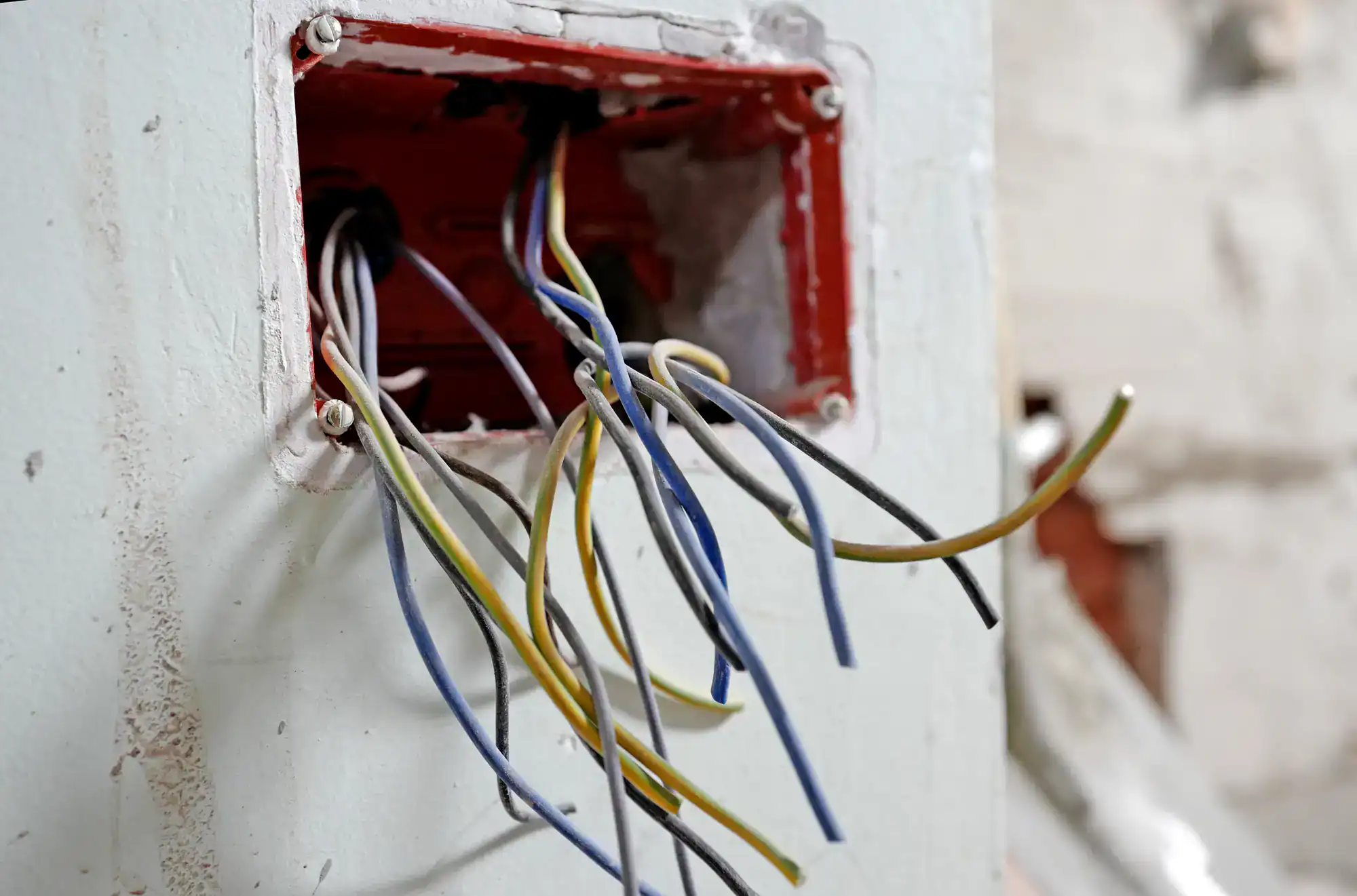
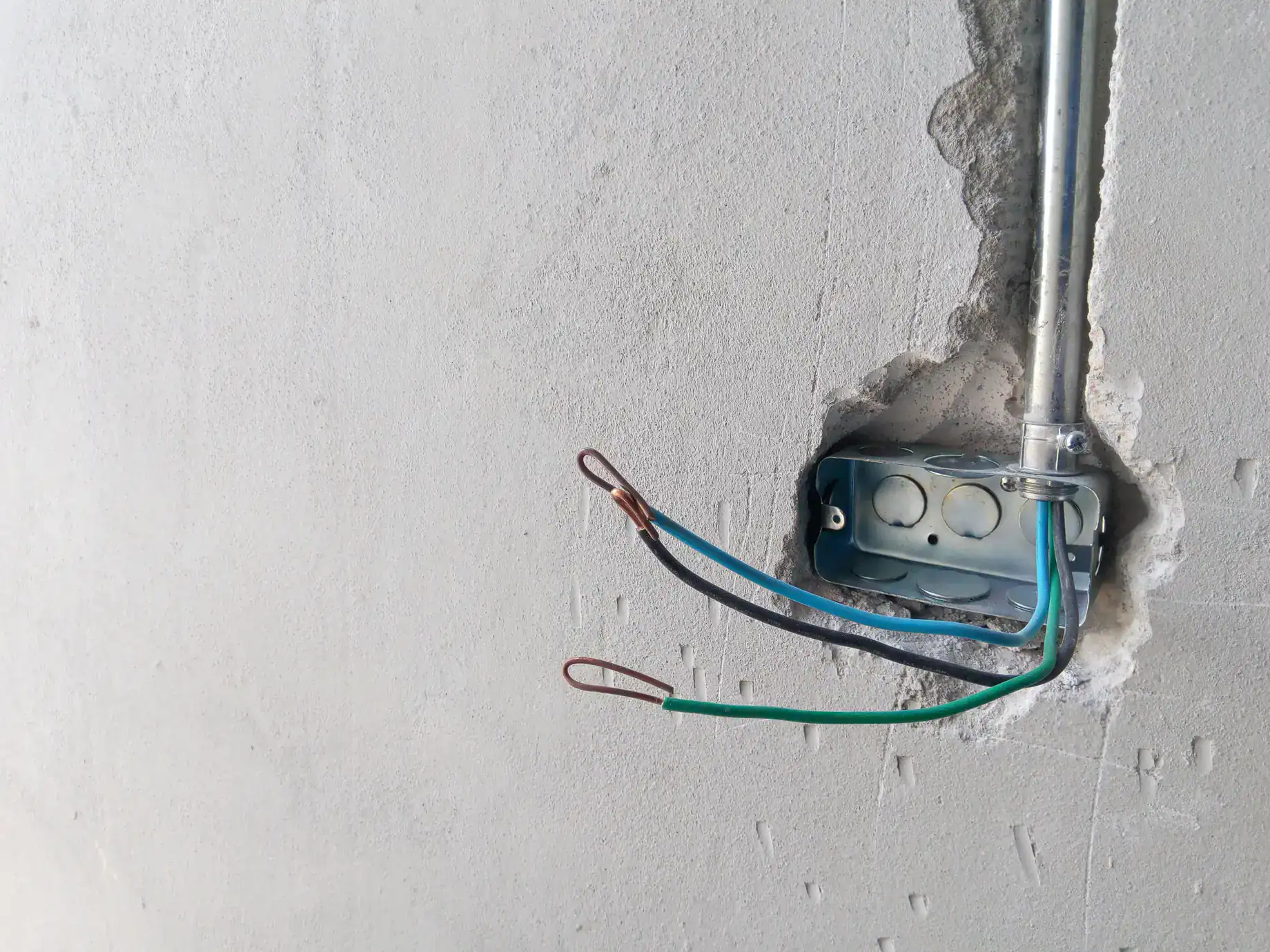
You got the letter. Your insurance company found knob and tube wiring during an inspection, and now you have 30 days to fix it or lose coverage. That’s the reality for most homeowners in Warwick with houses built before 1950.
Here’s what usually happens next: you call an electrician, they tell you they’ll need to cut open your walls, remove the old wiring, patch everything back up, and hope it matches. If you have horsehair plaster—which most historic homes in Warwick do—you’re looking at repairs that never quite look right. Few contractors even know how to work with it anymore.
We do this differently. We use a specialized camera system that goes through your existing outlets to inspect and remove knob and tube wiring from inside your walls. No cutting. No notching. No destroying original plaster that can’t be replaced. If there’s any damage at all, it’s minimal—small access points at most. Your walls stay intact, your insurance gets reinstated, and your home keeps the character that makes it worth preserving.
We’ve been serving Warwick and the surrounding Rhode Island area for over 30 years. We’re not a general contractor trying to figure out electrical work. We’re Master Electricians who’ve completed over 1,500 commercial projects and specialize in the kind of older homes that fill Warwick’s historic neighborhoods.
We know the difference between horsehair plaster and drywall. We know why that matters when you’re trying to remove wiring without destroying walls. And we invested in camera technology specifically because we got tired of watching other electricians tear apart beautiful old homes just to pull out outdated wiring.
Warwick has some of the most well-preserved historic properties in Rhode Island. You didn’t buy one of those homes to have it gutted by someone who doesn’t understand what they’re working with.

First, we insert a specialized camera through your existing outlets. This isn’t a standard inspection camera—it’s designed specifically for navigating inside walls to locate knob and tube wiring, identify junction boxes, and spot any damage from rodents or deterioration. We can see exactly where the wiring runs without making a single cut.
Once we map out the system, we use the same access points to carefully remove the old wiring. The camera guides the entire process, so we’re not guessing or cutting exploratory holes. We’re working with precision through openings that already exist or require only minimal access.
After the knob and tube wiring is out, we install modern wiring that meets current Rhode Island electrical codes. You get a system that’s grounded, safe, and capable of handling modern electrical loads. Then we provide full documentation for your insurance company—usually enough to get your coverage reinstated immediately, sometimes with lower premiums.
The whole process takes a fraction of the time traditional removal requires, and you’re not left with walls that need major repairs. Most homeowners are shocked at how little disruption there is compared to what they expected.

Ready to get started?
This isn’t just about pulling out old wires. You’re getting a complete electrical system upgrade designed around preserving what makes your Warwick home valuable. The camera inspection identifies every problem—covered junction boxes, open joints, sections damaged by mice, deteriorated cloth insulation. We document everything so you know exactly what you’re dealing with.
Then we remove the knob and tube wiring using the camera system to guide extraction through existing outlets and minimal access points. Your horsehair plaster stays intact. Your original walls aren’t cut open. If you’re in one of Warwick’s older neighborhoods—Apponaug, Warwick Neck, Oakland Beach—you know how rare it is to find tradespeople who can properly work with these materials. Our process avoids that problem entirely.
You end up with modern wiring that’s fully grounded and code-compliant, installed by licensed Master Electricians. We’re members of the Rhode Island Electrical Inspectors IAEI Roger Williams Chapter, so the work passes inspection the first time. And you get documentation your insurance company actually accepts—no back-and-forth, no questioning whether the job was done right.
No other electrician in the area uses this camera system. Everyone else is still cutting walls, patching them back up, and hoping it looks acceptable. That might work fine in newer construction, but it’s a disaster in historic homes where the original materials can’t be replicated.

Not with our camera system. Traditional knob and tube removal requires electricians to cut open walls at multiple points to locate and access the wiring. That’s a major problem in Warwick’s historic homes where horsehair plaster is common—it’s extremely difficult to match, and most contractors don’t know how to repair it properly. You end up with visible patches that never quite blend in.
We use a specialized camera inserted through your existing outlets to inspect and remove the wiring from inside the walls. The camera shows us exactly where everything is located, so we’re not cutting exploratory holes or guessing. If we need any additional access points, they’re minimal—small openings at most, not the large sections other electricians cut out.
Your original plaster stays intact. That’s the whole point of investing in this technology. We’ve worked in enough historic Warwick homes to know that preserving original materials isn’t just about aesthetics—it’s about maintaining the value and character of your property.
Most complete knob and tube removal projects in Warwick range from $7,000 to $36,000 depending on your home’s size and how extensive the old wiring system is. A 1,200 square foot bungalow costs significantly less than a 2,500 square foot Victorian with wiring running through multiple floors and outbuildings.
Here’s what affects the price: how much knob and tube wiring exists, how accessible it is, whether you’re updating the entire electrical system or just removing the old wiring, and how much new wiring needs to be installed. Our camera system actually reduces costs compared to traditional removal because you’re not paying for wall repairs, plaster matching, and repainting after the electrical work is done.
We price each job individually based on what your specific home needs. That means you’re not paying for services you don’t need, and you’re getting an accurate estimate based on what we find during the camera inspection. Most Warwick homeowners find that avoiding wall damage saves them thousands in repair costs alone—standard wall repair runs $2 to $10 per square foot, and that’s before you factor in the difficulty of matching horsehair plaster.
Yes. Insurance companies care that the knob and tube wiring is completely removed and replaced with a modern, code-compliant electrical system. They don’t care how it’s removed—they care that it’s gone and that the work was done by licensed electricians who can document the job properly.
We provide complete documentation showing the old wiring was removed and new wiring was installed according to current Rhode Island electrical codes. That’s what your insurance company needs to reinstate coverage. Most of our clients get their coverage restored immediately once they submit our documentation. Some even see their premiums decrease because the fire risk associated with knob and tube wiring is eliminated.
The camera system actually makes the documentation more thorough because we can show exactly what we found during inspection and prove the wiring was completely removed. Insurance inspectors are often impressed by the technology—it demonstrates a level of precision and care that traditional removal methods don’t provide. You’re not just meeting their requirements; you’re exceeding them with a process that’s more thorough and less invasive than what most electricians offer.
Most residential knob and tube removal projects in Warwick take 3 to 7 days depending on your home’s size and the complexity of the existing wiring system. The camera system actually speeds up the process significantly compared to traditional removal methods because we’re not spending days cutting open walls, removing wiring, and then patching everything back up.
Here’s the typical timeline: Day one involves the camera inspection where we map out all the knob and tube wiring, identify problem areas, and plan the removal strategy. Days two through five cover the actual removal and installation of new wiring. The final day or two involve testing, documentation, and final inspection. You’re not left waiting weeks for plasterers and painters to repair wall damage because there isn’t any significant damage to repair.
The exact timeline depends on factors like whether the wiring runs through multiple floors, if there are outbuildings or detached garages involved, and how extensive your electrical system upgrade needs to be. But you’ll have a clear schedule before we start, and we show up when we say we will. Most Warwick homeowners are surprised at how quickly the job gets done compared to what they expected after talking to other electricians who use traditional wall-cutting methods.
It’s both, and the danger increases the older it gets. Knob and tube wiring was installed in most Warwick homes built between 1880 and 1950. The system itself wasn’t inherently dangerous when it was new, but it’s now 70 to 140 years old, and the materials have deteriorated significantly.
The cloth insulation around the wires breaks down over time, leaving bare wires in contact with wood framing inside your walls. That’s a direct fire hazard. The system also isn’t grounded, which means you don’t have protection against electrical shocks or surges. And it wasn’t designed to handle modern electrical loads—running multiple appliances on circuits designed for a few light bulbs creates overheating and increases fire risk.
Insurance companies refuse to cover homes with knob and tube wiring because the fire risk is statistically significant. They’re not being overly cautious—they’re responding to decades of data showing these systems cause fires. If you’re getting letters from your insurance company about knob and tube wiring, they’re not bluffing. Most give you 30 days to remove it or they cancel your policy. That’s not a negotiation. The wiring needs to come out, and the longer you wait, the more risk you’re carrying every time you turn on a light or plug something in.
Technically you can remove it in sections, but most insurance companies won’t reinstate coverage until it’s completely gone from your entire home. Partial removal might make sense if you’re doing a phased renovation and can’t afford to do everything at once, but it won’t solve your insurance problem.
The camera inspection helps here because we can show you exactly where all the knob and tube wiring is located and prioritize which sections pose the biggest risk. Some areas might be more deteriorated than others, or certain circuits might be carrying loads they were never designed to handle. If you need to phase the work, we can create a plan that addresses the most critical areas first.
But here’s the reality: if your insurance company found knob and tube wiring and gave you an ultimatum, they’re expecting complete removal. Partial removal means you’re still carrying the fire risk they’re refusing to insure, and you’ll likely still lose coverage. Most Warwick homeowners find it makes more sense to do the complete removal at once—you solve the insurance problem, eliminate the fire hazard, and upgrade your entire electrical system to handle modern needs. Doing it in pieces often ends up costing more in the long run because we have to mobilize multiple times and you’re paying for repeated inspections and documentation.
Other Services we provide in Warwick