
For over 30 years, we’ve powered Rhode Island with expert electrical services delivered with a personal touch. Discover our story and commitment to quality.
Contact Info
You’re not worrying about whether the sump pump is running. Your fridge isn’t warming up. The basement isn’t flooding because you lost power during a storm.
Your internet stays live. Your HVAC keeps running. If you work from home, you’re still working. If you’ve got medical equipment that needs power, it never loses it.
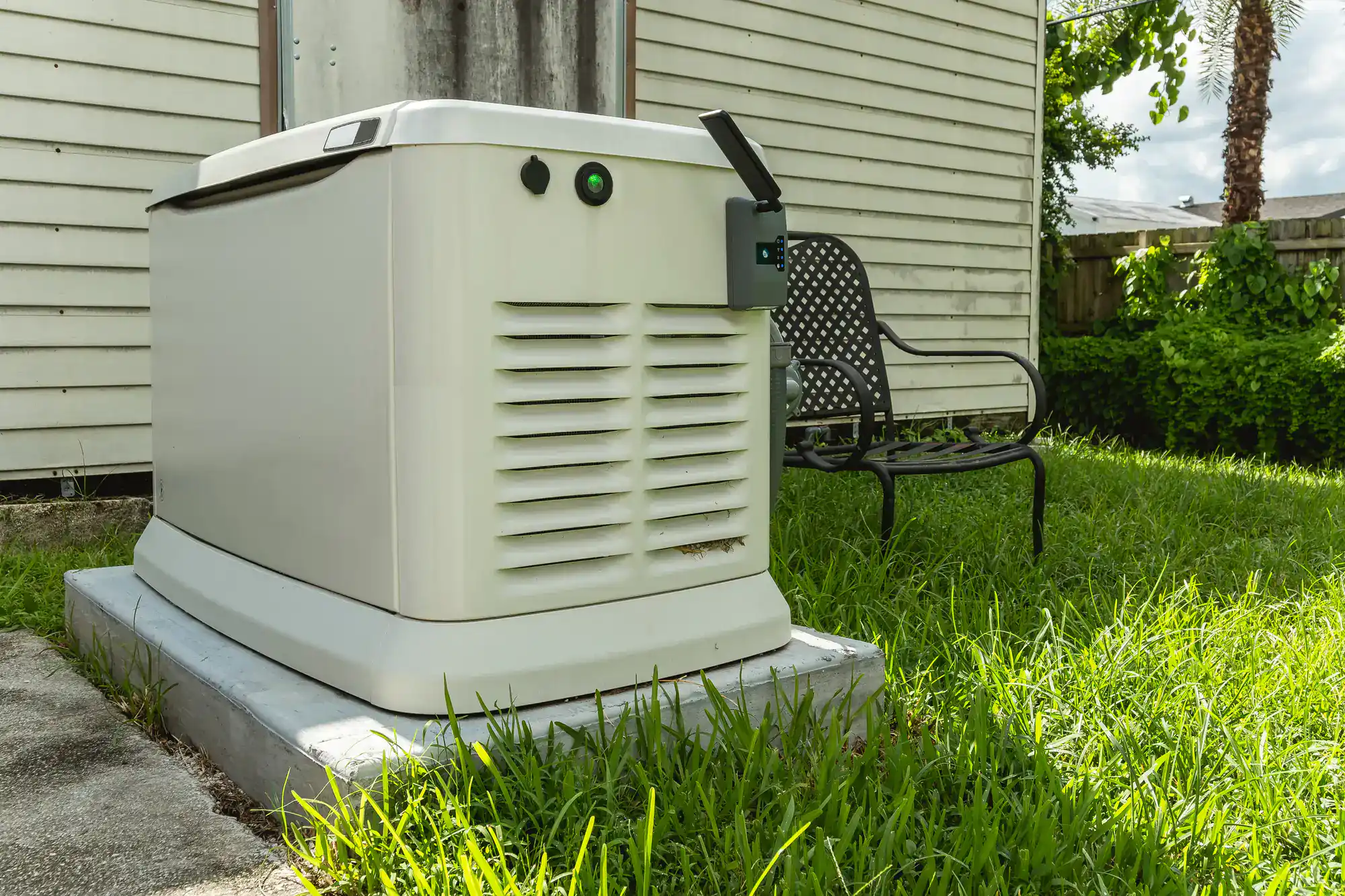
That’s what a professionally installed standby generator does. It detects the outage, starts itself, and restores power to your home in under 20 seconds. You might not even notice the lights flickered.
Seekonk sits right in the path of nor’easters, summer storms, and high winds that regularly knock out power across the area. When tens of thousands of homes go dark, yours doesn’t have to. You’re not scrambling for flashlights or hauling a portable unit out of the garage in the rain.
We’ve been handling generator installations and electrical work for decades. We’re licensed, insured, and members of the Rhode Island Electrical Inspectors IAEI Roger Williams Chapter.
We serve Seekonk from our Rhode Island base, which means we know the local codes, the permit process, and what it takes to get your system installed correctly the first time. We’re not a national franchise. We’re a local crew that shows up, does the work, and makes sure it’s done right.
Our clients describe us as professional, efficient, and straightforward. We don’t oversell. We assess your home, recommend what actually makes sense, and install it to Massachusetts code.
First, we come out and look at your property. We’re checking your electrical panel, figuring out where the generator will sit, and mapping out the fuel line connection—whether that’s natural gas or propane.
Once you approve the plan, we handle the permits. Massachusetts requires electrical permits for the wiring and transfer switch, and depending on your setup, you may need a plumbing or gas permit too. We take care of that.
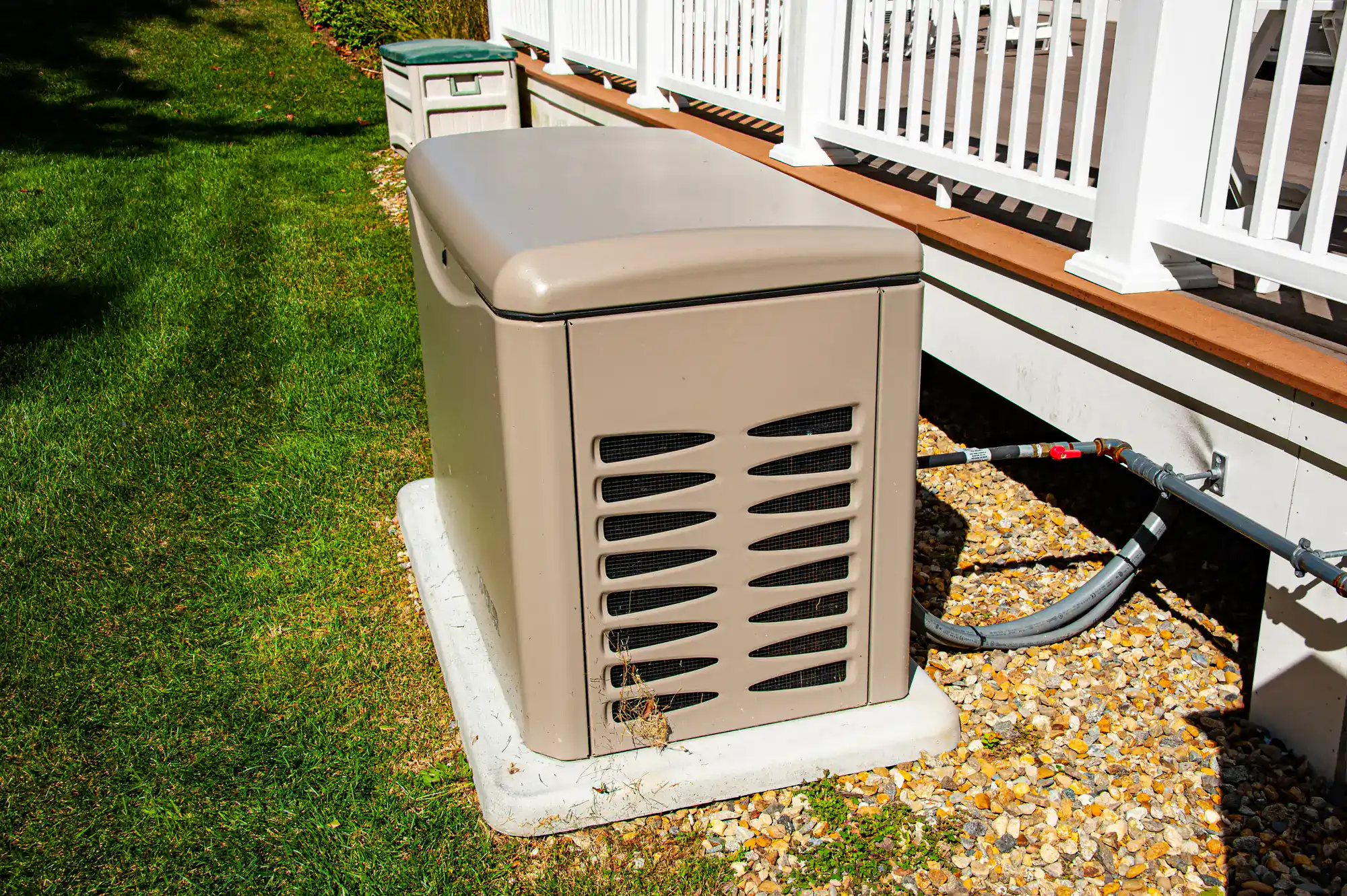
Then we prep the site. That means pouring a concrete pad or setting up a gravel base so your generator has a stable, level foundation. We run the fuel line, install the transfer switch inside your electrical panel, and wire everything according to code.
After the generator is set and connected, we test it. We simulate an outage to make sure the automatic transfer switch kicks in, the generator fires up, and your home gets power exactly like it should. Then we walk you through how it works and what to expect during an actual outage.
Ready to get started?
You’re getting a complete installation. That means site prep, equipment setup, fuel line connection, transfer switch installation, electrical wiring to code, permits, and final inspection coordination.
We work with the major brands—Generac, Kohler, GE, Briggs & Stratton. If you already have a unit, we’ll install it. If you need help choosing one, we’ll recommend the right size based on what you actually need to power.
For homes in Seekonk, most installations fall between 14kW and 22kW depending on square footage and what you’re running. That typically covers your essentials—HVAC, refrigerator, sump pump, lights, outlets—and then some. Larger homes or properties with well pumps may need more capacity.
Commercial generator installation in Seekonk, MA works the same way, just scaled up. If you’re running a business that can’t afford downtime—whether that’s refrigeration, point-of-sale systems, or climate control—we size and install a system that keeps you operational during outages. Financing is available starting around $109 a month, and total project costs typically range from $8,000 to $16,000 depending on the size and complexity of the install.
Most residential standby generator installations in Seekonk, MA take one to two days once permits are in hand. That includes site prep, setting the unit, running the fuel line, wiring the transfer switch, and testing the system.
The timeline depends on a few things. If we’re working with an existing natural gas line, that’s faster than running a new propane line or trenching across your yard. If your electrical panel needs an upgrade to handle the transfer switch, that adds time.
Permit approval can take a week or two depending on the town’s schedule. We handle that process, but it’s not instant. Once we’re cleared to start, the physical installation moves quickly. You’ll have backup power up and running before the next storm hits.
Yes. Massachusetts requires permits for generator installations, and Seekonk follows state code. You’ll need an electrical permit for the wiring and transfer switch, and depending on your fuel source, you may also need a plumbing or gas permit.
We handle the permit applications as part of the installation. That includes submitting plans, coordinating inspections, and making sure everything is up to code before the system goes live.
Skipping permits isn’t worth it. If your insurance company finds out you installed a generator without proper permitting, they can deny claims related to electrical issues or fire damage. Plus, if you ever sell your home, an unpermitted generator can hold up the sale or force you to remove it.
Most homes in Seekonk need a generator between 14kW and 22kW to cover essentials and maintain comfort during an outage. That typically includes your heating and cooling system, refrigerator, sump pump, lights, and a few outlets for devices.
If you’ve got a larger home, central air, and a well pump, you’re probably looking at the higher end of that range. Smaller homes or those willing to prioritize only critical circuits can get by with less.
We size your generator based on a load calculation. That means we look at your electrical panel, add up what you’re running, and factor in startup surges for things like your AC compressor or well pump. Undersizing leaves you without power to key systems. Oversizing wastes money on capacity you’ll never use. We recommend what actually fits.
Generator installation in Seekonk, MA typically costs between $8,000 and $16,000 depending on the size of the unit, site prep requirements, and how far we’re running fuel and electrical lines. That includes the generator, transfer switch, installation labor, permits, and startup testing.
Smaller units on the low end of that range cover basic needs. Larger homes or those wanting whole-house coverage will be closer to the higher end. If your site requires significant concrete work, trenching, or panel upgrades, that can add to the cost.
Financing is available starting around $109 a month, which makes it easier to budget for. We give you a flat quote upfront based on your specific property—no surprises, no upselling. You’ll know exactly what you’re paying before we start.
Both. Most standby generators can run on either natural gas or propane, and we install systems for both fuel types in Seekonk, MA. The choice depends on what’s already available at your property.
If you’ve got a natural gas line running to your home, that’s usually the easiest and most cost-effective option. The fuel supply is continuous, so you never have to worry about refilling a tank. If you’re on propane, we connect the generator to your existing tank or help you size a new one if needed.
Propane systems need a tank large enough to run the generator for extended outages. A 500-gallon tank is common for residential setups and can power a typical home for several days. Natural gas doesn’t have that limitation, but it does depend on the gas line staying active during an outage—which it usually does, but not always.
You should have your standby generator serviced once a year. That includes changing the oil and filters, checking the battery, testing the transfer switch, and running the unit under load to make sure everything works when you actually need it.
Generators in Seekonk face humidity, temperature swings, and seasonal weather that can affect performance. Annual maintenance catches small issues before they turn into failures during a storm. Most manufacturers require regular service to keep the warranty valid.
We offer maintenance plans that include annual inspections and priority service if something goes wrong. A well-maintained generator will run for 20 to 30 years. One that’s ignored might not start when the power goes out—which defeats the whole point of having it.