
Knob and Tube Wiring Removal in Seekonk, MA

Remove Old Wiring Without Destroying Your Walls

We use specialized camera technology to remove knob and tube wiring through your outlets—preserving your horsehair plaster and eliminating the mess other electricians leave behind.
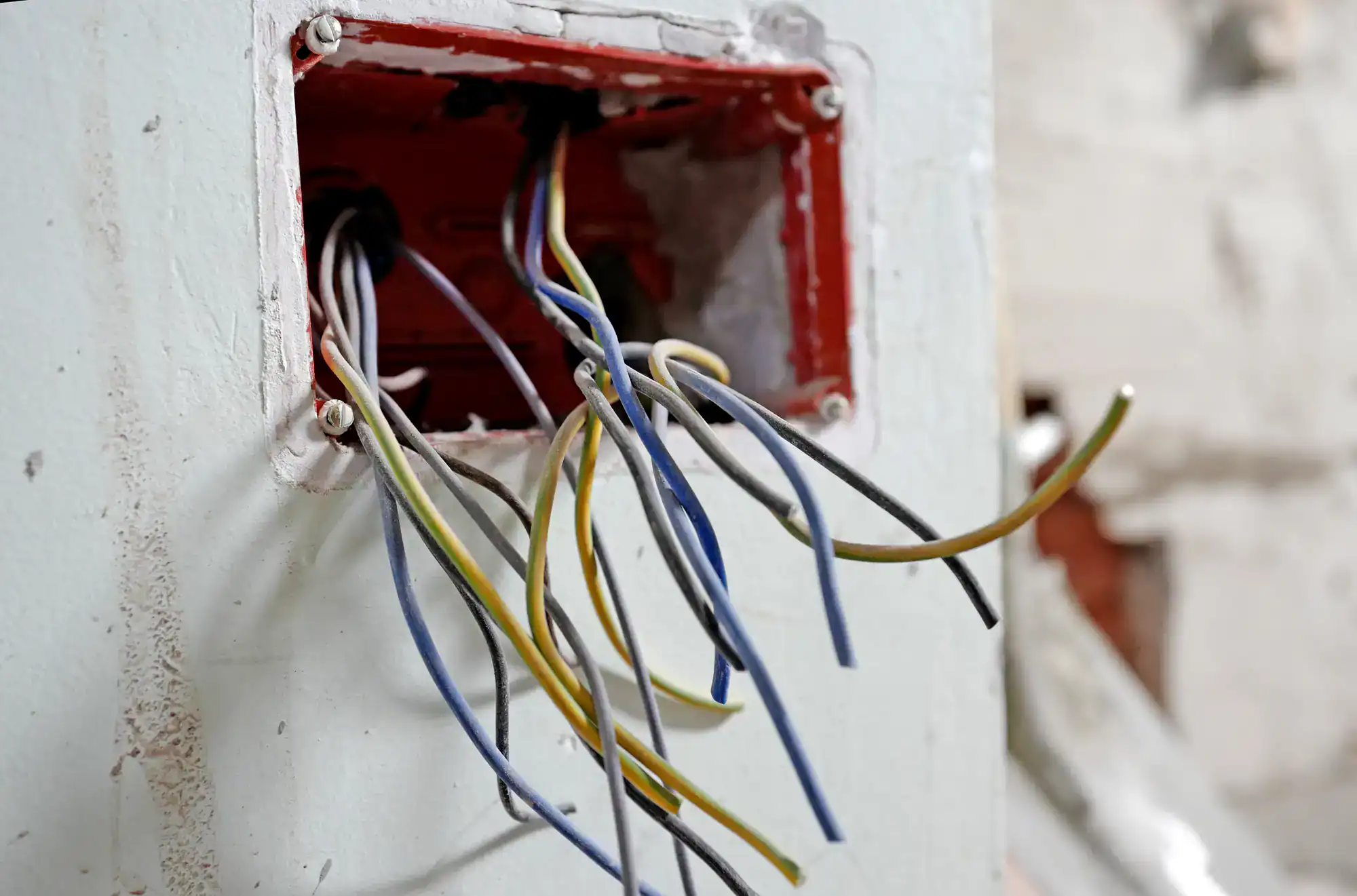
A close-up of an electrical junction box in a wall with multiple exposed wires of different colors hanging out, indicating ongoing or unfinished electrical work by electricians Rhode Island.
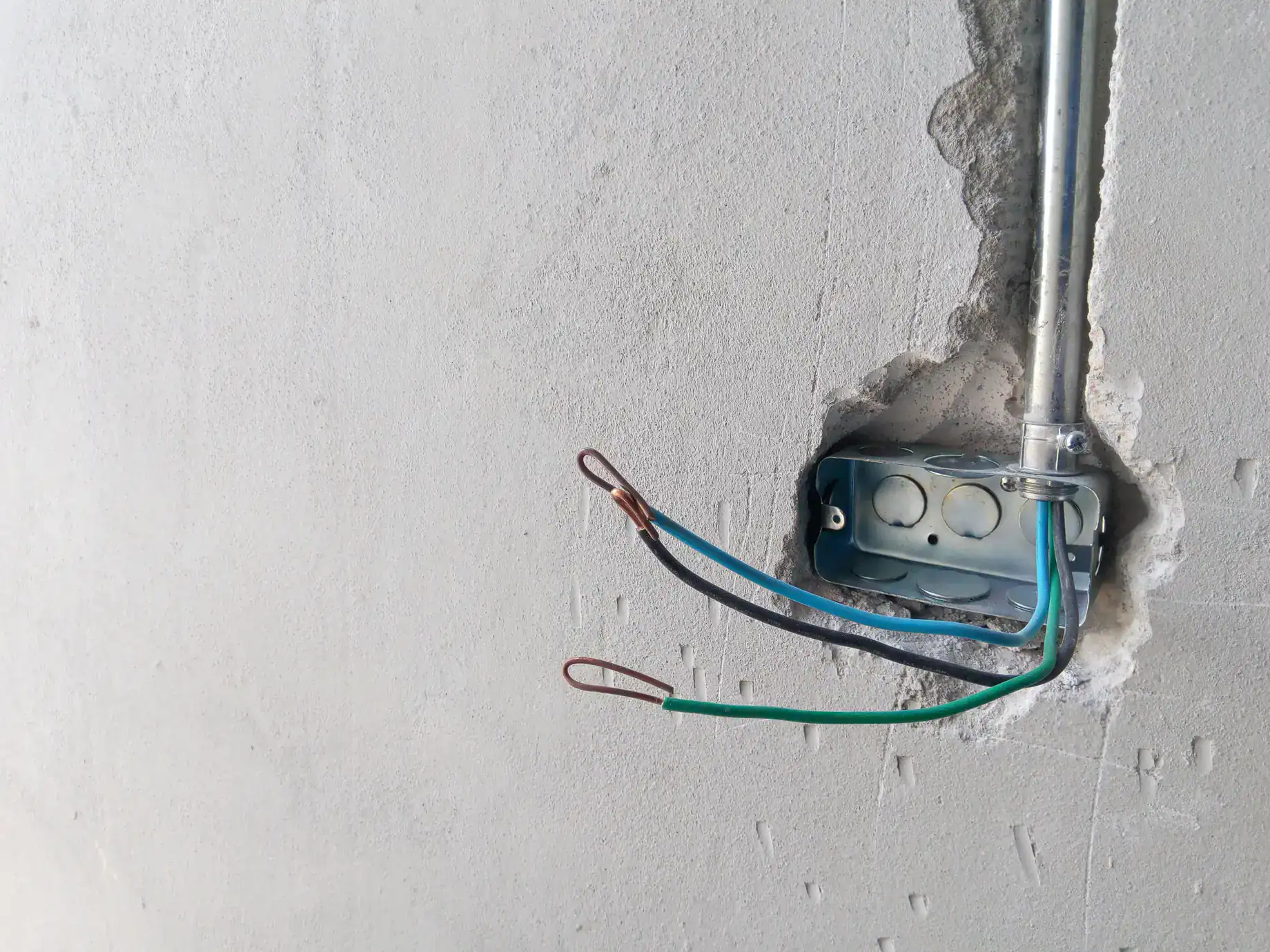
An electrical junction box mounted in a wall with three exposed wires—black, green, and blue—protruding from it. The wires have looped ends, and the unfinished wall suggests ongoing work by electricians in Rhode Island.

No Wall Damage Knob and Tube Removal

Keep Your Historic Home Intact During Rewiring

You bought your Seekonk home because you love the character. The original plaster, the craftsmanship, the details that make these old houses worth preserving. The last thing you want is an electrician tearing into your walls, leaving you with patching nightmares and dust that settles into every corner for months.

Here’s what changes after we remove your knob and tube wiring. Your insurance company stops threatening to drop your policy. You can finally move forward with that Mass Save insulation project you’ve been planning. Your home is safer—no more cloth-wrapped wiring that’s been deteriorating since the 1940s.

And your walls? They stay intact. Our camera system goes in through the outlets, locates the old wiring, and removes it without the demolition. If there’s any damage at all, it’s minimal—maybe a small notch here or there. Nothing like the wall-opening mess that comes with traditional knob and tube removal.

Historic Home Rewiring Specialists in Seekonk

We Understand What Your Home Needs

We serve homeowners throughout Seekonk and the surrounding Massachusetts area who need their electrical systems updated without sacrificing the integrity of their historic homes. We’ve invested in camera technology specifically because we know what horsehair plaster means to these properties—and how impossible it is to match once it’s damaged.

Seekonk has plenty of homes built in that 1880-1950 window when knob and tube wiring was standard. These aren’t just houses. They’re investments, family homes, pieces of local history. We treat them that way.

You won’t find another electrician in the area using this camera-based process. Everyone else is still cutting walls, patching, and hoping the repair looks decent. We skip that entire problem.

Exposed electrical wires and connectors hang from a partially finished ceiling with metal framing and visible drywall seams, awaiting professional attention from electricians in Rhode Island, in a room under construction or renovation.

Camera Inspection Knob and Tube Removal Process

How We Remove Wiring Without Opening Walls

We start with a camera inspection. The camera goes through your existing outlets and into the walls, giving us a clear view of what’s happening inside. We can see where the knob and tube wiring runs, check for mouse damage, locate covered junction boxes, and identify any bad connections or open joints. This isn’t guesswork—we know exactly what we’re dealing with before we start.

Once we’ve mapped everything out, we remove the old wiring using the same access points. The camera guides the process, so we’re not blindly fishing around or cutting exploratory holes. The wiring comes out cleanly, and your plaster stays put.

After removal, we install new wiring that meets current Massachusetts electrical codes. Everything is documented for your insurance company and for Mass Save compliance if you’re pursuing rebates. You get a modern, safe electrical system without the reconstruction project that usually comes with it.

A man wearing a white hard hat and yellow safety vest uses a multimeter to check electrical connections inside an open control panel—typical work for electricians in Rhode Island.

Explore More Services

About Lightning Electric

Non-Invasive Knob and Tube Wiring Replacement

What You Get With Camera-Based Removal

This process is built for homes where traditional methods would cause serious damage. If you have horsehair plaster—common in Seekonk’s older neighborhoods—you already know how fragile it is and how hard it is to match. Our camera system protects that original plaster completely.

You also get the documentation you need. Insurance companies in Massachusetts have gotten strict about knob and tube wiring, and many require removal within 60 days of closing or policy inception. We provide written confirmation of the upgrade, which satisfies those requirements and often qualifies you for better rates.

If you’re planning to add insulation through Mass Save, knob and tube removal is a prerequisite. The program won’t move forward until the wiring is updated because of fire hazard risks. Our work clears that hurdle and positions you to access up to $7,000 in available rebates for the removal itself.

The camera inspection also catches problems you might not know about—deteriorating insulation, rodent damage, connections that have been failing quietly for years. You’re not just removing old wiring. You’re getting a full diagnostic of what’s actually happening inside your walls.

A worker in a hard hat and orange safety vest, like skilled electricians in Rhode Island, stands before an open electrical panel, inspecting the wiring and components while holding a laptop in an industrial setting.

Will removing knob and tube wiring damage my horsehair plaster walls?

Not with our camera-based system. Traditional electricians have to cut into walls to locate and remove knob and tube wiring, which means breaking through horsehair plaster—a material that’s nearly impossible to match and repair seamlessly. The dust alone from cutting lath and plaster can settle throughout your home for months.

We use a specialized camera that inserts through your existing outlets. The camera inspects the wiring inside the walls, maps out where everything runs, and guides the removal process without opening up large sections of plaster. If there’s any damage at all, it’s minimal—maybe a small notch in a few spots at most.

This matters especially in Seekonk’s historic homes, where original plaster is part of the home’s character and value. Once you damage it, you’re looking at costly repairs that rarely match the original texture and finish. Our process preserves what’s already there.

The camera is a small, flexible device that we insert through outlet openings and other existing access points in your walls. It sends back a live feed that shows us exactly what’s inside—the path of the knob and tube wiring, the condition of the insulation, any junction boxes, and potential problems like mouse damage or bad connections.

Once we’ve inspected and mapped everything, we use the same access points to remove the old wiring. The camera continues to guide us during removal, so we’re working with precision instead of guessing or cutting exploratory holes. The wiring comes out, and your walls stay intact.

After the old system is removed, we install new wiring that meets current Massachusetts electrical codes. The entire process is documented with photos and written reports, which you’ll need for insurance purposes and Mass Save compliance if you’re pursuing energy efficiency rebates.

Insurance companies see knob and tube wiring as a significant fire risk, and they’re not wrong. The system was installed decades ago—often between the 1880s and 1940s in Seekonk-area homes—and the insulation around the wires has been deteriorating ever since. The rubber and cloth wrapping breaks down over time, which can expose live wires and create dangerous conditions.

Knob and tube wiring also wasn’t designed to handle the electrical load of modern homes. When you plug in appliances, electronics, and HVAC systems that pull more power than the system was built for, you increase the risk of overheating and fire. Most insurance companies either refuse to cover homes with active knob and tube wiring or require removal within 30 to 60 days of policy inception.

Once the wiring is removed and replaced with a modern system, you can obtain standard homeowners insurance at preferred rates. We provide the documentation your insurance company needs to confirm the upgrade, which clears the way for coverage and often results in lower premiums.

Yes. Mass Save offers rebates for knob and tube wiring removal because it’s a required step before you can add insulation to your home. The program won’t approve insulation upgrades if knob and tube wiring is still present due to fire hazard concerns—insulation around old, deteriorating wiring increases the risk significantly.

Once your knob and tube wiring is removed and replaced with a code-compliant system, you become eligible for Mass Save’s insulation rebates and other energy efficiency incentives. Depending on your specific situation, you could access up to $7,000 in rebates for the removal itself, plus additional rebates for insulation and other upgrades.

We provide all the documentation Mass Save requires, including written confirmation of the electrical work and photos of the completed installation. This keeps your project moving forward and ensures you don’t hit delays or compliance issues during the rebate application process.

Most knob and tube removal projects take several days to a week, depending on the size of your home and how extensively the wiring runs through the structure. The camera-based process we use is faster than traditional methods because we’re not spending time cutting into walls, patching, and waiting for repairs to dry.

A typical project starts with the camera inspection, which usually takes a few hours. We map out where the wiring runs, identify any problem areas, and develop a removal plan. The actual removal and installation of new wiring happens over the next few days, with minimal disruption to your daily routine.

Because we’re not creating the mess that comes with wall demolition, you don’t have the extended timeline of drywall installation, plastering, sanding, and repainting. You’re not living in a construction zone for weeks. The work gets done, your home stays intact, and you move forward with a safe, modern electrical system.

The camera often reveals issues you didn’t know existed—and that’s a good thing. We regularly find mouse damage where rodents have chewed through insulation, bad connections that have been arcing quietly for years, covered junction boxes that violate code, and open joints where wires could make contact and create a fire hazard.

When we find these problems during the inspection, we document everything and walk you through what we’re seeing. You get a clear picture of what’s actually happening inside your walls, not just assumptions based on the age of your home. This lets you make informed decisions about what needs to be addressed immediately and what can wait.

In most cases, we handle these issues during the removal process since we’re already accessing those areas. It’s more efficient than discovering problems later and having to open walls a second time. You end up with a complete electrical upgrade that addresses both the known issue—knob and tube wiring—and the hidden problems that the camera inspection uncovers.

Other Services we provide in Seekonk