
For over 30 years, we’ve powered Rhode Island with expert electrical services delivered with a personal touch. Discover our story and commitment to quality.
Contact Info
You’re not waiting in the dark wondering when power comes back. Your generator kicks on automatically within seconds of an outage, and everything that matters keeps running.
Your refrigerator stays cold. Your sump pump prevents basement flooding. Your medical equipment doesn’t skip a beat. If you work from home or your kids do remote learning, you’re not scrambling to find WiFi at a coffee shop or losing a day’s income because the power went out.
Pawtucket sees frequent outages from Nor’easters, ice storms, and severe weather that can leave you without power for hours or even days. Providence County regularly has hundreds of customers in the dark, and recent storms have knocked out power for over 120,000 people across Rhode Island—worse than Hurricane Sandy. A standby generator installation in Pawtucket, RI means you’re not one of them.
We’re an authorized Generac dealer with decades of experience installing home generator systems across Rhode Island. Our team holds the certifications that matter: we’re members of the Rhode Island Electrical Inspectors IAEI Roger Williams Chapter and fully compliant with NFPA’s Certification Code of Ethics.
That means your installation meets code, passes inspection, and works the way it’s supposed to. We handle the permits, the gas line coordination, the electrical connections, and the final testing. You get a system that’s installed right the first time.
We’ve been serving Pawtucket homeowners through every major storm and outage this area has seen. We know what it takes to keep your power on when the grid fails.
First, we come to your home and assess your electrical panel, your power needs, and where the generator will sit. We’ll talk through what you want to keep running during an outage—whole home or essential circuits—and size the system accordingly.
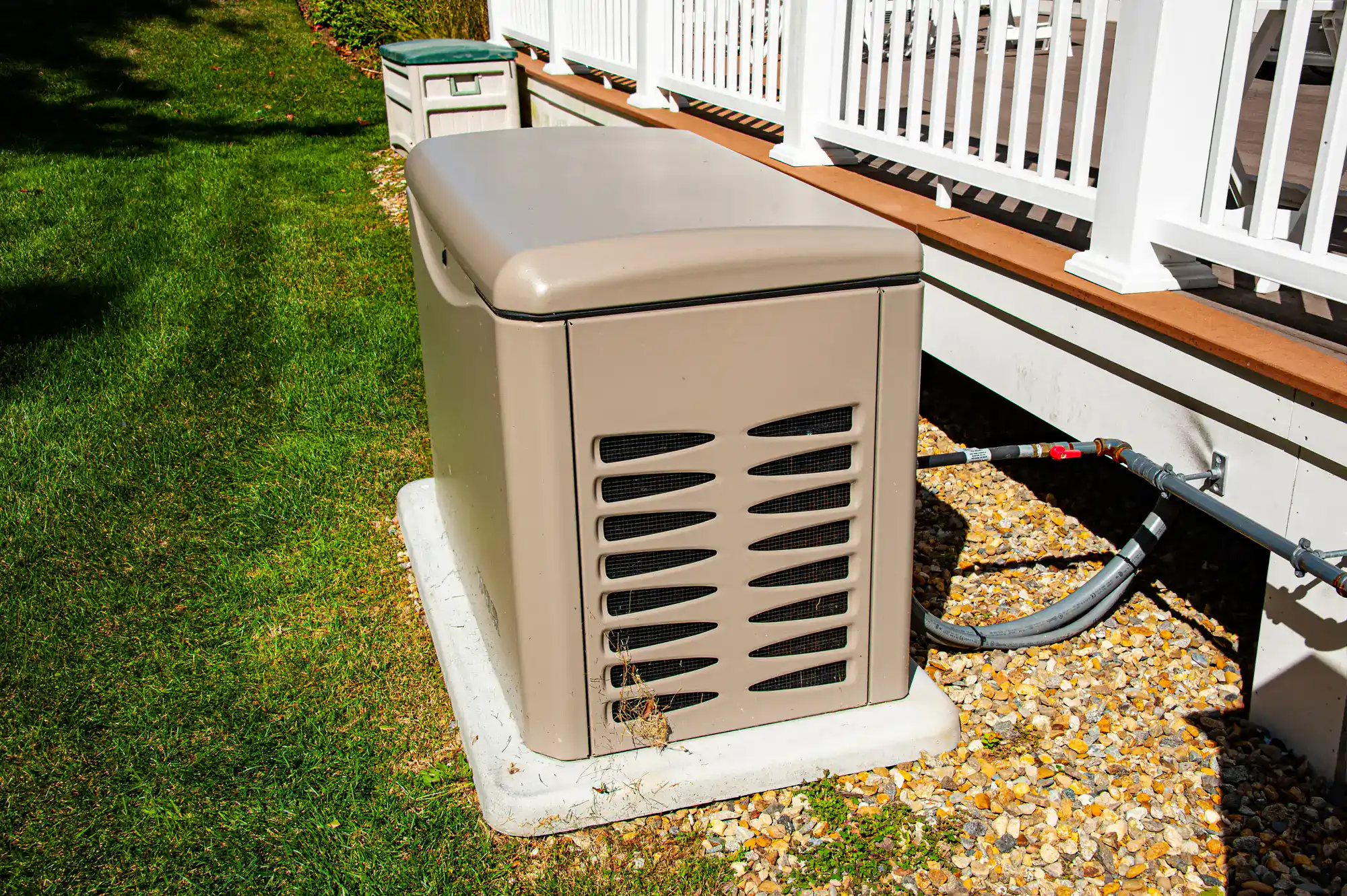
Once you approve the plan, we pull the permits and coordinate with your gas company if you’re using natural gas. Most installations in Pawtucket run on natural gas or propane, and the generator sits outside like your AC unit. We pour a concrete pad, run the electrical and fuel lines, connect everything to your home’s electrical system, and install an automatic transfer switch.
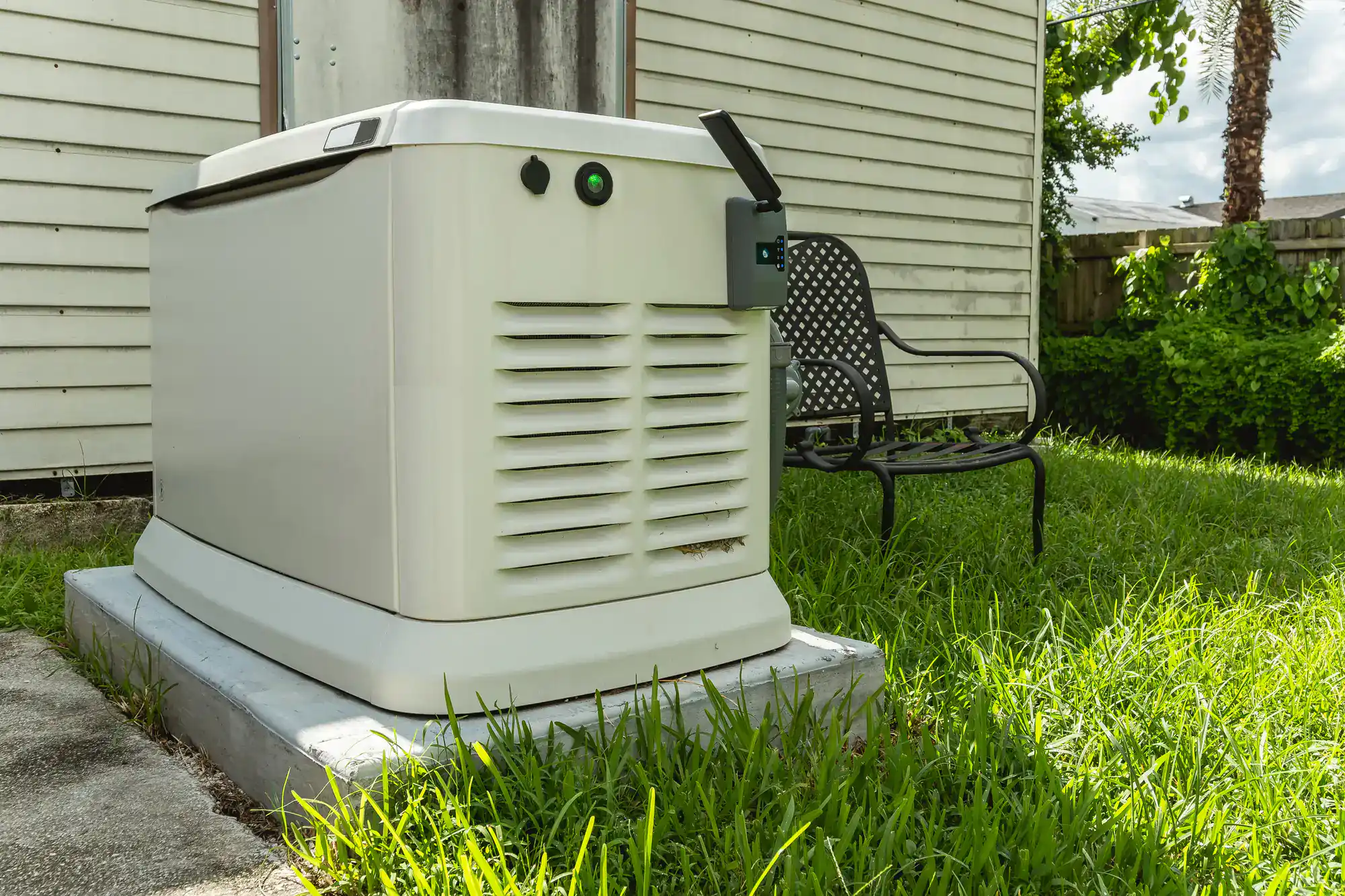
After installation, we test the system to make sure it starts on command and powers what it’s supposed to. We walk you through the controls, show you the Mobile Link monitoring system (so you can check your generator from your phone), and make sure you’re comfortable with how everything works. Then we handle the final inspection. You’re covered.
Ready to get started?
You get a complete turnkey installation. That means permits, site prep, concrete pad, fuel line coordination, electrical connections, transfer switch installation, system testing, and final inspection. We don’t hand you a list of things you need to figure out yourself.
Your generator runs on natural gas or propane and connects directly to your home’s electrical system. It monitors utility power 24/7, and when it detects an outage, it starts automatically and restores power in seconds. When utility power returns, it switches back and shuts down. You don’t lift a finger.
Pawtucket homeowners typically choose between whole-home coverage or essential circuit backup. Whole-home means everything runs like normal. Essential circuits cover your furnace, refrigerator, sump pump, a few lights, and outlets for phones and WiFi. The right choice depends on your budget and what matters most during an outage. We’ll help you figure that out during the consultation.
Every installation includes Generac’s Mobile Link system at no extra cost. You can monitor your generator’s status from anywhere—check fuel levels, run times, maintenance alerts—all from your phone. If something needs attention, you know before it becomes a problem.
Most residential standby generator installations take one to two days once permits are approved and equipment arrives. The timeline depends on whether you need a new concrete pad, how far the fuel line needs to run, and your electrical panel setup.
Permit approval in Pawtucket typically takes a week or two. If you’re using natural gas, coordinating with the gas company adds a few days. We handle all of that coordination so you’re not chasing down approvals yourself.
From the day you sign off on the proposal to the day your generator is up and running, expect about three to four weeks under normal conditions. If you’re scheduling during peak season—usually late summer and fall when people are preparing for winter storms—it may take a bit longer. The sooner you get on the schedule, the sooner you’re protected.
It depends on what you want to run during an outage. If you want whole-home coverage—everything running like normal—you’re typically looking at a 20kW to 26kW generator for most Pawtucket homes. That covers your HVAC, all appliances, lights, outlets, and anything else you’d normally use.
If you only need essential circuits—furnace, refrigerator, sump pump, some lights, and a few outlets for phones and internet—a 12kW to 16kW generator usually does the job. That keeps you safe and comfortable without powering every single thing in the house.
We size the system based on your electrical panel, your home’s square footage, and what matters most to you during an outage. Some people can’t live without central air in the summer. Others just want the basement dry and the food cold. We’ll walk through your actual usage during the consultation and recommend the right size. Oversizing costs you more upfront and in fuel. Undersizing means the generator can’t handle the load. We get it right.
Most residential standby generator installations in Pawtucket run between $13,500 and $16,500 fully installed. That includes the generator, transfer switch, concrete pad, permits, labor, fuel line coordination, and testing. Larger whole-home systems can run higher depending on size and complexity.
The generator itself is about half that cost. Installation labor, materials, permits, and site prep make up the rest. If your electrical panel needs upgrades to handle the transfer switch, or if the fuel line run is longer than usual, that can add to the total.
We give you a clear quote upfront. No surprises, no hidden fees. You’ll know exactly what you’re paying for and what’s included before any work starts. Some companies lowball the estimate and tack on extras later. We don’t do that. What we quote is what you pay unless you change the scope of work.
Yes. Any standby generator installation in Pawtucket requires an electrical permit, and most require a building permit as well. If you’re connecting to a natural gas line, the gas company has its own approval process.
We pull the permits as part of the installation. You don’t need to visit City Hall or figure out what forms to fill out. We handle the paperwork, submit the plans, and coordinate the inspections. That’s included in your installation cost.
The permit process exists to make sure your generator is installed safely and meets local code. Inspectors check the electrical connections, the fuel line setup, and the transfer switch installation. Once everything passes, you’re good to go. Skipping permits might save a few bucks upfront, but it creates problems when you sell your home or file an insurance claim. We do it right.
Yes. A standby generator monitors your utility power continuously. When it detects an outage, it starts on its own within 10 to 15 seconds and begins supplying power to your home. You don’t press a button or flip a switch. It just works.
The automatic transfer switch is what makes this happen. It disconnects your home from the utility line and connects it to the generator. When utility power comes back, the transfer switch waits a few minutes to make sure it’s stable, then switches you back to grid power and shuts the generator down. The whole process is automatic.
Portable generators require you to haul them outside, run extension cords, and manually start them in the rain or snow. Standby generators are already outside, already connected, and already running before you even realize the power went out. That’s the difference. If you have elderly family members, young kids, or medical equipment that can’t afford downtime, automatic backup isn’t a luxury. It’s necessary.
Yes. We install commercial generator systems for businesses, multi-family properties, and facilities that can’t afford downtime. Commercial generator installation in Pawtucket follows the same process as residential but typically involves larger equipment, three-phase power, and more complex electrical integration.
Restaurants, medical offices, retail stores, and property managers use standby generators to keep operations running during outages. If your business depends on refrigeration, security systems, or continuous operation, a few hours without power can cost you thousands in lost product, revenue, or safety.
Commercial installations require more detailed load calculations and often involve coordinating with building management or landlords. We handle the engineering, permitting, and installation just like we do for homes—but scaled to your business needs. If you’re tired of losing money every time the power goes out, let’s talk about what it takes to keep your operation running.