

For over 30 years, we’ve powered Rhode Island with expert electrical services delivered with a personal touch. Discover our story and commitment to quality.
Contact Info
- List Item
For over 30 years, we’ve powered Rhode Island with expert electrical services delivered with a personal touch. Discover our story and commitment to quality.
Contact Info
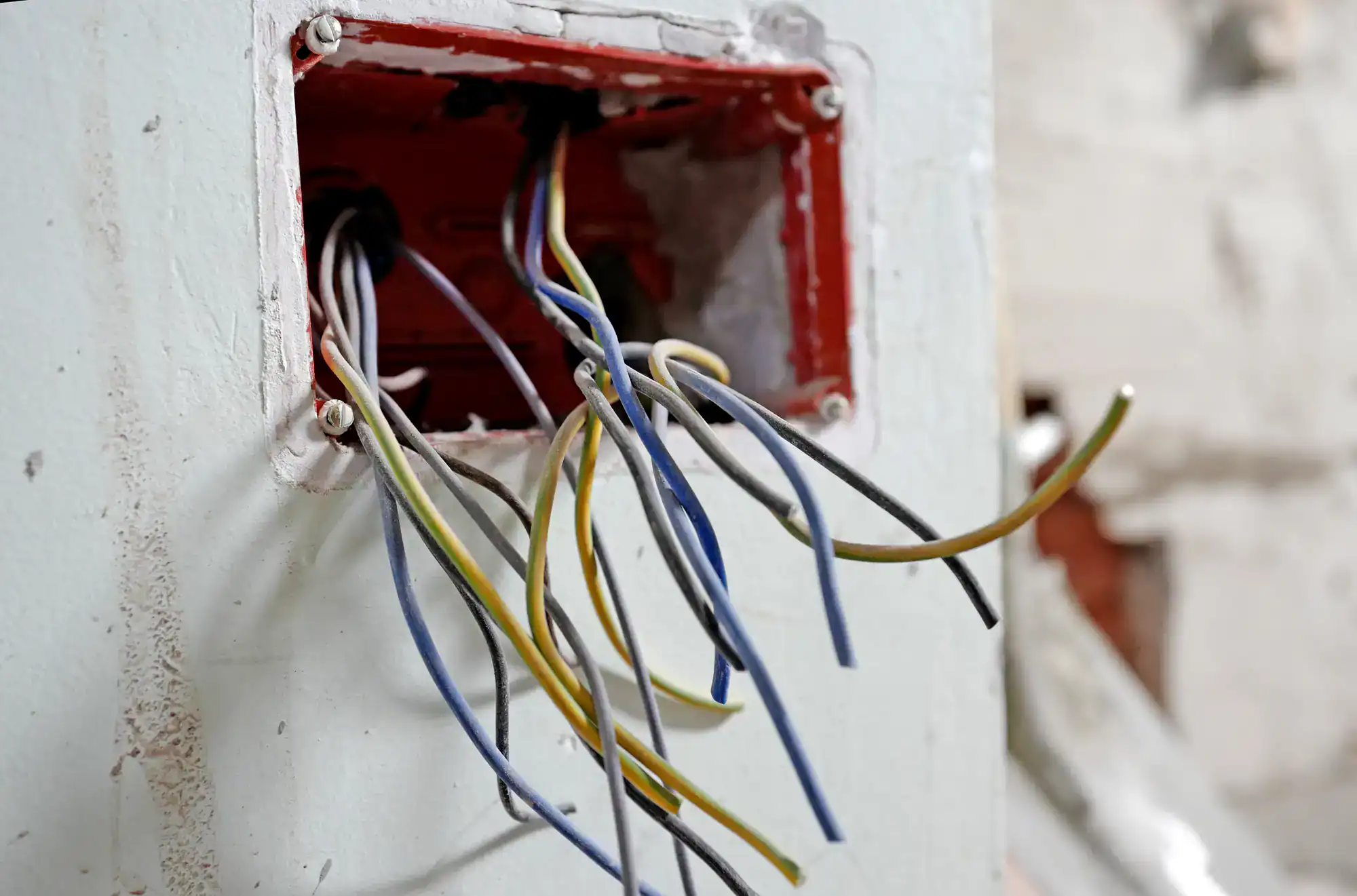
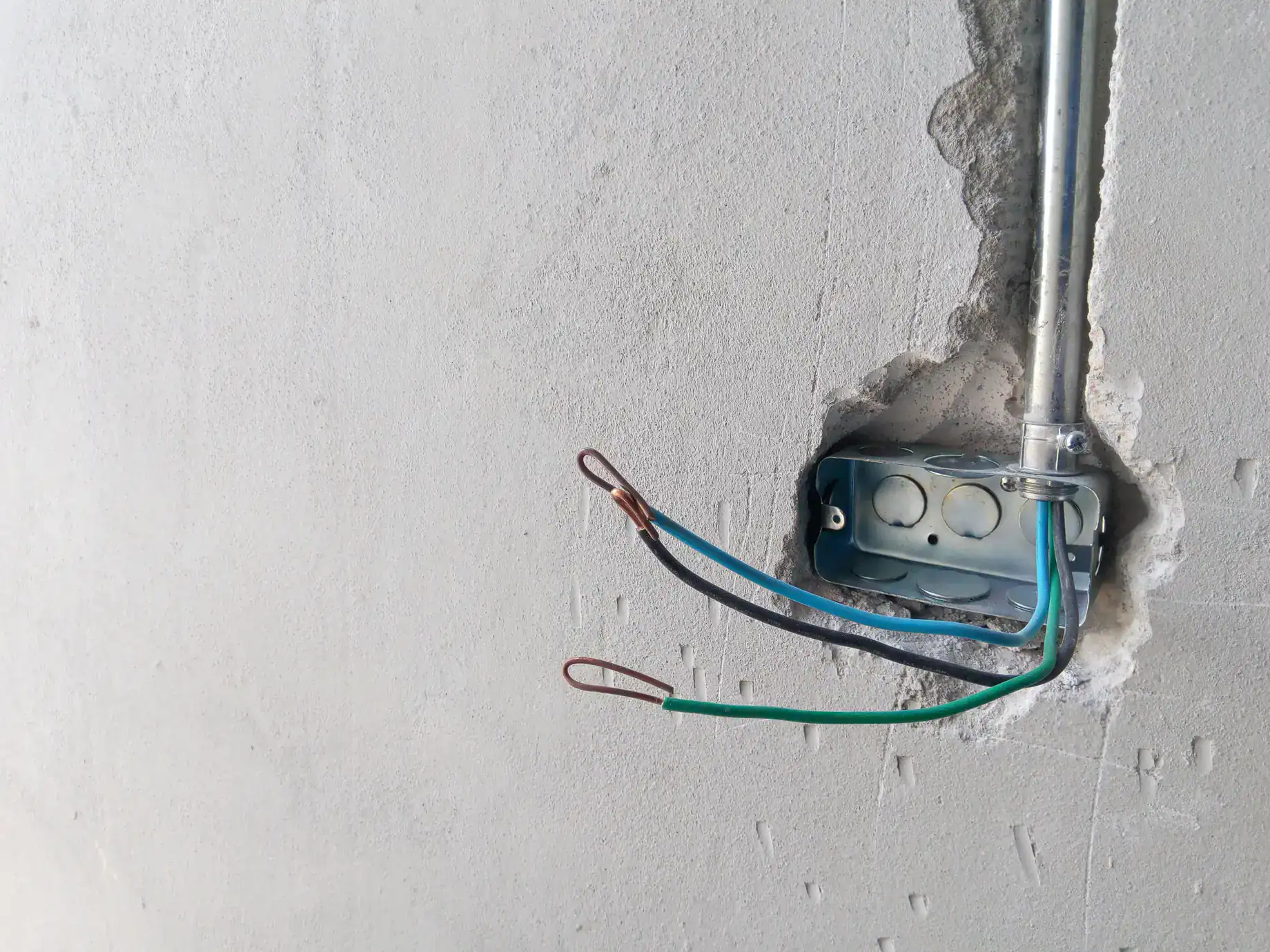
Your insurance company wants the old wiring gone. You want your home safe. But you don’t want to tear apart original plaster walls that cost $80 to $200 per square foot to repair—especially horsehair plaster that’s nearly impossible to match.
That’s where most electricians create a problem while solving one. They cut open walls, leave you with a mess, and hand you a plasterer’s bill on top of the electrical work.
We do it differently. Our camera system goes through existing outlets to locate and remove knob and tube wiring from inside your walls. No demolition. No notching. No reconstruction. Just clean electrical work that leaves your home looking exactly as it did before—only safer and up to code.
This matters in Pawtucket, where over half the homes were built before 1950. Your walls aren’t just walls. They’re part of what makes your house worth preserving.
We’ve been working in Rhode Island’s older homes since before most electricians even thought about how to preserve historic plaster. We’re Master Electricians who’ve seen what happens when someone treats a 1920s Pawtucket home like new construction.
It doesn’t go well.
That’s why we invested in camera inspection technology that nobody else in the area uses. Because homeowners here deserve an option that doesn’t force them to choose between safety and preservation. You get both.
We’re licensed, insured, and certified by the Rhode Island Electrical Inspectors. More importantly, we understand what you’re dealing with—insurance pressure, safety concerns, and the very real fear of watching someone tear apart walls that can’t be replaced.

First, we insert a specialized camera through your existing outlets. This lets us see inside the walls to locate the knob and tube wiring, identify any damage from mice or deterioration, and spot covered junction boxes or open joints that create fire hazards.
Once we map out what’s there, we remove the old wiring using the same access points—your outlets. No cutting into plaster. No creating new holes. The camera guides the entire process so we know exactly where everything is before we touch it.
Then we install new wiring that meets current electrical codes and can handle modern appliances. You get grounded outlets, proper capacity, and a system that insurance companies actually approve.
The whole process typically takes one to three weeks depending on your home’s size. When we’re done, your walls look the same. Your electrical system doesn’t.
If there’s any mark at all—and usually there isn’t—it’s a small notch that’s easy to touch up. Not the kind of damage that requires hiring a plasterer or matching 100-year-old horsehair plaster.

Ready to get started?
You’re not just getting wiring removed. You’re getting a full camera inspection that shows you what’s actually happening inside those walls—the deteriorated insulation, the mouse damage, the connections that were never up to code in the first place.
That inspection matters in Pawtucket, where most homes with knob and tube wiring also have other hidden issues that only show up when someone actually looks. We document everything so you know exactly what you’re dealing with.
Then we handle the removal and replacement in a way that keeps your home’s character intact. This is especially important if you have horsehair plaster, which is standard in Pawtucket’s pre-1950 housing stock. That material is part of your home’s value and its history. Damaging it to fix electrical problems makes no sense when there’s a better option.
You also get insurance compliance. Most carriers in Rhode Island either deny coverage for knob and tube wiring or charge higher premiums. Some require removal within 30 days of closing. Our work gives you documentation that satisfies those requirements without the nightmare of wall reconstruction.

Yes. We use a camera system that goes through your existing outlets to locate and remove the wiring from inside the walls. This isn’t the standard approach—most electricians still cut open walls because they don’t have the equipment to work any other way.
Our camera shows us exactly where the wiring runs, where it’s damaged, and where the connection points are. That means we can remove it through the same access points without creating new holes or damaging your plaster.
The only time you might see minimal marks is if there’s an unusual obstruction, and even then we’re talking about small notches, not the kind of wall damage that requires a plasterer. For homes with horsehair plaster—which is most of Pawtucket’s older housing stock—this makes a huge difference. That material costs $80 to $200 per square foot to repair and it’s nearly impossible to match the original texture and appearance.
Most projects take one to three weeks depending on the size of your home and how much wiring needs to be replaced. That’s total time, not how long we’re actively working in your house each day.
The camera inspection itself usually takes a few hours. That gives us a complete picture of what’s there so we can plan the removal without surprises. Then the actual removal and new wiring installation happens in stages—we don’t need to shut down your entire electrical system at once.
Compare that to traditional methods where someone cuts open walls, does the electrical work, and then you’re waiting on a plasterer to come repair everything. That process can stretch into months, especially if you’re trying to match historic plaster. Our approach keeps the timeline tight because there’s no reconstruction phase. When the electrical work is done, you’re done.
Yes. Insurance companies care that the knob and tube wiring is gone and that your home meets current electrical codes. They don’t specify how it has to be removed.
We provide full documentation of the work, including the inspection findings and the code-compliant installation of your new wiring. That’s what your insurance carrier needs to remove the knob and tube exclusion or approve your coverage.
Many homeowners in Pawtucket run into insurance issues with older wiring—either coverage denials, higher premiums, or requirements to remove it within 30 days of closing. Our camera-based process solves the insurance problem without creating a restoration problem. You get the compliance documentation you need and you keep your walls intact, which matters if you ever want to sell or refinance. Nobody wants to buy a historic home where someone tore apart the original plaster to fix the electrical.
The camera shows us the condition of your existing wiring, where it runs, and any problems that aren’t visible from the outside. We’re looking for deteriorated insulation, damage from rodents, covered junction boxes that create fire hazards, and open joints where connections have come loose.
Knob and tube wiring wasn’t designed to last this long or handle modern electrical loads. What we typically find is insulation that’s cracked or completely gone, wiring that’s been chewed by mice, and connections that were marginal even when they were new.
The inspection also shows us the layout of your walls—where the studs are, where there are obstructions, and the best path for removing the old wiring and installing the new system. That’s how we avoid the guesswork that leads other electricians to cut open walls. We know what’s there before we start, so we can plan the work to preserve your plaster instead of destroying it.
Yes. We’re the only electrician in this area using specialized camera technology for knob and tube removal. It’s not standard equipment—most electrical contractors don’t invest in it because the traditional method of cutting open walls is faster for them, even if it’s worse for you.
We chose to do this differently because so much of our work is in historic homes where preserving the original materials matters. Pawtucket has one of the highest concentrations of pre-1950 housing in Rhode Island. These homes deserve better than the cut-and-patch approach.
When you call other electricians about knob and tube removal, ask them how they access the wiring. You’ll find that they plan to open your walls, do the electrical work, and then either patch it themselves or refer you to someone who can repair the plaster. That’s the standard process. Ours isn’t standard—it’s specifically designed to protect homes like yours.
We document them and explain what you’re looking at. The camera inspection often reveals issues beyond just the knob and tube wiring—things like covered junction boxes, improper connections, or damage that’s creating safety hazards.
You’re not obligated to fix everything at once, but you should know what’s there. Some problems are urgent because they’re fire risks. Others are code violations that won’t pass inspection if you’re selling or refinancing. We’ll walk you through what we found and what makes sense to address.
In many Pawtucket homes, the knob and tube wiring is just the most visible part of an outdated electrical system. While we’re already doing the camera inspection and removing the old wiring, it often makes sense to handle related issues at the same time. That way you’re not paying for another service call later, and you know your entire system is safe and up to code—not just the parts your insurance company asked about.