
For over 30 years, we’ve powered Rhode Island with expert electrical services delivered with a personal touch. Discover our story and commitment to quality.
Contact Info
You’re not losing food from your fridge. Your heat stays on in winter. Your medical equipment doesn’t shut off. Your basement doesn’t flood because the sump pump died.
That’s what a standby generator installation in Little Compton, RI actually does for you. It kicks on automatically within seconds of losing power—no running outside in a storm, no scrambling for flashlights, no wondering how long this one’s going to last.
Little Compton sees some of the worst outages in Rhode Island during coastal storms. You’ve probably been one of the top three towns on the outage map more than once. The restoration crews get to you eventually, but “eventually” can mean days without power. A whole house generator means you don’t wait. Your home runs like nothing happened while your neighbors are dealing with spoiled groceries and frozen pipes.
We’ve been handling electrical work in Rhode Island for over 30 years. We’re not a generator company that dabbles in electrical—we’re licensed Master Electricians who are also authorized Generac dealers. That matters because generator installation in Little Compton, RI isn’t just about hooking up a box. It’s about proper electrical integration, code compliance, and making sure the system actually works when you need it.
We’re NFPA certified and members of the Rhode Island Electrical Inspectors IAEI Roger Williams Chapter. We’ve completed over 1,500 commercial projects, and we bring that same level of precision to your home. You’re getting factory-trained technicians who know how to size a system correctly for coastal conditions, install it to code, and service it when needed.
First, we come out and assess your home. We’re looking at your electrical panel, your power needs, and where the generator should sit. Not every spot works—you need proper clearance, fuel access, and a location that meets code. We’ll walk you through what makes sense for your property.
Once you approve the plan, we handle the permits and coordinate with your utility company if needed. Then we install the generator, run the necessary electrical connections, and integrate it with your home’s system. If you’re going with natural gas, we coordinate that hookup. If it’s propane, we make sure the tank setup is right.
After installation, we test the system to make sure it actually starts and transfers power correctly. You’ll see it run. We’ll show you how it works, what to expect during an outage, and what basic maintenance looks like. Then we connect it to monitoring so you’re not guessing if something’s wrong. The whole process usually takes a few days depending on permitting, but you’re not left hanging—we keep you updated the entire time.
Ready to get started?
You’re getting a system that powers your entire home or just the critical circuits—your choice. Most people in Little Compton go with whole-house coverage because when you’re dealing with multi-day outages in winter, you want heat, water, and comfort throughout the house, not just a few rooms.
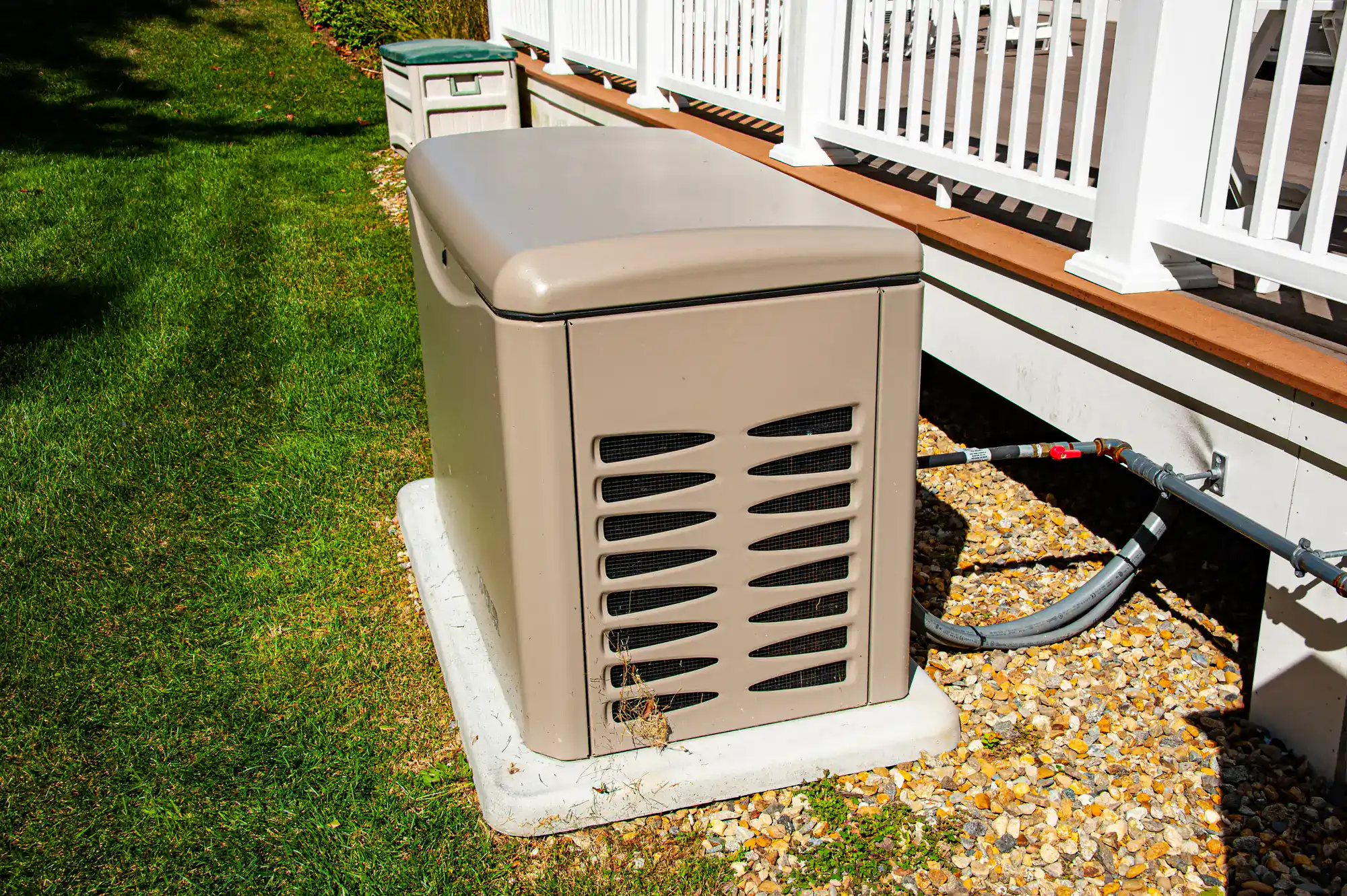
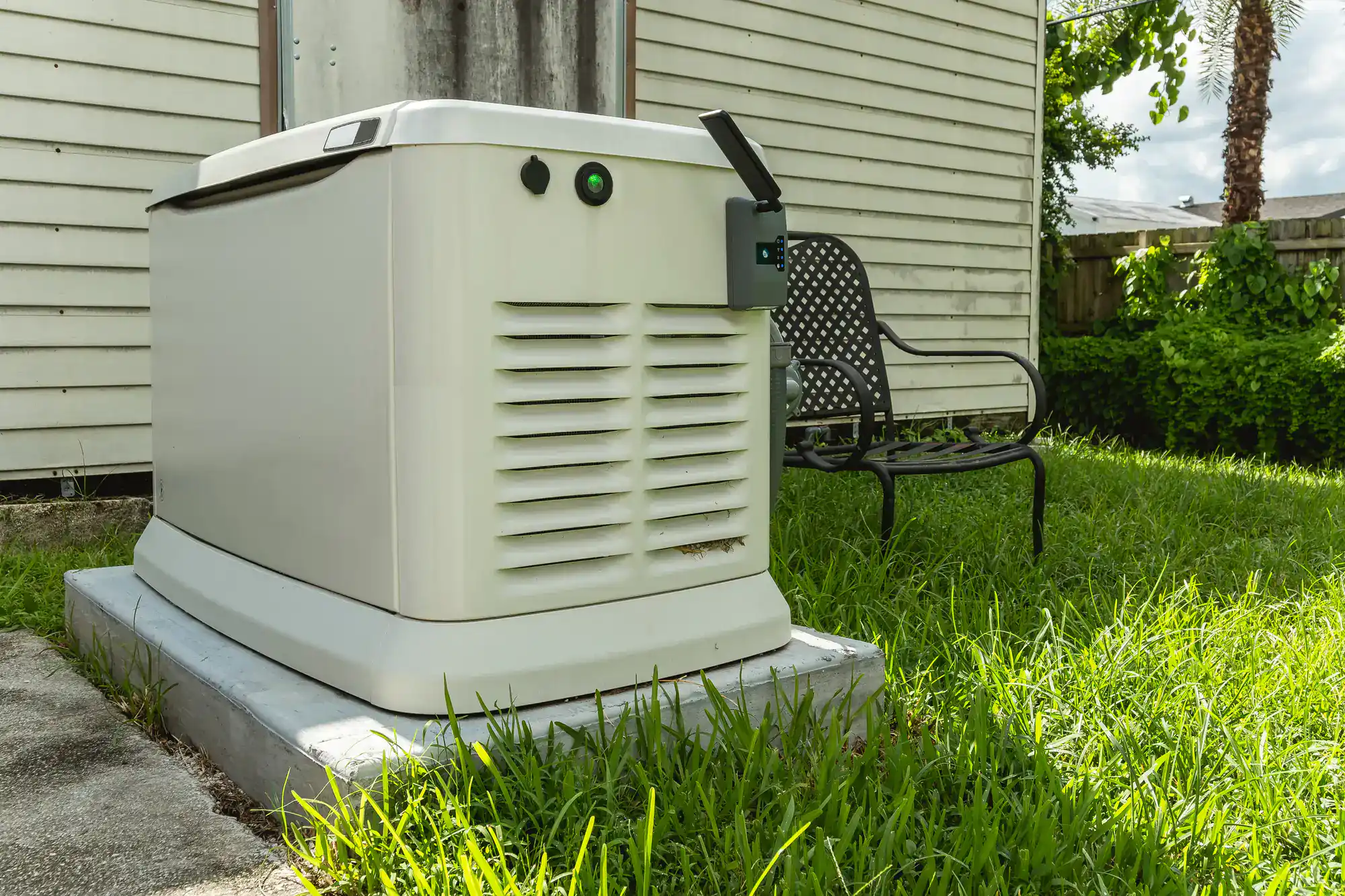
The generator sits outside and runs on natural gas or propane, so you’re not storing gasoline or refilling anything. It monitors your utility power 24/7. The second it detects an outage, it starts automatically and switches your home over to generator power. You might notice the lights flicker once. That’s it.
We install Generac systems because they’re reliable and we’re authorized dealers, which means you get proper warranty coverage and access to factory-trained service. Your installation includes full code compliance, proper grounding, transfer switch integration, and connection to monitoring systems. We pull permits, handle inspections, and make sure everything’s documented correctly.
Little Compton’s coastal location means salt air and high winds. We account for that during installation—proper weatherproofing, secure mounting, and placement that protects the unit from the elements while maintaining required clearances. You’re not getting a generic install. You’re getting one that’s built for where you actually live.
The physical installation usually takes one to two days once permits are in hand and equipment arrives. But the full timeline from your first call to a running generator is typically two to four weeks, depending on permitting, utility coordination, and equipment availability.
Here’s the realistic breakdown: We schedule a site assessment within a few days. You get a proposal, review it, and approve. Then we order equipment and file permits. Permitting in Little Compton generally takes one to two weeks. Once permits clear and your generator arrives, we schedule the install. If you need propane tank installation or gas line work, that adds time and requires coordination with your fuel provider.
The actual work happens fast. We set the generator, run electrical connections, install the transfer switch, connect fuel lines, and test everything. But we’re not rushing it. You want this done right because when a storm knocks out power for three days, a poorly installed generator that doesn’t start is worse than not having one at all.
Most homes in Little Compton need between a 16kW and 24kW generator for whole-house coverage, but it depends on your specific electrical load. Your home’s square footage matters less than what you’re actually running during an outage.
We calculate load based on your essentials: heating system, well pump if you have one, refrigerators, freezers, sump pump, some lighting, and outlets. If you want central air conditioning during summer outages, that increases the requirement. If you have electric heat or a large well pump, you’ll need more capacity. High-end appliances and multiple HVAC zones also push the size up.
We don’t guess. We look at your electrical panel, ask what you want running during an outage, and calculate the actual load. Undersizing means the generator can’t handle the demand and shuts down. Oversizing wastes money upfront and costs more to run. We size it correctly so you get reliable power without paying for capacity you don’t need. That assessment happens during the site visit, and we’ll walk through the math with you so you understand exactly what you’re getting.
You’re typically looking at $8,000 to $15,000 for a complete standby generator installation in Little Compton, RI, including equipment, labor, permits, and electrical work. The range depends on generator size, fuel type, and how complex your electrical setup is.
A smaller 16kW unit with a straightforward installation on the lower end. A larger 24kW system with natural gas line extensions, panel upgrades, or challenging site conditions on the higher end. If you need a propane tank installed or significant electrical panel work, that adds cost. If your install location requires extensive trenching or concrete work, same thing.
We give you an exact price after the site assessment. No surprises, no “starting at” nonsense. You’ll know what the full job costs before we start. And yes, it’s a significant investment. But compare that to a few days in a hotel during a winter storm, spoiled food, burst pipes, and the stress of wondering when power’s coming back. Most people in Little Compton find that the generator pays for itself in peace of mind alone, and it typically increases your home value when you sell.
Yes, you need an electrical permit from the Town of Little Compton, and possibly a building permit depending on the installation specifics. You might also need approval from your utility company before we connect the transfer switch.
We handle all of that. You’re not calling the building department or filling out forms. We pull the permits, submit the plans, coordinate inspections, and make sure everything meets Rhode Island electrical code and local requirements. That’s part of what you’re paying for—a legal, code-compliant installation that won’t cause issues down the road.
Skipping permits is a bad idea. If you ever sell your home, unpermitted electrical work can kill a deal or force you to rip it out and reinstall it properly. Insurance companies can also deny claims if they find out you have unpermitted electrical modifications. And honestly, the permit process exists for a reason—it ensures the work is safe and done correctly. We’ve been doing this for 30 years. We know what inspectors look for, and we install it right the first time so it passes without issues.
It can, if that’s how you want it set up and the generator is sized correctly. Most homeowners in Little Compton choose whole-house coverage because coastal storms can knock out power for days, and you want full comfort, not just survival mode.
Whole-house coverage means everything runs—heat, air conditioning, all lights, all outlets, kitchen appliances, well pump, sump pump, garage doors, everything. You live normally. The alternative is a partial-house setup where we wire specific critical circuits to the generator: furnace, refrigerator, some lights, sump pump, maybe a few outlets. That’s cheaper upfront because you can use a smaller generator, but you’re making sacrifices during outages.
We’ll walk through both options during the assessment. Some people don’t care about running the whole house and just want the essentials covered. Others want zero disruption. There’s no wrong answer—it’s about what matters to you and what you’re willing to spend. We size and configure the system based on your priorities, and we’re honest about what each option actually gets you during an outage.
Your generator needs professional maintenance once a year, and you should run it through a test cycle every month. Little Compton’s coastal environment—salt air, humidity, temperature swings—makes regular maintenance even more important than it would be inland.
Annual maintenance includes oil and filter changes, spark plug inspection or replacement, battery check, air filter replacement, and a full system test under load. We also check electrical connections, look for corrosion, verify the transfer switch is working correctly, and make sure firmware is up to date. Generac recommends this yearly service to keep your warranty valid, and honestly, it’s just smart. A generator that sits for months without maintenance might not start when you actually need it.
The monthly test cycle happens automatically. Your generator will start itself, run for a few minutes, and shut down. You’ll hear it. That keeps the engine lubricated, charges the battery, and confirms everything’s working. If something’s wrong, the system alerts you. We offer service plans that cover the annual maintenance and give you priority response if something breaks. You’re not required to use us for service, but we’re factory-trained on Generac systems and we know the units we install inside and out.