

For over 30 years, we’ve powered Rhode Island with expert electrical services delivered with a personal touch. Discover our story and commitment to quality.
Contact Info
- List Item
For over 30 years, we’ve powered Rhode Island with expert electrical services delivered with a personal touch. Discover our story and commitment to quality.
Contact Info
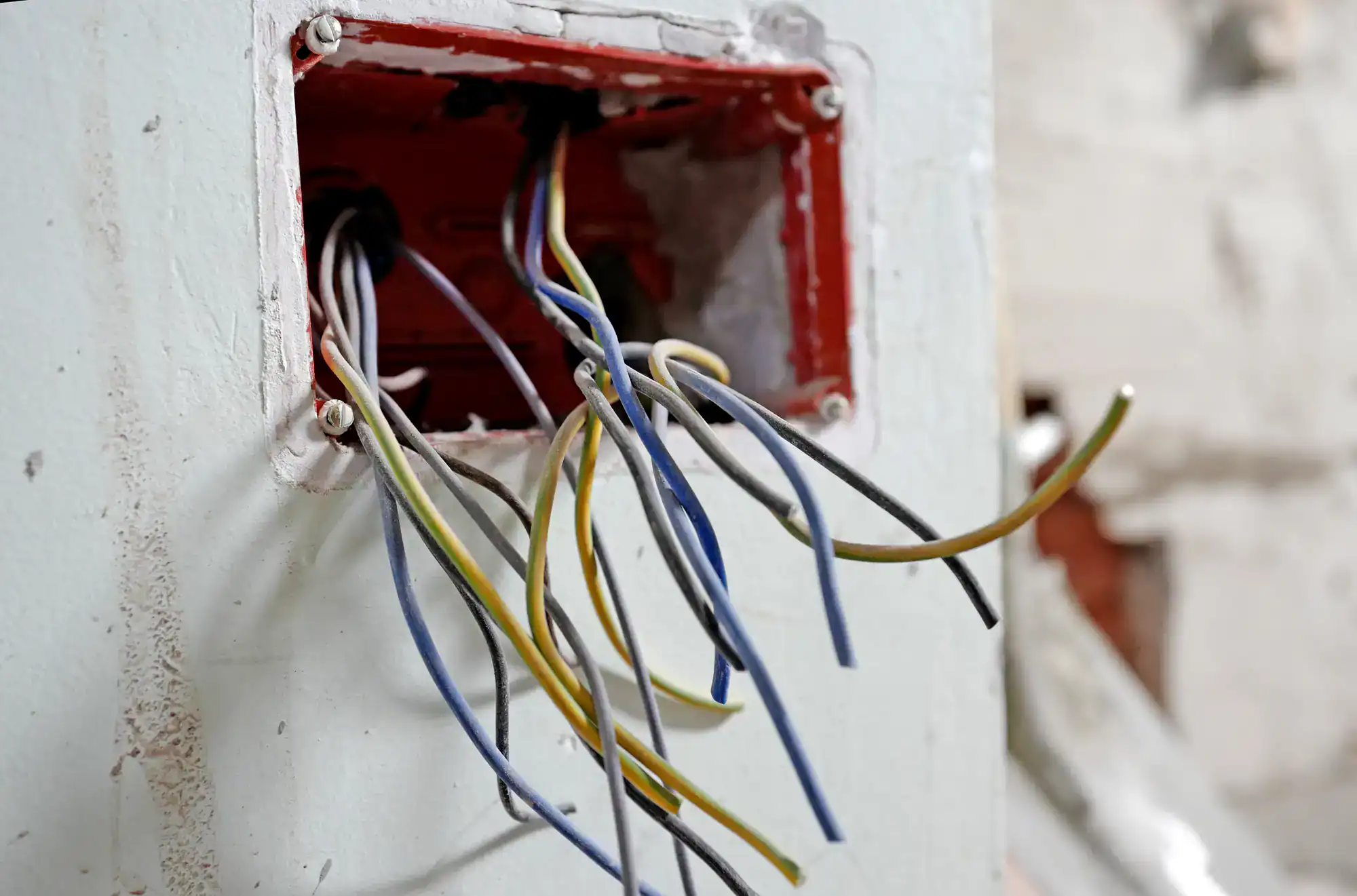
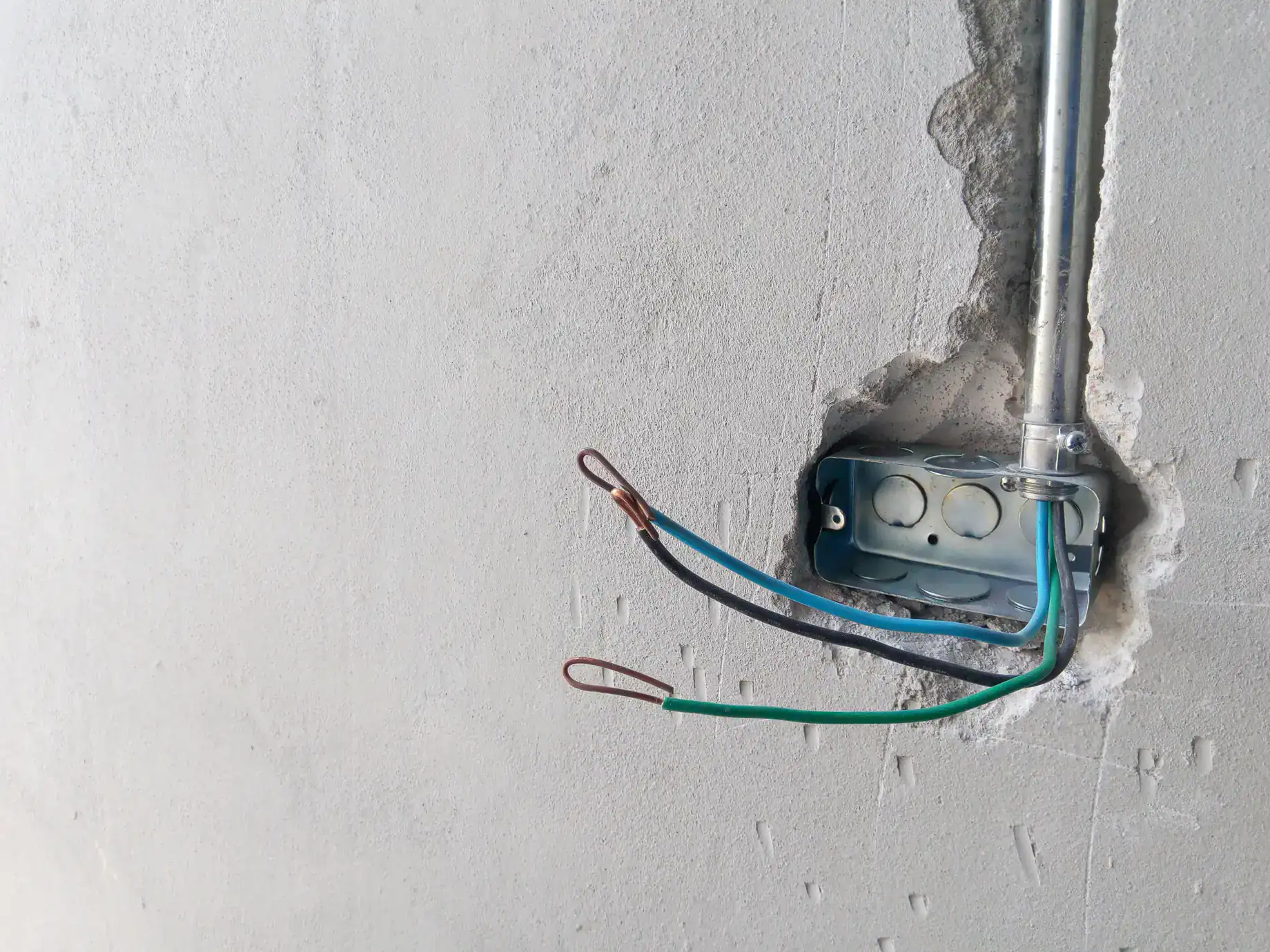
Your insurance company stops threatening to drop your coverage. Your electrical panel can finally handle modern appliances without tripping breakers. Your home is safe from the fire risk that comes with 80-year-old cloth-wrapped wiring.
And here’s what you don’t get: destroyed plaster walls that need extensive repair work. Dust everywhere for weeks. A patching job that never quite matches your original horsehair plaster.
We use a camera system that goes through your existing outlets to locate and remove old wiring from inside the walls. If there’s any damage at all, it’s minimal—maybe a small notch here or there. Not the gutted walls and ceiling repairs you’d get from every other electrician in Rhode Island.
This matters in Little Compton, RI, where over a third of homes were built before 1950. Your home has character that’s impossible to replicate. Original plaster and lath construction that modern materials can’t match. The last thing you want is someone tearing through your walls to upgrade the electrical system.
You get a fully upgraded, code-compliant electrical system. 200-amp service that handles everything your family needs. Grounded outlets throughout. And walls that look exactly like they did before we started.
We’ve been upgrading electrical systems in Rhode Island’s historic homes since before insurance companies started cracking down on knob and tube wiring. We’re licensed Master Electricians who’ve completed over 1,500 projects across the state.
We know Little Compton’s housing stock. We know that homes here have median values around $800,000—more than double Rhode Island’s average. We know you’re not looking for the cheapest option. You’re looking for someone who won’t destroy what makes your home valuable.
That’s why we invested in camera inspection technology that no other electrician in the area uses. We saw too many beautiful historic homes getting torn apart by traditional removal methods. There had to be a better way, so we found one.

We start with a camera inspection through your existing outlets. The camera goes inside your walls and shows us exactly where the old wiring runs, where junction boxes are hidden, and whether there’s any damage from mice or deterioration. This is the diagnostic phase—we’re mapping everything before we touch anything.
Once we know what we’re dealing with, we remove the old knob and tube wiring through the same access points. No cutting into walls to trace wire paths. No opening up ceilings to find junction boxes. The camera already showed us everything we need to know.
Then we install your new electrical system. Modern romex wiring that’s grounded and code-compliant. A new 200-amp panel with proper circuit breakers. GFCI outlets in kitchens and bathrooms. Everything gets inspected and documented for your insurance company.
The whole process typically takes a few days, depending on your home’s size. You’ll have some outlets and fixtures temporarily disconnected while we work, but you’re not living in a construction zone. No plastic sheeting everywhere. No drywall dust coating your furniture. No waiting weeks for a plasterer to come repair walls.
When we’re done, your electrical system is completely modern. Your walls look untouched. And you have the documentation you need to restore your insurance coverage.

Ready to get started?
You get a complete electrical system replacement. We’re not patching in new circuits alongside old knob and tube wiring—we’re removing all of it and starting fresh with a modern system built to current Rhode Island electrical code.
That includes a new 200-amp electrical panel. Most Little Compton, RI homes built before 1950 have 60-amp service, which was fine when the biggest electrical load was a few lights and a refrigerator. Now you need capacity for HVAC systems, kitchen appliances, computers, and everything else modern life requires.
You get grounded outlets throughout your home. Knob and tube wiring has no ground wire, which is why you can’t safely plug in three-prong appliances. Modern romex wiring includes proper grounding for safety and code compliance.
We provide complete documentation for your insurance company. They want proof that a licensed electrician did the work and that it passed inspection. You’ll have both within days of completion. Most of our clients get their coverage reinstated immediately once they submit our paperwork.
And you get all of this with minimal disruption to your home. The camera system means we’re not exploratory cutting into walls to see where wiring runs. We know before we start. In a town where historic homes are the norm and property values reflect that character, this approach makes sense. You’re preserving what makes your home valuable while upgrading what makes it safe.

Most insurance companies in Rhode Island either won’t cover homes with active knob and tube wiring or give you 30 days to remove it after purchasing a policy. They see it as a fire liability they’re not willing to take on.
Once we complete your knob and tube wiring replacement, we provide documentation that a licensed Master Electrician performed the work and that it passed inspection. That’s what your insurance company needs to reinstate or approve coverage.
Most of our clients have their coverage restored within days of submitting our paperwork. The insurance company just wants proof the fire risk is gone. We give them that proof with proper documentation and inspection certificates.
The cloth insulation around knob and tube wiring breaks down after decades. What protected the wiring in 1940 is now brittle, cracked, or completely gone in 2025. That means bare copper wires can contact wood framing—which is exactly how electrical fires start.
Knob and tube wiring also has no ground wire. If there’s a short circuit or fault, there’s no safe path for electricity to follow. Modern grounded systems protect you from shock and fire. Old knob and tube systems don’t.
And these systems weren’t designed for modern electrical loads. Your home might have been wired for 60 amps when a few lights and a radio were the biggest draws. Now you’re running HVAC, kitchen appliances, computers, and phone chargers. The wiring can’t handle it safely, which is why breakers trip constantly—or worse, why wires overheat inside your walls.
We use a specialized camera system that other electricians in the area don’t have. The camera inserts through your existing outlets and shows us exactly where wiring runs inside your walls. We can see junction boxes, wire paths, and any damage or deterioration before we start work.
This means we’re not cutting exploratory holes to trace where wires go. We already know. We can remove the old wiring through existing access points without opening up your walls and ceilings.
If there’s any wall damage at all, it’s minimal—maybe a small notch in one or two spots. Nothing like the traditional approach where electricians cut open sections of plaster to access wiring, then you’re left coordinating with a plasterer to repair everything. And if you have original horsehair plaster, good luck finding someone who can match it perfectly. Our camera system avoids that entire problem.
Horsehair plaster was the standard in homes built before 1950. Actual horse hair was mixed into the plaster to add strength and prevent cracking. It’s incredibly durable—that’s why it’s still intact in your home 75+ years later.
But modern plaster doesn’t include horsehair, and the texture and composition are different. When someone patches horsehair plaster with modern materials, you can see the repair. The color doesn’t quite match. The texture is slightly different. It’s obvious someone cut into the wall.
In Little Compton, RI, where home values average around $800,000 and historic character drives property value, visible plaster repairs are a real problem. You’re diminishing what makes your home valuable. Our camera-based knob and tube removal process preserves your original plaster completely, so you never have to worry about mismatched repairs or visible damage.
Most homes take between three to five days for complete knob and tube wiring replacement, depending on the size of your home and how much wiring needs to be removed. A smaller cottage might be done in three days. A larger historic home might take a full week.
You’ll have some outlets and light fixtures temporarily disconnected while we work on specific circuits, but you’re not without power for days. We work section by section so you maintain functionality in most of your home throughout the project.
Because we use a camera system instead of cutting open walls, the timeline is faster than traditional removal methods. We’re not waiting for plasterers to come repair walls before we can move to the next phase. We remove the old wiring, install the new system, complete the inspection, and you’re done. No extended construction period. No living in a torn-up house for weeks.
Yes. After we complete your knob and tube wiring removal and install your new electrical system, everything gets inspected to confirm it meets current Rhode Island electrical code. We’re Electrical Inspector Certified and members of the Rhode Island Electrical Inspectors IAEI, so we know exactly what inspectors are looking for.
Once the inspection passes, we provide you with all the documentation your insurance company needs. That includes proof that a licensed Master Electrician performed the work and that it passed official inspection. This is what insurance companies require before they’ll approve or reinstate coverage.
Most of our clients submit this documentation and have their coverage restored within days. The insurance company just wants confirmation the fire risk is eliminated. Our paperwork gives them that confirmation, and you can stop worrying about losing your homeowner’s insurance over outdated wiring.