Generator Installation in Hopkinton, RI

Power That Stays On When Everything Else Doesn't

Your home stays protected during Rhode Island’s storms with automatic backup power that kicks in before you even notice the lights went out.
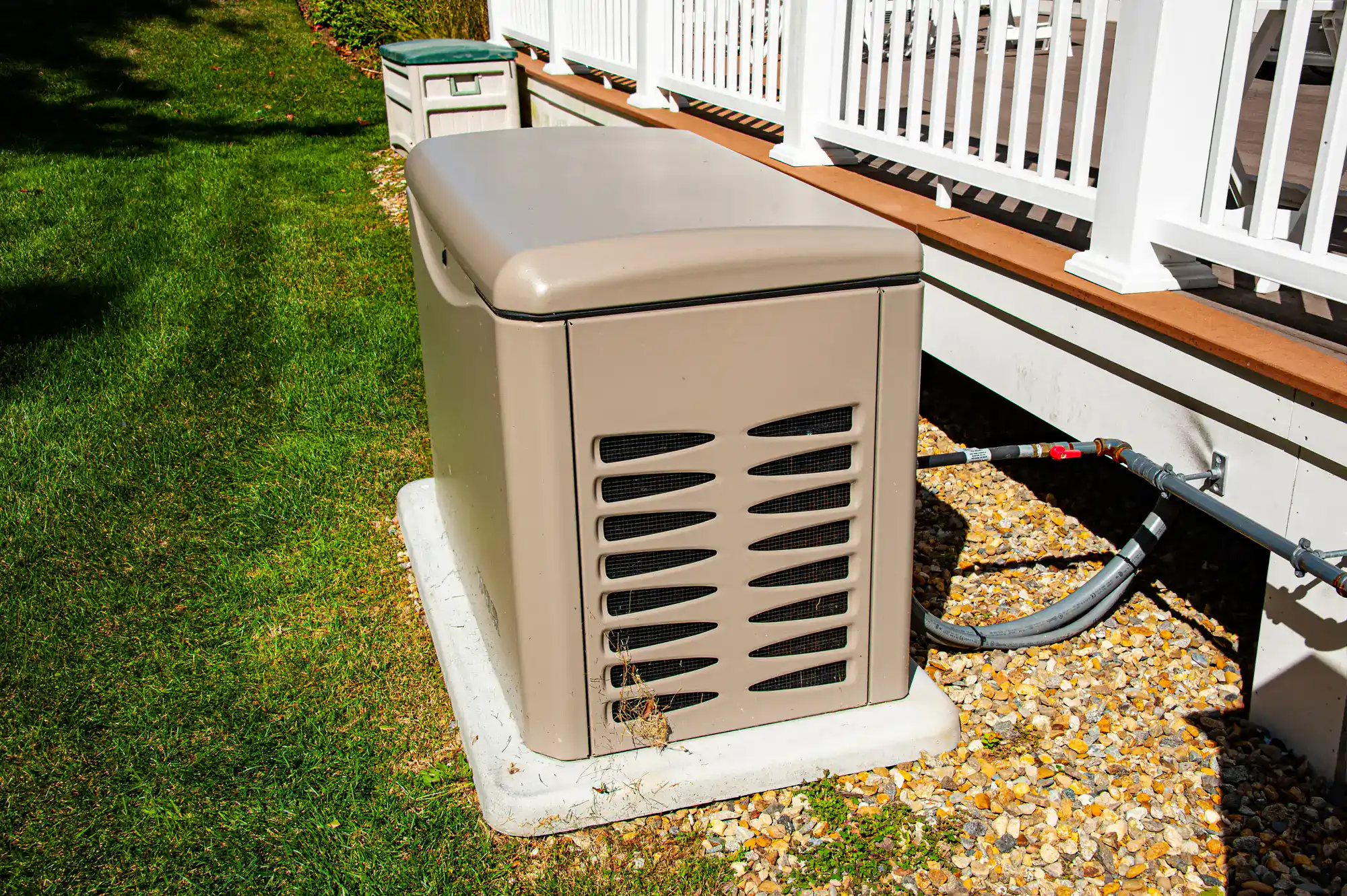
A beige standby generator sits on a concrete pad next to a house with white railing in RI, surrounded by grass and small rocks, with cables connected—installed by skilled electricians Providence County trusts.
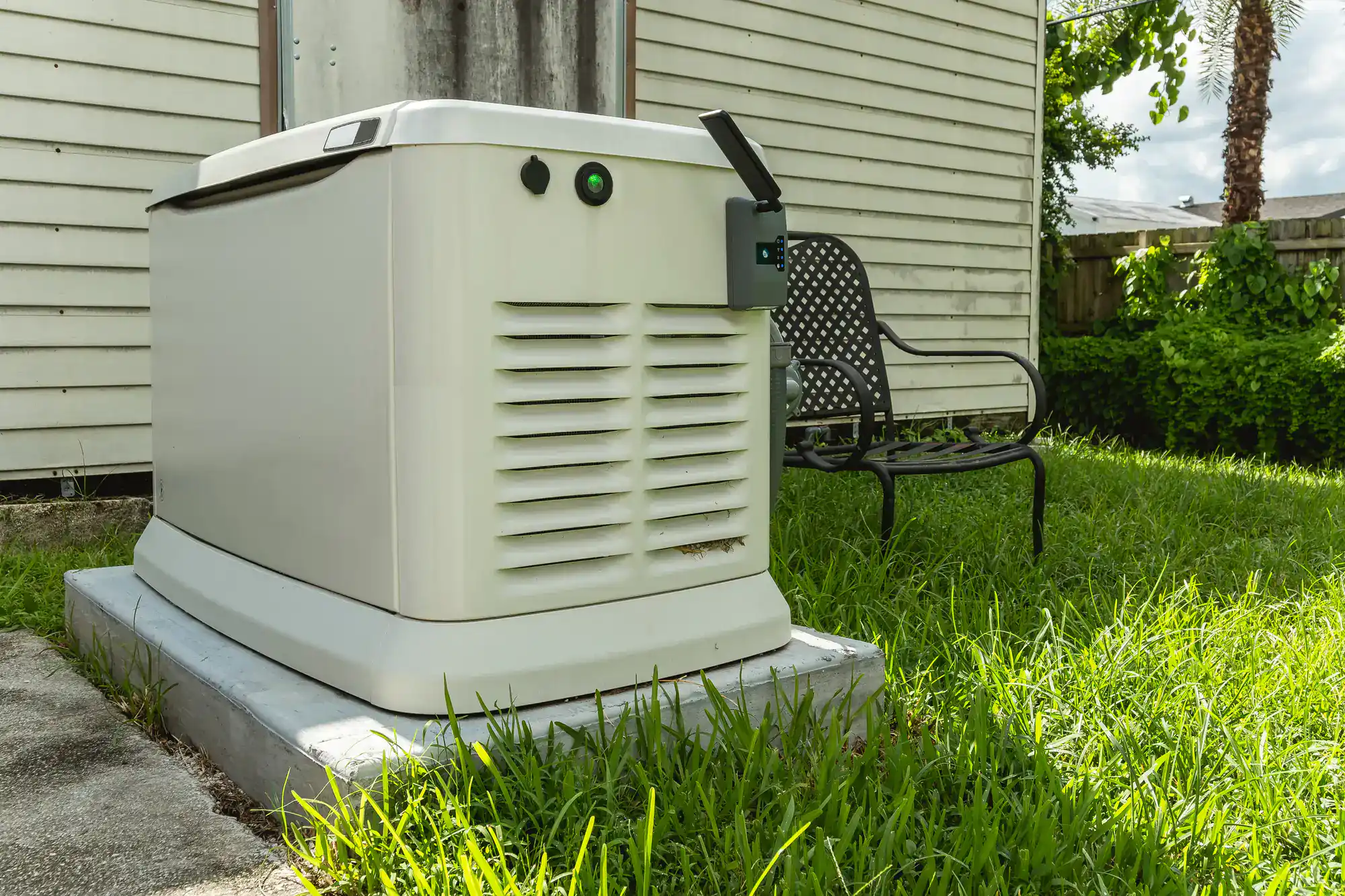
A standby home generator, installed by expert electricians in Providence County, RI, sits on a concrete pad next to a house with white siding, a metal outdoor bench, and green grass nearby.

Home Generator Installation Hopkinton, RI

What Happens When Your Power Actually Works

You’re not sitting in the dark wondering when the power comes back. Your refrigerator keeps running, your sump pump keeps working, and your house stays warm when the next winter storm rolls through Hopkinton.

Rhode Island ranks fifth in the country for power outage frequency. That’s not a maybe—it’s a pattern. High winds, ice storms, hurricanes—they all hit this area, and the grid goes down more often than it should.

A standby generator installation in Hopkinton, RI means you don’t scramble for flashlights or worry about frozen pipes. The system detects the outage, starts itself within seconds, and keeps your home running until utility power returns. Then it shuts down automatically and goes back to standby mode.

You get to keep living normally while your neighbors are dealing with spoiled food and cold showers. That’s the difference between having backup power and hoping the outage doesn’t last too long.

Certified Generator Installer Hopkinton, RI

Licensed Electricians Who've Done This for Decades

We’ve been handling electrical work across Rhode Island for over 30 years. We’re not new to this, and we’re not learning on your property.

We’re a Generac authorized dealer with certified technicians who know how to size, install, and wire these systems correctly. That matters because a generator that’s too small won’t run your whole house, and one that’s improperly installed can fail when you actually need it.

Hopkinton homeowners are protecting property values that average nearly $250,000. You need a generator electrician in Hopkinton, RI who understands local code requirements, knows how to work with your existing electrical panel, and won’t cut corners on the installation. We’re licensed Master Electricians, and we treat every job like it’s going in our own home.

A person in RI pours green engine oil from a bottle into a blue funnel connected to a yellow portable generator, often used by electricians in Providence County, placed on a concrete surface outdoors.

Standby Generator Installation Hopkinton, RI

Here's Exactly What Happens During Your Install

We start with a site assessment at your Hopkinton property. We look at your electrical panel, figure out what you need to keep running during an outage, and recommend the right size generator—usually between 13kW and 22kW for most homes.

Once you approve the plan, we handle the permits and coordinate with your gas provider if you’re running on natural gas or propane. Then we install the generator on a concrete pad outside your home, typically near your electrical meter and gas line to keep installation clean and code-compliant.

The automatic transfer switch gets wired into your electrical panel. This is the brain of the system—it monitors utility power and tells the generator when to start. We test everything to make sure it fires up correctly, runs smoothly, and switches back to utility power without any issues.

The whole process usually takes one to two days depending on your setup. When we’re done, you have a turnkey system that requires nothing from you except occasional maintenance. The generator tests itself weekly, and you’ll barely notice it’s there until the power goes out.

An electrician wearing a hard hat and gloves installs or repairs electrical wiring connected to a wall-mounted control box outdoors—a common task for electricians in Providence County, RI, as he handles cables secured in black tubing.

Explore More Services

About Lightning Electric

Generator Electrician Services Hopkinton, RI

What's Included in a Complete Generator Installation

You get the generator unit itself—we install Generac systems because they’re reliable and we’re factory-certified to service them. The installation includes the automatic transfer switch, all electrical wiring from your panel to the generator, and the connection to your fuel source.

We pull the permits, schedule inspections, and make sure everything meets Rhode Island electrical code. That’s not optional—it’s required, and it protects you if you ever sell your home or file an insurance claim.

In Hopkinton, most installations run on natural gas if it’s available at your property, or propane if you’re in a more rural area. Natural gas means you never run out of fuel during extended outages. Propane gives you the same reliability with a tank that gets refilled periodically.

You also get a system that monitors itself. Modern standby generators run a self-test every week to make sure they’re ready when you need them. If something’s wrong, you’ll know before the next storm hits. And because we’re local to Rhode Island, we’re available for service calls, annual maintenance, and any repairs down the road.

A white standby home generator sits on a concrete pad in a grassy backyard, surrounded by lush green trees and bushes—installed by expert electricians in Providence County, RI.

How much does a home generator installation cost in Hopkinton, RI?

Most complete home generator installations in Hopkinton run between $13,500 and $16,500 for a turnkey setup. That includes the generator unit, automatic transfer switch, all wiring and electrical work, permits, and labor.

The final cost depends on the size of the generator you need and how complex your electrical setup is. A 13kW unit that powers essential circuits costs less than a 22kW system that runs your entire house. If we need to upgrade your electrical panel or run a longer gas line, that adds to the total.

You’re not just buying a generator—you’re paying for a certified installation by licensed electricians who know Rhode Island code requirements. Cheap installations fail inspections or break down when you actually need backup power. We do it right the first time so you don’t pay twice.

Most residential standby generator installations take one to two days once we have permits approved and equipment on site. The timeline depends on your property and whether we need to coordinate with your gas company.

Day one usually involves setting the generator on a concrete pad, running electrical conduit, and installing the automatic transfer switch in your panel. Day two covers final connections, testing, and inspection. If your setup is straightforward and everything goes smoothly, we can sometimes finish in a single day.

Permit approval adds time before we start work—usually one to two weeks depending on the town’s schedule. We handle that process for you so you don’t have to deal with paperwork or follow up with inspectors.

Most homes in Hopkinton need a generator between 13kW and 22kW. The right size depends on what you want to run during an outage and how large your home is.

A 13kW generator handles essential circuits—refrigerator, some lights, furnace or boiler, sump pump, and a few outlets. That’s enough to keep you safe and comfortable during an outage. An 18kW to 22kW unit can power your entire house including central air conditioning, electric dryer, and all appliances at once.

We calculate the load based on your electrical panel and what circuits matter most to you. Oversizing wastes money on a bigger unit and higher fuel consumption. Undersizing means you’re flipping breakers or choosing between running your heat and your refrigerator. We size it correctly so the system works the way you expect it to.

Yes. Any standby generator installation in Hopkinton requires an electrical permit and inspection. This isn’t optional—it’s Rhode Island law, and your town enforces it.

The permit process ensures your installation meets electrical code and safety standards. It also protects you if you sell your home or need to file an insurance claim after storm damage. Unpermitted work can void your homeowner’s insurance and create liability issues.

We handle the permit application and schedule the inspection as part of our installation service. You don’t need to visit town hall or deal with paperwork. Once the work passes inspection, you get documentation that proves your generator was installed correctly by licensed electricians.

Your generator needs professional maintenance once a year. That service typically costs $150 to $300 and includes an oil change, filter replacement, battery check, and full system test.

Annual maintenance keeps your generator reliable when you actually need it. Rhode Island’s weather means you’re likely to use your backup power several times a year during storms. Regular service catches small issues before they become expensive repairs or cause the system to fail during an outage.

The generator runs a self-test every week automatically—you’ll hear it run for a few minutes and then shut down. That’s normal and doesn’t require anything from you. But the annual service visit from a technician ensures everything’s working correctly and the unit is ready for the next power outage.

Yes, if it’s sized correctly. A whole-house generator installation in Hopkinton typically uses an 18kW to 22kW unit that can power everything in your home at the same time—heating and cooling, all appliances, lights, outlets, and electronics.

The automatic transfer switch connects to your main electrical panel and powers all your circuits just like utility power does. You won’t need to choose what stays on or manually switch between circuits. Everything works normally, and most people don’t even realize the generator is running unless they hear it outside.

If you want to save money on the installation, you can choose a smaller generator that only powers essential circuits. That means selecting specific breakers in your panel—usually heat, refrigerator, some lights, and critical outlets. Both approaches work. It just depends on your budget and how much convenience you want during an outage.

Other Services we provide in Hopkinton