

For over 30 years, we’ve powered Rhode Island with expert electrical services delivered with a personal touch. Discover our story and commitment to quality.
Contact Info
- List Item
For over 30 years, we’ve powered Rhode Island with expert electrical services delivered with a personal touch. Discover our story and commitment to quality.
Contact Info
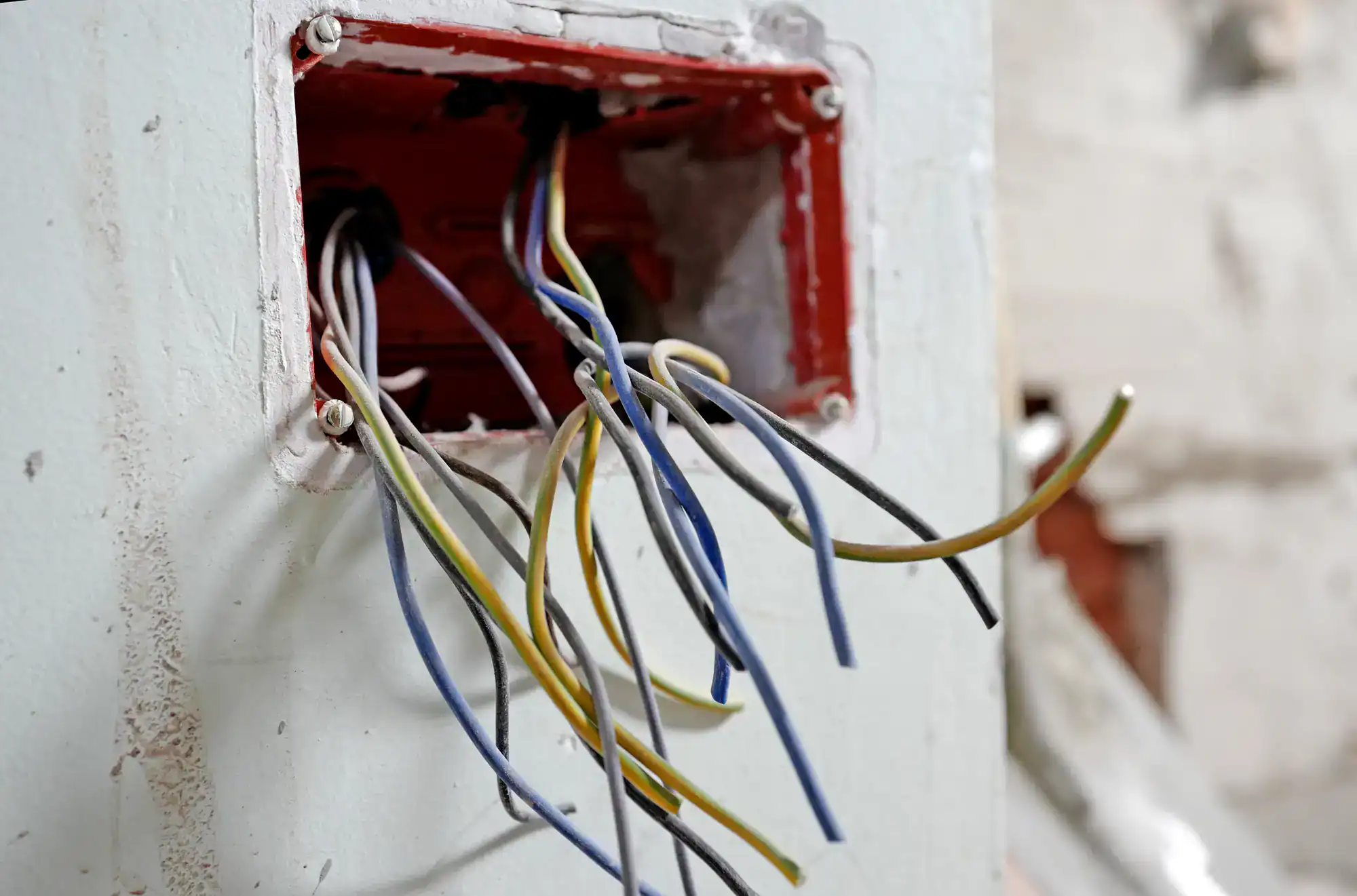
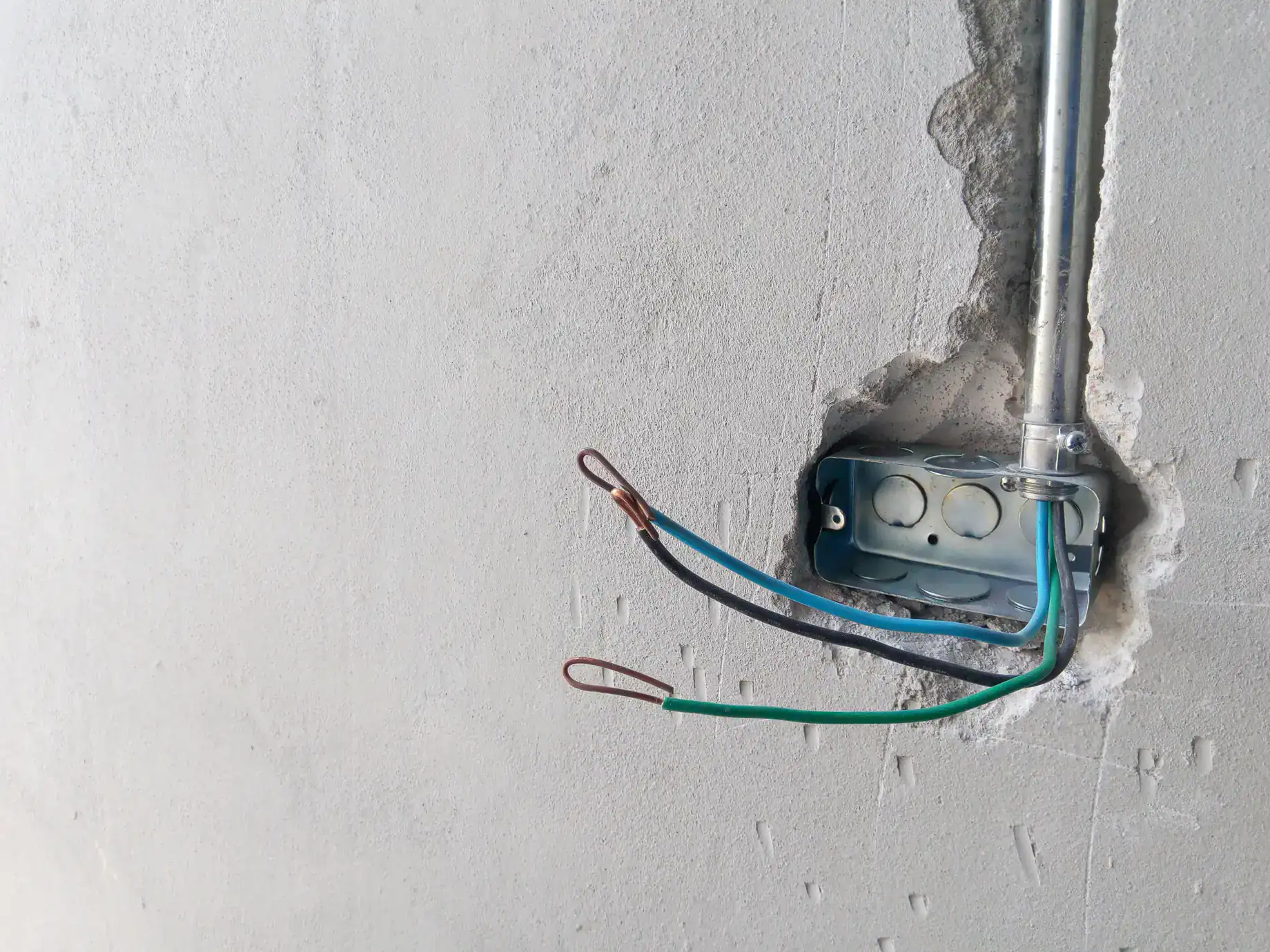
You got the letter. Your insurance company found knob and tube wiring during an inspection, and now you have 30 days to remove it or lose your coverage. Maybe they’ve already dropped you.
Here’s what most electricians will tell you: they need to cut open your walls, remove the old wiring, install new circuits, and then you’ll need to hire a plasterer to patch everything back up. If you have horsehair plaster from the early 1900s—common in Hopkinton’s historic homes around Hope Valley, Ashaway, and Bradford—that repair work gets expensive fast. Horsehair plaster is nearly impossible to match, and the dust from removal gets everywhere for months.
We don’t work that way. We insert a specialized camera system through your existing outlets to locate and remove knob and tube wiring from inside your walls. No cutting. No notching. No damage to your original plaster. If there’s any mark at all, it’s minimal—a small access point at most, not a demolition site.
You get modern, grounded electrical circuits that meet code and satisfy your insurance company. Your walls stay intact. And you’re not spending weeks coordinating plasterers and painters to fix what another electrician tore apart.
We’ve spent over 30 years working in Rhode Island’s older homes. We’re not a general contractor trying to figure out your electrical system. We’re licensed Master Electricians who’ve dealt with cloth-wrapped wiring held up by porcelain knobs thousands of times.
Hopkinton has one of the highest concentrations of pre-1950 homes in the state. Your house in Barberville, Bethel, or Canonchet was probably built when knob and tube was standard. We understand how those systems were installed, where they run, and how to replace them without turning your home into a construction zone.
Nobody else in the area uses our camera inspection system. Every other electrician will cut into your walls because that’s the only way they know how to work. We built our process specifically for homeowners who want the wiring gone but the walls left alone.

We start with a camera inspection. Our system goes through your outlets and into the walls to see exactly where the knob and tube wiring runs, what condition it’s in, and whether there are any hidden junction boxes or open joints that need attention. The camera also catches things like mouse damage or deteriorated insulation that you wouldn’t know about until it became a bigger problem.
Once we map out the system, we use the same access points—your existing outlets and minimal entry spots in accessible areas like attics or basements—to remove the old wiring. We’re not tearing into your horsehair plaster or cutting exploratory holes to “see what’s in there.” We already know what’s in there because we looked with the camera first.
Then we install new wiring that’s grounded, up to code, and capable of handling the electrical load your family actually uses. Modern appliances, electronics, and lighting all need more power than knob and tube wiring was ever designed to carry. You’ll have circuits that work safely, and your insurance company gets the documentation they need to reinstate your coverage.
Most of our clients see their insurance restored within days. Some even see their premiums drop because the fire risk is gone.

Ready to get started?
You’re not just paying to rip out old wiring. You’re paying for a process that protects your home’s character while bringing your electrical system into the 21st century.
Our camera inspection identifies every section of knob and tube wiring in your walls, so nothing gets missed. That’s critical for insurance purposes—if even one active section remains, your coverage is still at risk. We document everything and provide the proof your insurance company requires: licensed electrician, passed inspection, full removal.
The removal itself is done without damaging your walls. If you have original horsehair plaster—and many homes in Hopkinton’s historic villages do—that matters. Horsehair plaster has a texture and feel that modern drywall can’t replicate. It’s also a mess to remove and expensive to repair. Our process keeps it intact.
You also get modern electrical capacity. Knob and tube wiring wasn’t designed for the number of devices your household runs today. We install circuits that can handle your actual usage without overheating or tripping breakers every time you run the microwave and the coffee maker at the same time.
More than 30 percent of Rhode Island homes were built before 1940, and a lot of them still have knob and tube wiring. You’re not alone in dealing with this. But you do need to deal with it—and you don’t need to destroy your walls to do it.

Yes. Most insurance companies will not cover homes with active knob and tube wiring, and if they discover it during an inspection, they’ll send you a cancellation notice—usually with a 30-day deadline to remove it.
Some companies offer a grace period if you can prove you’re actively working on removal, but that’s not guaranteed. If your policy gets canceled and you don’t have the wiring replaced, you’ll be forced into high-risk insurance that can cost triple what you’re paying now. And if you’re trying to sell your home, buyers will struggle to get coverage, which kills deals.
The reason insurers care so much is fire risk. Knob and tube wiring wasn’t designed for modern electrical loads, and the insulation around the wires degrades over time. That creates real danger, especially if the system has been modified incorrectly over the years—which is common. Insurance companies don’t want to take that risk, so they won’t cover it.
We use a specialized camera inspection system that no other electrician in the area has. The camera goes through your existing outlets and into the walls, so we can see exactly where the wiring runs and what condition it’s in without opening anything up.
Once we know the layout, we remove the old wiring using those same access points—outlets, attic spaces, basement areas—and fish the new wiring through without cutting into your plaster. It’s the same technique used for running cable or network lines, but applied to full electrical rewiring.
If your home has horsehair plaster, this approach saves you thousands of dollars in repair costs. Horsehair plaster is difficult to match and extremely messy to remove. Most electricians don’t have the tools or training to work around it, so they just cut it open. We don’t. Your walls stay intact, and you’re not dealing with dust and patching work for weeks after the electrical job is done.
It depends on the size of your home and how much wiring needs to be replaced. Most jobs in Hopkinton range between $12,000 and $36,000. That’s not cheap, but it’s also not optional if you want to keep your insurance or sell your home.
The cost covers inspection, removal, installation of new grounded circuits, and documentation for your insurance company. If you go with a traditional electrician who cuts into your walls, you’ll also need to budget for plaster repair and repainting—which can add several thousand dollars to the total. Our process eliminates that extra cost because we’re not damaging your walls in the first place.
Some homeowners try to get s from multiple electricians and go with the lowest price. That’s fine, but make sure you’re comparing the same scope of work. If one includes wall repair and another doesn’t, you’re not looking at an apples-to-apples comparison. And if the cheaper option means your horsehair plaster gets destroyed, you’ll pay for that mistake long after the electrician is gone.
Technically, yes—knob and tube wiring isn’t illegal, and if it’s in good condition and hasn’t been modified, it can still function. But that doesn’t mean it’s safe or that you should leave it.
The bigger issue is insurance. If your insurer knows you have knob and tube wiring, they will not cover your home. That’s a dealbreaker for most people. Even if you’re willing to take the risk, your mortgage lender won’t be—they require you to carry insurance.
There’s also the fire risk. Knob and tube wiring wasn’t designed for the electrical load modern households put on it. Every phone charger, laptop, kitchen appliance, and HVAC system draws power that the original system wasn’t built to handle. Over time, that causes overheating. Add in old insulation that’s deteriorated or been chewed by rodents, and you’re looking at a real hazard every time you flip a light switch.
If you’re planning to sell, buyers will have the same insurance problem you do. That means fewer offers, lower prices, or deals that fall through entirely. Removing the wiring now protects your investment and eliminates a major liability.
Nothing. That’s the whole point of our camera system. Your horsehair plaster stays exactly where it is.
Horsehair plaster is one of the biggest concerns we hear from homeowners in Hopkinton’s older neighborhoods. It’s original to your home, it has a texture and character that drywall can’t replicate, and it’s incredibly difficult to repair if it gets damaged. Most plasterers today don’t even know how to work with it. The ones who do charge a premium, and even then, the repair rarely matches the original.
Traditional electricians don’t have a way around this. They cut into the plaster to access the wiring, and then you’re left coordinating repairs after they leave. The dust from removing horsehair plaster gets into everything—your furniture, your HVAC system, your belongings. People find it months later.
We don’t create that problem. Our camera goes through the outlets, we map the wiring, and we remove it without touching your plaster. If there’s any access point needed, it’s minimal and in a location that doesn’t compromise the wall’s integrity. You’re not repainting entire rooms or hiring a specialist to patch up what we tore apart.
Most homes take between three and seven days, depending on size and how much wiring needs to be replaced. A smaller home with straightforward access might be done in three days. A larger home with multiple floors and limited attic or basement access could take a full week.
The timeline also depends on how quickly we can get the inspection scheduled and how long it takes your local building department to approve the final inspection. We handle the permitting and coordinate with inspectors, but we can’t control their schedule.
What we can control is how disruptive the process is. Because we’re not cutting into your walls, you’re not living in a construction zone. There’s no drywall dust, no plastic sheeting dividing your house, no need to move furniture or cover everything in tarps. We work in your attic, basement, and electrical panels—areas that don’t interfere with your daily routine.
Once the work is done and the inspection passes, we provide all the documentation your insurance company needs. Most of our clients have their coverage reinstated within a few days. Some see their premiums drop because the fire risk is gone. And you’re left with an electrical system that works the way it should—without the constant worry that something’s going to overheat or catch fire.