
For over 30 years, we’ve powered Rhode Island with expert electrical services delivered with a personal touch. Discover our story and commitment to quality.
Contact Info
- List Item
For over 30 years, we’ve powered Rhode Island with expert electrical services delivered with a personal touch. Discover our story and commitment to quality.
Contact Info
Ignoring electrical warning signs puts your home at risk. Learn which red flags demand immediate attention from a licensed electrician.
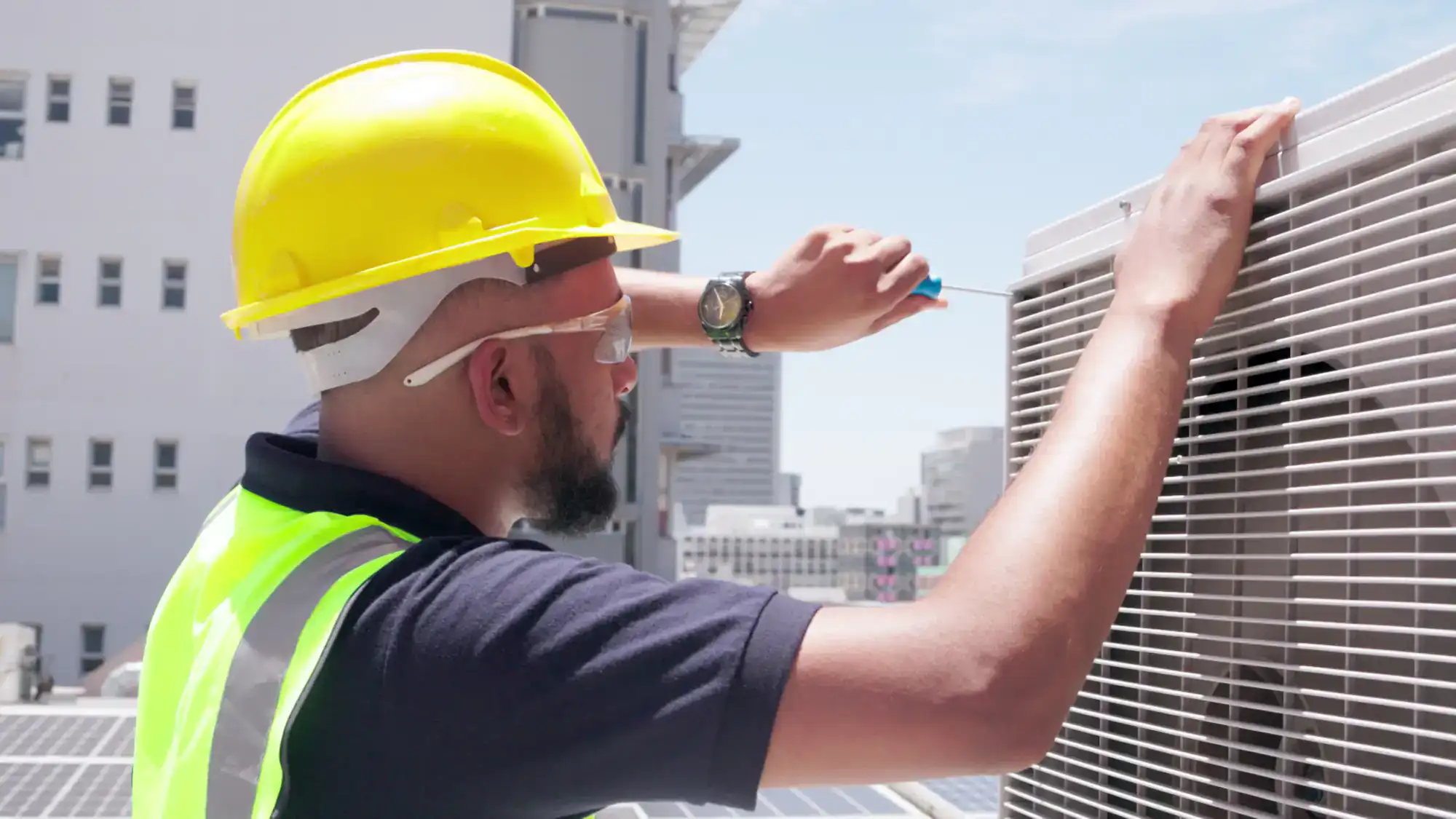
You flip a switch and the lights flicker. Your breaker trips again. An outlet feels warm. Most homeowners brush these off as minor annoyances, but they’re actually your home telling you something’s wrong. Electrical issues don’t fix themselves—they escalate. What starts as a flicker can become a fire, and what feels like a warm outlet can turn into melted wiring behind your walls. The difference between a quick repair and a dangerous emergency often comes down to recognizing the warning signs early. Here’s what you need to watch for and when it’s time to stop waiting and call a licensed electrician.
A light that flickers once in a while probably isn’t cause for alarm. But if it happens consistently—especially when you turn on an appliance—that’s a different story.
Flickering lights usually point to one of three problems: a loose connection somewhere in the circuit, an overloaded circuit that can’t handle the demand, or voltage fluctuations that affect your entire system. All three can damage your electronics and create fire hazards if left unchecked.
If the flickering is isolated to one fixture, it might be as simple as a loose bulb or a worn socket. But if multiple lights flicker throughout your home, or if it happens every time your HVAC kicks on, you’re dealing with something bigger. That’s when you need a licensed electrician to trace the issue and fix it before it gets worse.

You’re blow-drying your hair and the bathroom lights dim. The washing machine starts and the kitchen lights flicker. This happens because large appliances draw a lot of power when they start up, and if your circuit can’t handle the load, the voltage drops momentarily.
A brief, barely noticeable dip is normal. But if your lights dim significantly or stay dim while the appliance runs, your circuit is overloaded. This usually means too many high-demand devices are sharing the same circuit, or your electrical panel is outdated and can’t distribute power efficiently.
Overloaded circuits don’t just dim your lights—they overheat wires, which is one of the leading causes of electrical fires in homes. In Providence County, RI, many older homes were built when electrical demands were much lower. Today’s appliances, electronics, and HVAC systems require more power than these systems were designed to handle.
We can evaluate your panel, redistribute your circuits, or recommend an upgrade if your home’s electrical system is maxed out. This isn’t about convenience—it’s about preventing a fire hazard that’s actively developing in your walls.
When flickering isn’t limited to one room, the problem is usually at the source: your main electrical panel, meter box, or service connection. These are the backbone of your home’s electrical system, and when something’s wrong here, every circuit is affected.
Loose connections at the panel are common, especially in homes that have experienced temperature swings or minor settling over the years. Connections can loosen, creating resistance that causes flickering and generates heat. That heat can damage components and create serious fire risks.
Another possibility is an issue with your utility connection—the point where your home’s electrical system connects to the power grid. If the problem is on the utility side, you’ll need to contact your power company. But if it’s on your side of the meter, it’s your responsibility to fix it, and that requires a licensed electrician.
Flickering throughout your home can also indicate voltage irregularities. Your home should receive a steady voltage supply, typically between 115 and 125 volts. Fluctuations outside this range can damage sensitive electronics, shorten the lifespan of your appliances, and create safety hazards. An electrician can measure your voltage, identify the source of the problem, and restore stable power to your home.
Don’t ignore whole-house flickering. It’s not something that will resolve on its own, and the longer you wait, the more likely you are to face a costly emergency repair—or worse, an electrical fire.
Want live answers?
Connect with a Lightning Electric expert for fast, friendly support.
Circuit breakers are designed to trip. That’s how they protect your home from electrical overloads and short circuits. When a breaker detects too much current flowing through the circuit, it shuts off power to prevent the wiring from overheating.
But if the same breaker trips repeatedly—multiple times a month or more—that’s not protection. That’s a warning. It means your circuit is consistently overloaded, your breaker is failing, or there’s a fault somewhere in the wiring. None of those are problems you can ignore.
Frequent tripping is one of the clearest signs you need a licensed electrician to inspect your system and figure out what’s really going on.
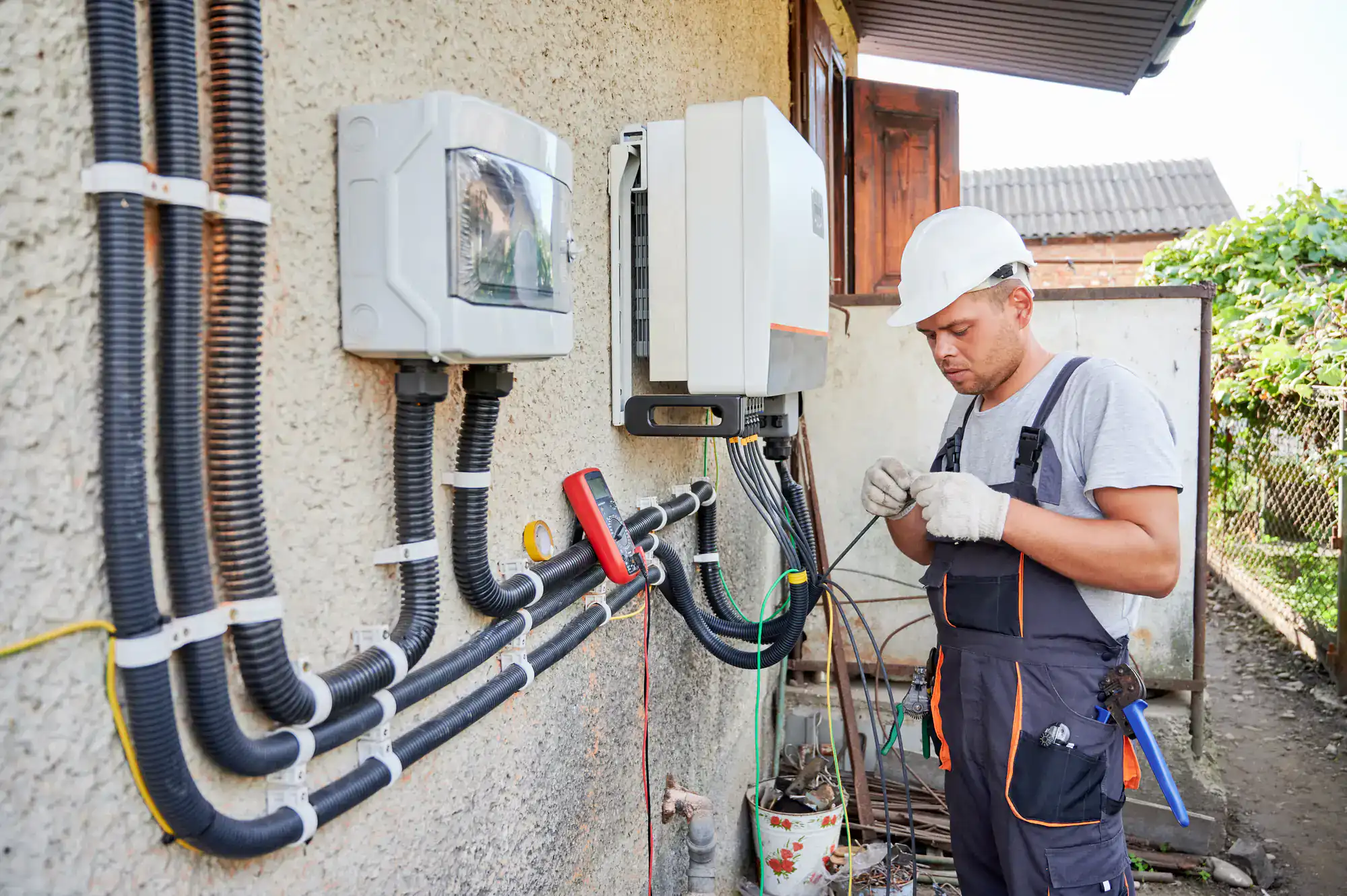
There’s a difference between a circuit that’s overloaded and a breaker that’s worn out. Both cause tripping, but they require different solutions.
An overloaded circuit happens when you’re asking too much from one circuit. Plugging a space heater, hair dryer, and curling iron into the same bathroom circuit will trip the breaker because those devices draw more power than the circuit can handle. The fix is simple: redistribute your devices, or have an electrician add a dedicated circuit for high-demand appliances.
A failing breaker, on the other hand, trips even when the circuit isn’t overloaded. This happens when the internal mechanism wears out, usually after years of use. Breakers don’t last forever—most are rated for 30 to 40 years, but they can fail sooner if they’ve tripped frequently or been exposed to moisture or heat.
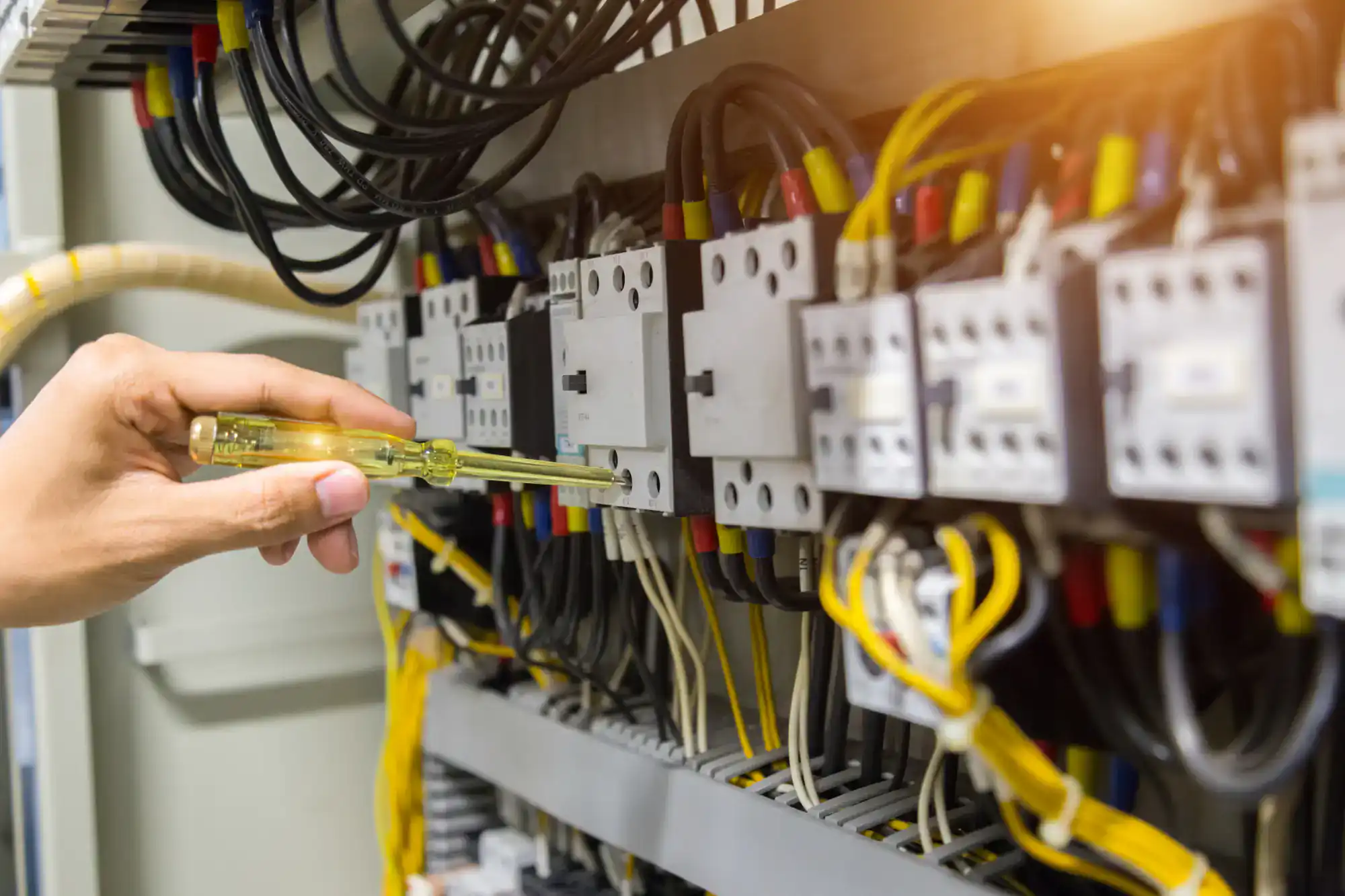
If you’re not sure which problem you’re dealing with, we can test the breaker and the circuit to determine the cause. Replacing a worn breaker is straightforward, but it’s not a DIY job. Working inside your electrical panel is dangerous, and one mistake can cause electrocution or a fire. Leave it to someone who’s trained and licensed.
When a breaker trips, most people just flip it back on and move on with their day. That’s fine if it’s a one-time thing. But if you’re resetting the same breaker over and over, you’re not solving the problem—you’re ignoring it.
Every time a breaker trips, it’s because something triggered it. Maybe you plugged in one device too many. Maybe there’s a short circuit. Maybe the wiring is damaged and arcing inside the wall. You won’t know until someone investigates, and in the meantime, you’re putting your home at risk.
Short circuits and arcing are particularly dangerous because they generate heat. That heat can ignite insulation, wood framing, or anything else nearby. According to the Electrical Safety Foundation International, home electrical fires account for an estimated 51,000 fires each year, nearly 500 deaths, and more than 1,400 injuries. Many of those fires start with warning signs that homeowners ignored.
If your breaker trips once, take note of what you were using at the time and avoid overloading that circuit again. If it trips a second time without an obvious cause, call a licensed electrician. If it trips a third time, don’t reset it—turn off power to that circuit and get help immediately. Your breaker is trying to protect you. Let it.
Electrical problems don’t announce themselves with sirens and flashing lights. They show up as small inconveniences—a flicker here, a warm outlet there, a breaker that trips just a little too often. It’s easy to put them off. But those small signs are your home’s way of telling you something’s wrong, and the longer you wait, the more dangerous and expensive the problem becomes.
If you’re noticing any of the warning signs we’ve covered—flickering lights, frequent breaker trips, burning smells, hot outlets, or buzzing sounds—it’s time to call a licensed electrician. These aren’t issues that fix themselves, and they’re not worth the risk of waiting.
We serve homeowners throughout Providence County, RI with safe, reliable electrical repairs and inspections. If your home is showing signs of electrical trouble, reach out and get it checked before a small problem turns into a big one.
Summary:
Share: