
Generator Repair in New Shoreham, RI

Your Generator Works When the Power Doesn't

Block Island loses power more than anywhere else in the country. When your generator fails during an outage, you need someone who can fix it fast.
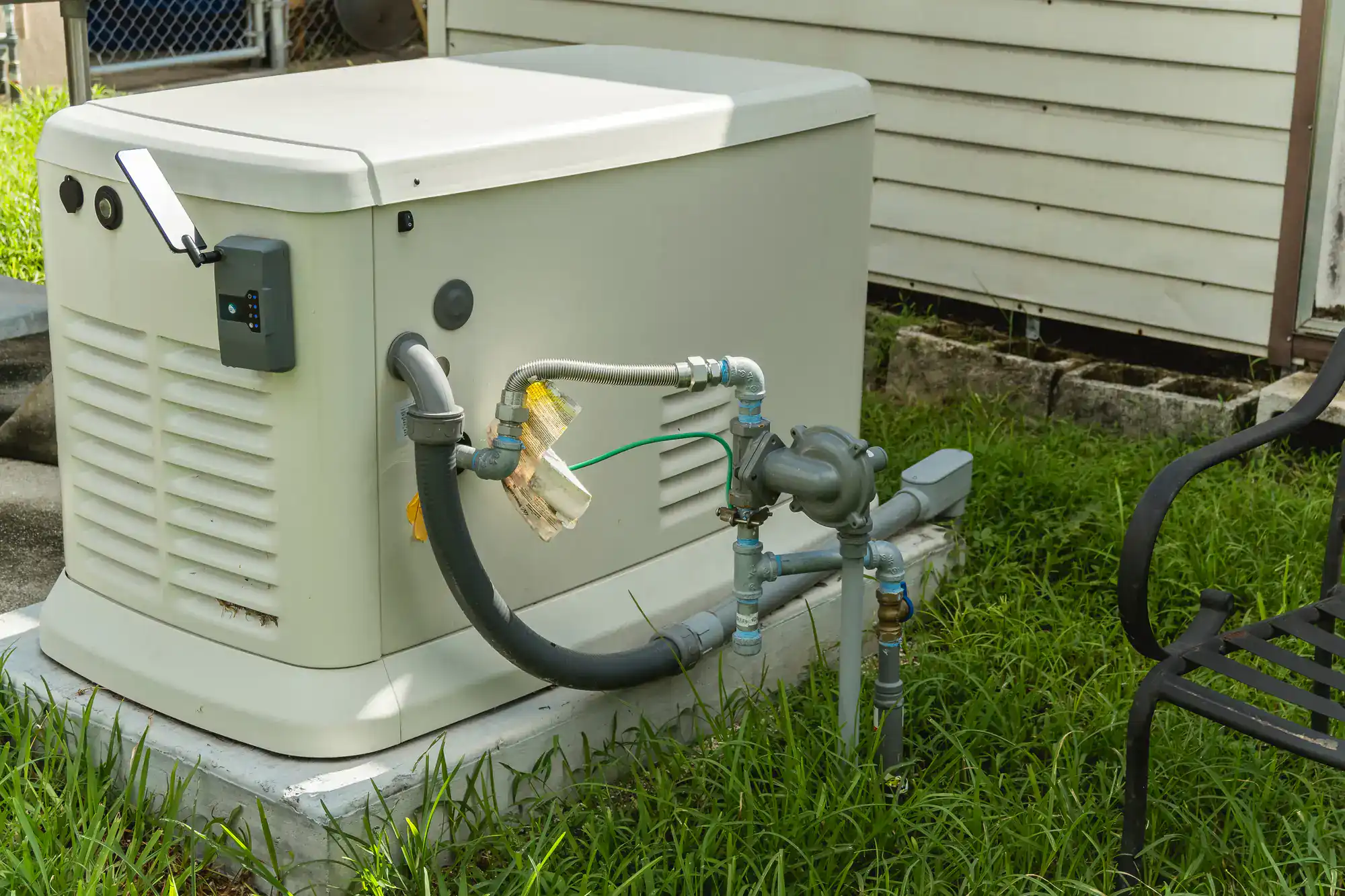
A standby generator, installed by electricians in Providence County, RI, sits on a concrete pad next to a house with electrical and gas connections attached. Overgrown grass surrounds it, and it's located near a black metal bench.
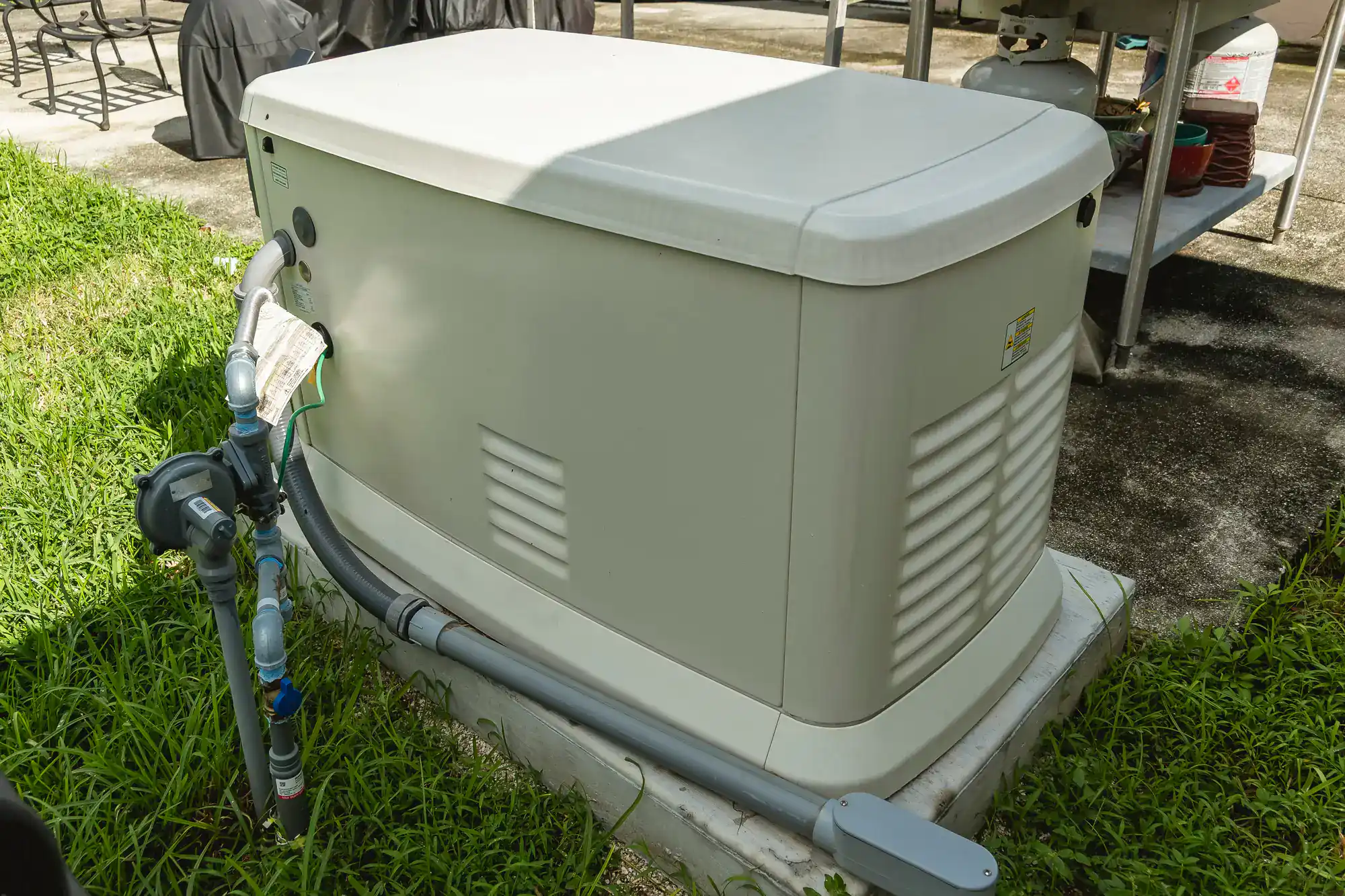
A standby home generator sits on a concrete pad outside in RI, surrounded by grass, with electrical and gas connections professionally installed by electricians Providence County trusts.

Fix Generator Issues Fast

Power Back On, Problem Actually Solved

You’re not looking for a band-aid fix. You need your backup power working before the next storm rolls through, and you need it done right so it doesn’t fail again when you actually need it.

That’s what generator repair in New Shoreham, RI looks like when it’s done properly. We troubleshoot the actual problem—not just the symptom. Dead battery, faulty spark plug, electrical component failure, fuel system issue—we diagnose it, fix it, and test it under load so you know it’ll run when the grid goes down.

Block Island sees more frequent outages than almost anywhere in the region. Nearly half of all customers here deal with power loss regularly. Your generator isn’t optional equipment—it’s what keeps your fridge running, your heat on, and your family comfortable when everyone else is in the dark.

Licensed Generator Electrician Repair

Thirty Years Fixing What Breaks

We’ve been doing electrical work in Rhode Island for over three decades. We’ve seen every type of generator failure you can imagine, and we’ve fixed most of them more than once.

We’re licensed, insured, and we actually show up on Block Island. That matters more than you’d think. A lot of mainland companies won’t make the trip, or they charge you double just to get on the ferry.

We know what coastal storms do to equipment. We know what salt air does to electrical components. And we know that when your generator quits in the middle of a nor’easter, you don’t have time to wait three days for someone to “fit you in.”

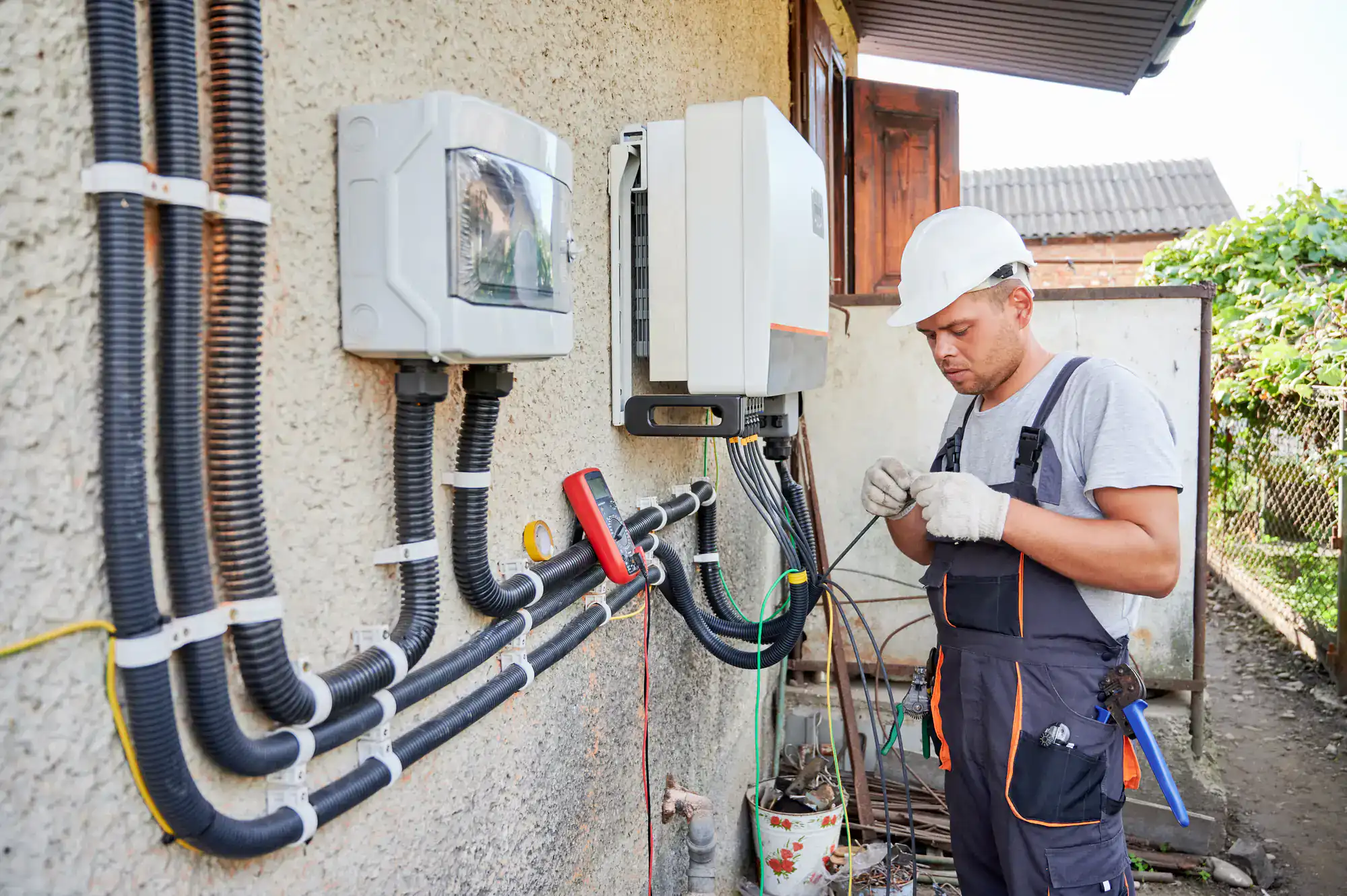
An electrician from electricians Providence County, RI, wearing a white helmet and overalls, works with wires beside an outdoor electrical box mounted on a house wall. Various cables run along the wall and into the box.

Generator Troubleshooting and Repair Process

Here's What Happens When You Call

First, we ask you what’s happening. Won’t start? Starts then dies? Running rough? That tells us where to look first and what tools to bring.

When we arrive, we run a full diagnostic. We’re checking battery voltage, fuel delivery, spark plugs, air filters, control boards, transfer switches—the whole system. Most failures come down to a handful of common issues, but we don’t assume. We test.

Once we’ve identified the problem, we explain what failed, why it failed, and what it takes to fix it. If we have the part on the truck, we handle it on the spot. If we need to order something, we tell you how long it’ll take and whether there’s a temporary workaround.

After the repair, we run the generator under load to make sure it’s actually working—not just starting. You’ll see it run. You’ll hear it stabilize. And you’ll know it’s ready for the next outage.

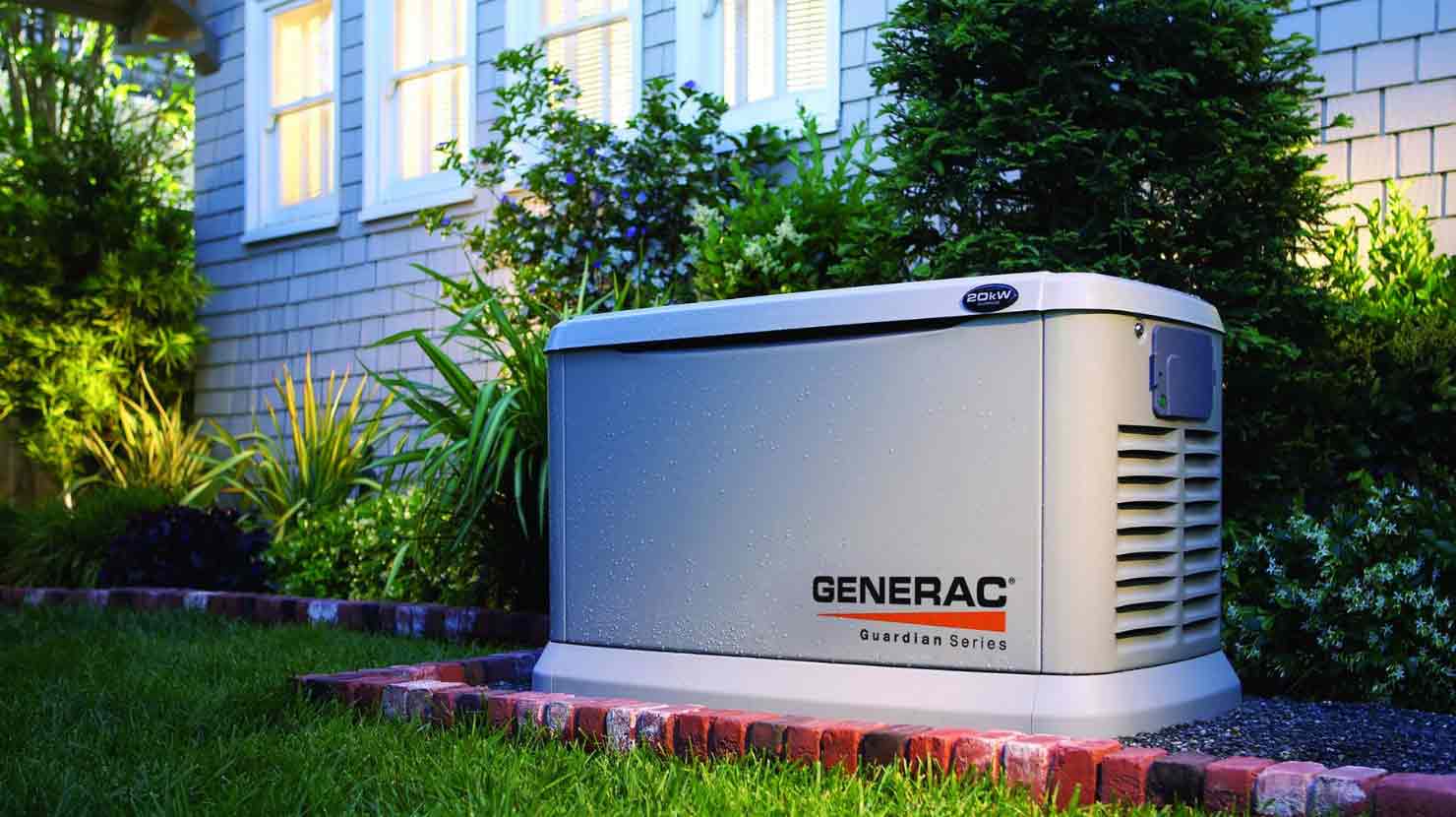
A Generac Guardian Series standby generator sits on mulch beside a brick-sided house in RI, surrounded by green plants and purple flowers near a window—installed expertly by electricians Providence County trusts.

Explore More Services

About Lightning Electric

Residential and Commercial Generator Repair

What You Get With Every Service Call

Every generator repair in New Shoreham, RI starts with a complete system check. We don’t just fix the obvious problem and leave. We look at the whole unit because one failure often points to another issue waiting to happen.

You get a licensed generator service technician who knows the difference between a Generac, a Kohler, and a Cummins. We work on all makes and models—including older units that other companies won’t touch because they’re “too old” or parts are hard to find.

For residential generator repair in New Shoreham, RI, that means we’re looking at your transfer switch, your fuel supply, your battery condition, and your control settings. For commercial generator repair in New Shoreham, RI, we’re also checking runtime logs, load capacity, and whether your automatic transfer switch is responding correctly during simulated outages.

Block Island’s 2025 hurricane season is forecast to be above normal—13 to 19 named storms. Your generator isn’t going to fix itself, and waiting until the storm’s offshore is too late. If it’s not running right now, it won’t run better under pressure.

A Generac Guardian Series standby generator is installed outdoors next to a house in RI, surrounded by green plants and brick edging, with electricians Providence County ensuring safe setup and lights illuminating the area at dusk.

How long does a typical generator repair take in New Shoreham?

Most generator troubleshooting and repair jobs take between one and three hours, depending on what’s wrong. If it’s a straightforward fix—bad battery, clogged fuel filter, fouled spark plugs—we’re usually done in under two hours.

If the issue is more complex, like a failed control board or a problem with the automatic transfer switch, it might take longer. Sometimes we need to order a part that’s not on the truck, and that adds a day or two depending on availability and ferry schedules to Block Island.

We don’t drag things out. You’re paying for our time, and we’ve done this long enough to work efficiently. If something’s going to take longer than expected, we let you know before we keep going.

Dead batteries are the number one cause. Generators sit idle for months, and if the battery isn’t being maintained, it loses its charge. When you need the unit to start, it just clicks or does nothing.

Fuel issues are a close second. Old gas breaks down, especially in coastal humidity. Carburetors get gummed up, fuel lines clog, and the engine won’t fire. If your generator has been sitting with fuel in it for more than a few months, there’s a good chance that’s your problem.

Spark plugs, air filters, and oil levels round out the usual suspects. These are maintenance items that get ignored until the generator won’t run. A fouled spark plug or a clogged air filter will keep your engine from starting or cause it to run poorly and shut down.

Yes. We work on Generac, Kohler, Cummins, Briggs & Stratton, Honda, and older or obsolete brands that most companies won’t touch anymore.

Each manufacturer has its quirks. Generac units have specific control board issues. Kohler generators have different fuel system designs. Cummins engines are built differently than residential models. We’ve worked on all of them long enough to know what fails and how to fix it.

If you’ve got an older unit and you’re worried about parts availability, we’ll tell you up front whether it’s worth repairing or if you’re better off replacing it. We’re not going to sell you a repair that’s going to cost more than the generator’s worth.

We offer emergency service seven days a week, but ferry schedules and weather conditions control how fast we can physically get to the island. If the ferries aren’t running, we can’t get there—nobody can.

That’s exactly why you don’t want to wait until the storm hits to find out your generator doesn’t work. If you’re hearing weird noises, seeing warning lights, or noticing that it’s not running smoothly during a test, call before the weather turns.

We prioritize emergency calls, and we do everything we can to get to you as quickly as conditions allow. But the best service call is the one that happens before you’re sitting in the dark wondering why your backup power isn’t working.

At minimum, once a year. If you’re in a high-use area like New Shoreham, RI where outages are frequent, twice a year makes more sense—once before hurricane season and once before winter.

Regular maintenance catches the small problems before they become expensive failures. Oil changes, filter replacements, battery checks, and fuel system cleaning aren’t exciting, but they’re what keep your generator running when you need it.

If your generator runs during an outage, you should have it serviced afterward. Extended runtime puts wear on components, and it’s better to address that before the next event. We’ve seen too many people run their generator hard during a storm, then have it fail during the next outage because they didn’t follow up with maintenance.

A repair happens when something’s already broken. You call because the generator won’t start, won’t stay running, or isn’t producing power. We diagnose the failure and fix it.

Maintenance is preventive. Nothing’s broken yet, but we’re checking all the components that are likely to fail—battery, oil, filters, spark plugs, belts, fuel system—and replacing or servicing them before they cause a problem.

Maintenance costs less than repairs, and it keeps you from losing power when you can’t afford to. A $200 service visit beats a $1,500 emergency repair in the middle of a blackout. Most generator failures we see could have been avoided with basic upkeep.

Other Services we provide in New Shoreham