
Knob and Tube Wiring Removal in New Shoreham, RI

Your Walls Stay Intact. Your Home Gets Safe.

We use a specialized camera system to remove knob and tube wiring without opening your walls—protecting your horsehair plaster and eliminating fire risk.
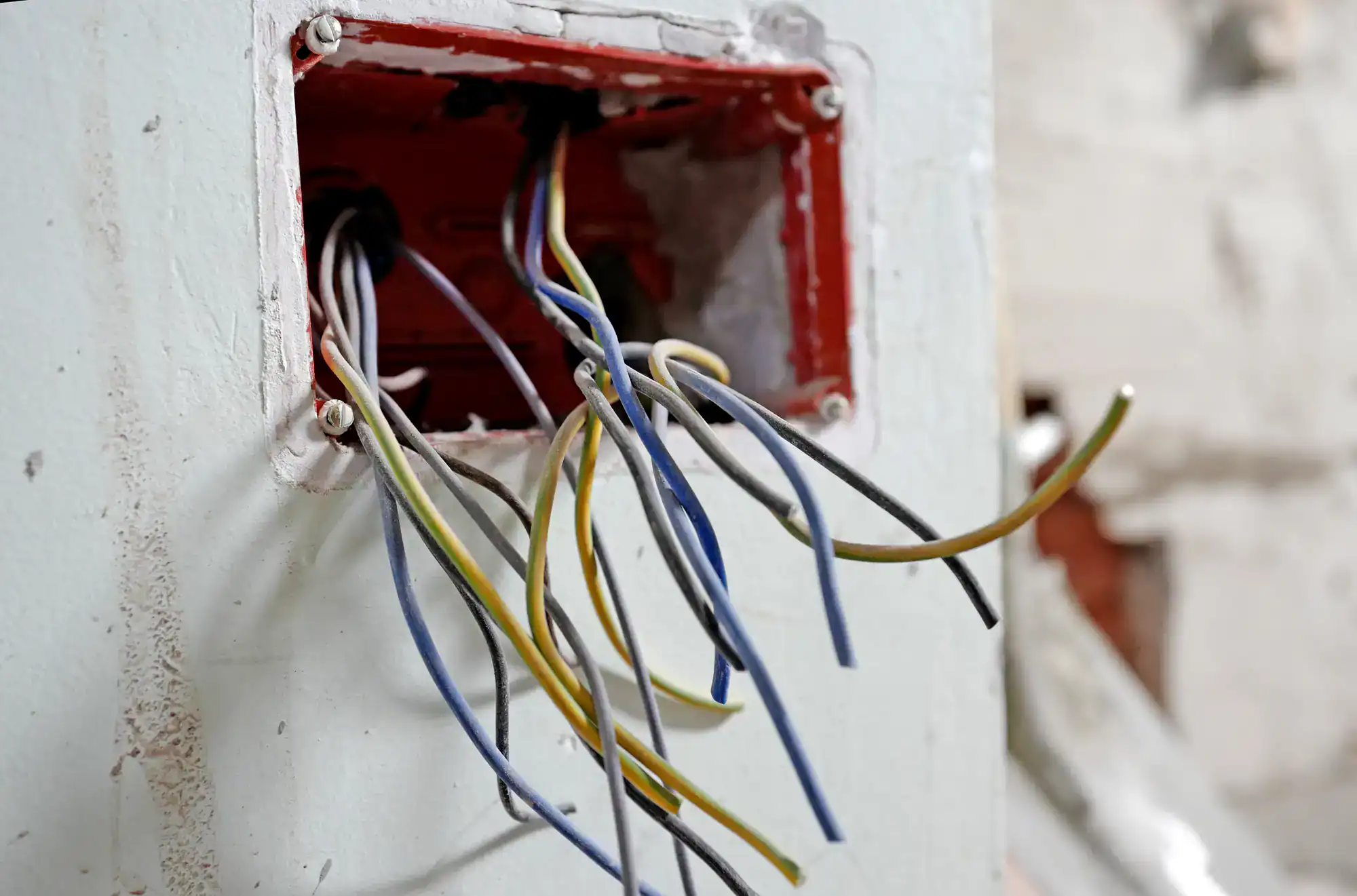
A close-up of an electrical junction box in a wall with multiple exposed wires of different colors hanging out, indicating ongoing or unfinished electrical work by electricians Rhode Island.
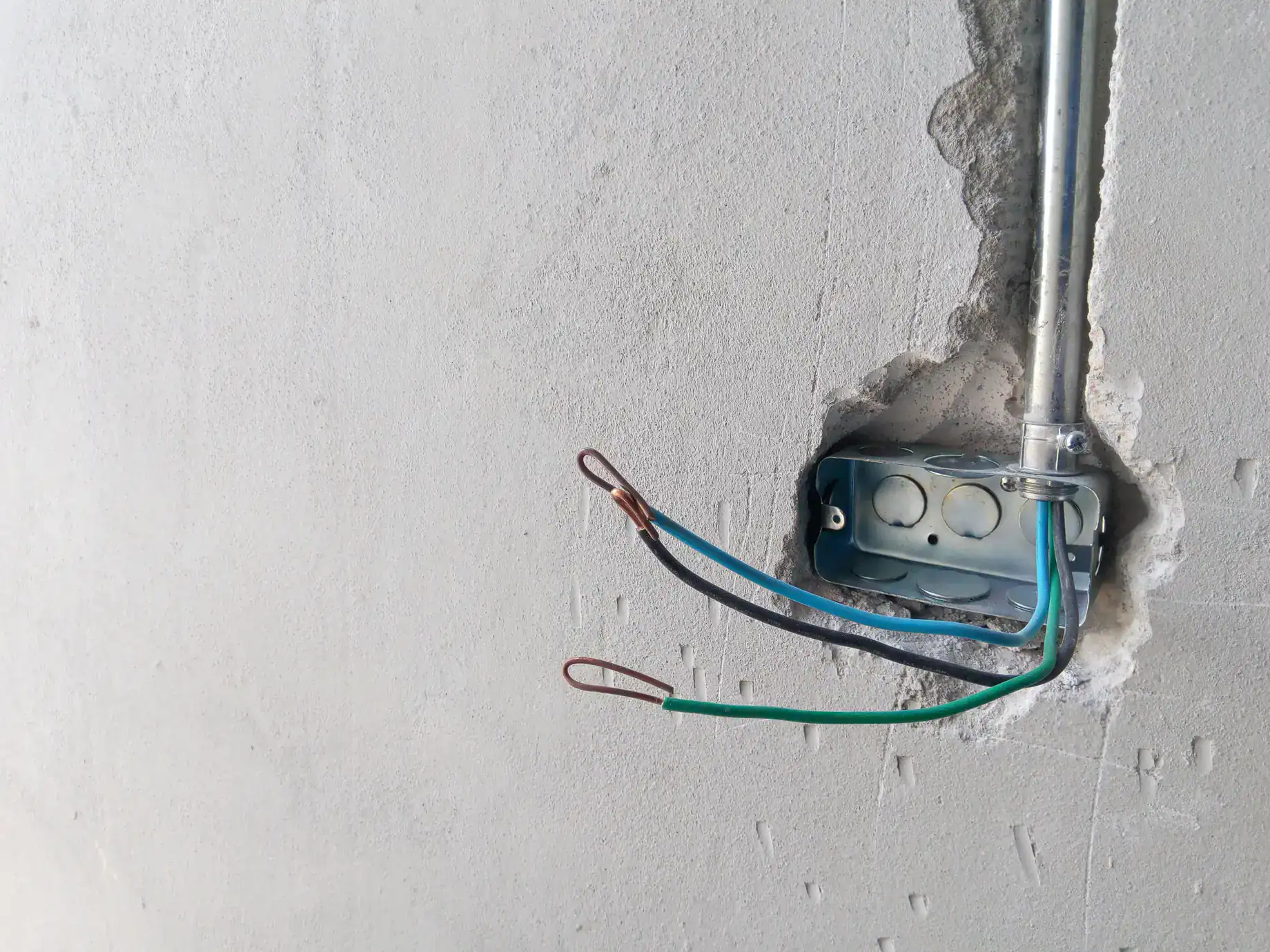
An electrical junction box mounted in a wall with three exposed wires—black, green, and blue—protruding from it. The wires have looped ends, and the unfinished wall suggests ongoing work by electricians in Rhode Island.

Non-Invasive Knob and Tube Removal

Keep Your Insurance. Protect Your Investment. No Wall Damage.

Your insurance company gave you 30 days to fix the knob and tube wiring or lose coverage. You’ve been putting it off because every electrician you’ve called says they’ll need to cut open your walls. And if you’ve got horsehair plaster—which most Block Island homes do—you know that’s a nightmare you can’t match or repair easily.

Here’s what changes after we finish the job. Your insurance company gets the documentation they need and reinstates your coverage. You’re not lying awake wondering about fire risk every time someone plugs in a space heater. Your home’s original plaster stays intact—no patching, no mismatched textures, no dust covering everything you own.

Most of our clients see their premiums drop because the fire risk is gone. If you’re selling, buyers won’t walk away after the inspection. And if you’re staying, you’ve got the electrical capacity to actually live in your home the way people live now—not the way they lived in 1920 when knob and tube made sense for a few lights and a radio.

Historic Home Rewiring Experts in New Shoreham

We've Rewired Half the Historic Homes in Rhode Island

We’ve been upgrading electrical systems across Rhode Island for over 30 years. We started doing this work long before insurance companies began cracking down on knob and tube wiring. Most of our jobs are in older homes—the kind with horsehair plaster walls that you can’t just patch and paint over.

Block Island’s historic homes need an electrician who understands preservation, not destruction. We invested in a specialized camera system because we got tired of watching other contractors tear apart beautiful old homes just to pull outdated wiring. Nobody else in the area uses this technology. Every other electrician will tell you they need to cut and notch your walls.

We’re licensed Master Electricians. We provide the Certificate of Insurance and inspection documentation that Rhode Island insurance companies require. And we know how to work inside New Shoreham’s Historic Overlay districts where construction and alterations are regulated to protect the island’s architectural heritage.

Exposed electrical wires and connectors hang from a partially finished ceiling with metal framing and visible drywall seams, awaiting professional attention from electricians in Rhode Island, in a room under construction or renovation.

Camera System Knob and Tube Inspection Process

Here's How We Remove Wiring Without Opening Walls

We start with an inspection using our camera system. We insert the camera through your existing outlets and look inside the walls—no cutting required. The camera shows us exactly where the knob and tube wiring runs, whether there’s mouse damage, if there are covered junction boxes, and if any open joints need attention.

Once we map everything out, we remove the old wiring through the same access points. The camera guides the entire process so we’re not guessing or making exploratory cuts. If we absolutely need to make a small notch somewhere—and that’s rare—it’s minimal. We’re talking about a small notch, not opening up entire sections of wall.

After the knob and tube wiring is out, we install modern wiring that meets current Rhode Island electrical codes. Everything gets inspected and approved. Then we hand you a complete documentation package—the certificates and inspection reports your insurance company needs to reinstate or maintain your coverage. Most clients have their coverage back within days.

A man wearing a white hard hat and yellow safety vest uses a multimeter to check electrical connections inside an open control panel—typical work for electricians in Rhode Island.

Explore More Services

About Lightning Electric

Knob and Tube Wiring Replacement in New Shoreham

What You Get With Our Camera-Based Removal System

You’re not just getting knob and tube wiring pulled out. You’re getting a complete diagnostic of what’s actually inside your walls—something no other method provides without tearing everything open first. Our camera inspection catches problems other electricians miss: deteriorated insulation, rodent damage, improperly covered junction boxes, and wiring that’s been “spider-webbed” through walls where you didn’t even know it existed.

Rhode Island insurance companies don’t care if 90% of your home is updated. If there’s any active knob and tube wiring, they won’t cover you. Our process finds it all. And because we’re working in New Shoreham, we understand what you’re dealing with—pre-1950 homes with plaster walls that are nearly impossible to repair if damaged, properties in historic districts where you can’t just do whatever you want, and the reality that getting materials and contractors out to Block Island isn’t simple.

When we’re done, you’ve got modern electrical capacity for the way you actually live. Computers, kitchen appliances, televisions—things that overload knob and tube wiring because it was never designed for that kind of demand. You’ve got a grounded system. You’ve got documentation proving a licensed electrician did the work and it passed inspection. And your walls look exactly the way they did before we started.

A worker in a hard hat and orange safety vest, like skilled electricians in Rhode Island, stands before an open electrical panel, inspecting the wiring and components while holding a laptop in an industrial setting.

Will removing knob and tube wiring damage my horsehair plaster walls?

Not with our camera system. Traditional knob and tube wiring removal requires electricians to open portions of your plaster and lath walls and ceilings—it’s a dusty, invasive process that leaves you with extensive patching and painting. And if you’ve got horsehair plaster, which most Block Island homes do, matching that original texture is extremely difficult or flat-out impossible.

Our specialized camera system changes that completely. We insert the camera through your existing outlets to inspect and remove the wiring from inside the walls. No cutting. No notching. Your original plaster stays intact. If we encounter a situation where we absolutely need to make a small notch—and that’s rare—it’s minimal compared to what every other electrician will do.

This matters especially in New Shoreham’s historic homes where preserving original architectural features isn’t just about aesthetics. It’s about maintaining your home’s character and value. Unsightly repairs stand out. Our method avoids that problem entirely.

Most knob and tube wiring removal projects in New Shoreham take between three to seven days, depending on your home’s size and how much wiring needs to be replaced. A 1,200 square foot bungalow is typically on the shorter end. A 2,500 square foot Victorian with plaster walls and multiple stories takes longer.

Our camera system actually speeds up the process compared to traditional methods. We’re not spending days cutting exploratory holes to figure out where wiring runs. The camera shows us everything upfront—we map the entire system, locate problem areas, and plan the removal before we start the actual work. That means fewer surprises and a more predictable timeline.

The other factor that affects timing is what we find during inspection. Sometimes the camera reveals wiring that’s been hidden or “spider-webbed” through walls in ways that weren’t obvious during the initial walkthrough. If there’s rodent damage or covered junction boxes that need attention, we address those too. But even with complications, you’re looking at days, not weeks—and your walls stay intact the entire time.

Yes. We provide the complete documentation package that Rhode Island insurance companies require: Certificate of Insurance, inspection reports, and proof that a licensed Master Electrician performed the work and it passed code inspection. Most of our clients have their insurance coverage reinstated within days of project completion.

Insurance companies in Rhode Island have gotten strict about knob and tube wiring. If they find any active knob and tube during an inspection or claim, you typically have 30 days to remove it or they’ll drop your coverage. Some homeowners end up with force-placed insurance that costs triple what they were paying before. Our documentation proves the problem is fixed.

Here’s what matters to insurers: they want confirmation that all knob and tube wiring has been removed, not just the visible stuff. Our camera inspection process finds wiring that other methods miss—including sections hidden behind walls where home inspectors often tell buyers the house is clear when it’s not. When we say it’s gone, it’s gone. And we’ve got the inspection reports and certificates to prove it.

No other electrician in the New Shoreham area uses this specialized camera system. When you call anyone else, they’ll tell you they need to cut and notch your walls to access the wiring. That’s the standard approach—controlled overloading of wires to detect them with thermal cameras, then cutting open walls to pull everything out. It works, but it destroys your plaster in the process.

Our camera inserts through existing outlets and inspects inside your walls without any demolition. It shows us exactly where the knob and tube wiring runs, diagnoses problems like mouse damage or bad connections, and locates covered junction boxes and open joints. We’re seeing what’s actually there—not guessing based on thermal readings that can be unreliable through lath and plaster.

This technology cost us a significant investment, but it’s worth it for homes where preserving original plaster matters. Block Island’s historic homes deserve better than the “cut first, patch later” approach. And homeowners deserve to know exactly what’s inside their walls before any work starts. The camera gives you that transparency. You’re not discovering problems after we’ve already opened up half your house.

Complete knob and tube wiring removal and replacement in New Shoreham typically ranges from $12,000 to $36,000. Smaller homes—around 1,200 square feet—are usually on the lower end. Larger Victorians with plaster walls, multiple stories, and more complex layouts are on the higher end. Every home is different, so we provide estimates after inspecting your specific situation.

Here’s what affects the cost: how much knob and tube wiring is actually in your walls, whether it’s been partially updated already or if the entire house needs rewiring, the condition of your existing electrical panel, and what we find during the camera inspection. Hidden wiring, rodent damage, and covered junction boxes add to the scope. But our camera system actually saves you money compared to traditional methods because we’re not doing exploratory demolition and then paying plasterers to repair all that damage afterward.

The other thing to consider is what happens if you don’t remove it. Rhode Island insurance companies won’t cover homes with active knob and tube wiring. If they drop you and you end up with force-placed insurance, you’re paying triple the premiums—sometimes more. That adds up fast. And if you’re selling, buyers will either walk away or demand a price reduction that’s usually more than the cost of removal. Getting it done protects your investment and eliminates the fire risk that comes with outdated wiring handling modern electrical loads.

Yes. Many of our knob and tube wiring removal projects are in New Shoreham’s Historic Overlay districts where construction, alterations, and repairs are regulated to protect Block Island’s architectural heritage. Our camera-based removal method is actually ideal for these properties because it preserves original plaster and avoids the kind of visible damage that creates problems during historic preservation reviews.

Historic district regulations focus on maintaining the exterior appearance and significant interior architectural features of older homes. Electrical work is allowed—and often required for safety and code compliance—but the method matters. Traditional knob and tube removal that requires cutting open walls and ceilings leaves you with patching and texture-matching issues that are obvious and difficult to resolve in homes with horsehair plaster. Our process avoids that entirely.

We’ve worked in historic homes across Rhode Island for over 30 years. We understand that clean energy goals and preservation of Block Island’s unique character aren’t mutually exclusive. You can upgrade your electrical system to meet modern safety standards and insurance requirements without compromising your home’s historic integrity. That’s exactly what our camera system was designed to do.

Other Services we provide in New Shoreham