
For over 30 years, we’ve powered Rhode Island with expert electrical services delivered with a personal touch. Discover our story and commitment to quality.
Contact Info
- List Item
For over 30 years, we’ve powered Rhode Island with expert electrical services delivered with a personal touch. Discover our story and commitment to quality.
Contact Info
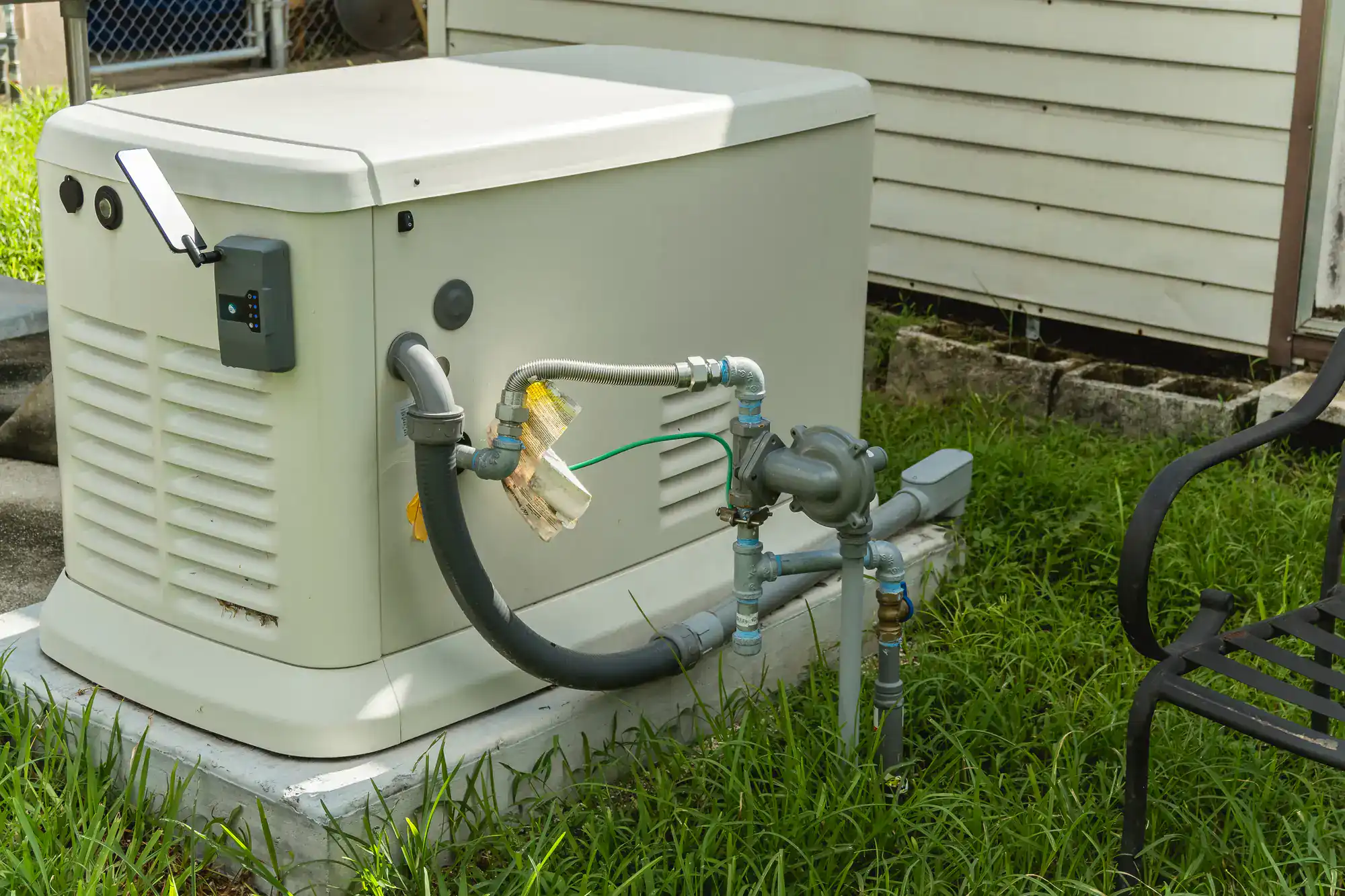
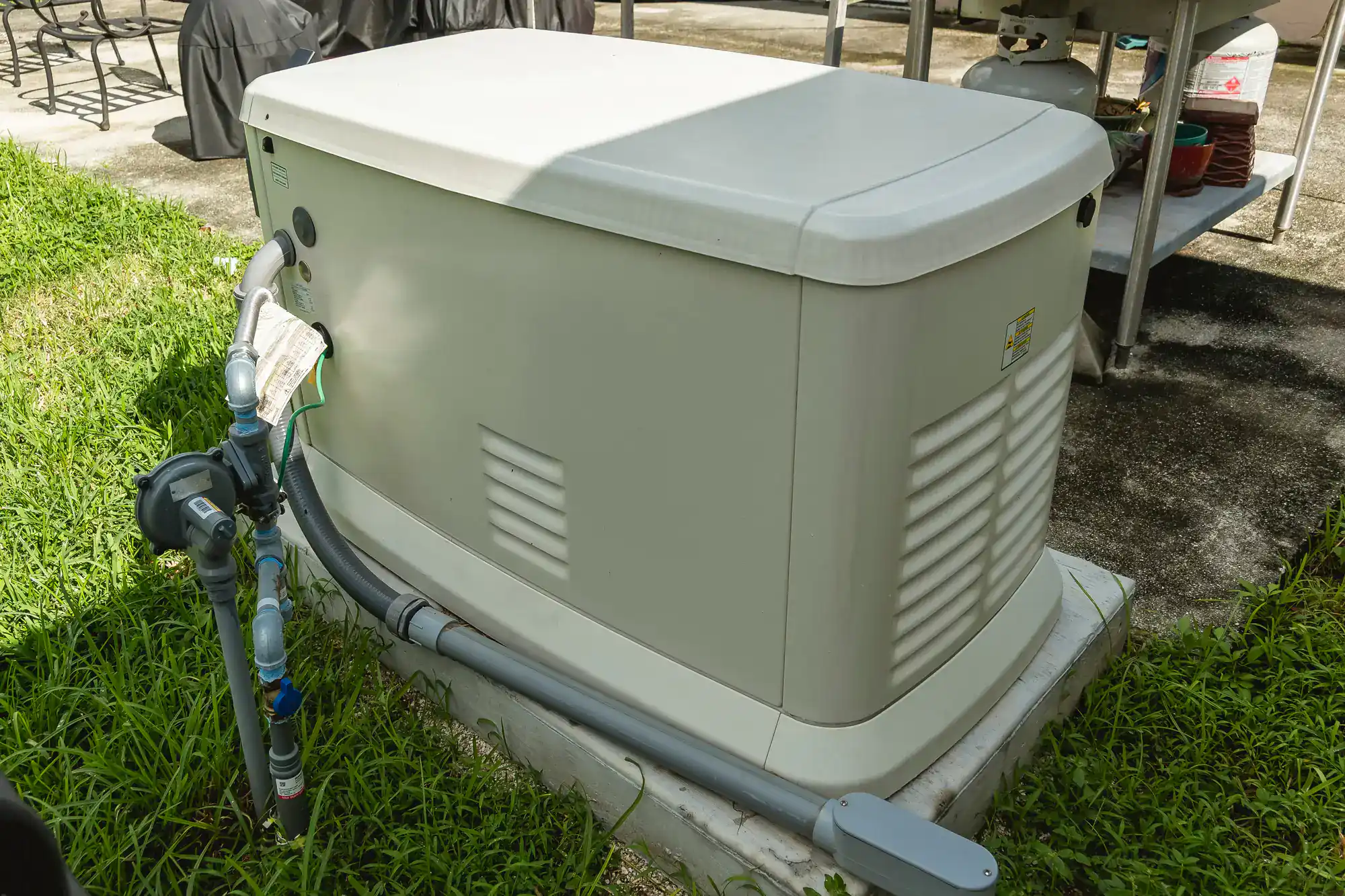
When your generator won’t start during an outage, you don’t have time to troubleshoot. You need someone who can diagnose the problem fast and fix it right the first time.
That’s what happens when you work with licensed generator electricians who’ve been doing this for over 30 years. We show up with the right tools, run diagnostics on your system, and identify exactly what’s keeping your generator from running. Whether it’s fuel contamination, a failed transfer switch, or a battery that’s past its life, you’ll know what’s wrong and what it takes to fix it.
Once the repair is done, your generator gets tested under load to make sure it’ll actually run when the grid goes down. You’re not waiting until the next storm to find out if it works. You know before we leave that your backup power is ready.
We’ve been handling electrical work in Rhode Island since before most people had whole-house generators. We’ve seen what happens when systems aren’t maintained, when cheap parts get installed, and when homeowners wait too long to call for help.
We’re members of the Rhode Island Electrical Inspectors IAEI Roger Williams Chapter and follow NFPA code to the letter. That’s not just paperwork—it means your repair gets done safely and correctly, so your system doesn’t fail when you actually need it.
Hopkinton sees the same weather patterns as the rest of Washington County: winter storms, hurricane season, and grid strain during summer heat. Your generator needs to handle all of it. We’ve worked on hundreds of residential and commercial systems across the area, and we know what breaks, what wears out, and what you should be watching for before it becomes a bigger problem.
You call or reach out online, and we schedule a time that works for you. If it’s an emergency and your power’s already out, we prioritize those calls and get someone to your property as fast as we can.
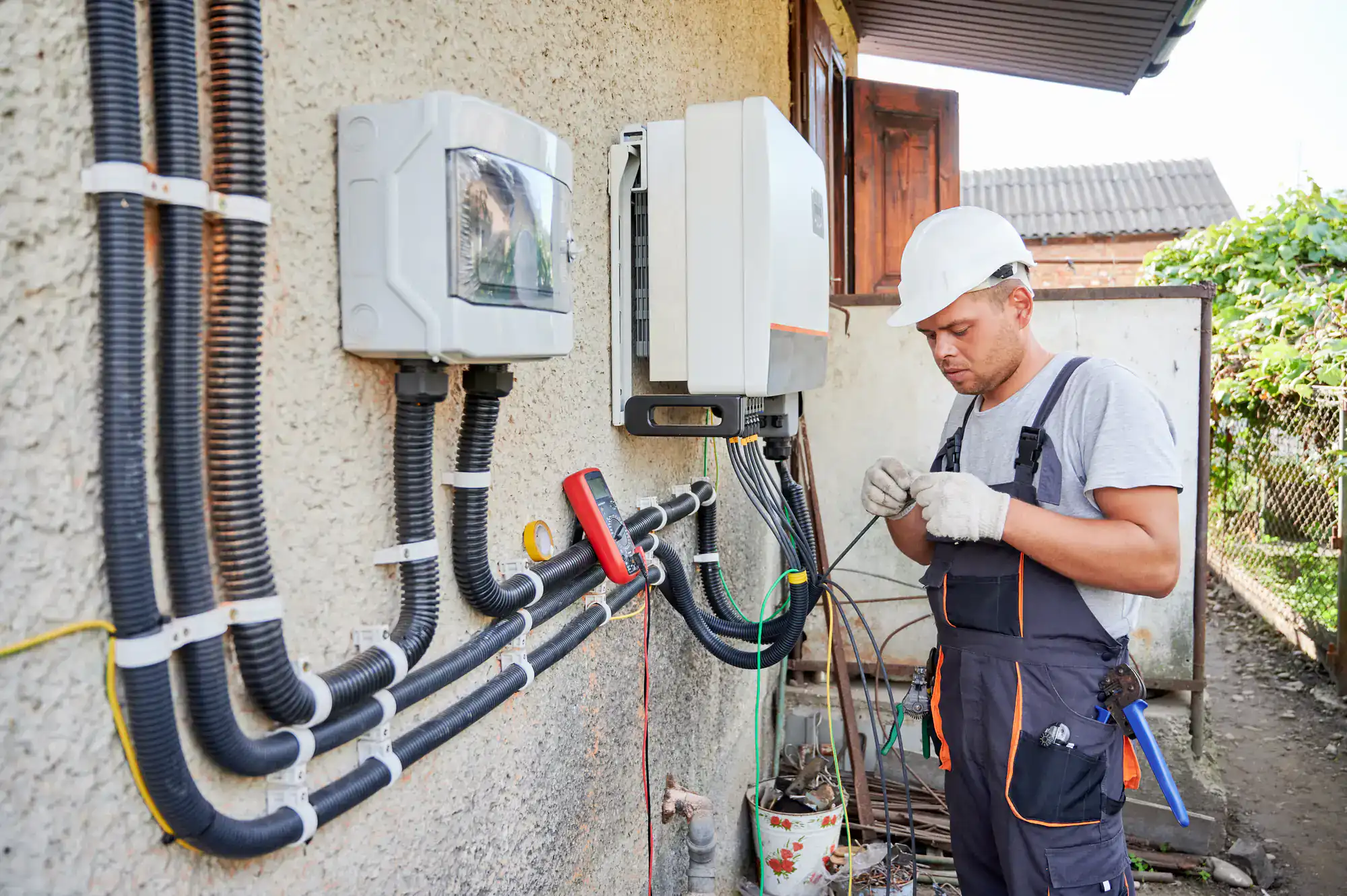
When we arrive, our generator service technician runs a full diagnostic. That means checking fuel quality, battery voltage, transfer switch operation, control boards, and any error codes your system is throwing. We don’t guess. We test everything that could cause a failure.
Once we know what’s wrong, we explain it in plain terms—what failed, why it happened, and what it’ll take to fix it. If you want to move forward, we handle the repair on-site whenever possible. If we need to order a part, we’ll let you know the timeline and get it scheduled.
After the repair, we run your generator under load to confirm it’s operating correctly. You’ll see it run, hear it run, and know it’s ready for the next outage. We also walk you through any maintenance you should be doing between service visits so you’re not caught off guard later.

Ready to get started?
Every generator repair in Hopkinton, RI starts with diagnostics. We don’t just swap parts and hope it works—we identify the root cause so you’re not calling us back in two weeks with the same issue.
Residential generator repair typically involves fuel system cleaning, battery replacement, transfer switch testing, control board diagnostics, and sensor calibration. If your generator hasn’t been maintained in a while, we’ll also check oil levels, air filters, and coolant systems. These aren’t upsells—they’re the things that cause failures when they’re ignored.
For commercial generator repair, the stakes are higher. You’re protecting business operations, data systems, or critical equipment. We treat those jobs with the urgency they deserve. That means faster response times, after-hours availability, and coordination with your facility team to minimize disruption.
Rhode Island’s weather patterns put extra strain on backup power systems. Humidity causes corrosion. Salt air from the coast accelerates wear. Fuel sits too long between uses and gets contaminated. We account for all of that when we’re troubleshooting your system, because what works in Arizona doesn’t always work here.
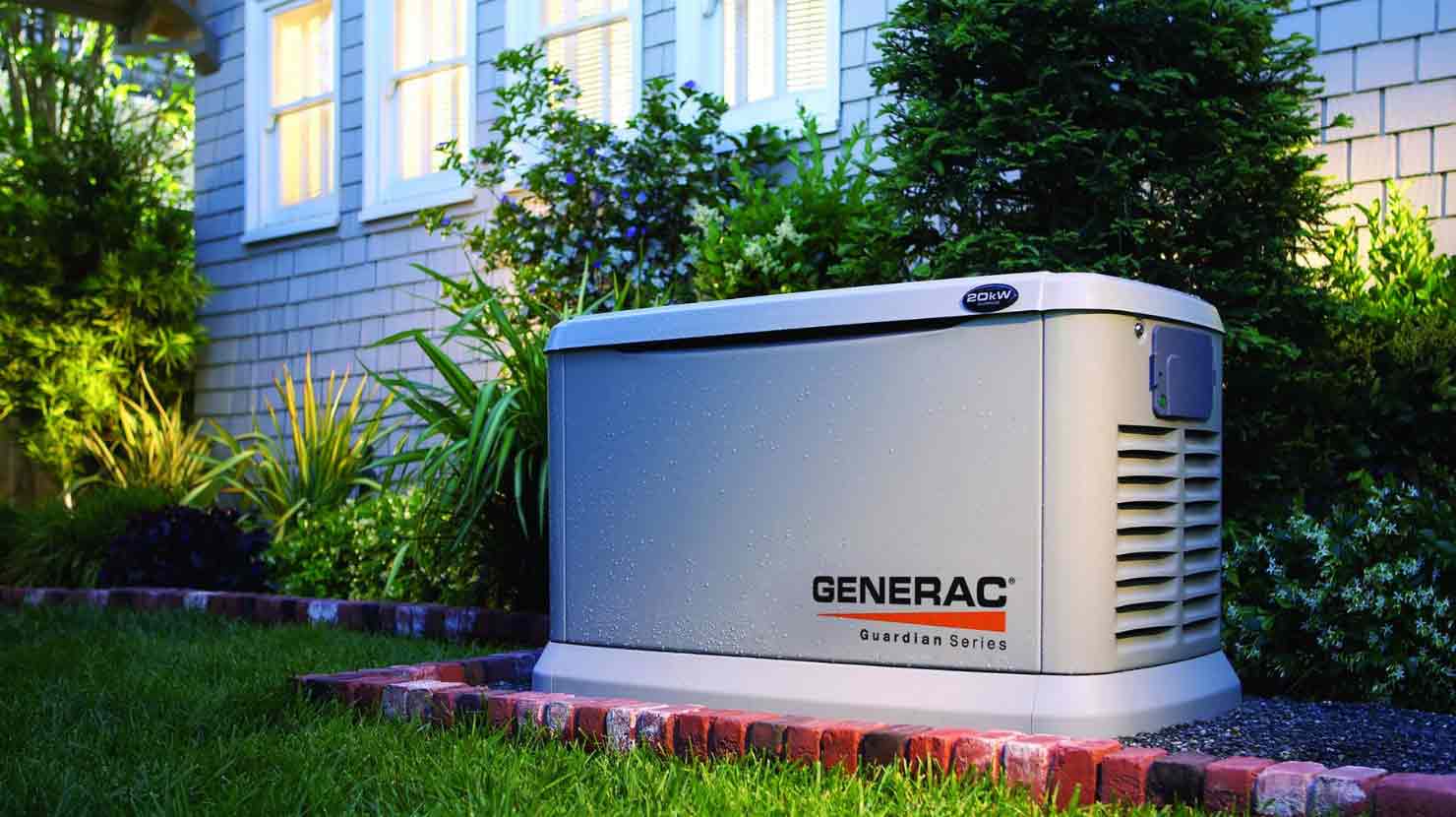
It depends entirely on what’s broken. A simple fix like a dead battery or clogged fuel filter might run a few hundred dollars. A failed transfer switch or control board replacement can cost more, especially if parts need to be ordered.
We price every job individually because no two generator issues are the same. When we arrive, we run diagnostics first, then give you a clear breakdown of what’s wrong and what it’ll cost to fix. You’ll know the price before any work starts.
What we won’t do is guess over the phone or give you a range so wide it’s meaningless. Generator troubleshooting and repair requires looking at your specific system, and that’s the only way to give you an honest number.
Most generator repairs in Hopkinton, RI get completed the same day if we have the parts on hand. Diagnostics usually take 30 to 60 minutes, and straightforward repairs—like replacing a battery, cleaning fuel lines, or swapping a sensor—can be done in another hour or two.
If your generator needs a major component like a control board or transfer switch, we may need to order the part. Lead times vary depending on your generator’s make and model, but we’ll give you a realistic timeline as soon as we know what’s needed.
Emergency repairs during active outages get priority. If your power’s out and your generator won’t start, we move as fast as we can to get you back online. That might mean after-hours work or weekend service, and we’re set up to handle it.
The most common issue we see is fuel contamination. Diesel and gas both degrade over time, especially in Rhode Island’s humid climate. Water gets into the tank, algae grows in diesel systems, and fuel lines clog. When the generator tries to start, it can’t pull clean fuel, and the engine won’t run.
Batteries are the second most common failure point. Generator batteries sit idle for months, and if they’re not maintained, they lose their charge. When the power goes out and the generator tries to start, a weak battery can’t turn the engine over.
Transfer switches can also fail, especially in older systems. The switch is what tells your generator to kick on when the grid goes down. If it’s not sensing the outage correctly or if the contacts are corroded, your generator won’t even know it’s supposed to start. We see this a lot in systems that haven’t been serviced in years.
Yes. We work on Generac, Kohler, Briggs & Stratton, Cummins, and most other residential and commercial generator brands. Each manufacturer has its quirks, but the fundamentals are the same—fuel, ignition, transfer switch, and control systems.
We carry diagnostic tools for the major brands, and we have access to OEM parts when needed. If your generator is older or discontinued, we’ll track down compatible parts or walk you through your options if a replacement makes more sense.
Some generator service companies only work on the brands they install. We’re not tied to one manufacturer, so you’re getting an honest assessment of whether your system is worth repairing or if you’re better off upgrading. That decision is yours, but we’ll give you the information you need to make it.
If your generator is under 10 years old and the repair cost is less than half the price of a new unit, repairing usually makes sense. You’re getting more life out of a system that’s already installed and integrated with your home’s electrical panel.
If your generator is over 15 years old, parts are getting harder to find, or you’re looking at a major repair like an engine rebuild, replacement might be the smarter move. Newer generators are more fuel-efficient, quieter, and come with remote monitoring features that older units don’t have.
We’ll walk you through the math when we’re on-site. You’ll know what the repair costs, what a replacement would run, and how much longer you can reasonably expect your current system to last. Some repairs buy you another decade. Others buy you two years. You should know the difference before you spend the money.
Twice a year is the standard recommendation—once before storm season and once after. That gives you a chance to catch small issues before they turn into failures during an outage.
Each service visit should include oil and filter changes, battery testing, fuel system inspection, transfer switch testing, and a load test to make sure the generator actually produces power under demand. If your generator sits for months without running, these checks are even more critical.
Rhode Island’s weather makes regular maintenance non-negotiable. Humidity, temperature swings, and long periods of inactivity all contribute to system degradation. A generator that’s not maintained will fail when you need it most, and that’s usually during a multi-day outage when repair availability is limited. Staying ahead of it means you’re not scrambling when everyone else is calling for help.