
For over 30 years, we’ve powered Rhode Island with expert electrical services delivered with a personal touch. Discover our story and commitment to quality.
Contact Info
- List Item
For over 30 years, we’ve powered Rhode Island with expert electrical services delivered with a personal touch. Discover our story and commitment to quality.
Contact Info
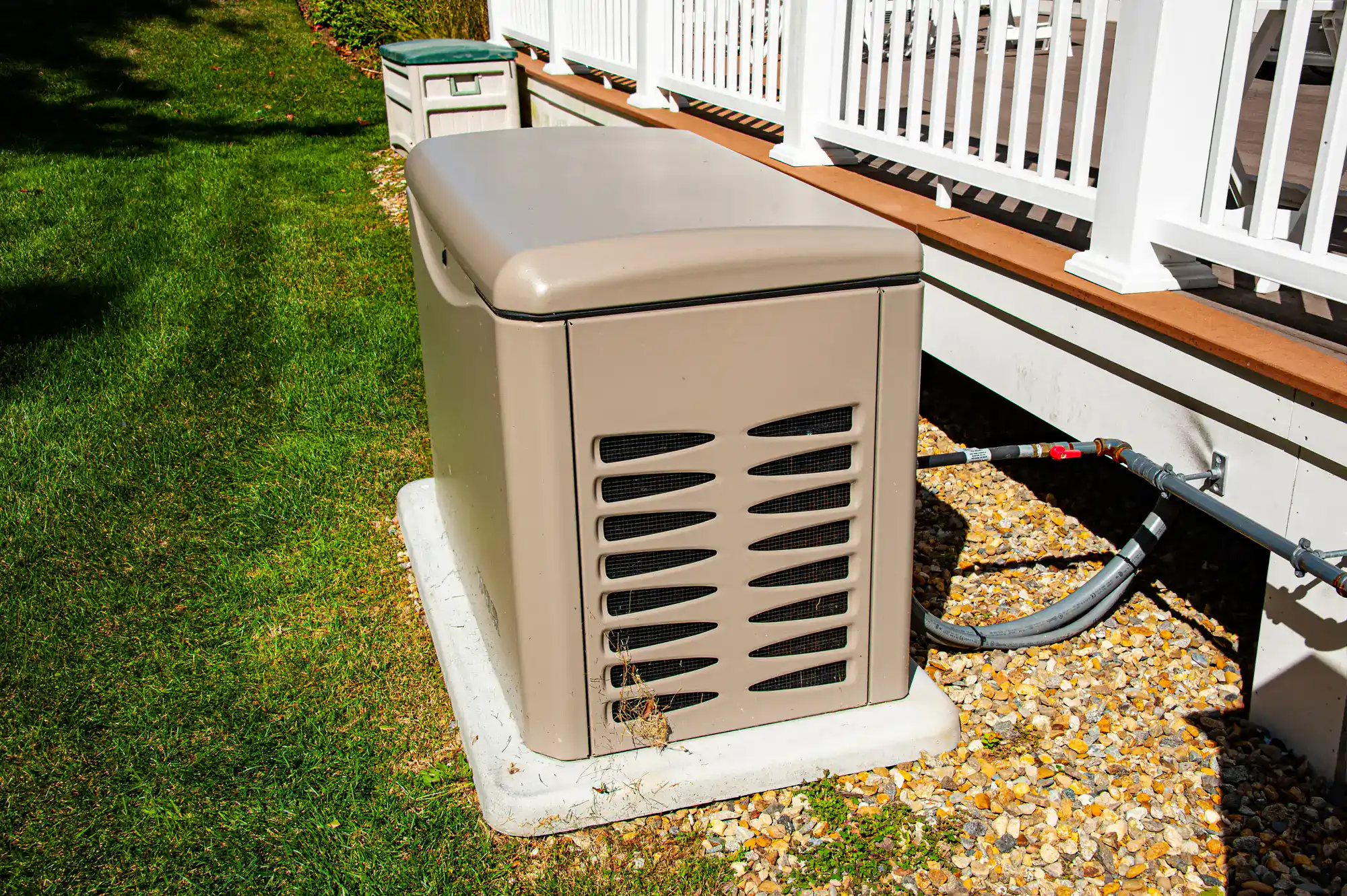
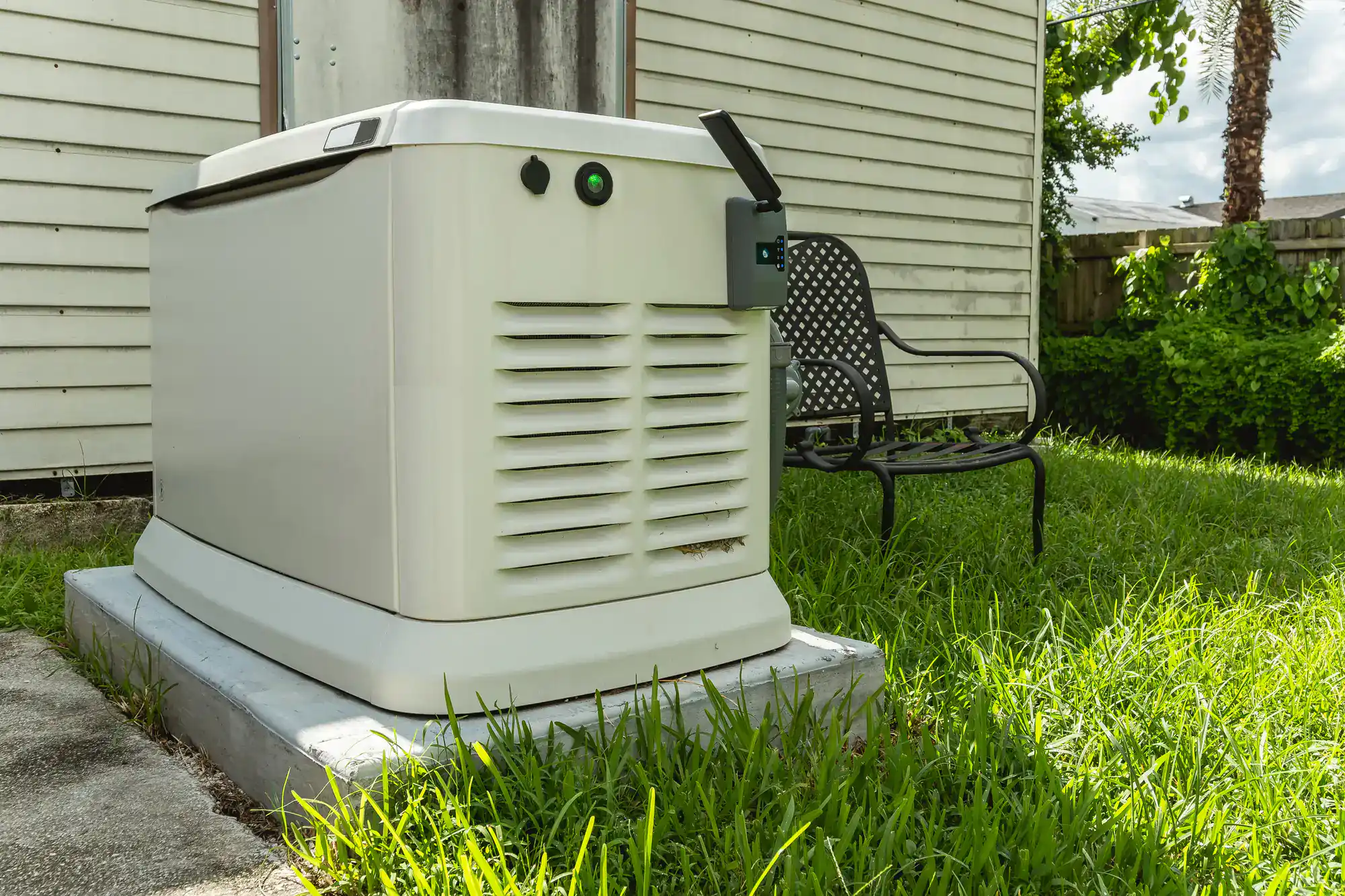
You’re not sitting in the dark waiting for National Grid to restore service. Your standby generator kicks on automatically within 10 to 15 seconds of an outage, and everything critical keeps running.
Your refrigerator doesn’t lose hundreds of dollars in food. Your sump pump keeps your basement dry. Your medical equipment stays powered, your security system stays active, and your heating or AC keeps your home livable.
Last winter, over 100,000 Rhode Island customers lost power for multiple days during back-to-back storms. The homes with generators didn’t notice. They had heat, hot water, working appliances, and the ability to work from home while their neighbors scrambled for hotel rooms or threw out spoiled groceries.
A whole house generator installation in Portsmouth, RI means you don’t lose comfort, safety, or money when the next storm hits. You just keep living.
We have over 30 years of electrical experience serving Portsmouth, RI and the surrounding areas. We’re licensed, insured, and members of the Rhode Island Electrical Inspectors IAEI Roger Williams Chapter.
When you hire us for generator installation in Portsmouth, RI, you’re working with certified professionals who understand local codes, permitting requirements, and what it takes to install a system that actually works when you need it. We don’t subcontract the electrical work or the gas line connections—our team handles everything from start to finish.
Portsmouth homeowners deal with coastal weather, aging infrastructure, and power interruptions that can last days. We’ve installed backup power systems across town in neighborhoods like Bristol Ferry, Sandy Point, and Island Park, and we know what systems work best for the homes here.

First, we come to your property and assess your electrical panel, your power needs, and the best location for the generator. We’ll discuss whether you want natural gas or propane, what size unit makes sense for your home, and what you actually need to keep running during an outage.
Once you approve the plan, we handle the permits and schedule the installation. Our electricians will set the unit on a concrete pad, run the fuel line, install the automatic transfer switch, and connect everything to your electrical system. The transfer switch is what tells your generator to start when the power goes out and switches your home from grid power to generator power seamlessly.
After installation, we test the system to make sure it starts properly, runs smoothly, and powers the circuits you selected. We walk you through how it works, what maintenance it needs, and how to monitor it. Then we file for final inspection and make sure everything is code-compliant and permitted.
You don’t have to think about it after that. When the power fails, your generator handles it.

Ready to get started?
You get a complete home generator installation in Portsmouth, RI that includes the generator unit, automatic transfer switch, concrete pad, fuel line connection, electrical wiring, permits, and final inspection. We coordinate with the town and the utility company so you don’t have to manage the paperwork.
Portsmouth has specific requirements for setbacks, noise levels, and fuel storage, especially in residential zones near the water. We make sure your installation meets local codes and doesn’t create issues with your neighbors or your property value.
Most Portsmouth homes we work with choose natural gas generators because they tie into your existing gas line and don’t require refueling. If you’re on propane, we’ll coordinate tank placement and line installation. Either way, you’re not hauling gas cans or worrying about running out of fuel during a multi-day outage.
Rhode Island saw over 190,000 outages last year, and Portsmouth wasn’t immune. Coastal storms, winter weather, and aging infrastructure mean outages here aren’t rare—they’re predictable. A standby generator installation in Portsmouth, RI is one of the few home upgrades that pays you back every time the lights go out.

Total cost depends on the size of the generator, the fuel type, and how much of your home you want to power. A standby generator installation in Portsmouth, RI typically ranges from $8,000 to $15,000 for most residential setups, including the unit, transfer switch, installation labor, permits, and fuel line work.
Smaller units that power essential circuits—like your refrigerator, furnace, and a few outlets—cost less than whole-house systems that keep everything running. Natural gas installations are usually less expensive than propane because you’re tying into an existing line instead of adding a tank.
We give you a fixed price upfront after we assess your home. No surprises, no upselling. You’ll know exactly what you’re paying before we start the work.
Most home generator installations in Portsmouth, RI take one to two days once permits are approved and equipment arrives. The timeline depends on whether we need to run a new gas line, upgrade your electrical panel, or coordinate with the utility company for a meter disconnect.
Permitting with the town of Portsmouth usually adds a week or two to the schedule, depending on how busy the building department is. We handle the permit applications and inspections, so you’re not making trips to town hall or waiting on hold with inspectors.
If you’re installing during peak season—typically late summer and fall before storm season—lead times can be longer because demand is high. The best time to install is during the spring or early summer when equipment is in stock and schedules are open.
It depends on what you want to run during an outage. If you just need essentials—heat, refrigerator, sump pump, and some lights—a 10kW to 14kW generator is usually enough. If you want to run your whole house including central AC, multiple appliances, and all your outlets, you’re looking at 18kW to 24kW or larger.
We calculate your load by looking at your electrical panel, the amperage of your major appliances, and what circuits you consider critical. Most Portsmouth homes we work with choose a mid-range system that keeps the house comfortable and functional without powering every single outlet and light switch.
Oversizing costs more upfront and burns more fuel. Undersizing means you’re making compromises during an outage. We’ll walk you through the options and help you pick a generator that matches your actual needs and budget.
Yes. Portsmouth requires an electrical permit and often a building permit for standby generator installations, especially if you’re adding a concrete pad or running new fuel lines. You’ll also need to meet setback requirements—generators typically need to be at least five feet from windows, doors, and property lines.
If you’re in a historic district or a neighborhood with HOA rules, there may be additional restrictions on placement, noise levels, or screening. We check all of that before we start so you don’t run into compliance issues later.
We pull the permits, schedule the inspections, and make sure everything passes. You don’t need to deal with the town or track down paperwork. That’s part of what you’re paying us for.
Yes, especially in areas where power outages are common. Standby generators are seen as a premium upgrade, similar to a finished basement or a whole-house surge protector. Buyers in Portsmouth know that coastal storms and winter weather mean losing power isn’t a question of if, but when.
Homes with installed backup power systems are more attractive to buyers who work from home, have medical needs, or just don’t want to deal with the hassle of extended outages. You’re not going to recoup 100% of the installation cost at resale, but you’re adding value and making your home more competitive.
Even if you’re not selling anytime soon, the real value is in not losing food, not freezing during a winter outage, and not scrambling for a hotel when the power’s out for three days. That peace of mind is worth more than the appraisal bump.
You should have your generator serviced once a year, typically in the spring before storm season. Maintenance includes changing the oil, replacing the air filter, checking the battery, testing the transfer switch, and running the unit under load to make sure everything works.
Generators that sit unused for months can develop issues—stale fuel, corroded connections, or dead batteries. Annual service catches those problems before they leave you without power during an actual outage.
Most manufacturers require regular maintenance to keep the warranty valid. We offer service plans for Portsmouth homeowners that include annual inspections, priority scheduling during outages, and discounted repair rates if something does go wrong. You can also handle basic maintenance yourself if you’re comfortable with it, but the transfer switch and electrical connections should be checked by a licensed electrician.