
For over 30 years, we’ve powered Rhode Island with expert electrical services delivered with a personal touch. Discover our story and commitment to quality.
Contact Info
When the power goes out on Block Island, you’re 13 miles offshore with limited options. A standby generator installation in New Shoreham, RI means your heating system keeps running in winter, your refrigerator doesn’t lose everything inside, and your security system stays active.
If you’re using medical equipment at home, backup power isn’t optional. The island’s aging population increasingly relies on powered devices that can’t wait for manual startup or mainland repair crews.
Your home generator install in New Shoreham, RI runs on natural gas or propane, so you’re not hauling fuel in bad weather or dealing with a pull-cord in the dark. The system monitors your power 24/7 and switches over in seconds. You might not even notice the outage happened.
We’ve been installing generators across Rhode Island for over 30 years. We’re fully licensed Master Electricians, Electrical Inspector Certified, and authorized Generac dealers.
Block Island’s power infrastructure changed completely in 2017 when the island connected to the mainland grid after 92 years of diesel generation. We understand how that transition affects your home’s electrical setup and what it takes to integrate a standby system properly.
We’ve completed more than 1,500 commercial projects and handle residential generator electrician work in New Shoreham, RI with the same attention to permitting, code compliance, and coastal installation requirements. Our team is insured, and we’re members of the Rhode Island Electrical Inspectors IAEI Roger Williams Chapter.
First, we assess your home’s power needs and existing electrical panel. Not every generator is sized the same, and oversizing costs you money while undersizing leaves circuits without power. We calculate your actual load requirements based on what you need to keep running.
Next, we handle the permitting process with New Shoreham building officials. Generator installations require electrical permits and often need setback approvals. We submit the paperwork and coordinate inspections so you don’t have to navigate town requirements.
Installation day involves setting the generator pad, running the fuel line (natural gas or propane), connecting to your electrical panel with a transfer switch, and testing the automatic startup sequence. We schedule installations during milder months when ground conditions cooperate and coastal weather is manageable. The entire process typically takes one to two days depending on your home’s setup and any site prep needed.
After installation, we walk you through the system operation and maintenance schedule. Generac units need periodic service, and we can handle that or show you what to monitor yourself.
Ready to get started?
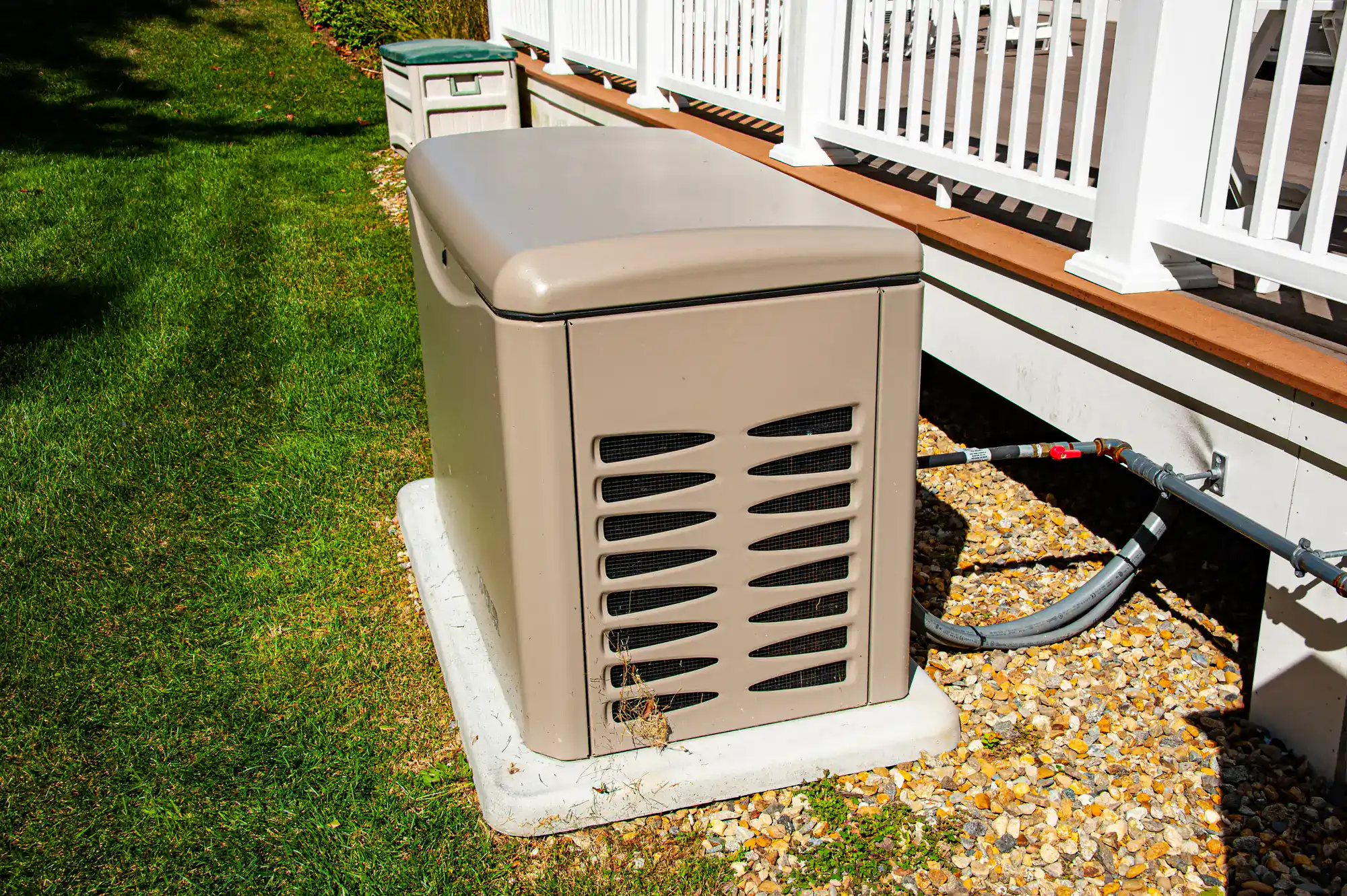
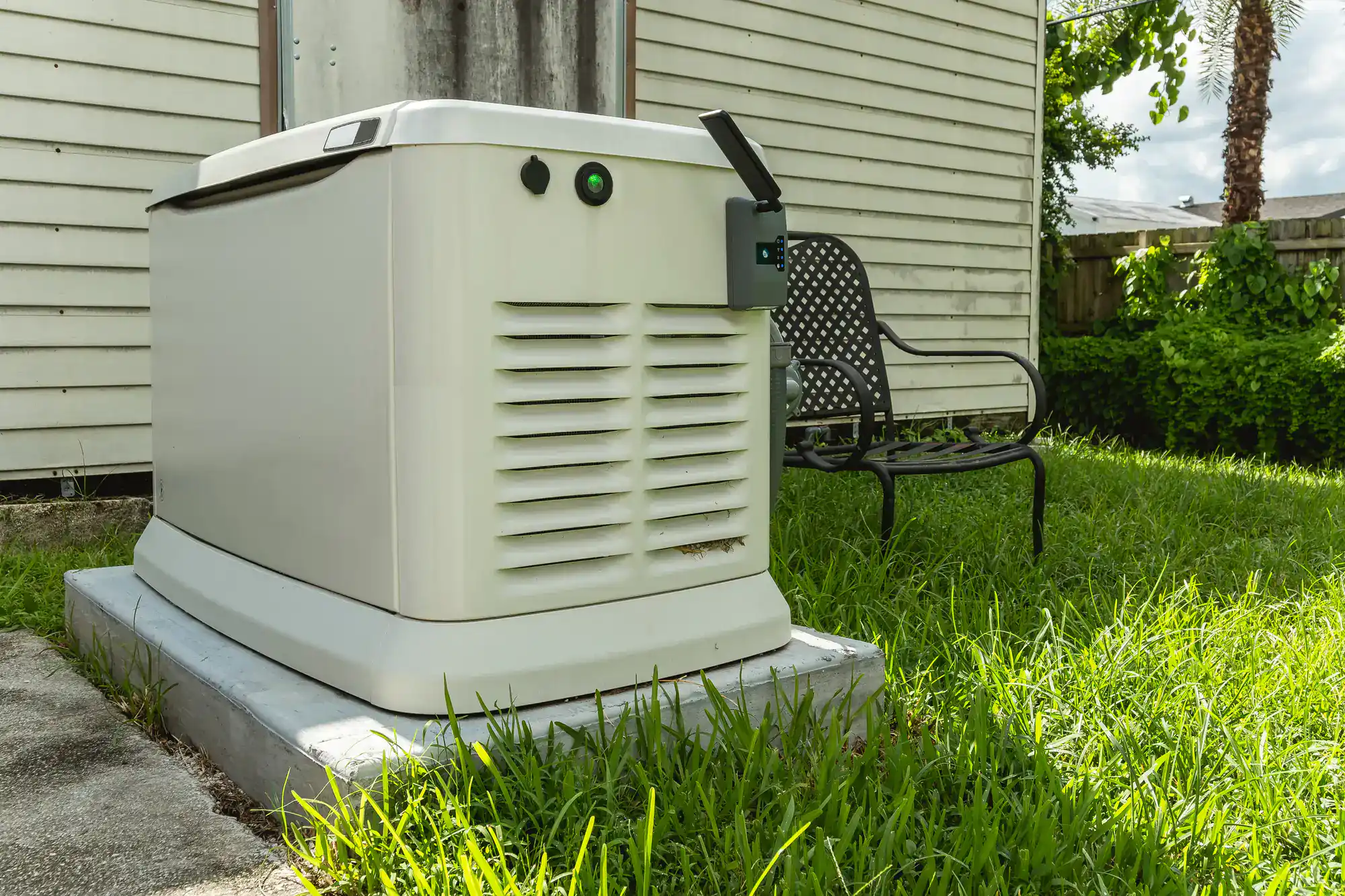
Your home generator installation in New Shoreham, RI includes the generator unit, automatic transfer switch, concrete pad or mounting platform, fuel line connection, electrical panel integration, and all required permits. We size the system to your home’s needs, whether that’s essential circuits only or whole-house coverage.
Block Island’s coastal environment requires specific installation considerations. Salt air accelerates corrosion, so we use marine-grade connections and protective coatings where needed. Wind exposure matters for placement, and we position units to minimize weather impact while meeting code setback requirements.
Most New Shoreham homes are single-family detached properties valued well over $1 million. You’re protecting significant real estate investment along with contents and comfort. A properly installed standby system also increases resale value since buyers on Block Island understand backup power isn’t a luxury—it’s infrastructure.
If you run a seasonal business, commercial generator installation in New Shoreham, RI follows the same process with larger capacity units and three-phase power options. Tourism operations can’t afford extended downtime during peak season, and a standby system keeps you operational when competitors are dark.
Most residential standby generator installations take one to two days once permits are approved and equipment arrives. The timeline depends on your home’s electrical panel setup, whether we need to upgrade your service, and site preparation requirements.
Block Island installations sometimes take longer due to equipment delivery logistics. Everything comes by ferry, so we schedule deliveries carefully and confirm arrival before scheduling your install date. Weather can delay ferry service, which pushes timelines back.
Permitting with New Shoreham building officials typically adds one to three weeks before installation begins. We handle all permit applications and coordinate required inspections, but the town’s approval process runs on its own schedule. Plan for roughly four to six weeks from contract signing to completed installation under normal conditions.
Generator sizing depends on what you want to power during an outage. A 12-14 kW unit handles essential circuits like your heating system, refrigerator, some lights, and a few outlets. A 20-22 kW unit can run most of your home including central air conditioning. Whole-house coverage for larger homes often requires 24 kW or more.
We calculate your actual load by adding up the wattage of everything you want running simultaneously. Air conditioning is usually the biggest draw, followed by electric heating, well pumps if you have one, and large appliances. Many Block Island homeowners choose to cover essentials plus comfort items rather than every circuit in the house.
Oversizing costs more upfront and burns more fuel during operation. Undersizing means making hard choices about what stays on during an outage. We’ll walk through your electrical panel and discuss your priorities so you get the right capacity without paying for more than you need.
Yes, but installation quality matters significantly in coastal environments. Salt air corrodes electrical connections faster than inland locations, and wind exposure can affect unit performance if positioned poorly. We use weather-resistant enclosures and marine-grade components where coastal exposure is high.
Generac standby units are engineered for outdoor installation and handle New England weather including snow, rain, and wind. The enclosure protects internal components, and the unit’s monitoring system runs self-diagnostics weekly to catch issues before they become problems during an actual outage.
Your generator needs proper clearance from your home and vegetation per fire code, but we also consider wind patterns and salt spray exposure during placement. A unit tucked behind a structure with some wind protection will outlast one fully exposed to prevailing winds off the ocean. We evaluate your property’s microclimate during the site assessment and recommend placement that balances code requirements with longevity.
Most Block Island homes use propane for standby generators since natural gas infrastructure is limited on the island. Propane tanks can be sized to provide several days of runtime, and fuel delivery is available year-round even when ferry service is limited.
A 500-gallon propane tank typically provides 3-5 days of continuous generator operation depending on your load and unit size. Many homeowners install larger tanks or add a second tank to extend runtime during prolonged outages. Propane doesn’t degrade over time like gasoline, so fuel storage isn’t a concern.
If your home has natural gas service, that’s often the most convenient option since you never need to monitor fuel levels or schedule deliveries. The generator draws from the same line as your other gas appliances. However, natural gas availability is less common on Block Island compared to mainland Rhode Island, so propane remains the primary choice for most installations.
Residential standby generator installation in New Shoreham, RI typically ranges from $8,000 to $15,000 depending on unit size, site preparation needs, and electrical panel work required. That includes the generator, transfer switch, installation labor, permits, and basic site prep.
Costs run higher on Block Island compared to mainland Rhode Island due to equipment delivery logistics and travel time for installation crews. Everything comes by ferry, and scheduling depends on weather and boat availability. We factor those logistics into pricing so there are no surprises.
Additional costs can include electrical panel upgrades if your current service can’t handle the generator connection, extended fuel line runs if your propane tank is far from the generator location, or significant site prep like tree removal or grading. We provide detailed pricing after the site assessment so you know exactly what you’re paying for before work begins.
Yes, generator installation in New Shoreham, RI requires an electrical permit and must meet local building codes. The town also enforces setback requirements that dictate how far the generator must be from property lines, structures, and windows.
We handle all permit applications and coordinate required inspections with New Shoreham building officials. The process includes submitting site plans showing generator placement, electrical diagrams for the transfer switch connection, and equipment specifications. Inspections typically occur after installation is complete but before the system is energized.
Block Island has specific requirements for coastal construction and noise ordinances that affect generator placement. Units must be positioned to minimize noise impact on neighboring properties while meeting fire code clearances. Our familiarity with New Shoreham’s permitting process ensures your installation meets all local requirements without delays or compliance issues.