For over 30 years, we’ve powered Rhode Island with expert electrical services delivered with a personal touch. Discover our story and commitment to quality.
Contact Info
You stop worrying every time the forecast shows a storm system moving up the coast. Rhode Island ranks 5th nationwide for power outage frequency, and East Greenwich sees its share of grid failures when winter storms and hurricanes roll through.
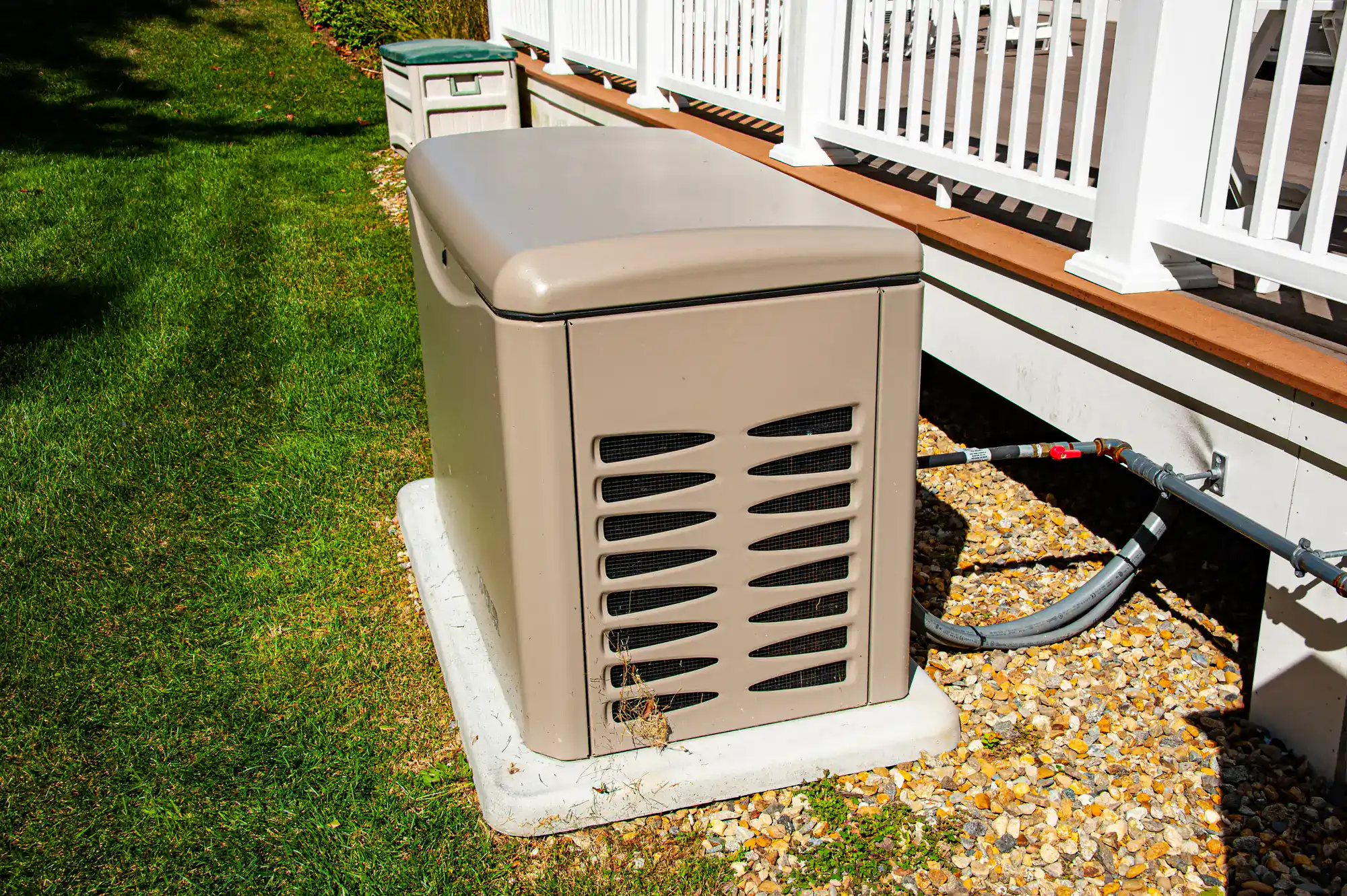
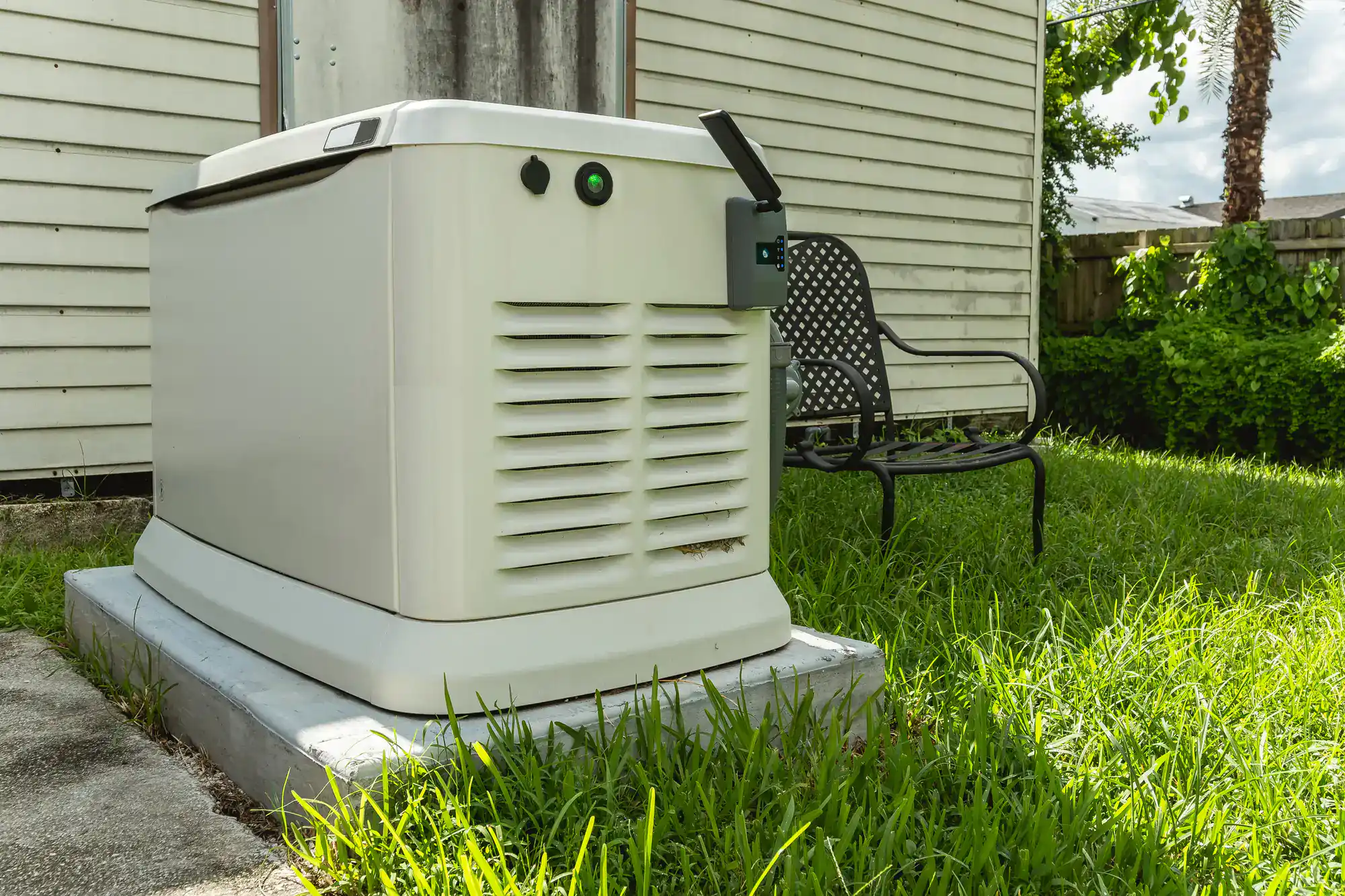
After your standby generator installation in East Greenwich, the power cuts out but your house doesn’t notice. The system kicks on automatically within seconds. Your heating stays active in February, your AC runs during summer outages, and you’re not dumping spoiled food or booking hotel rooms because you lost hot water.
You’re also not fumbling with extension cords in the dark or storing gasoline in your garage. The generator runs on your existing natural gas or propane line, starts itself when needed, and shuts down when utility power returns. You don’t touch anything.
We employ Master Electricians who are fully licensed, insured, and certified by the state of Rhode Island. We’re an authorized Generac dealer, which means we install, service, and maintain the generators that most homeowners in East Greenwich choose for backup power.
We’ve been doing electrical work in Rhode Island for over three decades. That includes more than 1,500 commercial projects and hundreds of residential generator installations across the state. East Greenwich homeowners call us because we show up on time, explain what’s happening at each step, and make sure your system passes inspection the first time.
You’re not getting a crew that learned generators last month. You’re getting electricians who’ve wired transfer switches, run fuel lines, and placed generator pads in every type of property setup East Greenwich has to offer.
First, we come to your property and assess where the generator will sit, how far it is from your electrical panel, and whether you’re running natural gas or propane. We measure, take notes, and give you a clear quote based on your specific setup—not a ballpark guess.
Once you approve the plan, we pull permits and schedule the work. On installation day, we prepare the pad or foundation where the generator sits, set the unit in place, and run the fuel line from your gas meter or propane tank. Then we install the automatic transfer switch inside, which is what tells your generator to start when the power drops.
After the electrical connections are made and tested, we fire up the system and walk you through how it operates. We also coordinate the final inspection with the local authority. When we leave, your generator is live, legal, and ready to take over the next time East Greenwich loses power.
Ready to get started?
Your installation covers everything from equipment to inspection. We supply the generator, the transfer switch, the fuel line, the concrete pad or mounting system, and all electrical connections. You’re not hiring three different contractors to get this done.
East Greenwich properties vary—some homes need longer fuel runs, others require upgraded electrical panels before a generator can be added. We handle that too. If your panel is outdated or undersized, we’ll let you know up front and give you options that meet current Rhode Island electrical code.
We also make sure your system is set up to power what matters most to you. Some homeowners want whole-house coverage. Others prioritize the furnace, refrigerator, and a few outlets. We configure the transfer switch to match your priorities and your generator’s capacity, so you’re not overloading the system or paying for more power than you’ll actually use.
After installation, we’re still your contact for service, maintenance, and repairs. Generac recommends annual maintenance to keep the system reliable, and we handle that for East Greenwich customers who want to stay ahead of potential issues before storm season hits.
Most residential generator installations in East Greenwich take one to two days, depending on your property layout and whether any prep work is needed. If your electrical panel is ready and the fuel line run is straightforward, we can often finish in a single day.
If we need to upgrade your panel, extend a propane line, or pour a new concrete pad, that adds time. We’ll tell you the realistic timeline during the site assessment so you’re not caught off guard.
Permit approval can add a few days to the overall schedule, but we handle that process. Once permits are in hand, we move quickly. The goal is to get your system online before the next storm, not drag the project out for weeks.
It depends on what you want to keep running during an outage. If you’re powering your whole house—including central air, electric range, and all outlets—you’re typically looking at a 20kW to 24kW unit for most East Greenwich homes.
If you only need essentials like the furnace, refrigerator, a few lights, and your sump pump, a 12kW to 14kW generator usually covers it. The transfer switch determines which circuits get power, so you can be selective even with a smaller unit.
We calculate the load based on your actual electrical panel and the appliances you prioritize. That way you’re not overpaying for capacity you won’t use, and you’re not underpowered when the system kicks on. Every home is different, and we size the generator based on your specific setup—not a generic formula.
Yes. East Greenwich requires an electrical permit for standby generator installations, and the work must be done by a licensed electrician. The town also requires a final inspection before the system can be legally operated.
We pull the permits as part of the installation process. You don’t need to visit Town Hall or deal with paperwork. We submit the application, schedule the inspection, and make sure everything is up to code before we call the job complete.
Skipping permits might save time up front, but it creates problems later—especially if you sell your home or file an insurance claim. Buyers and insurers both ask for proof that electrical work was permitted and inspected. We make sure your installation is documented and legal from day one.
It depends on what’s already available at your East Greenwich property. If you have natural gas service from the street, that’s usually the easiest and most cost-effective fuel source. The generator ties into your existing gas line, and you never have to worry about refueling.
If your home runs on propane, the generator connects to your propane tank. You’ll use more propane during an outage, so some homeowners upgrade to a larger tank when they add a generator. We can coordinate that with your propane supplier if needed.
Both fuel types work well for standby generators. Natural gas is convenient because it’s always available. Propane gives you independence from the utility grid, which some East Greenwich homeowners prefer. We’ll recommend the best option based on your current setup and how much power you plan to use during outages.
Most residential generator installations in East Greenwich range from $8,000 to $15,000, depending on the size of the generator, the complexity of the installation, and whether any electrical upgrades are required. That includes the equipment, labor, permits, and transfer switch.
Smaller systems that power essential circuits cost less. Whole-house systems with larger generators and more complex transfer switches cost more. If we need to upgrade your electrical panel, trench a long fuel line, or pour a custom pad, that affects the price too.
We give you a firm quote after the site visit, not a rough estimate. You’ll know exactly what the project costs before we start, and there are no surprise charges at the end. We price each job based on what your property actually requires, and we explain where the costs come from so you understand what you’re paying for.
Generac recommends annual maintenance for standby generators, and that’s what most East Greenwich homeowners follow. The service includes changing the oil and filters, inspecting the battery, testing the transfer switch, and running the system under load to make sure it’s ready when you need it.
If your generator runs during an outage, it’s smart to schedule a service visit afterward. Extended run times can accelerate wear on engine components, and it’s better to catch small issues before they turn into failures during the next storm.
We offer maintenance plans for East Greenwich customers who want to stay on a regular schedule. We’ll remind you when service is due, come out and handle the work, and keep records of what was done. Most generators last 20 to 30 years with proper maintenance. Skip the service, and you’re gambling that it’ll start when the power drops.