

For over 30 years, we’ve powered Rhode Island with expert electrical services delivered with a personal touch. Discover our story and commitment to quality.
Contact Info
- List Item
For over 30 years, we’ve powered Rhode Island with expert electrical services delivered with a personal touch. Discover our story and commitment to quality.
Contact Info
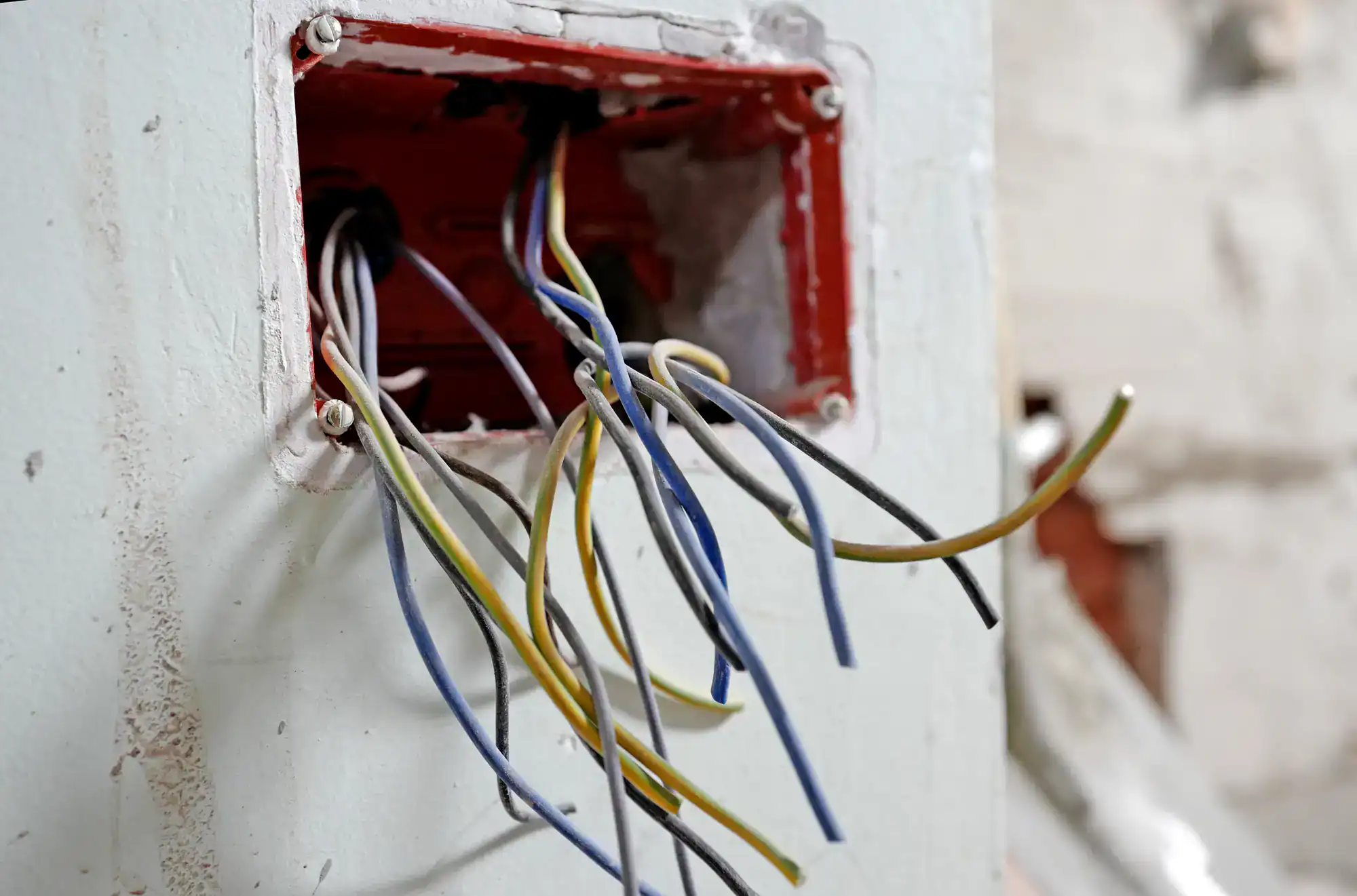
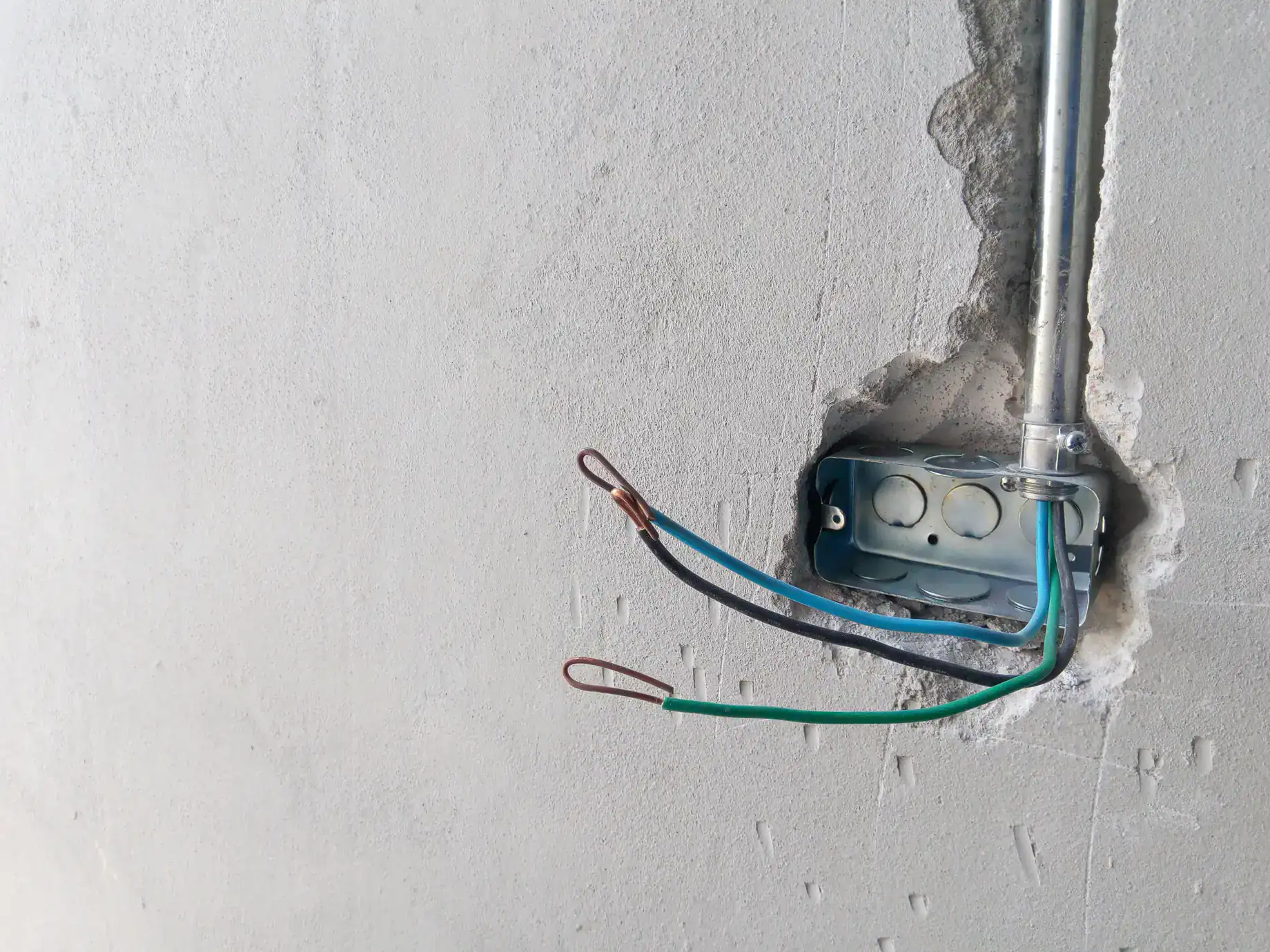
Your insurance company gave you 30 days to remove the knob and tube wiring. Every other electrician you’ve called says they’ll need to cut into your walls, then you’ll need to hire a plasterer to repair the damage. If you’ve got horsehair plaster—which most East Greenwich homes built before 1940 do—you already know how hard that is to match.
We use a different approach. A specialized camera system gets inserted through your existing outlets to locate the old wiring inside your walls. From there, we remove it without opening anything up. No cutting. No notching. No plasterer needed after.
You get your insurance compliance letter. Your home stays intact. And if you’ve been losing sleep over fire risk every time you flip a light switch, that stops too.
This matters in East Greenwich because so many homes here have original plaster that’s irreplaceable. Horizontal cuts cause it to fall. Patches never match. Our camera-based process was built specifically for situations like yours.
We’ve been handling electrical upgrades in Rhode Island’s older homes long before insurance companies started cracking down on knob and tube wiring. We’re licensed master electricians who know exactly how to work in homes with horsehair plaster, original woodwork, and wiring that’s been hidden behind walls for 80+ years.
East Greenwich has one of the highest concentrations of pre-1940s homes in the state. We’ve worked in dozens of them. The camera system we use isn’t something every electrician has—we’re the only ones in the area using this technology for knob and tube removal.
When you call, you’re talking to electricians who’ve actually done this work in homes like yours. We know what you’re dealing with because we’ve seen it before, and we know how to handle it without turning your house into a construction zone.

First, we insert a specialized camera through your outlets to inspect what’s actually inside your walls. The camera shows us where the knob and tube wiring runs, whether there’s any mouse damage, if there are covered junction boxes, and if any connections have come loose over time. This inspection happens without opening anything.
Once we map out the wiring, we remove it through the same access points—your existing outlets and minimal entry points that don’t require cutting into plaster. If we do need to make a small notch anywhere, it’s minimal. Not the kind of damage that requires a separate contractor to repair.
After the old wiring is out, we install modern wiring that’s grounded and built to handle the electrical load your home actually uses. Then we test everything, document the work for your insurance company, and you’re done. Most jobs take a few days depending on the size of your home.
You’ll have the paperwork you need to send to your insurer, your electrical system will be up to code, and your walls will look the same as they did before we started.

Ready to get started?
You get a full camera inspection that shows exactly what’s behind your walls before we touch anything. That means we’re not guessing—we know where the wiring is, what condition it’s in, and what needs to happen next.
The removal itself is non-invasive. We’re not cutting horizontal lines across your plaster or opening up sections of wall that’ll need major repair work. For East Greenwich homeowners with horsehair plaster, this is the difference between a clean upgrade and a months-long restoration project.
You also get modern, grounded wiring that can handle your actual electrical needs. Knob and tube was designed in the 1920s for a few lights and maybe a radio. You’re running computers, TVs, kitchen appliances, and HVAC systems now. The new wiring supports that safely.
And you get documentation for your insurance company showing the work passed inspection. Most Rhode Island insurers require proof of removal within 30 days or they’ll cancel your policy. We provide exactly what they need to reinstate or renew your coverage.
This process works especially well in East Greenwich because the housing stock here skews older. About 20% of homes were built before 1940. Many still have original plaster, original trim, and original wiring. Our method preserves the first two while replacing the third.

Not with the camera system we use. Traditional knob and tube removal requires electricians to open walls in multiple places to locate and pull the old wiring. That means cutting into plaster, which often cracks or crumbles—especially horsehair plaster that’s 80+ years old.
Our process is different. We insert a specialized camera through your existing outlets to see inside the walls without opening them. The camera maps where the wiring runs, so we know exactly where everything is before we start. Then we remove the wiring through those same access points and other minimal entry areas that don’t require cutting into your plaster.
If any small notch is needed, it’s minimal—not the kind of damage that requires hiring a plasterer or trying to match 100-year-old horsehair plaster. Most East Greenwich homes we work in have zero visible damage after the job is done. Your walls stay intact, and you don’t spend weeks dealing with plaster repair and paint matching.
Most jobs take between two and five days depending on the size of your home and how much wiring needs to be replaced. A smaller East Greenwich home with wiring in just part of the house might be done in two days. A larger home where the entire electrical system needs upgrading could take closer to a week.
The timeline also depends on what the camera inspection reveals. If the wiring is relatively accessible and in predictable locations, the work moves faster. If we find covered junction boxes, mouse damage, or wiring that’s been modified over the years, that adds time.
We’ll give you a clear timeline after the initial inspection. Most homeowners are working against an insurance deadline, so we move as quickly as we can without cutting corners. The advantage of our camera system is that it actually speeds things up—we’re not spending days opening walls to figure out where the wiring is. We know before we start, so the removal itself goes faster.
Insurance companies see knob and tube wiring as a fire risk, and statistically, they’re not wrong. The insulation around the wires deteriorates over time, the wiring wasn’t designed to handle modern electrical loads, and there’s no ground wire to protect against surges or shocks. Fires happen.
Most Rhode Island insurers now require removal within 30 days of discovering the wiring, or they’ll cancel your policy. Some won’t insure homes with knob and tube at all. If they do cover you and don’t know about the wiring, they can deny a fire claim entirely if they find out later.
Force-placed insurance—what you get stuck with if your regular insurer drops you—costs about triple what you’re paying now. And it offers less coverage. So the cost of removal almost always pays for itself within a few years just in insurance savings, not counting the actual safety upgrade or the impact on your home’s resale value.
In East Greenwich, where home values are high and many properties are historic, this issue comes up constantly. The insurance industry has been cracking down harder over the last five years, and it’s not letting up.
Technically yes, but your insurance company probably won’t accept that. Most insurers require complete removal of all active knob and tube wiring in the home. If any circuits are still running on the old system, they’ll still consider it a risk and either deny coverage or require removal before they’ll renew your policy.
Some homeowners think they can remove the wiring in high-use areas like the kitchen and leave it in places like the attic or basement. That doesn’t usually work. Insurance companies want it all out, and home inspectors know how to find it.
The other issue is that partial removal doesn’t actually solve the safety problem. If the wiring in your attic is still knob and tube, it’s still a fire risk. It’s still ungrounded. And it’s still deteriorating. You’re not eliminating the hazard—you’re just moving it to a different part of the house.
Our camera inspection will show you exactly where the wiring is and what needs to be replaced. From there, you can make an informed decision. But if your goal is insurance compliance and actual safety, partial removal usually doesn’t get you there.
The camera shows us the condition and location of the wiring inside your walls without opening anything. We can see if the cloth insulation has deteriorated, whether rodents have chewed through any sections, if there are open splices or covered junction boxes, and how the wiring is routed through the studs and joists.
This matters because a lot of knob and tube wiring has been modified over the years. Someone added an outlet in the 1960s. Someone else patched in a new circuit in the 1980s. The camera shows us what’s actually there—not what the original blueprints say or what we’d expect to find in a home of that age.
It also helps us plan the removal without surprises. We know ahead of time if there are tricky spots, if the wiring runs through hard-to-reach areas, or if there’s damage that needs immediate attention. That means fewer delays, less guesswork, and a cleaner job overall.
For East Greenwich homeowners, this level of detail matters because your homes are often 80+ years old with multiple rounds of modifications. The camera gives us the full picture before we start, which is why we can remove the wiring without tearing up your walls.
Most jobs in the East Greenwich area run between $12,000 and $36,000 depending on the size of your home, how much wiring needs to be replaced, and how accessible everything is. Smaller homes with wiring in just part of the house will be on the lower end. Larger homes that need a full electrical system upgrade will be higher.
The cost includes the camera inspection, removal of the old wiring, installation of new grounded wiring, and all the documentation your insurance company needs. You’re not paying separately for a plasterer or dealing with additional contractors to repair wall damage, because our process doesn’t create that damage in the first place.
Compare that to what you’ll pay if you lose your insurance. Force-placed coverage costs about triple your current premium, and you’ll be stuck with it until you fix the wiring anyway. Most homeowners break even on the upgrade within three to five years just from insurance savings, and that’s before factoring in safety or resale value.
We’ll give you an exact after the inspection. Every home is different, and we don’t guess on price. But the investment is almost always worth it when you consider what you’re actually getting—a safer home, insurance compliance, and no damage to your original plaster.