Generator Installation in Charlestown, RI

Power On When the Grid Goes Down

Coastal storms knock out power. Your generator keeps your home running—automatically, safely, and without you lifting a finger.
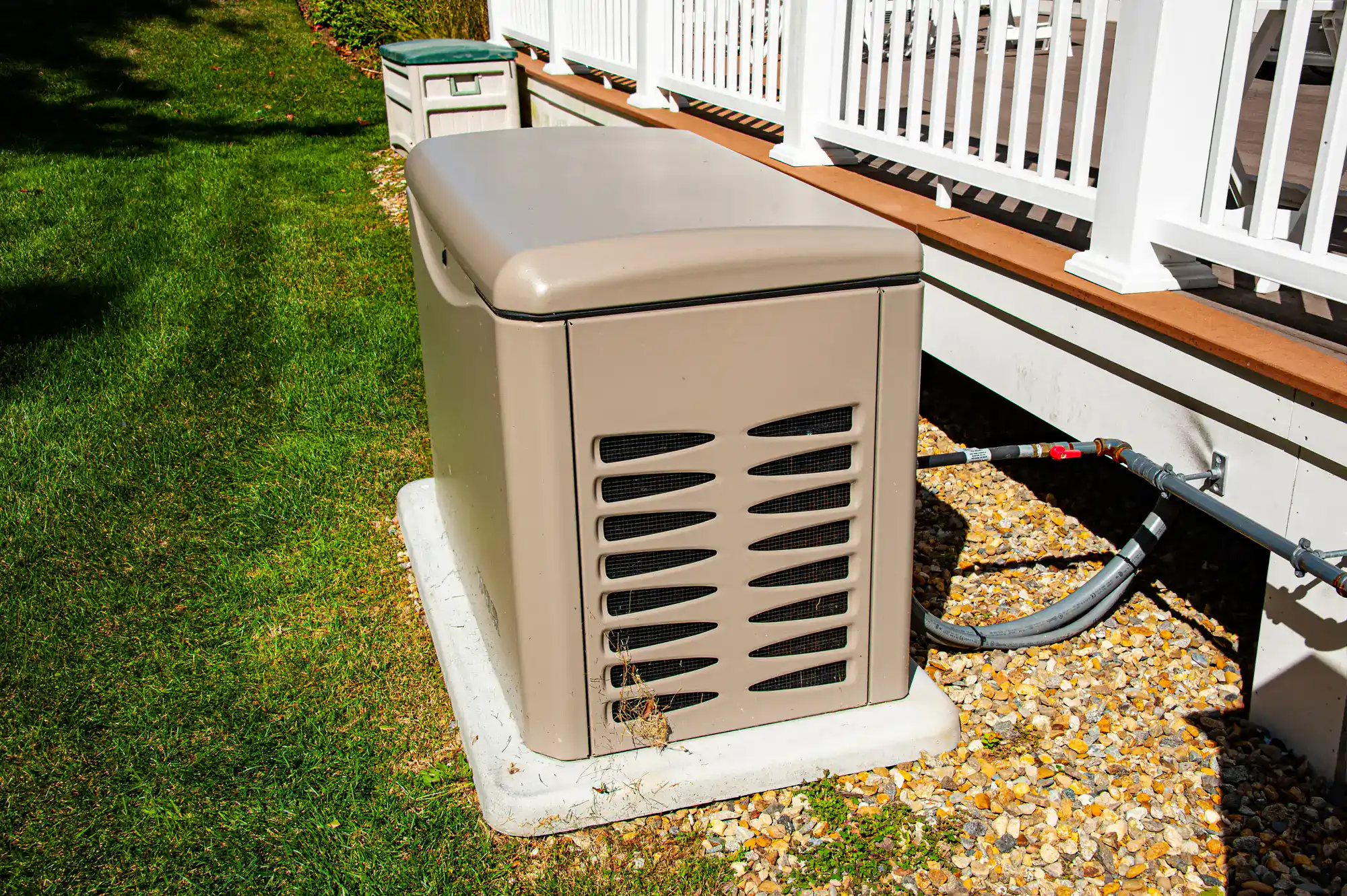
A beige standby generator sits on a concrete pad next to a house with white railing in RI, surrounded by grass and small rocks, with cables connected—installed by skilled electricians Providence County trusts.
A standby home generator, installed by expert electricians in Providence County, RI, sits on a concrete pad next to a house with white siding, a metal outdoor bench, and green grass nearby.

Standby Generator Installation Charlestown Residents Trust

What Happens When Your Power Actually Stays On

You’re not dealing with spoiled food in a dark kitchen at 2 a.m. Your sump pump keeps running, so your basement stays dry. Your heat stays on in January, which means your pipes don’t freeze and burst while you’re dealing with everything else a Nor’easter throws at you.

That’s what a standby generator does. It kicks on within seconds of an outage, runs your essential systems—or your whole house—and shuts off when utility power comes back. You don’t flip a switch or drag anything out of the garage.

For Charlestown homeowners, especially those with coastal properties or family members who need consistent power, this isn’t about convenience. It’s about protecting what you’ve built and keeping your household safe when the weather turns.

Certified Generator Installer Serving Charlestown, RI

Local Electricians Who've Done This for Decades

We’ve been handling electrical work across Rhode Island for over 30 years. We’re a certified Generac dealer, which means we’re trained on the systems we install and backed by the manufacturer when it matters.

Our team includes Master Electricians and Electrical Inspector Certified professionals. We’ve completed more than 1,500 commercial projects, and we bring that same level of precision to residential generator installations in Charlestown. We know the codes, the permit process, and what works in coastal conditions.

You’re hiring people who’ve seen how storms affect this area. We understand what Charlestown homeowners are up against, and we install systems that hold up when you need them most.

A person in RI pours green engine oil from a bottle into a blue funnel connected to a yellow portable generator, often used by electricians in Providence County, placed on a concrete surface outdoors.

How Home Generator Installation Works in Charlestown

Here's What Happens from Start to Finish

First, we come to your property and assess your electrical panel, your fuel source—natural gas or propane—and where the generator will sit. We’ll talk through what you want to power: whole house or essential circuits like your fridge, furnace, and well pump.

Once you approve the plan, we handle the permits and coordinate with local inspectors. Then we install the generator, connect it to your electrical system with an automatic transfer switch, and tie it into your fuel line. The transfer switch is what makes the system automatic—it detects when you lose power and signals the generator to start.

After installation, we test the system to make sure it fires up correctly and powers what it’s supposed to. We walk you through basic operation and maintenance expectations. From there, the generator runs a self-test every week to make sure it’s ready when you need it.

An electrician wearing a hard hat and gloves installs or repairs electrical wiring connected to a wall-mounted control box outdoors—a common task for electricians in Providence County, RI, as he handles cables secured in black tubing.

Explore More Services

About Lightning Electric

What's Included in Generator Installation Charlestown, RI

You Get a Complete System, Installed Right

This isn’t a drop-off. You’re getting a turnkey installation that includes the generator unit, the automatic transfer switch, all electrical connections, fuel line hookup, and the concrete pad or mounting platform it sits on.

We pull the permits, schedule the inspections, and make sure everything meets Rhode Island electrical codes and NFPA standards. The system gets tested before we leave, and you get documentation for your warranty.

Charlestown’s coastal location means salt air and high winds. We account for that during installation—proper placement, secure mounting, and weatherproof connections. Your generator will be outside year-round, so it needs to be installed to handle the conditions here.

You’ll also get a walkthrough on how the system operates, what the maintenance schedule looks like, and how to reach us if something comes up. We service what we install, so you’re not calling around for help later.

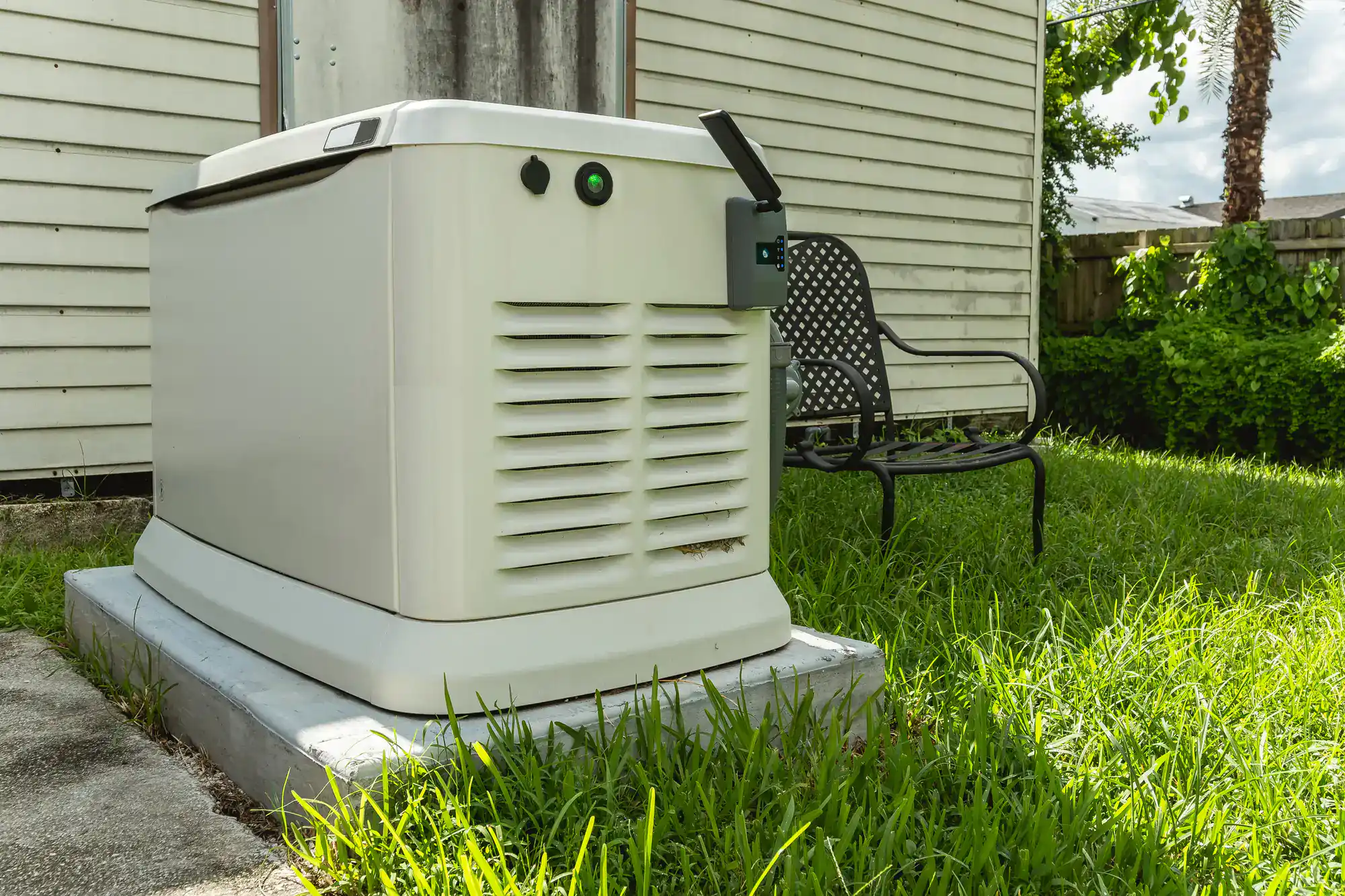
A white standby home generator sits on a concrete pad in a grassy backyard, surrounded by lush green trees and bushes—installed by expert electricians in Providence County, RI.

How long does a generator installation take in Charlestown, RI?

Most residential generator installations take one to two days once permits are approved and the equipment arrives. The timeline depends on a few factors: whether we need to run a new gas line, how far the generator sits from your electrical panel, and if there’s any prep work needed for the concrete pad.

Permitting in Charlestown usually adds a week or two to the overall timeline, depending on the town’s schedule. We handle that process, but it’s not instant. If you’re planning ahead of storm season, expect the full process—from consultation to final inspection—to take three to four weeks under normal conditions.

We don’t rush installations. The transfer switch and fuel connections have to be done correctly, or you’re looking at safety issues and a system that won’t work when you need it. We’d rather take the extra time to do it right than leave you with a generator that fails during the next outage.

It depends on your budget and what you actually need during an outage. A whole-house generator powers everything—lights, appliances, HVAC, outlets. You live like the power never went out. That requires a larger unit, typically 22kW or higher, and costs more upfront.

If you want to keep costs down, you can install a smaller generator that powers essential circuits: your refrigerator, a few lights, your heating system, and maybe your well pump if you’re on one. That keeps your household functional without the expense of running your entire electrical panel.

For Charlestown homeowners, especially those with older family members or medical equipment that needs power, whole-house systems make sense. If you’re in a vacation home that’s only occupied part of the year, essentials-only might be the smarter play. We’ll walk through your panel during the consultation and show you what each option looks like in terms of coverage and cost.

You need a licensed electrician who’s certified to install generators. This isn’t general handyman work—you’re connecting a fuel-burning appliance to your home’s electrical system with an automatic transfer switch. If that’s done wrong, you’re risking electrical fires, carbon monoxide issues, or a system that doesn’t transfer power when the grid goes down.

Rhode Island requires permits for generator installations, and the local inspector will check the work. If it’s not up to code, you’ll have to redo it. Hiring a certified generator installer means the job gets done to manufacturer specs, which protects your warranty, and to local code, which protects your safety.

We’re a certified Generac dealer with Master Electricians on staff. We’re also Electrical Inspector Certified, so we know exactly what the inspector is looking for before they show up. That means fewer delays, no failed inspections, and a system that works the way it’s supposed to from day one.

Generator size depends on what you’re powering and how much electrical load that creates. A typical whole-house system for a 2,000-3,000 square foot home usually requires a 20-24kW generator. If you have electric heat, central air, and multiple large appliances, you might need more capacity.

We calculate the load by looking at your electrical panel and adding up the wattage of everything you want to run during an outage. Things like well pumps, electric water heaters, and HVAC systems draw significant power. If you’re only covering essentials, a 10-14kW unit might be enough.

Oversizing a generator wastes money and fuel. Undersizing it means the system can’t handle the load, and you’ll trip breakers or damage the unit. During our consultation, we’ll do a load calculation based on your actual home and give you a recommendation that fits your needs without paying for capacity you won’t use.

A professionally installed standby generator system typically runs between $13,500 and $16,500 for most residential applications in Charlestown. That includes the generator, automatic transfer switch, installation labor, permits, fuel line connection, and the concrete pad.

Costs vary based on generator size, how far we need to run electrical or gas lines, and whether your property requires any site prep. Larger whole-house systems cost more than smaller essential-circuit setups. If you need a propane tank installed or a natural gas line extended, that adds to the total.

We don’t give ballpark quotes over the phone because every property is different. What we can tell you is that cutting corners on installation to save a few hundred dollars usually costs more in the long run—either in repairs, failed inspections, or a system that doesn’t work during an outage. You’re paying for a system that keeps your home running when the power’s out, and that’s worth doing right the first time.

Yes. Generators are engines, and like any engine, they need routine maintenance to run reliably. Most manufacturers recommend service once a year—oil and filter change, spark plug check, battery inspection, and a test run under load.

Your generator will run a self-test every week for a few minutes to make sure it’s ready. That’s automatic and doesn’t require anything from you. But the annual service catches issues before they become problems. A generator that hasn’t been maintained might start fine during a test but fail when it needs to run for three days straight during a major storm.

We offer maintenance plans for the systems we install in Charlestown. You’re not hunting for a technician when something goes wrong, and you’re not voiding your warranty by skipping service. Regular maintenance extends the life of the unit and makes sure it’s actually going to work when you lose power.

Other Services we provide in Charlestown