

For over 30 years, we’ve powered Rhode Island with expert electrical services delivered with a personal touch. Discover our story and commitment to quality.
Contact Info
- List Item
For over 30 years, we’ve powered Rhode Island with expert electrical services delivered with a personal touch. Discover our story and commitment to quality.
Contact Info
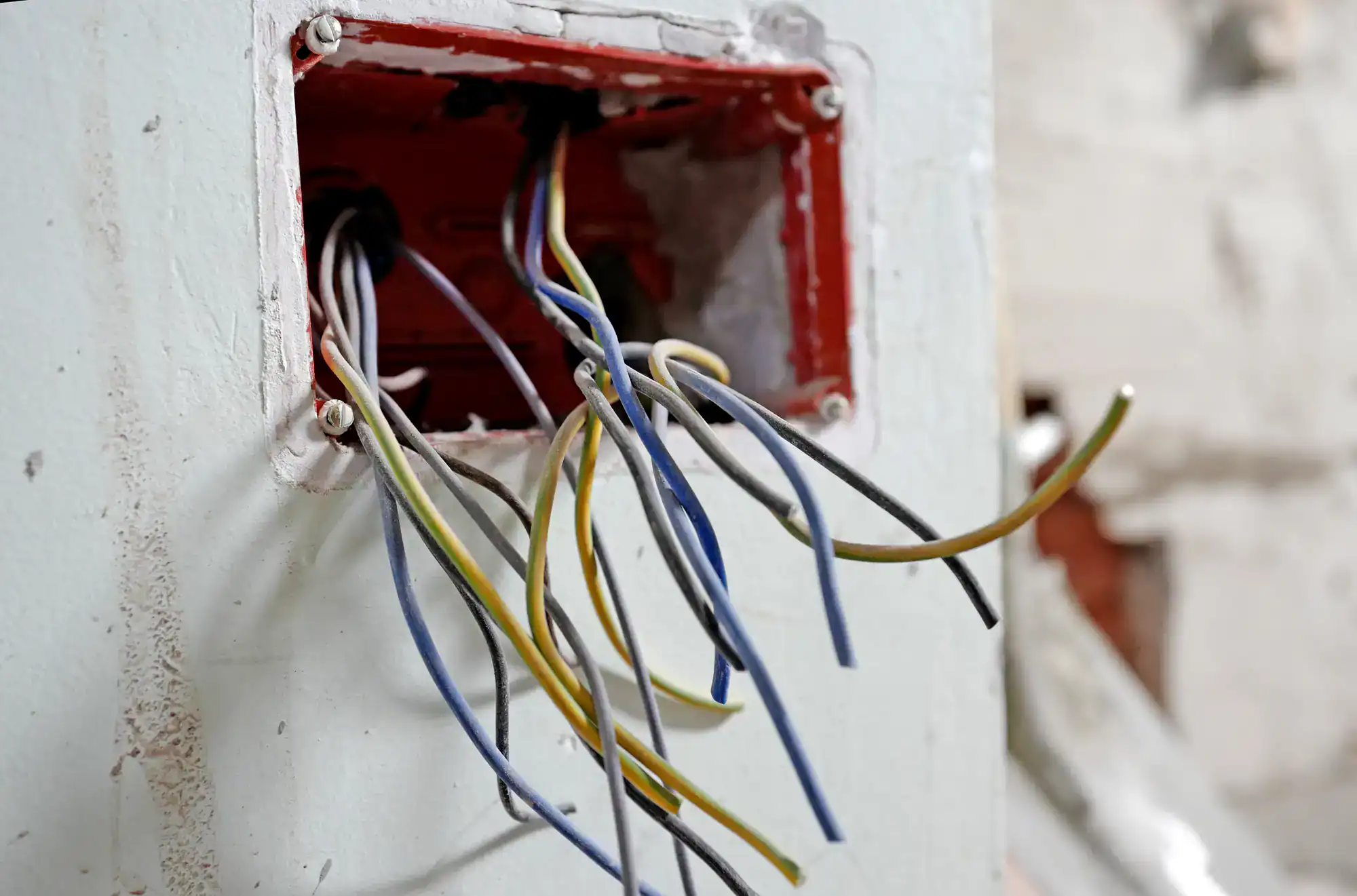
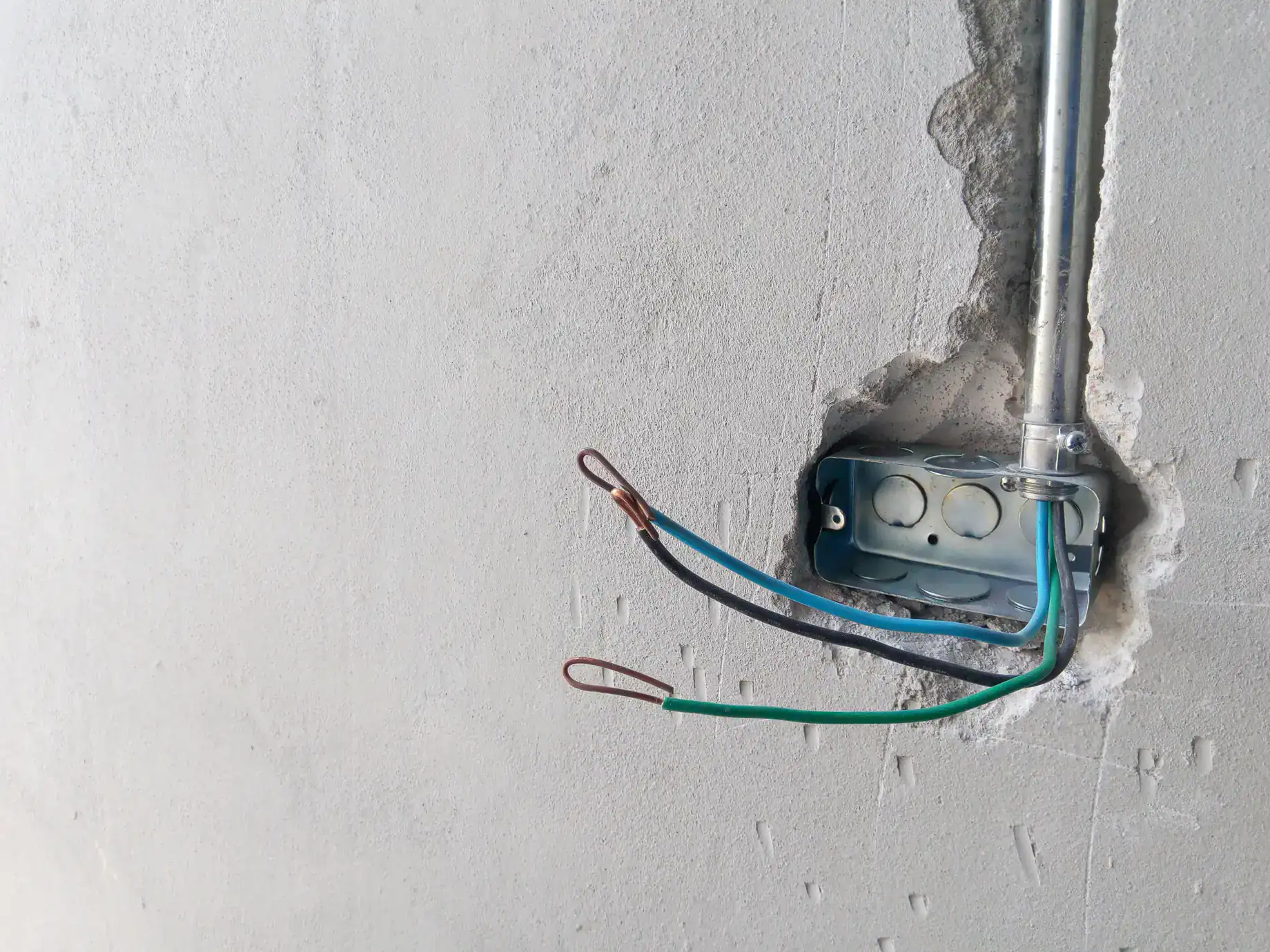
If you own a historic home in Charlestown with knob and tube wiring, you already know the problem. Your insurance company either dropped you, threatened to drop you, or gave you 30 days to fix it. And every electrician you’ve called has told you the same thing: they’ll need to cut into your walls.
That’s where most homeowners get stuck. You can’t match horsehair plaster. Once it’s damaged, it’s nearly impossible to repair without it looking obvious. And if your home was built before 1950, there’s a good chance that’s exactly what you’re dealing with.
We use a specialized camera system that goes through your existing outlets to locate and remove knob and tube wiring without opening your walls. No cutting. No notching. No patching. If there’s any damage at all, it’s minimal—maybe a small notch here or there. But in most cases, your walls stay completely untouched.
That means you get full insurance compliance, modern electrical safety, and your home’s original character stays exactly as it is.
We’ve been upgrading electrical systems in Rhode Island for over 30 years. We started removing knob and tube wiring long before insurance companies made it a dealbreaker.
Charlestown has some of the most beautiful historic homes in the state. Many were built in the late 1800s and early 1900s, and a lot of them still have original plaster walls and outdated wiring. We’ve worked in dozens of them.
Our camera-based process was developed specifically for homes like yours—where preserving the structure matters just as much as updating the electrical. No other electrician in the area uses this system. And that’s not marketing talk. It’s just the truth.

First, we insert a specialized camera through your existing outlets and switches. This lets us see inside your walls without cutting anything open. We can locate where the knob and tube wiring runs, check for issues like mouse damage or deteriorated insulation, and identify any covered junction boxes or open joints that need attention.
Once we map everything out, we remove the old wiring using the same access points. In most cases, that means zero wall damage. If we do need to make a small notch somewhere for access, it’s minimal—nothing like the large openings other electricians require.
After the old wiring is out, we install new wiring that meets current code, handles modern electrical loads, and includes proper grounding. Then we document everything for your insurance company. Most of our clients have their coverage reinstated within days, and some even see their premiums drop once the fire risk is gone.
The whole process is designed around one goal: getting your home safe and compliant without destroying what makes it worth protecting in the first place.

Ready to get started?
Most knob and tube removal involves cutting open walls, pulling wire, patching holes, and hiring a plasterer to fix the damage. If you have horsehair plaster, that’s a nightmare. It’s brittle, hard to match, and expensive to repair. What starts as a small hole can quickly become a much bigger problem.
Our camera system eliminates that risk entirely. You get a full inspection of what’s actually inside your walls before any work starts. That means no surprises, no unnecessary damage, and no guessing about where the wiring runs.
This approach is especially important in Charlestown, where so many homes are over 100 years old. If your home has original plaster, original trim, or any kind of historic designation, you don’t want someone tearing into it with a sawzall. You want someone who knows how to work around it.
We also handle all the documentation your insurance company needs. In Rhode Island, they want proof that a licensed electrician did the work and that it passed inspection. We provide both. That’s the difference between getting your coverage back in a week versus waiting months while you argue with your provider.

Not with our camera-based system. Traditional knob and tube removal requires electricians to cut into walls to locate and pull the old wiring. That’s a major problem if you have horsehair plaster, which is extremely difficult to repair and nearly impossible to match.
We use a specialized camera that we insert through your existing outlets and switches. This lets us see exactly where the wiring runs without opening anything up. Once we know the layout, we remove the wiring through those same access points.
In most cases, your walls stay completely intact. If we do need to make a small notch for access, it’s minimal—nothing like the large holes other electricians create. And because we’re not cutting through plaster, you don’t have to worry about cracking, crumbling, or expensive repairs that never quite look right.
It depends on the size of your home and how much knob and tube wiring is still active. For most homes in Charlestown, the process takes anywhere from a few days to a week.
The camera inspection usually happens on day one. We map out where the old wiring runs, check for any hidden issues, and plan the removal process. Then we pull the old wiring and install the new system. Because we’re not cutting into walls, we don’t need extra time for patching and plastering.
If your insurance company gave you a 30-day deadline, that’s usually plenty of time. We’ve helped dozens of homeowners meet those deadlines without rushing the work or compromising quality. Once the job is done, we provide all the documentation your insurer needs so you can get your coverage reinstated right away.
The camera shows us everything we need to see before we start removing wiring. We can locate where the knob and tube runs through your walls, attic, and basement. We can see if the cloth insulation has deteriorated or if the wiring is making contact with wood framing—both of which are fire hazards.
We also check for mouse damage, which is more common than most homeowners realize. Rodents chew through old insulation and wiring, creating exposed conductors that increase the risk of electrical shock or fire.
The camera also helps us find covered junction boxes and open joints that might not be visible from the outside. These are code violations that insurance companies care about, and they need to be addressed during the removal process. By catching everything upfront, we avoid surprises later and make sure the job is done right the first time.
Yes. Insurance companies in Rhode Island require proof that a licensed electrician removed the knob and tube wiring and that the new system passed inspection. We provide both.
Once the work is complete, we document everything and give you the paperwork your insurer needs. Most of our clients have their coverage reinstated within a few days. Some even see their premiums drop once the fire risk is eliminated.
If your insurance company gave you a 30-day removal deadline, we can usually meet that timeline without any issues. We’ve been doing this long enough to know exactly what insurers are looking for, and we make sure every job meets those requirements. You won’t have to go back and forth with your provider or worry about whether the work is acceptable.
The cost depends on how much wiring needs to be removed and how accessible it is. For a full home, most projects range between $12,000 and $36,000. That might sound like a lot, but it’s less than what you’d pay if you had to repair horsehair plaster walls after a traditional removal.
Our camera-based system actually saves you money in the long run because you don’t need a plasterer to fix wall damage. You also avoid the cost of repainting entire rooms or trying to match historic finishes that can’t be replicated.
And if you’re comparing s, make sure you’re comparing the same scope of work. Some electricians will give you a lower price but won’t include inspection passage, documentation for your insurance company, or repairs for any damage they cause. We include all of that upfront so there are no surprises later.
Technically, you can remove only part of it—but your insurance company won’t care. If there’s any active knob and tube wiring left in your home, most insurers will still refuse coverage or cancel your policy.
We’ve had clients who updated 90% of their electrical system but left a small section of knob and tube in place. When the insurance inspector found it, they were right back where they started. It doesn’t matter if it’s in a closet or an unused room. If it’s active, it’s a problem.
That’s why we recommend a full removal. It’s the only way to guarantee your insurance company will cover you. And once it’s gone, you don’t have to worry about it again. Your home is safer, your coverage is secure, and you can actually use your electrical system the way it was meant to be used.