
For over 30 years, we’ve powered Rhode Island with expert electrical services delivered with a personal touch. Discover our story and commitment to quality.
Contact Info
- List Item
For over 30 years, we’ve powered Rhode Island with expert electrical services delivered with a personal touch. Discover our story and commitment to quality.
Contact Info
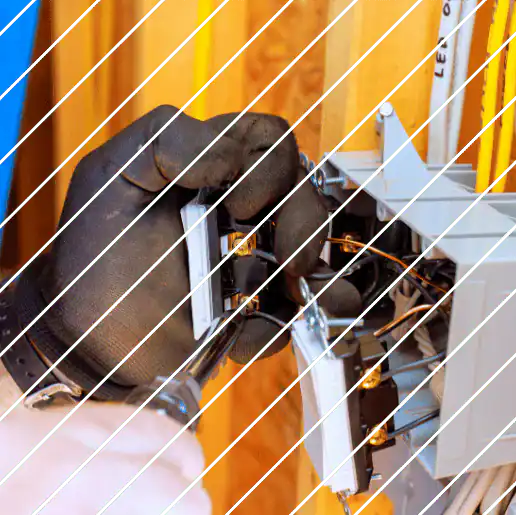
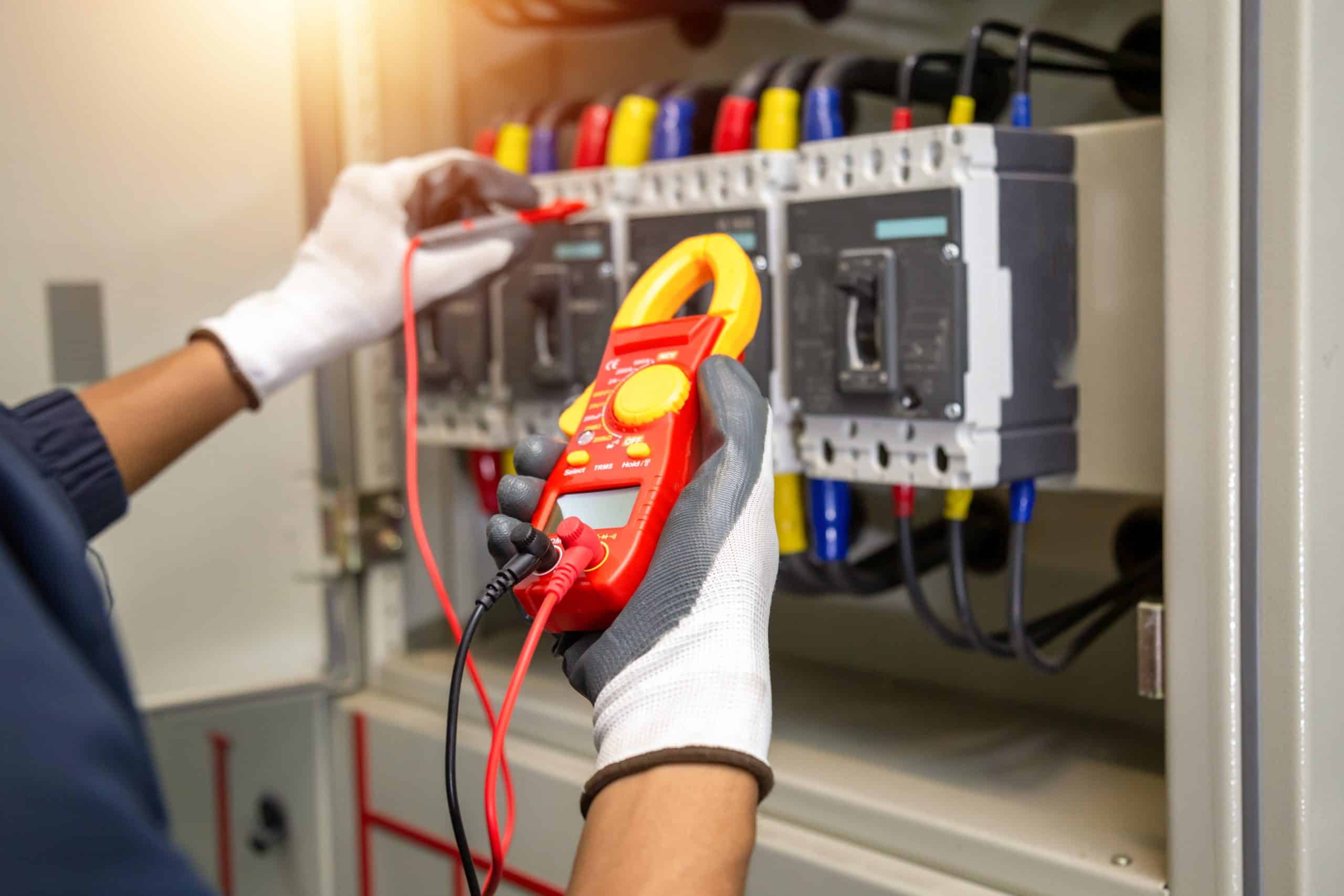
Portsmouth homes face conditions most electricians never think about. Salt air corrodes connections. Storm surges knock out power for days. Humidity creeps into panels and outlets, causing problems that show up months after someone else did the work.
You need electrical systems designed for this environment. That means corrosion-resistant materials in outdoor installations. Whole-home surge protection that actually works when wind gusts hit 65 mph and trees come down. GFCI outlets installed correctly in every damp area—not just where code requires them, but where Portsmouth homes actually need them.
When your lights flicker during a storm, or your breakers trip more often than they should, or outlets feel warm to the touch, those aren’t small issues. They’re signs your electrical system isn’t keeping up with what you’re asking it to do. The right fix addresses what’s happening now and what’ll happen during the next big storm.
We’ve spent over 30 years working on Rhode Island properties—more than 1,500 commercial projects and countless residential jobs across Portsmouth and the surrounding area. That’s three decades of learning how coastal conditions affect electrical systems, what fails first, and what actually lasts.
You’re not getting a crew that learned electrical work in Arizona and moved here last year. You’re getting licensed electricians who know Portsmouth homes—the ones built in the 1800s with knob-and-tube wiring, the mid-century ranches that need panel upgrades, and the newer construction that still needs proper grounding for coastal conditions.
When you call, you’re talking to people who’ve seen what happens when electrical work isn’t done right for this climate. We’ve repaired the failures. We don’t repeat them.

You call or message with what’s going on. We ask questions—not to upsell you, but to understand what’s actually happening. Breakers tripping under load tell us something different than breakers tripping randomly. Flickering lights during storms point to one issue; flickering lights all the time point to another.
We schedule a time that works for you. Someone shows up when they say they will, looks at your system, and explains what’s wrong in plain terms. No jargon. No scare tactics. Just what needs fixing and why.
If it’s a simple fix, we handle it. If your panel needs upgrading or your home needs rewiring, we walk you through what that involves, what it costs, and how long it takes. Then we do the work—permitted, inspected, and done right. You get systems that work the way they should, whether that’s a new EV charger installation, generator hookup, or a complete electrical panel upgrade.

Ready to get started?
Portsmouth homes need specific electrical work. Panel upgrades for older homes that can’t handle modern electrical loads. EV charger installations that take advantage of Rhode Island’s PowerUpRI rebates—up to $1,500 back on your electrical upgrades. Generator installations and repairs so you’re not without power when the next storm hits.
You need GFCI outlets in bathrooms, kitchens, and outdoor areas where moisture is constant. You need surge protection that guards against the power spikes that come with coastal storms. You need outdoor wiring that resists corrosion and holds up to salt air.
If you’re paying $1,531 a year for electricity—the Portsmouth average for a single person—you probably want to know if energy-efficient upgrades make sense. Sometimes they do. Sometimes your money’s better spent on reliability and safety. We’ll tell you which is which.
Smart home electrical systems, whole-home rewiring, commercial electrical work, emergency repairs—we handle what Portsmouth properties actually need, not what sounds good in a brochure.

Electrical work in Portsmouth typically runs between $37 and $55 per hour, but that’s not the full picture. Your final cost depends on what needs doing, how long it takes, and what materials the job requires.
A simple outlet replacement might take an hour. A panel upgrade for an older home could take a full day or more, especially if we’re bringing everything up to current code. EV charger installations vary based on where your panel is, where you want the charger, and whether your current system can handle the load.
The good news: Rhode Island offers rebates that offset costs for certain work. PowerUpRI provides up to $1,500 for EV charging electrical upgrades. That can cover a significant portion of the installation cost. We’ll walk you through what applies to your situation and handle the paperwork if you want.
It depends on your current panel and what else is running in your home. Most EV chargers pull 30 to 50 amps. If your panel is already maxed out—common in older Portsmouth homes—you’ll need an upgrade before adding that load.
We check your panel capacity, look at what’s currently drawing power, and calculate whether you have room for a charger. Sometimes you do. Sometimes you need a panel upgrade, which isn’t a bad thing—it means your electrical system can finally handle modern demands without tripping breakers.
Here’s what makes this easier: the PowerUpRI rebate covers both the charger and necessary electrical upgrades, up to $1,500 total. So if you need a panel upgrade to make the charger work safely, that rebate helps cover both. We assess your specific situation and give you the real answer, not the answer that makes the sale.
If your outlets reset frequently in damp areas, your outdoor wiring shows corrosion, or your power flickers every time a storm rolls through, your system probably isn’t handling coastal conditions well. Portsmouth’s salt air and humidity are hard on electrical components that weren’t installed with those conditions in mind.
Coastal homes need GFCI outlets in more places than code requires—anywhere moisture is present. You need corrosion-resistant materials for outdoor installations and proper grounding that accounts for wet soil conditions. Whole-home surge protection helps when storms cause power spikes that fry electronics and appliances.
Annual inspections before hurricane season catch problems before they become emergencies. We look for signs of corrosion, check connections that salt air degrades, and test GFCI outlets that protect you from shocks in wet conditions. If something’s failing, we catch it while it’s still fixable, not during the next power outage.
Breakers trip for a reason—they’re protecting your home from electrical overload or a short circuit. If it happens once, reset it and see what happens. If it keeps happening, something’s wrong, and you need to figure out what before it becomes a bigger problem.
Frequent tripping usually means you’re pulling more power than that circuit can handle, there’s a short somewhere in the wiring, or the breaker itself is failing. Older Portsmouth homes often have undersized panels that can’t handle modern electrical loads—think window AC units, multiple computers, kitchen appliances all running at once.
Don’t just keep resetting the breaker or, worse, replace it with a higher-amp breaker. That’s how electrical fires start. Call someone who can trace the problem, test the circuit, and tell you whether you need a repair, a panel upgrade, or a dedicated circuit for high-draw appliances. We diagnose what’s actually happening and fix the real issue.
If you’ve sat through a multi-day outage after a storm knocked out power to 50,000+ people—which happens in Rhode Island—you already know the answer. Generators keep your refrigerator running, your sump pump working, and your heat on when everyone else is waiting for the utility company.
The question isn’t whether they’re worth it. The question is whether you want to deal with extension cords and a portable unit, or have a whole-home system that kicks on automatically when power drops. Whole-home generators cost more upfront, but they run your essential systems without you doing anything.
We install and repair generators—we’re talking Generac systems that are sized correctly for your home’s load, installed with proper transfer switches, and maintained so they actually work when you need them. If you already have a generator that’s not running right, we diagnose and repair those too. Decades of experience means we know what fails and how to fix it fast.
Most panel upgrades take one full day, sometimes two if we’re dealing with older wiring that needs updating or if your service entrance needs work. The process involves shutting off power, removing the old panel, installing the new one, reconnecting circuits, and getting everything inspected and approved.
You’ll be without power during the work—usually 4 to 8 hours depending on complexity. We coordinate with you on timing so you can plan around it. If you work from home or have medical equipment that needs power, we figure out solutions before we start.
Portsmouth has plenty of older homes where panel upgrades involve more than swapping boxes. Sometimes the service line from the street needs upgrading. Sometimes the grounding system needs work. Sometimes we’re replacing cloth-wrapped wiring that’s been there since before World War II. We assess everything upfront, tell you what’s involved, pull the permits, and schedule inspections. You get a system that’s safe, legal, and actually has capacity for how you live now.