For over 30 years, we’ve powered Rhode Island with expert electrical services delivered with a personal touch. Discover our story and commitment to quality.
Contact Info
- List Item
For over 30 years, we’ve powered Rhode Island with expert electrical services delivered with a personal touch. Discover our story and commitment to quality.
Contact Info
You flip a switch and the lights come on. Your well pump delivers water when you turn the faucet. Your generator kicks in during a storm without you wondering if it’ll actually work this time.
That’s what reliable electrical work looks like. Not constant service calls. Not worrying whether your wiring can handle what you’re plugging in. Not losing sleep over whether your backup power will fail when you need it most.
In West Greenwich, RI, where properties sit on larger lots and power restoration can take days instead of hours, your electrical system isn’t just about convenience. It’s about water, heat, and the basic functions your household depends on. When we handle your electrical repair or installation, you get systems designed for how you actually live—not just what passes inspection.
Lightning Electric brings Master Electrician licensing and Electrical Inspector certification to every job in West Greenwich, RI. We’re also an authorized Generac dealer, which matters when you’re comparing generator installation options.
We understand what makes rural electrical work different. The long underground runs. The well pump circuits that can’t afford to fail. The reality that when your power goes out here, you’re not getting a two-hour fix—you’re looking at potential days without electricity.
West Greenwich properties need electricians who’ve handled these systems before. We’ve rewired homes still running knob and tube wiring from before 1940. We’ve diagnosed why generators aren’t engaging when the power drops. We know what proper amperage looks like for well systems and why surge protection isn’t optional when your wiring is exposed to lightning strikes.
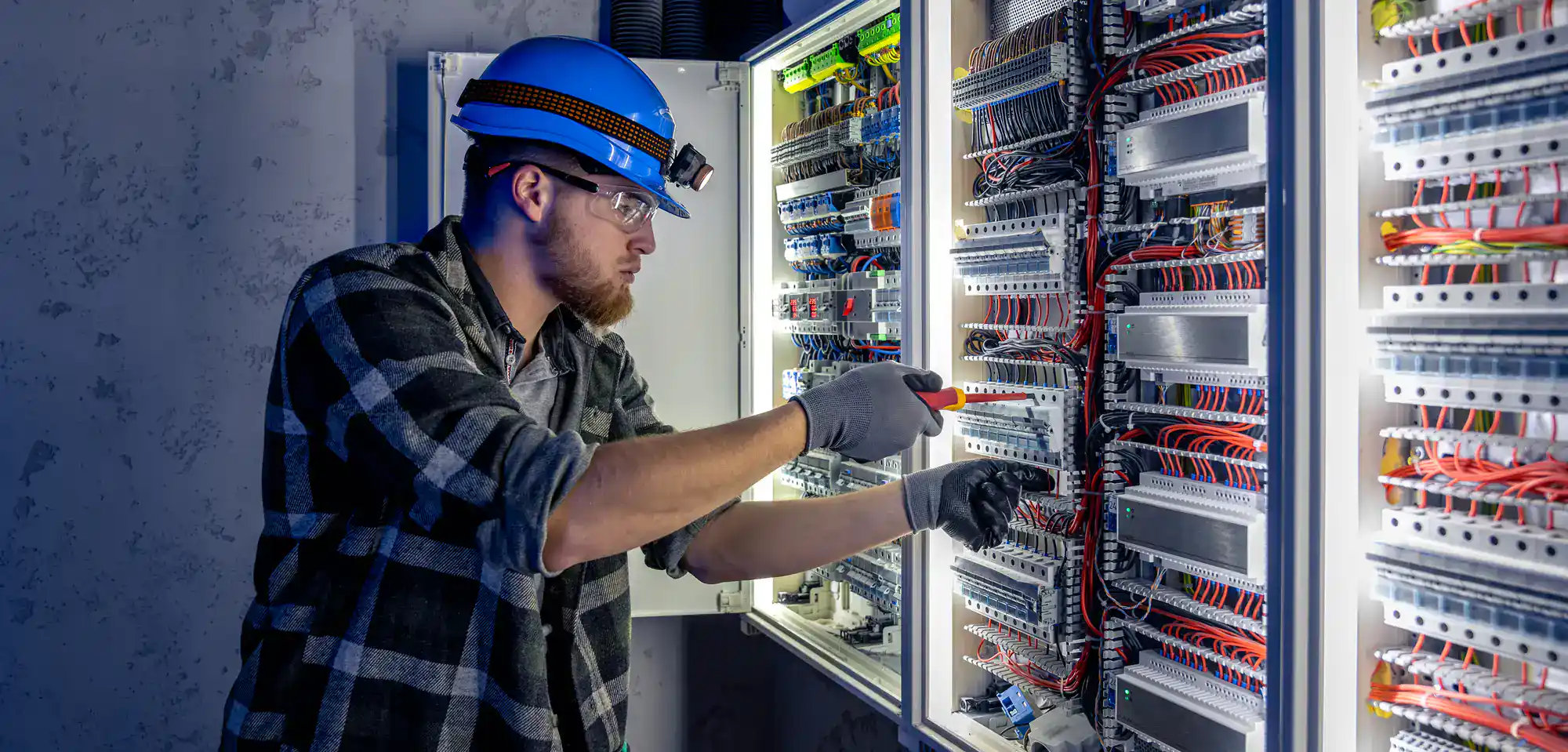
You call or contact us with what’s happening. We ask questions to understand whether this is an emergency situation or scheduled work. If your well pump circuit just tripped and you have no water, we respond accordingly. If you’re planning a generator installation or need to replace old wiring, we schedule a time that works.
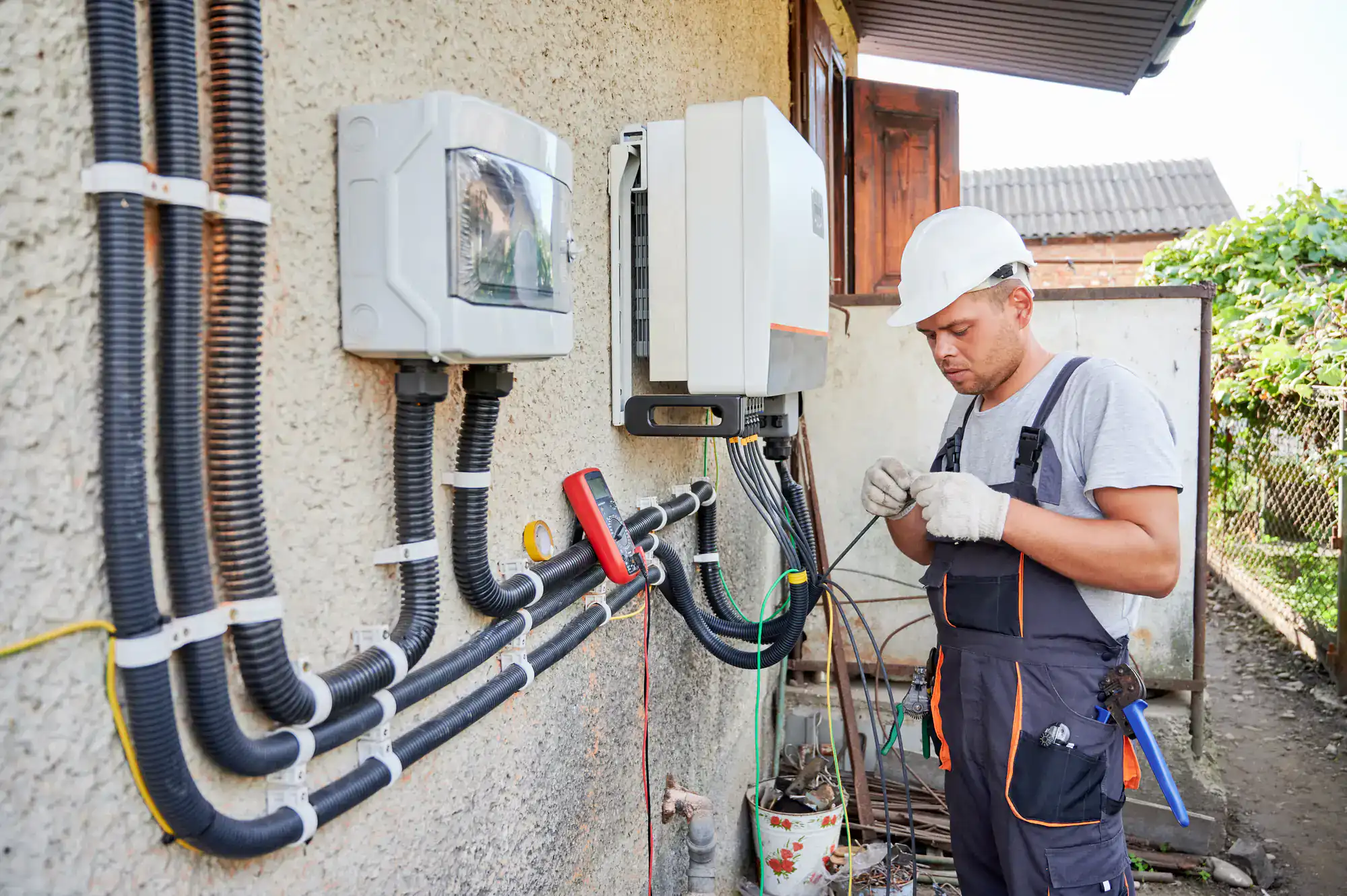
We show up when we say we will. Our licensed electrician assesses what’s actually going on—not what you think might be wrong, but what the system is telling us. For residential electrician work, that might mean checking your panel capacity, testing circuits, or evaluating whether your current wiring can support what you need.
You get a clear explanation of what needs to happen and why. We don’t upsell. If your knob and tube wiring is creating insurance problems or safety risks, we tell you what replacement involves. If your generator needs a repair instead of replacement, that’s what we recommend.
The work gets done to code, with proper permitting when required. You’re not left guessing whether it was done right. Our commercial electrician services follow the same approach—clear communication, proper licensing, work that holds up.
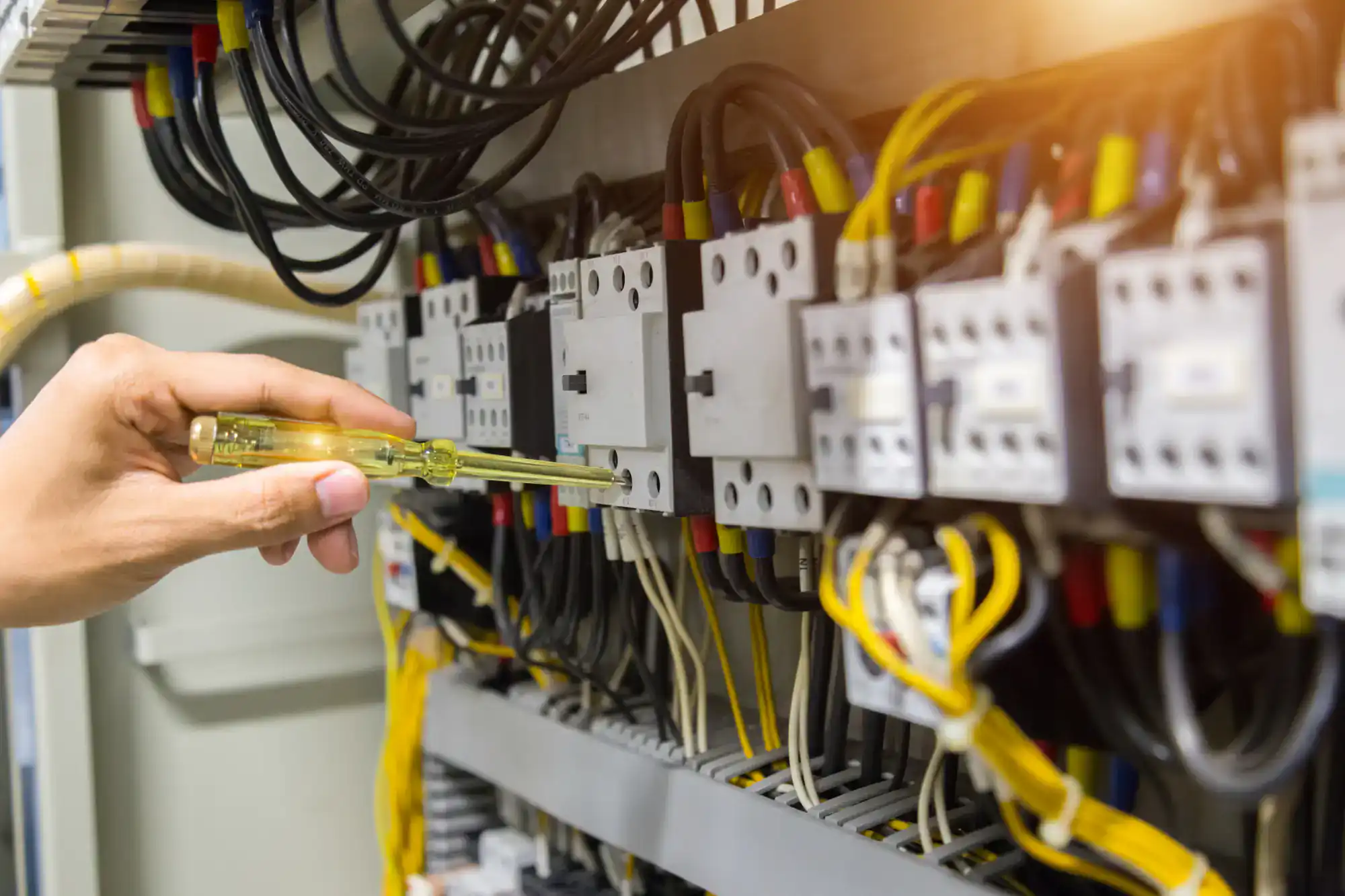
Ready to get started?
Generator installation in West Greenwich, RI isn’t a luxury upgrade—it’s infrastructure. When storms knock out power to rural areas, restoration takes days, not hours. Your generator needs to be sized correctly, installed to code, and actually engage when the power drops. We handle Generac installations, repairs, and maintenance because we’re authorized dealers who’ve seen what fails and why.
Knob and tube wiring replacement solves multiple problems at once. Most insurance companies won’t cover homes with knob and tube wiring still active. The system wasn’t designed for modern electrical loads, which is why you’re seeing heat buildup and inconsistent power. Replacement means your home can handle today’s demands and you can actually get insurance coverage.
Electrical repair for well pumps and septic systems requires understanding how these rural systems work. Dedicated 240-volt circuits with proper amperage. Surge protection for exposed wiring. Diagnosing why circuits are tripping instead of just resetting them. These aren’t systems that can wait—when they fail, your household stops functioning.
Our residential electrician and commercial electrician services cover the full spectrum. Panel upgrades when you’re adding capacity. Rewiring that preserves your home’s character while meeting modern safety standards. Barn wiring and long underground runs that rural properties require. Emergency response when essential services are at risk.

For an average West Greenwich home, complete knob and tube wiring replacement typically takes three to five days, depending on your home’s size and how accessible the wiring is. Homes with finished basements or multiple stories take longer because we need to run new wire through walls without destroying your interior.
The process involves installing a new electrical panel, running modern wiring with proper grounding, and ensuring everything meets current code. We work in sections so you’re not without power for days at a time. Most homeowners can stay in the house during the work, though you’ll have temporary power interruptions as we switch circuits over.
The real question isn’t just timeline—it’s whether the work is done right. Knob and tube replacement that cuts corners leaves you with the same insurance problems and safety risks you started with. Proper replacement means your electrical system can handle modern loads, your insurance company will actually cover you, and you’re not looking at fire risks from overheated wiring.
Generator sizing depends on what you actually need to run during an outage, not just your home’s total electrical capacity. For most West Greenwich properties, that means your well pump, septic system, heating system, refrigerator, and some lighting. A properly sized unit typically ranges from 14kW to 22kW for residential applications.
Your well pump is usually the biggest consideration because it requires significant starting amperage. If you’re running a 240-volt deep well pump, your generator needs to handle that surge when the pump kicks on. Septic systems with pumps add to the load. Heating systems vary—oil burners need less power than electric heat, but they still need electricity to run.
We calculate your actual load requirements before recommending a generator size. Oversizing wastes money on equipment and fuel. Undersizing means your generator can’t handle the load and you’re still without essential services. The goal is a system that keeps your household functioning during extended outages without paying for capacity you don’t need. As an authorized Generac dealer, we install units that match your specific requirements, not whatever we have in stock.
Insurance companies view knob and tube wiring as a fire risk because the system wasn’t designed for how we use electricity today. When that wiring was installed before the 1940s, homes weren’t running multiple appliances, computers, charging devices, and HVAC systems simultaneously. The wiring lacks grounding, which makes it vulnerable to overheating.
The bigger issue is that knob and tube insulation deteriorates over time. The rubber or cloth insulation breaks down, leaving exposed wire that can arc or short. When you’re pulling modern electrical loads through deteriorated wiring, you’re creating heat buildup that the system can’t safely handle. Insurance companies know this translates to fire claims.
Some insurers will cover homes with knob and tube if it’s not actively being used, but most require complete removal before they’ll issue a policy. Others will insure you initially but won’t renew once they discover it during an inspection. If you’re buying a home in West Greenwich with knob and tube wiring, expect this to come up during your home inspection and again when you try to get insurance. Replacement isn’t optional if you want coverage—it’s a requirement most companies won’t waive.
Emergency electrical response in West Greenwich depends on what’s actually happening and when you call. If your main panel is sparking, you’re smelling burning wire, or your well pump circuit failed and you have no water, those get priority response. We aim for same-day emergency service, though response times vary based on current call volume and weather conditions.
True emergencies—situations where there’s immediate safety risk or you’ve lost essential services—get handled differently than urgent repairs that can wait a few hours. If your generator didn’t kick in during a power outage and you need backup power restored, that’s urgent. If you want an outlet added to your kitchen, that’s scheduled work.
Rural areas like West Greenwich face longer restoration times when power goes out, which is why having a reliable local electrician matters. We’re familiar with the area and understand that electrical failures here mean more than inconvenience—they mean no water, no heat, and potentially no septic function. Emergency rates are higher than standard service calls, typically running $100-$200 per hour depending on timing, but you’re paying for immediate response when your household systems are down.
Panel upgrades in West Greenwich typically involve replacing your existing panel with a higher-capacity unit that can handle modern electrical loads. Most older homes have 100-amp service, which struggles when you’re running well pumps, heating systems, and standard household appliances simultaneously. Upgrading to 200-amp service gives you the capacity you actually need.
The process starts with coordinating a power shutdown with your utility company. We can’t work on the panel while it’s energized. Once power is off, we remove the old panel, install the new one, and reconnect your circuits. This includes proper grounding, which many older systems lack. The utility company then reconnects your service and we restore power.
Permits are required for panel upgrades in Rhode Island. The work needs to be inspected to ensure it meets code. This isn’t optional—unpermitted electrical work creates problems when you sell your home and leaves you liable if something goes wrong. A licensed electrician handles the permitting process and coordinates inspections. The entire upgrade typically takes one day for straightforward installations, though complex situations with outdated wiring or unusual panel locations can take longer. You’ll be without power for several hours during the actual panel swap, so plan accordingly.
Rhode Island law requires anyone performing professional electrical work to hold a license from the Department of Labor and Training. That includes installations, repairs, and modifications to your electrical system. The only exception is basic maintenance like changing light bulbs or resetting breakers—anything beyond that needs a licensed electrician.
The licensing requirement exists because electrical work done wrong creates fire risks, code violations, and safety hazards. Licensed electricians in Rhode Island complete 8,000 hours of experience, 576 hours of classroom training, and pass state examinations. We also carry insurance and bonding, which protects you if something goes wrong. Unlicensed work leaves you personally liable for damages and injuries.
Beyond the legal requirement, licensed electrical work matters for insurance and resale. If you file a claim and your insurance company discovers unpermitted or unlicensed electrical work, they can deny coverage. When you sell your home, unpermitted work shows up during inspections and creates problems closing the sale. Using a certified electrician in West Greenwich means the work is done to code, properly permitted, and won’t create problems down the road. It costs more upfront than hiring someone unlicensed, but you’re paying for work that’s actually legal and safe.