
Electrician in Bristol, RI

Electrical Work Done Right the First Time

We’re a licensed electrician in Bristol, RI handling everything from outdated wiring in old homes to generator installations that keep your power on when storms hit.
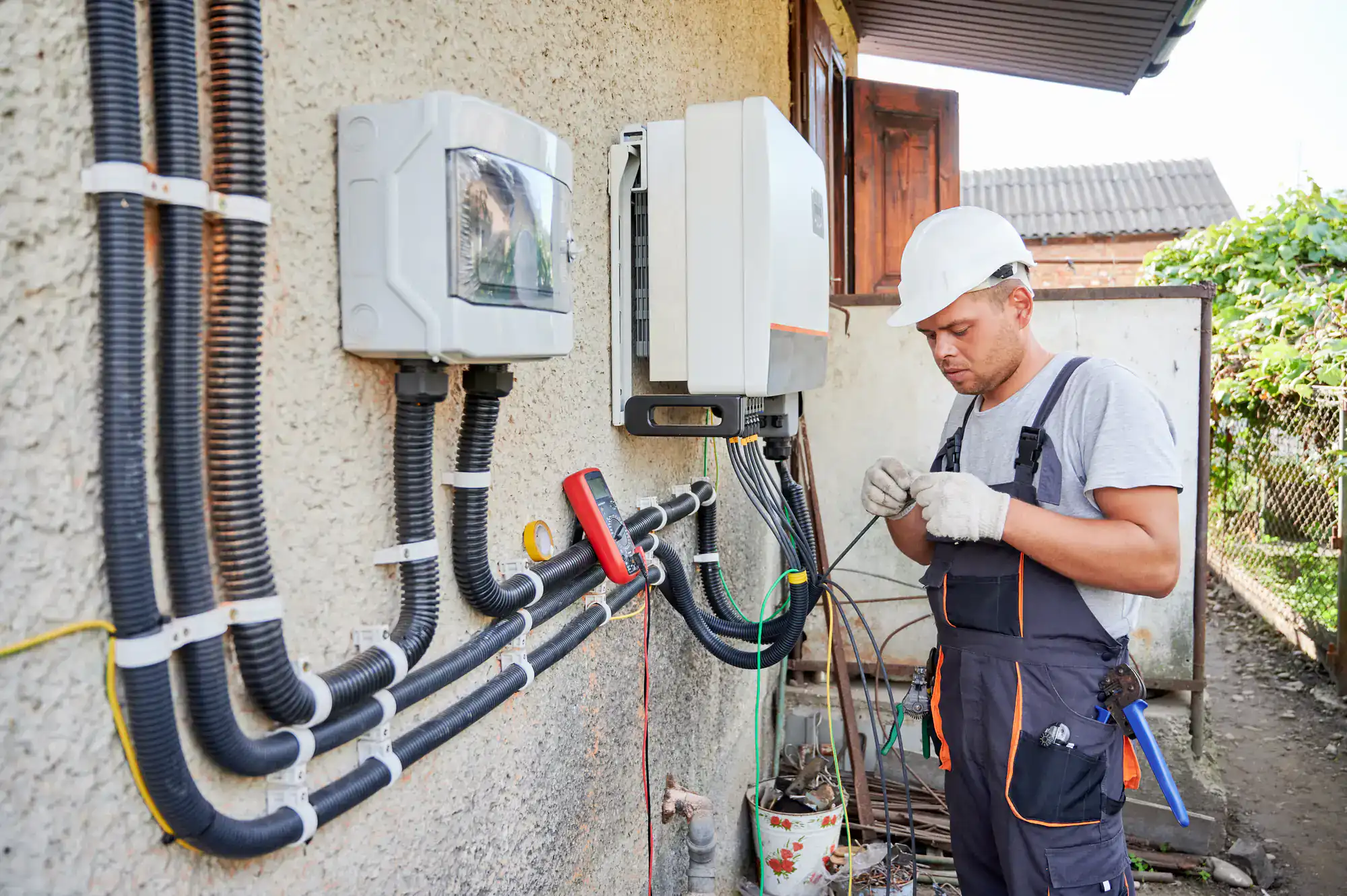
An electrician from electricians Providence County, RI, wearing a white helmet and overalls, works with wires beside an outdoor electrical box mounted on a house wall. Various cables run along the wall and into the box.
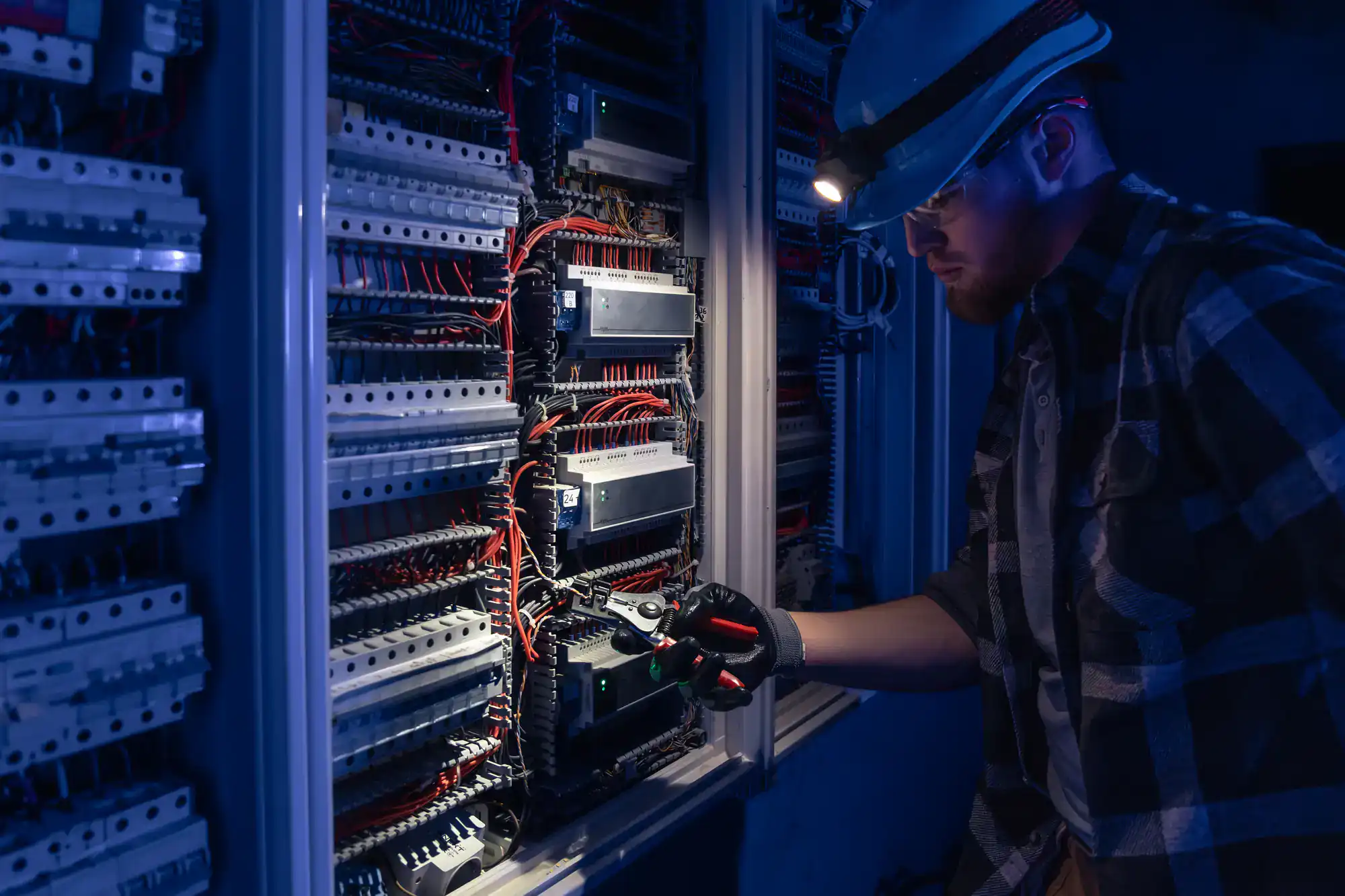
An electrician from electricians Providence County, RI, wearing a helmet and headlamp, inspects and works on a large electrical panel with numerous wires and circuit breakers in a dimly lit setting.

Electrical Repair Bristol, RI

Your Electrical System Actually Works When You Need It

You flip a switch and the lights come on. Your circuit breaker stops tripping every time you run the microwave and coffee maker at the same time. Your backup generator kicks in automatically when the next Nor’easter knocks out power for three days.

That’s what proper electrical work looks like. Not flickering lights, not outlets that don’t work, not wondering if your wiring is safe.

If your home was built before 1950—and many in Bristol were—there’s a good chance you’re dealing with knob and tube wiring or aluminum wiring that wasn’t designed for how much electricity modern homes use. That means overloaded circuits, potential fire hazards, and electrical systems that can’t keep up. Upgrading that wiring means your home can handle today’s demands safely, your insurance company stops asking questions, and you’re not constantly resetting breakers or worrying about what’s happening behind your walls.

Licensed Electrician Bristol, RI

Rhode Island Licensed and Actually Local

We’re a licensed electrical contractor serving Bristol, RI and the surrounding Rhode Island communities. We’re members of the Rhode Island Electrical Inspectors IAEI Roger Williams Chapter and fully compliant with NFPA’s Certification Code of Ethics.

We know Bristol’s housing stock. We know the electrical challenges that come with older New England homes. We know what Rhode Island weather does to power grids and why so many homeowners here need reliable backup generators.

Our work is insured, our pricing is straightforward, and we can provide a Certificate of Insurance when you need it. We’ve been doing this long enough to know what works and what doesn’t in Rhode Island homes and businesses.

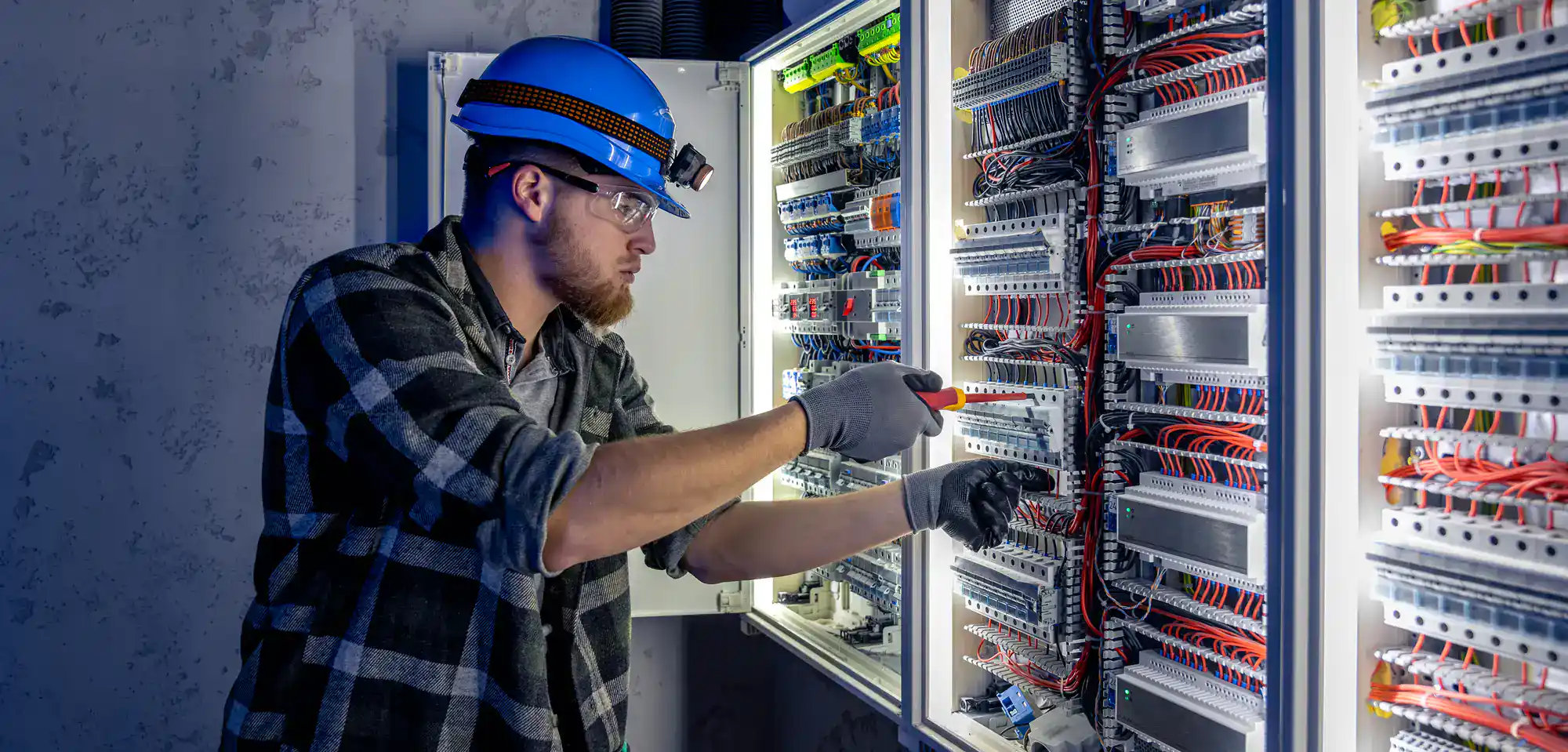
An electrician in Providence County, RI, wearing safety gear, works with wires and components inside an open electrical control panel, using a screwdriver and carefully inspecting the connections.

Electrical Services Bristol, RI

Here's What Happens When You Call

You call or message us with what’s going on. We ask a few questions to understand the situation—whether it’s an emergency repair, a planned upgrade, or something you’re not sure about yet.

We schedule a time that works for you. When we show up, we assess the situation, explain what we’re seeing, and give you a clear price for the work. No surprises, no upselling services you don’t need.

Once you approve, we get to work. For smaller jobs like outlet repairs or fixture installations, we’re usually done same-day. Larger projects like rewiring, panel upgrades, or generator installations get scheduled with a clear timeline so you know what to expect.

After the work’s complete, we test everything to make sure it’s functioning properly and meets Rhode Island electrical code. We clean up, walk you through what we did, and answer any questions. Then we’re available if anything comes up down the road.

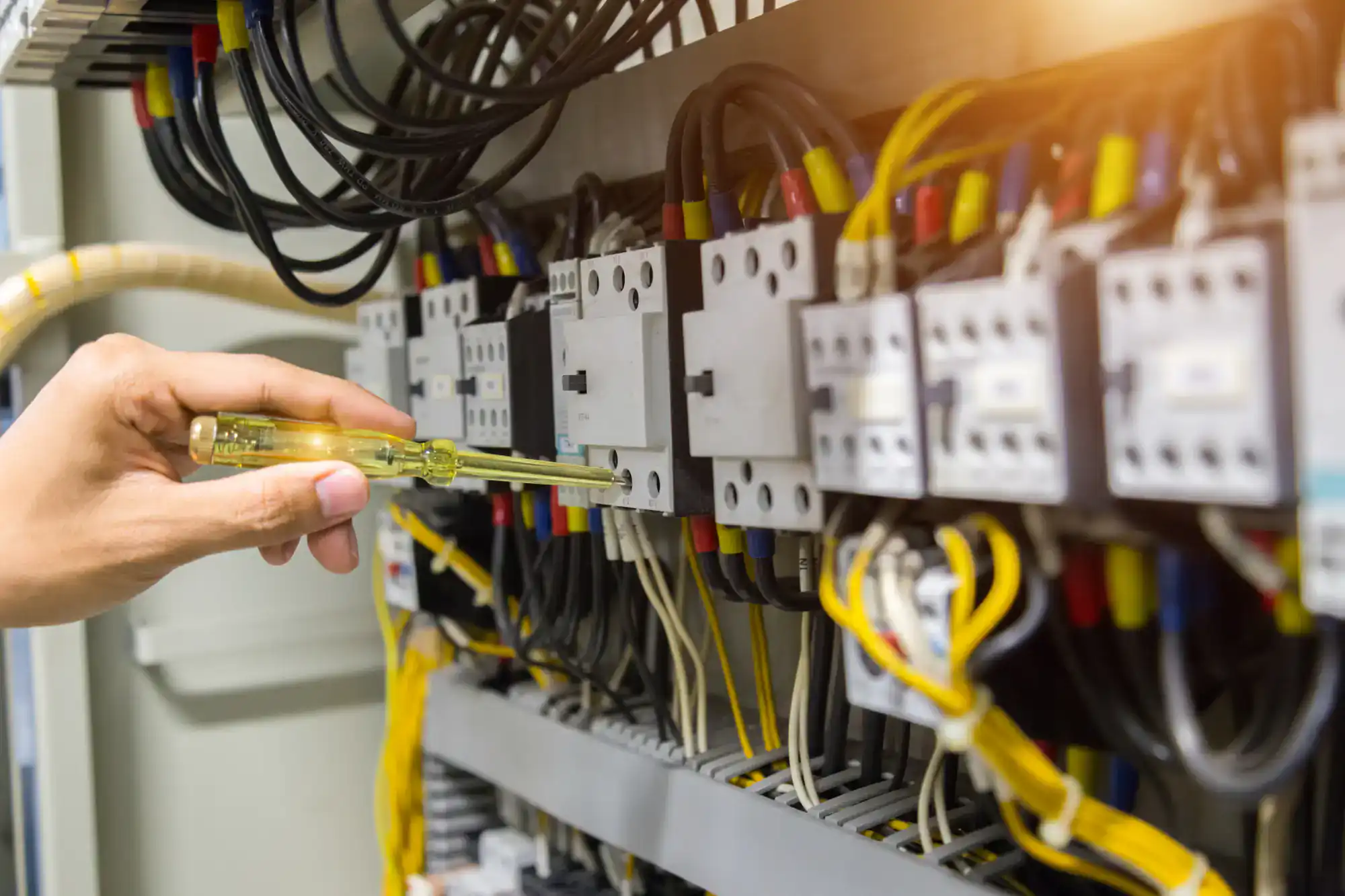
A hand holding a screwdriver tests or repairs an electrical control panel filled with wires, switches, and circuit components—just the kind of work skilled electricians in Providence County, RI handle daily.

Explore More Services

About Lightning Electric

Residential Electrician Bristol, RI

What We Actually Handle in Bristol

We handle residential electrical work in Bristol homes—everything from replacing outdated knob and tube wiring to upgrading electrical panels that can’t handle modern loads. If your home still has aluminum wiring from the 1960s and 70s, we can replace or retrofit it to current safety standards.

Generator installation and repair is a big part of what we do here. Rhode Island gets hit with weather that knocks out power regularly—snowstorms, hurricanes, Nor’easters. A properly installed backup generator means your heat stays on, your food doesn’t spoil, and you’re not scrambling for hotel rooms or sitting in the dark. We size generators correctly for your home’s needs and make sure they’re maintained so they actually work when you need them.

We also work with commercial clients in Bristol, RI. Electrical wiring services for businesses, lighting upgrades, code compliance work, and preventive maintenance that keeps your operations running without unexpected shutdowns.

Whether it’s fixing an outlet that stopped working, installing energy-efficient lighting, or completely rewiring an older home, we handle it. The work gets done to code, it gets done safely, and it lasts.

A construction worker wearing an orange hard hat installs or repairs a smoke detector on a white ceiling in an industrial-style building in Providence County, RI. He is focused and using specialized electricians’ tools for the task.

How much does it cost to hire an electrician in Bristol, RI?

Electrical work in Bristol typically runs between $32 and $49 per hour for labor, but most electricians price jobs by the project, not the hour. That means you get a flat rate based on what actually needs to be done—not a running clock.

Small jobs like replacing an outlet or installing a ceiling fan might run a couple hundred dollars. Bigger projects like rewiring a room, upgrading your electrical panel, or installing a whole-house generator can range from a few thousand to $10,000 or more depending on the scope.

We price each job individually after we see what we’re working with. That way you know the cost upfront before any work starts, and there’s no surprise bill at the end. If you want a ballpark estimate over the phone, we can usually give you a range—but the accurate number comes after we assess the actual situation at your property.

If your home still has knob and tube wiring, it’s worth replacing—not just for safety, but for functionality. Knob and tube was fine when homes used a fraction of the electricity they do now, but it wasn’t designed for modern loads. It also lacks a ground wire, which is a safety issue with today’s appliances and electronics.

Many insurance companies in Rhode Island won’t cover homes with active knob and tube wiring, or they’ll charge higher premiums. If you’re buying or selling a home in Bristol, it often comes up during inspections and can kill deals or require escrow holdbacks.

Beyond that, knob and tube wiring is old. The insulation degrades over time, and if it’s been modified over the years by different electricians or homeowners, there’s a higher chance of unsafe connections. Replacing it means your electrical system can handle what you’re actually using it for, your home is safer, and you’re not dealing with insurance headaches or failed inspections. It’s an investment, but it’s one that pays off in safety, functionality, and peace of mind.

If your panel is over 25 years old, you’re tripping breakers regularly, or you’re adding new appliances or an EV charger, it’s time to look at an upgrade. Older panels—especially Federal Pacific or Zinsco brands—have known safety issues and should be replaced.

You’ll also need an upgrade if your current panel is 60 or 100 amps and you’re trying to run a modern household. Today’s homes typically need at least 200 amps to handle HVAC systems, kitchen appliances, electronics, and everything else running simultaneously. If you’re planning any major renovations or adding a home office with multiple computers and equipment, your existing panel might not cut it.

Another sign is if you see rust, corrosion, or burn marks on or around your panel, or if it feels warm to the touch. Those are safety red flags. A panel upgrade brings your electrical system up to current code, gives you room to add circuits as needed, and eliminates the constant breaker-tripping frustration. It’s required work if you’re doing major renovations in Bristol, and it’s often required to get homeowner’s insurance if your panel is outdated or a known fire hazard.

Most homes in Bristol need a generator between 12kW and 24kW to cover essential systems during an outage. That includes your heating system, refrigerator, some lights, and a few outlets. If you want to run your whole house like normal—including AC, all appliances, and multiple rooms—you’re looking at 24kW or higher.

The right size depends on what you actually want to power. We calculate your home’s electrical load by looking at what’s essential to you during an outage and what your panel can handle. Running your furnace, well pump (if you have one), refrigerator, and freezer is different from running all that plus your stove, dryer, and central air.

Undersizing a generator means it won’t handle the load and could damage itself or your electrical system. Oversizing it means you’re spending more money than necessary on equipment and installation. We size generators based on your actual needs and your home’s electrical setup, then install it so it kicks on automatically when the power goes out. Given how often Rhode Island loses power during winter storms and hurricanes, a properly sized generator is one of the better investments you can make for your home.

It depends on what caused the damage. If your wiring was damaged by a covered event—like a lightning strike, fire, or storm—your homeowner’s insurance will usually cover the electrical repairs needed to fix that specific damage.

If the issue is wear and tear, old wiring, or deferred maintenance, insurance won’t cover it. That’s considered a homeowner responsibility. Same goes for upgrades—if you’re replacing knob and tube wiring or upgrading your panel because it’s outdated, that’s out of pocket.

Where it gets tricky is if you have a claim and the insurance company discovers your home has outdated or unsafe wiring during the inspection. They might deny the claim or require you to upgrade the wiring before they’ll continue coverage. Some insurers in Rhode Island won’t even write policies for homes with active knob and tube or aluminum wiring until it’s replaced. If you’re unsure whether your electrical work is covered, check your policy or call your insurance agent before assuming it’ll be paid for. And if you’re filing a claim that involves electrical damage, we can provide documentation and work directly with your adjuster to make the process smoother.

Rewiring a whole house in Bristol typically takes anywhere from three days to two weeks, depending on the size of the home, how accessible the wiring is, and whether walls need to be opened up. Smaller homes or partial rewiring jobs are faster. Larger homes or homes where we need to fish wire through finished walls without major demolition take longer.

If your home has an unfinished basement or accessible attic, that speeds things up because we can run new wire without tearing into every wall. If everything’s finished and we’re working around plaster walls or older construction, it takes more time and care to minimize damage.

We’ll give you a timeline before we start so you know what to expect. Most rewiring projects don’t require you to move out, but there will be times when power is shut off to parts of the house while we’re working. We try to schedule the work so it’s as minimally disruptive as possible—usually wrapping up each day so you have power overnight.

The job’s done when every circuit is wired to code, your new panel is installed and tested, and everything’s functioning safely. Rewiring isn’t a fast job, but it’s thorough work that makes your home safer and brings your electrical system up to modern standards.

Other Services we provide in Bristol