

For over 30 years, we’ve powered Rhode Island with expert electrical services delivered with a personal touch. Discover our story and commitment to quality.
Contact Info
- List Item
For over 30 years, we’ve powered Rhode Island with expert electrical services delivered with a personal touch. Discover our story and commitment to quality.
Contact Info
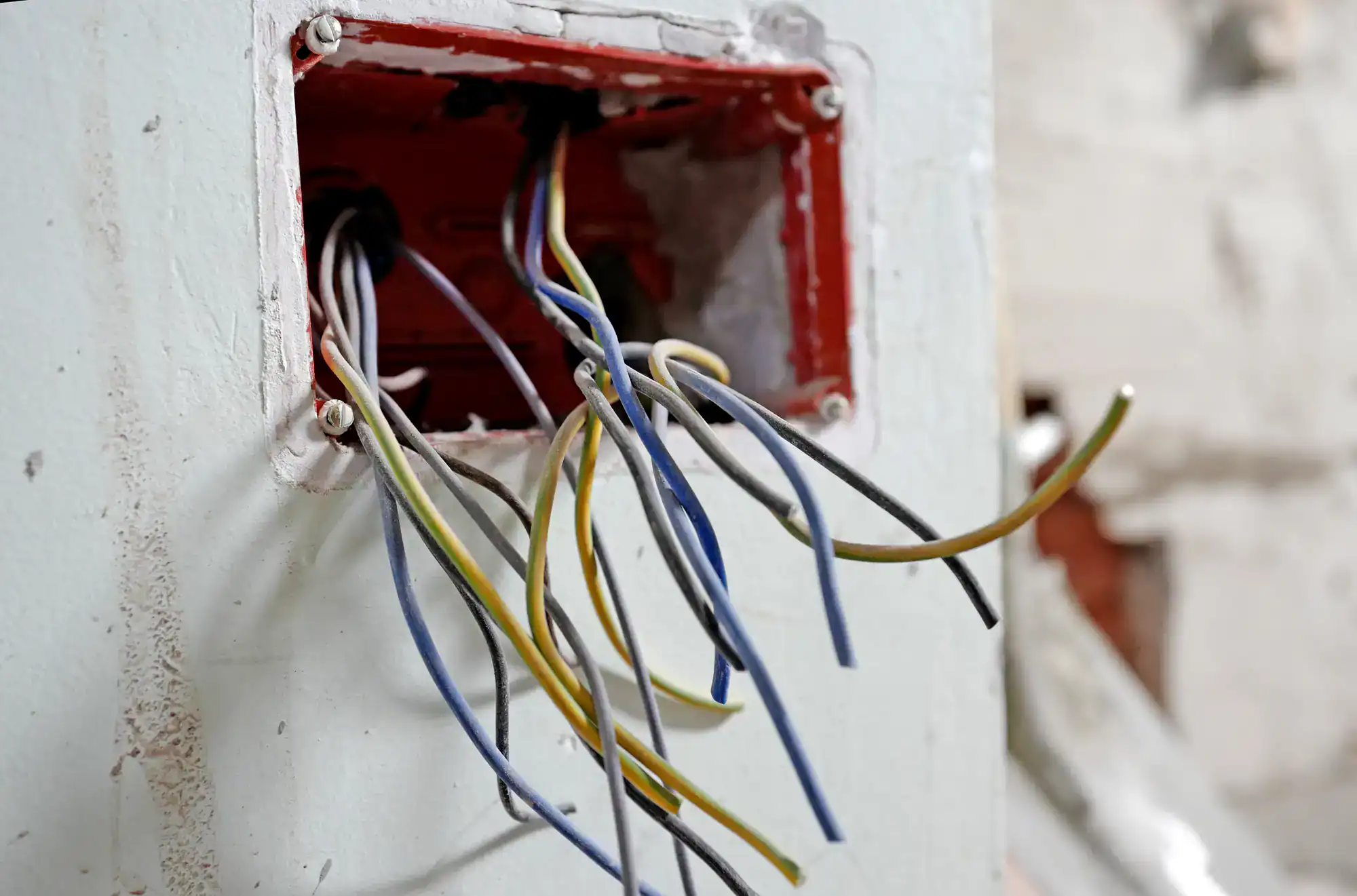
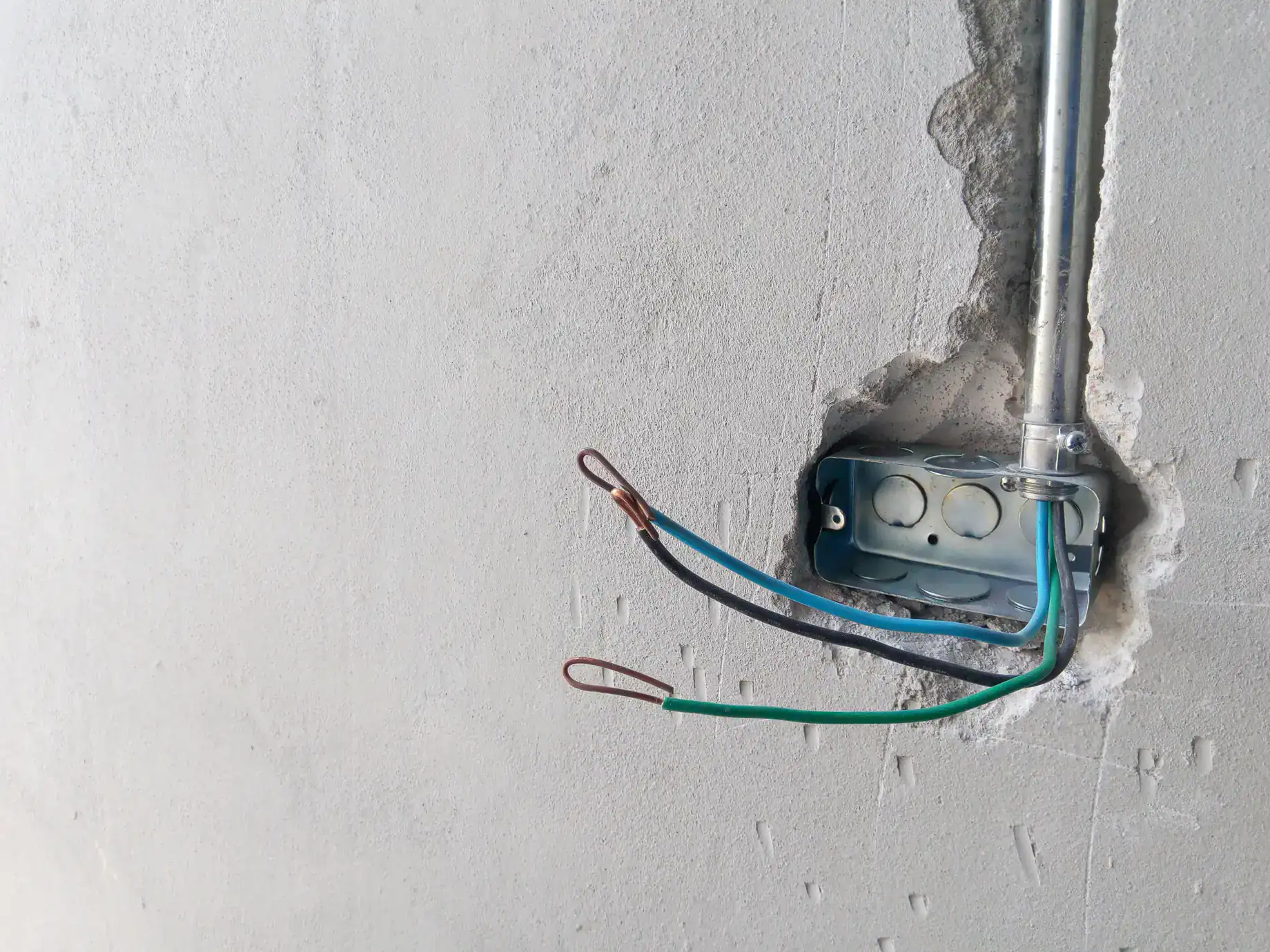
Your insurance company gave you a deadline. Mass Save won’t approve your insulation upgrade. You know the wiring needs to go, but you’ve heard the horror stories about electricians tearing into walls and leaving you with a restoration project that costs more than the electrical work itself.
Here’s what changes after the old wiring comes out. Your homeowners insurance gets reinstated or approved without the knob and tube exclusion. You qualify for Mass Save rebates that can put thousands back in your pocket for insulation and energy efficiency work. Your electrical system can actually handle what you plug into it without overheating or tripping breakers.
And if you own one of Westport’s historic homes—especially in the Westport Point Historic District where properties date back to the 1700s—you don’t have to sacrifice original horsehair plaster or architectural details to get there. The camera system we use means your walls stay intact. No cutting, no patching, no trying to match 200-year-old plaster that doesn’t exist anymore.
We’ve spent over 30 years working on electrical systems in older homes across Rhode Island and Massachusetts. We’re Master Electricians who’ve completed more than 1,500 commercial projects, but a significant portion of our work happens in residential properties where the wiring predates modern code by half a century or more.
Westport has one of the highest concentrations of historic properties on the South Coast. The median home here was built in 1956, and many go back much further. We know what’s behind those walls because we’ve seen it hundreds of times—knob and tube circuits running through horsehair plaster, covered junction boxes, mouse-damaged insulation, and wiring that’s been “updated” by someone who didn’t pull permits.
We’re not the cheapest option, and we’re fine with that. You’re paying for a process that no other electrician in this area uses—one that keeps your walls intact and your home’s character preserved.

We start with a camera inspection. A specialized camera gets inserted through your existing outlets and fed into the wall cavities. This lets us see exactly where the knob and tube wiring runs, how it’s attached, whether there’s damage from rodents or age, and if there are any hidden junction boxes or open splices that need attention.
Once we map out the system, we remove the old wiring through those same access points. No cutting into plaster. No creating holes that need a plasterer to fix later. If there’s any wall modification at all, it’s minimal—small notches at most, and only when absolutely necessary.
After the knob and tube comes out, we install new wiring that’s grounded and up to current Massachusetts electrical code. You get a system that can handle modern loads, and we provide the documentation you need for your insurance company and Mass Save program approval. The whole process protects what makes your home valuable while bringing the electrical system into the 21st century.

Ready to get started?
The camera inspection comes first. We’re looking for active knob and tube circuits, but we’re also checking for other issues—damaged wire insulation, improper modifications, covered junction boxes that violate code, and any fire hazards that aren’t immediately visible from a standard home inspection.
You get a full removal of all knob and tube wiring we locate, not just the circuits that are easy to access. We install new grounded wiring that meets National Electrical Code requirements and Massachusetts state amendments. Every circuit gets properly protected, and your panel gets evaluated to make sure it can handle the updated system.
After the work is done, we provide a Certificate of Insurance and any documentation your insurance carrier or the Mass Save program requires. This isn’t just a receipt—it’s proof that a licensed Master Electrician inspected, removed, and replaced outdated wiring according to code.
Westport homeowners dealing with insurance companies know how specific these requirements can be. We’ve worked with enough carriers to know exactly what they want to see, and we make sure you have it before we consider the job complete.

Not with the camera system we use. Traditional knob and tube removal requires electricians to open up walls so they can see where the wiring runs and access it for removal. That means cutting into plaster, which creates two problems: the immediate damage, and the near-impossible task of matching historic horsehair plaster during repairs.
Our process is different. We insert a specialized camera through your existing outlets and switches, which lets us inspect the wiring and map out the system without any demolition. The removal happens through those same access points. Your plaster stays intact.
If your home is in the Westport Point Historic District or has original plaster from the 1800s or early 1900s, this matters more than you might think. Horsehair plaster has a texture, composition, and finish that modern materials can’t replicate. Once it’s damaged, you’re looking at either visible patches or a full wall replacement to make it look right. We avoid that entirely.
Standard home inspections are visual. The inspector looks at what’s accessible—your panel, visible outlets, maybe the attic and basement where wiring might be exposed. They can’t see inside your walls, and they’re not required to perform destructive testing or open up finished surfaces.
Knob and tube wiring often hides in places you can’t see from a walkthrough. It runs through wall cavities, above ceilings, and behind finished plaster. Sometimes it’s been covered by renovations or insulation. Other times, previous owners had some circuits replaced but left others active, and there’s no documentation of what’s still there.
The camera goes where eyes can’t. We feed it through outlets into the wall cavity and follow the wire runs. This finds active knob and tube circuits, identifies junction boxes that got covered over during past remodeling work, and spots damaged insulation or rodent problems that create fire hazards. It’s the only way to know for certain what’s behind your walls without tearing them open first.
Insurance companies see knob and tube wiring as a fire risk, and they’re not wrong. The system was designed in the 1880s for homes that used a fraction of the electricity we use today. It has no ground wire, the insulation deteriorates over time, and it wasn’t built to handle modern electrical loads.
The bigger issue is what happens when insulation gets added. Knob and tube wiring was designed to dissipate heat into open air. When you blow insulation into walls or attics—something Mass Save and energy efficiency programs actively encourage—that wiring gets buried. It can’t cool down the way it was designed to, which creates overheating and fire risk.
Most insurance carriers in Massachusetts either refuse to write new policies for homes with active knob and tube, or they exclude coverage for any fire damage related to electrical issues. Some will give you 30 to 60 days to remove it after purchase. A few will cover it but charge higher premiums. None of them like it, and the trend is moving toward stricter requirements, not looser ones.
Mass Save won’t approve insulation upgrades if you have active knob and tube wiring in the areas being insulated. It’s a safety issue—burying old wiring under new insulation creates a fire hazard, and they won’t fund work that makes your home less safe.
If you want to qualify for Mass Save rebates on insulation, air sealing, or other energy efficiency improvements, you need to remove the knob and tube first. Then you need documentation from a licensed electrician confirming the removal and showing that your electrical system meets code.
The program does offer barrier mitigation incentives that can cover up to $7,000 of knob and tube removal costs, but you have to apply before the work gets done, and approval isn’t automatic. The key is getting an inspection that identifies exactly what needs to be removed, then working with an electrician who knows how to document the work in a way that satisfies Mass Save’s requirements. We’ve done this enough times to know what they’re looking for.
It depends on the size of your home and how much knob and tube is still active. A smaller house with one or two circuits might take a couple of days. A larger historic home with knob and tube throughout could take a week or more.
The camera inspection usually happens first and takes several hours. We’re mapping out where the old wiring runs, checking for damage, and identifying any code violations or safety issues that need to be addressed during the replacement. Once we know what we’re dealing with, we can give you a realistic timeline for the removal and rewiring.
The process is faster than traditional methods because we’re not spending days cutting into walls, removing plaster, doing the electrical work, and then waiting for a plasterer to come repair everything. We work through existing access points, which cuts out the demolition and restoration time. You’re still living in a construction zone while we’re working, but it’s a much smaller disruption than what you’d get with a conventional approach.
Technically, yes. Legally, knob and tube wiring isn’t against code if it’s in good condition and hasn’t been modified incorrectly. But practically, partial removal doesn’t solve your insurance problem or get you Mass Save approval.
Insurance companies don’t care if you removed 80% of it. If there’s any active knob and tube left, they’re going to treat your home the same way they would if none of it had been touched. Same thing with Mass Save—if the areas they’re insulating still have old wiring, you’re not getting approved.
The other issue is that partial removal can actually make things worse if it’s not done carefully. If someone disconnects knob and tube circuits without removing the wiring, you can end up with dead wires still in your walls that create confusion during future electrical work. Or worse, you get a situation where some circuits were updated and others weren’t, and there’s no documentation of which is which.
If you’re going to do this, do it completely. Get all the knob and tube out, document the removal properly, and eliminate the problem instead of just reducing it.