

For over 30 years, we’ve powered Rhode Island with expert electrical services delivered with a personal touch. Discover our story and commitment to quality.
Contact Info
- List Item
For over 30 years, we’ve powered Rhode Island with expert electrical services delivered with a personal touch. Discover our story and commitment to quality.
Contact Info
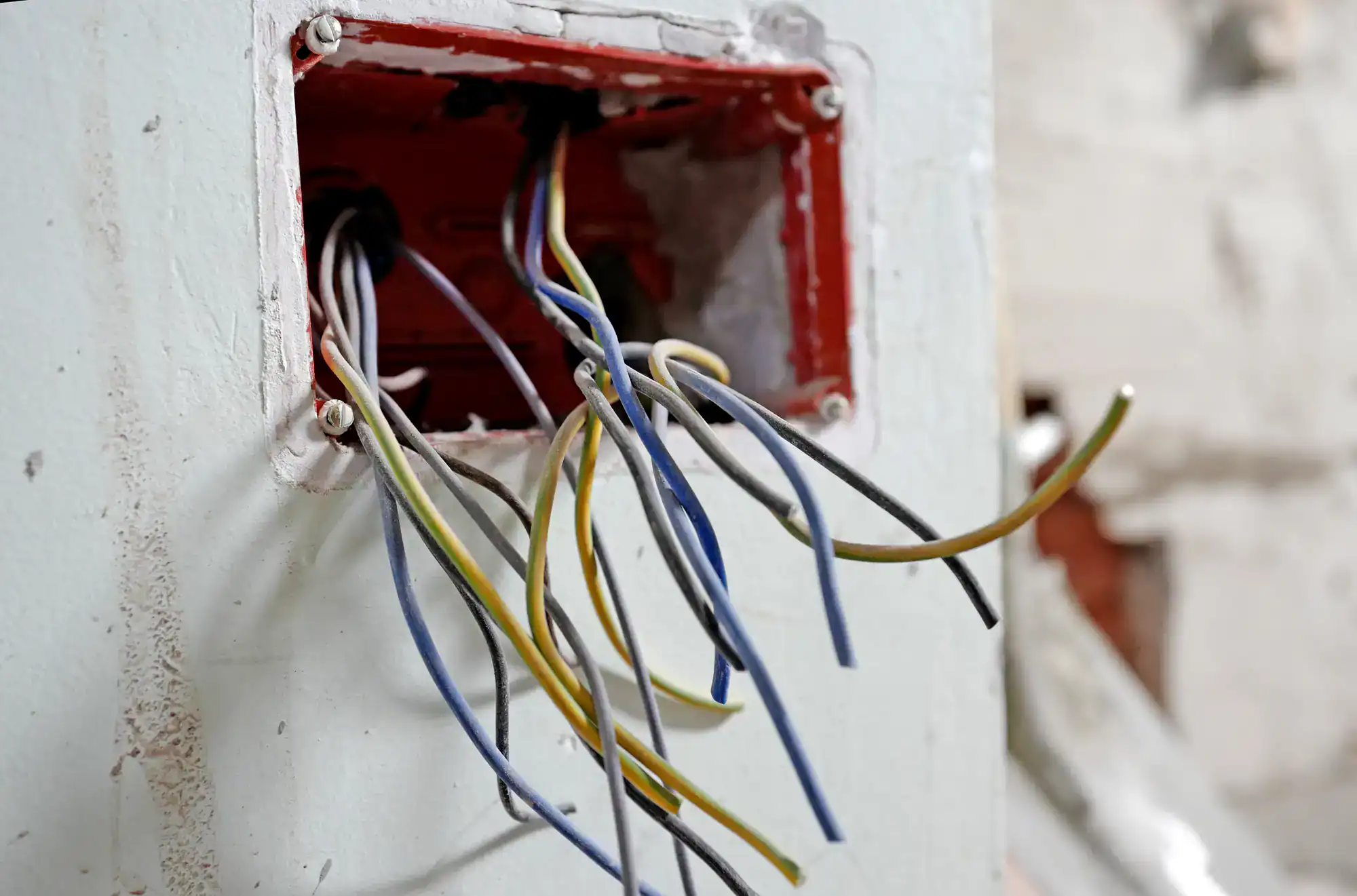
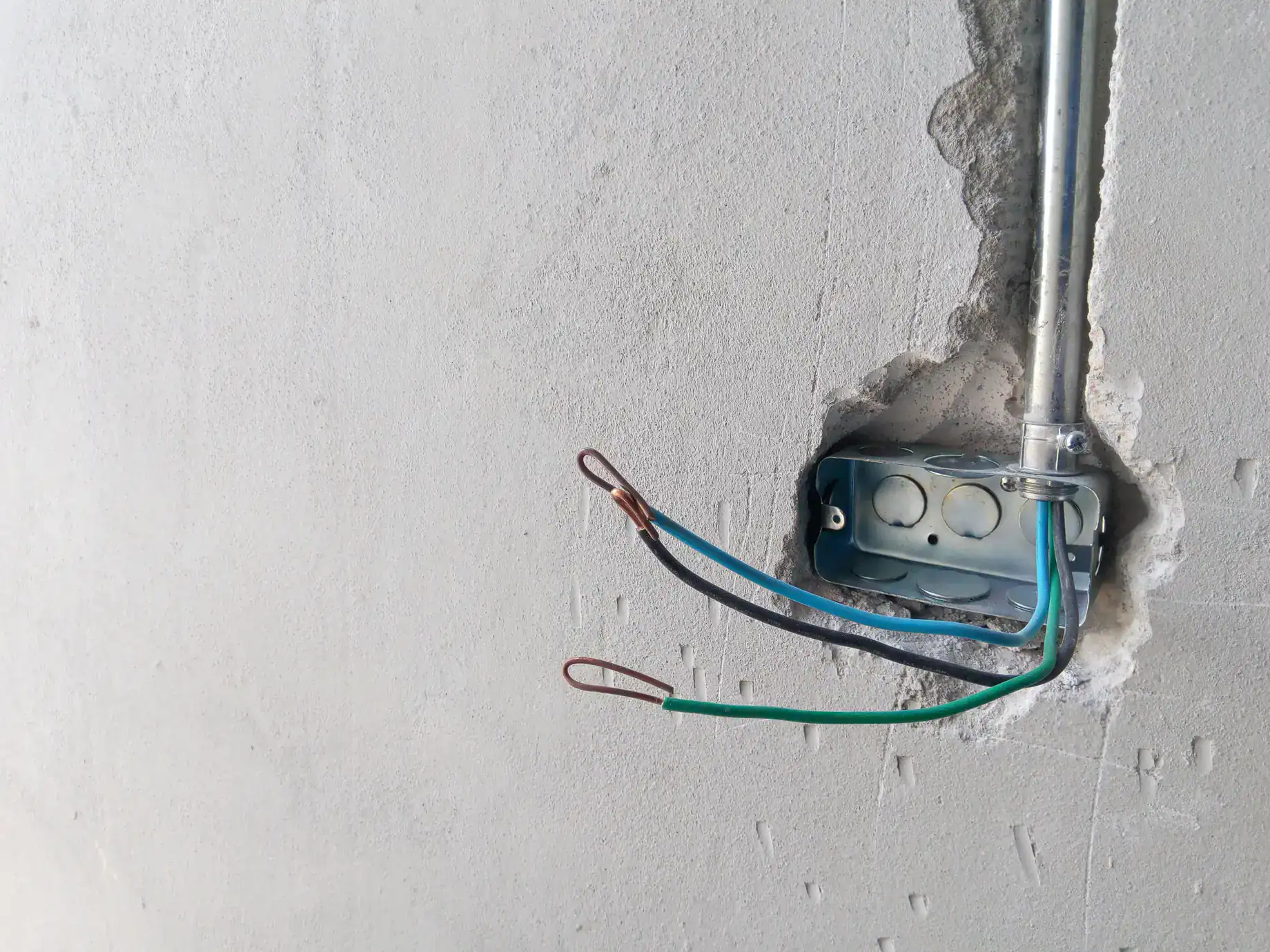
Most insurance companies won’t cover homes with knob and tube wiring. Some will give you 30 days after closing to remove it. Either way, you’re stuck between needing the work done and dreading what it’ll do to your walls.
Traditional electricians cut into your walls, notch through studs, and leave you coordinating with plasterers to patch everything back up. If you’ve got horsehair plaster—common in Rehoboth’s older homes—you already know how hard it is to match. Most contractors can’t do it right, and the repairs end up looking worse than the problem.
Our process is different. We use a specialized camera system that goes through your existing outlets to inspect inside your walls. We locate the wiring, identify any issues like mouse damage or covered junction boxes, and remove everything without opening up your plaster. You get the insurance clearance, the Mass Save approval, and the peace of mind—without the mess.
We serve Rehoboth and the surrounding area with a process no other local electrician offers. We invested in camera inspection technology specifically because we saw too many historic homes getting torn apart for a job that didn’t need to be that invasive.
Rehoboth has some of the oldest homes in Massachusetts—many dating back to the 18th and 19th centuries. These homes have character you can’t replicate. When you’re dealing with horsehair plaster, calcimine ceilings, and original woodwork, the last thing you want is someone making unnecessary holes.
We’ve worked in enough of these homes to know what matters. You want the wiring gone, the insurance company satisfied, and your walls left alone. That’s what we do.

We start by inserting a specialized camera through your existing outlets. This lets us see inside your walls without removing any plaster. The camera shows us exactly where the knob and tube wiring runs, where it connects, and whether there are any hidden issues like deteriorated insulation, open joints, or covered junction boxes.
Once we’ve mapped everything out, we remove the wiring using the same access points—your outlets. In most cases, there’s zero wall damage. If we do need to make a small access point, it’s minimal—a small notch at most, not the large openings other electricians require.
After the wiring is out, we provide the documentation your insurance company or Mass Save program needs. You’ll have written certification that the knob and tube has been removed and your home is up to code. If you’re planning to add insulation or refinance, this clears the way. And your walls stay intact.

Ready to get started?
You get a full camera inspection of your electrical system. We’ll locate all active knob and tube wiring, check for any safety hazards, and identify problems you might not know exist—like wiring that’s been chewed by rodents or junction boxes that were covered over during past renovations.
Then we remove the old wiring using our non-invasive process. Your horsehair plaster stays on the wall. Your original trim stays in place. You’re not left coordinating with multiple contractors to fix damage that didn’t need to happen.
In Rehoboth, where 14% of homes were built before 1940, this matters. Many of these properties have architectural details that are impossible to replicate. Our method protects what makes your home valuable while bringing the electrical system up to modern safety standards.
You’ll also receive written certification for your insurance company. Most insurers in Massachusetts either won’t cover knob and tube wiring or charge 30-60% higher premiums through the state’s high-risk pool. Our documentation gets you back into standard coverage and clears the way for Mass Save energy efficiency programs that require knob and tube removal before insulation work can begin.

Not with our process. We use a camera system that inspects and removes wiring through your existing outlets, so we’re not cutting into your walls. Horsehair plaster is common in Rehoboth’s older homes, and it’s extremely difficult to match if you damage it. The lime and animal hair mixture used before the 1940s has a texture and composition that modern materials can’t replicate.
Traditional electricians will cut or notch through your plaster to access the wiring, then you’re left hiring a plasterer to patch it back up. Even skilled plasterers struggle to make those repairs invisible. Our camera-based approach avoids that entirely. In most cases, there’s zero damage. If we do need a small access point, it’s minimal—nothing that requires a full plaster repair.
If you’ve lived in your home for any length of time, you know how hard it is to find someone who can work with horsehair plaster properly. Our process protects it from the start.
We insert a specialized camera through your electrical outlets to see inside your walls. The camera is small enough to fit through the outlet opening but powerful enough to show us exactly where the knob and tube wiring runs, how it’s connected, and whether there are any hidden problems.
This lets us map out your entire electrical system without removing any plaster. We can see if there’s mouse damage, if insulation has deteriorated, or if there are covered junction boxes that could be fire hazards. Once we know where everything is, we remove the wiring using the same access points.
No other electrician in the area uses this system. Most still rely on cutting into walls to locate and remove wiring. Our technology eliminates that guesswork and the damage that comes with it. You get a more precise job with less disruption to your home.
Insurance companies see knob and tube wiring as a fire risk. The rubber and cloth insulation deteriorates over time, becoming brittle and exposing bare wires. The system wasn’t designed to handle modern electrical loads, and it can’t be safely covered with insulation—doing so traps heat and increases fire risk.
Most Massachusetts insurers either refuse coverage outright or require removal within 30 days of closing. If you can’t find standard coverage, you’ll end up in the state’s high-risk pool (MPIUA), where rates run 30-60% higher. That’s a significant cost over the life of your homeownership.
Removing the knob and tube wiring solves the problem. Once we provide written certification that it’s been removed and your electrical system is up to code, you can get standard insurance coverage. You’ll also clear the way for Mass Save programs, which won’t approve insulation work until knob and tube is gone. It’s not just about compliance—it’s about safety and long-term cost savings.
No. Knob and tube wiring can’t be covered with insulation because it relies on open air to dissipate heat. When you insulate over it, the wiring can overheat and become a fire hazard. That’s why Mass Save and other energy efficiency programs require knob and tube removal before they’ll approve insulation work.
If you’re planning to insulate your attic, walls, or basement, you’ll need to remove any active knob and tube wiring first. We provide the sign-off forms Mass Save requires, so once the wiring is out, your insulation project can move forward.
This is especially important in Rehoboth, where many older homes have little to no insulation. You’re losing heat in the winter and paying more to cool your home in the summer. But you can’t fix that until the electrical system is updated. Our camera-based removal process gets you there faster and with less damage than traditional methods.
It depends on the size of your home and how much wiring needs to be removed, but our process is faster than traditional methods because we’re not cutting into walls and coordinating with plasterers afterward. Most jobs take a few days from inspection to completion.
We start with the camera inspection, which usually takes a few hours. That shows us exactly what we’re dealing with. Then we schedule the removal work based on what we found. Because we’re working through existing outlets, there’s no demolition phase and no waiting for repairs to dry or cure.
You’re not left with a torn-up house for weeks while contractors come and go. We complete the electrical work, provide your insurance documentation, and you’re done. If you’re on a timeline—like a 30-day insurance requirement or a Mass Save project waiting for clearance—our process gets you there without the delays that come with traditional wall-cutting methods.
We’ll let you know exactly what we found and what it means for your home’s safety. The camera inspection often reveals issues that aren’t visible from the outside—things like wiring that’s been damaged by rodents, junction boxes that were covered over during renovations, or connections that are failing.
Some of these problems are urgent safety hazards. Others are things you’ll want to address eventually but aren’t immediate risks. We’ll walk you through what we saw, explain what needs to happen, and give you a clear picture of your options.
This is one of the biggest advantages of the camera system. Traditional electricians don’t see these problems until they’ve already opened up your walls. By then, you’re committed to a bigger project than you planned for. Our inspection happens first, so you know what you’re dealing with before any work begins. You can make informed decisions about your home’s electrical system without surprises halfway through the job.
Other Services we provide in Rehoboth