

For over 30 years, we’ve powered Rhode Island with expert electrical services delivered with a personal touch. Discover our story and commitment to quality.
Contact Info
- List Item
For over 30 years, we’ve powered Rhode Island with expert electrical services delivered with a personal touch. Discover our story and commitment to quality.
Contact Info
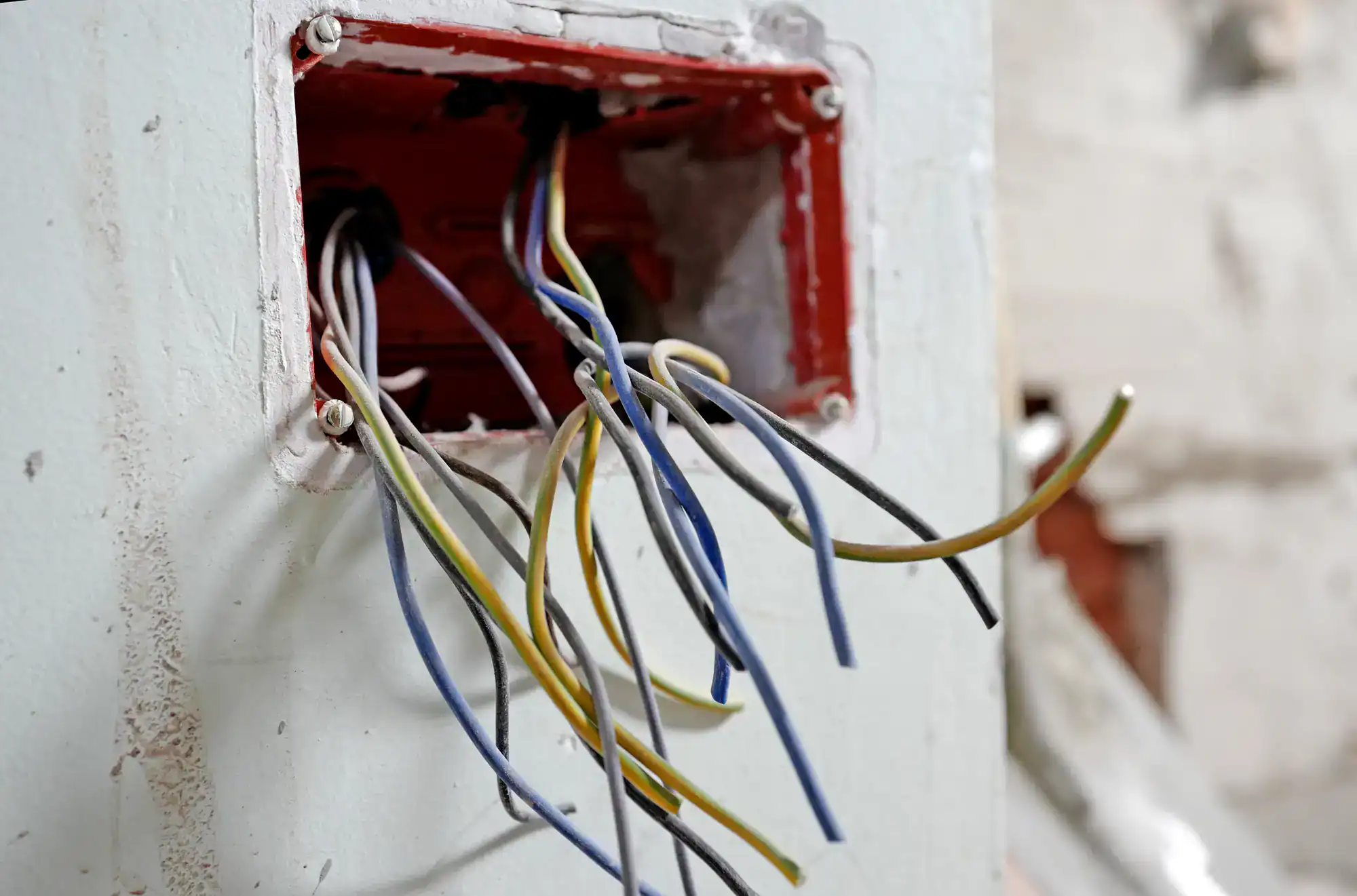
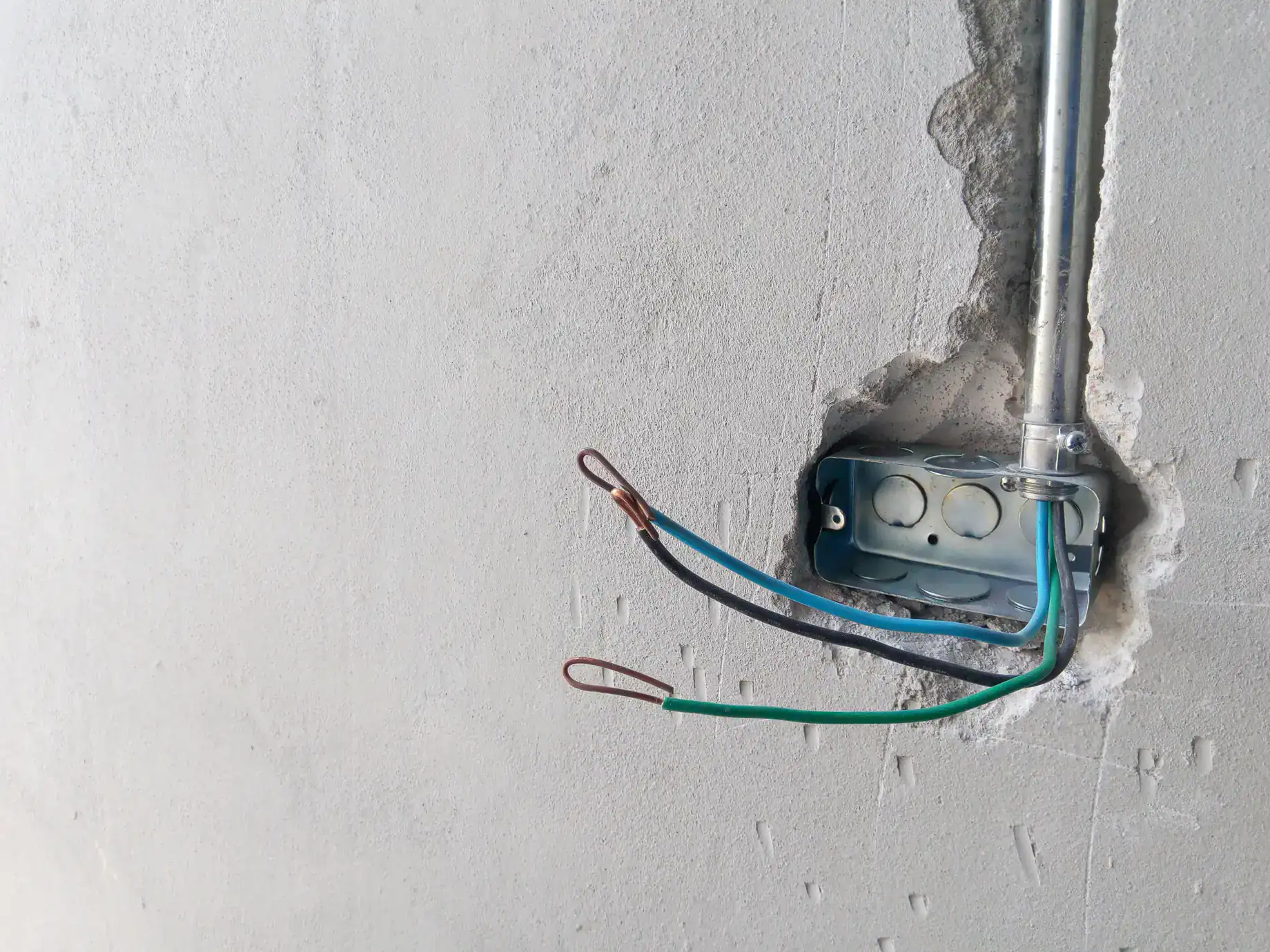
Your insurance company gave you 60 days to remove the knob and tube wiring. Every other electrician you called said they’d need to cut open your walls, patch them back up, and hope the repair blends in with your original plaster.
That’s not how this works anymore.
We insert a specialized camera system through your existing outlets to locate, inspect, and remove knob and tube wiring from inside your walls. No cutting. No notching. No reconstruction. If there’s any damage at all, it’s minimal—think small access points, not gutted rooms.
This matters especially in Ocean Grove’s historic homes, where horsehair plaster is nearly impossible to match. Once you damage original plaster, you’re looking at visible patches, texture mismatches, and repair costs that add up fast. The camera system preserves what’s already there while bringing your electrical up to code and getting your insurance company off your back.
We’ve been serving Ocean Grove, MA and the Greater Boston area for over 30 years. Most of our knob and tube jobs are in homes built between the 1880s and 1950s—the same era when horsehair plaster and knob and tube wiring were standard.
We’re licensed master electricians who’ve completed more than 1,500 projects. We know what Ocean Grove’s older homes look like behind the walls, and we know how to work in them without tearing them apart.
The camera system we use isn’t something you’ll find with other electricians in the area. It’s a specialized tool designed for exactly this kind of work, and it’s why homeowners with historic properties keep calling us when they need knob and tube wiring removed without the mess.

First, we insert a camera through your existing outlets to inspect what’s happening inside your walls. The camera shows us where the knob and tube wiring runs, whether there’s mouse damage, bad connections, or covered junction boxes that need attention.
From there, we map out the safest and least invasive route to remove the old wiring and install new, grounded wiring that meets current Massachusetts electrical codes. The camera does most of the work—it finds the path, identifies obstacles like plumbing or structural supports, and confirms the wiring is fully removed once we’re done.
You’re not dealing with drywall crews, plasterers, or painters after we leave. The walls stay intact. The job gets done. And you walk away with documentation proving the knob and tube wiring is gone, which is exactly what your insurance company or the Mass Save program inspector needs to see.

Ready to get started?
This isn’t just about pulling out old wiring. You’re getting a full electrical upgrade that meets 2020 National Electrical Code standards, complete with grounded outlets, modern circuit protection, and written documentation for your insurance provider.
In Ocean Grove, many homes still have the original horsehair plaster from when they were built. That plaster added strength and crack resistance, and it’s part of what makes these homes valuable. Damaging it during electrical work isn’t just expensive—it’s unnecessary when you use the right tools.
The camera inspection also catches problems other electricians miss. We’ve found covered junction boxes, open joints, and wiring that was partially removed by a previous homeowner trying to make it look like the house had been updated. If it’s in your walls, the camera will find it.
Once the work’s done, you’ll have the capacity to run modern appliances, meet Mass Save insulation requirements, and get standard homeowner’s insurance without paying the 30-60% premium increase that comes with active knob and tube wiring.

Yes. We use a specialized camera system that fits through your existing outlets and allows us to see inside your walls without opening them up.
The camera shows us exactly where the wiring runs, what’s in the way, and the best route to remove it and install new wiring. Most jobs result in zero wall damage. In some cases, we might need to make a small access point, but we’re talking about minimal work—not gutting rooms or tearing out plaster.
This is especially important in Ocean Grove’s older homes where you’re dealing with horsehair plaster that can’t be easily matched or repaired. Other electricians will tell you the walls need to come down because they don’t have the equipment to work any other way. We do.
It depends on the size of your home and how much knob and tube wiring is still active, but most residential jobs take between two to five days.
We start with the camera inspection to map out what’s there and confirm how much wiring needs to be replaced. From there, we remove the old wiring and install new grounded circuits that meet current Massachusetts electrical codes.
Because we’re not cutting into walls or waiting on plasterers and painters to fix damage afterward, the timeline stays tight. You’re not looking at weeks of work or coordinating multiple contractors. We handle the electrical work, document everything for your insurance company, and you’re done.
Most insurance companies in Massachusetts won’t cover homes with active knob and tube wiring, and the ones that do charge 30-60% higher premiums.
If you’re buying a home, many mortgage companies won’t even finance the property until the wiring is replaced. If you already own the home and your insurer finds out you have knob and tube, they’ll either drop your policy or require you to remove it within 30 to 60 days.
That’s why most of our calls come from homeowners who just got the notice from their insurance company or who are trying to close on a house and need the wiring replaced fast. We provide written documentation and contracts that confirm the work is done, which is what your insurer needs to approve standard coverage.
The camera shows us the condition of your wiring, where it runs, and whether there are any hidden problems like mouse damage, overheating, or improperly covered junction boxes.
We’ve had jobs where homeowners thought the knob and tube was already removed because they couldn’t see it in the basement—but the camera revealed it was just hidden or partially removed by a previous owner. The inspection catches that before it becomes a problem during a home sale or insurance review.
The camera also helps us identify the best path for new wiring without running into plumbing, structural supports, or old insulation. It’s a diagnostic tool and a planning tool, and it’s the reason we can remove knob and tube wiring without tearing your house apart.
Knob and tube wiring wasn’t designed to handle the electrical load of modern homes. It has no ground wire, it’s often 100+ years old, and it’s frequently buried under insulation, which causes it to overheat.
In Ocean Grove’s historic homes, the bigger issue is that most of these houses still have horsehair plaster walls. If you hire an electrician who cuts into those walls to remove the wiring, you’re left with repairs that are expensive, time-consuming, and nearly impossible to match with the original texture and finish.
That’s why the camera-based system matters. You get the electrical upgrade you need to meet code and satisfy your insurance company, but you keep the historic integrity of your home intact. No mismatched patches. No drywall replacing plaster. Just clean, code-compliant wiring and walls that look the same as they did before we started.
Yes. If you want to add insulation through the Mass Save program, you’ll need to remove any active knob and tube wiring first.
Insulation can’t be installed around knob and tube because it traps heat and creates a fire hazard. The Mass Save inspector will check for it during the initial assessment, and if it’s there, the insulation work gets delayed until the wiring is replaced.
We provide the documentation and clearance you need for the Mass Save program to move forward. The standard inspection fee is around $250, and once we’ve completed the knob and tube removal, the insulation contractor can proceed without any delays or safety concerns.