

For over 30 years, we’ve powered Rhode Island with expert electrical services delivered with a personal touch. Discover our story and commitment to quality.
Contact Info
- List Item
For over 30 years, we’ve powered Rhode Island with expert electrical services delivered with a personal touch. Discover our story and commitment to quality.
Contact Info
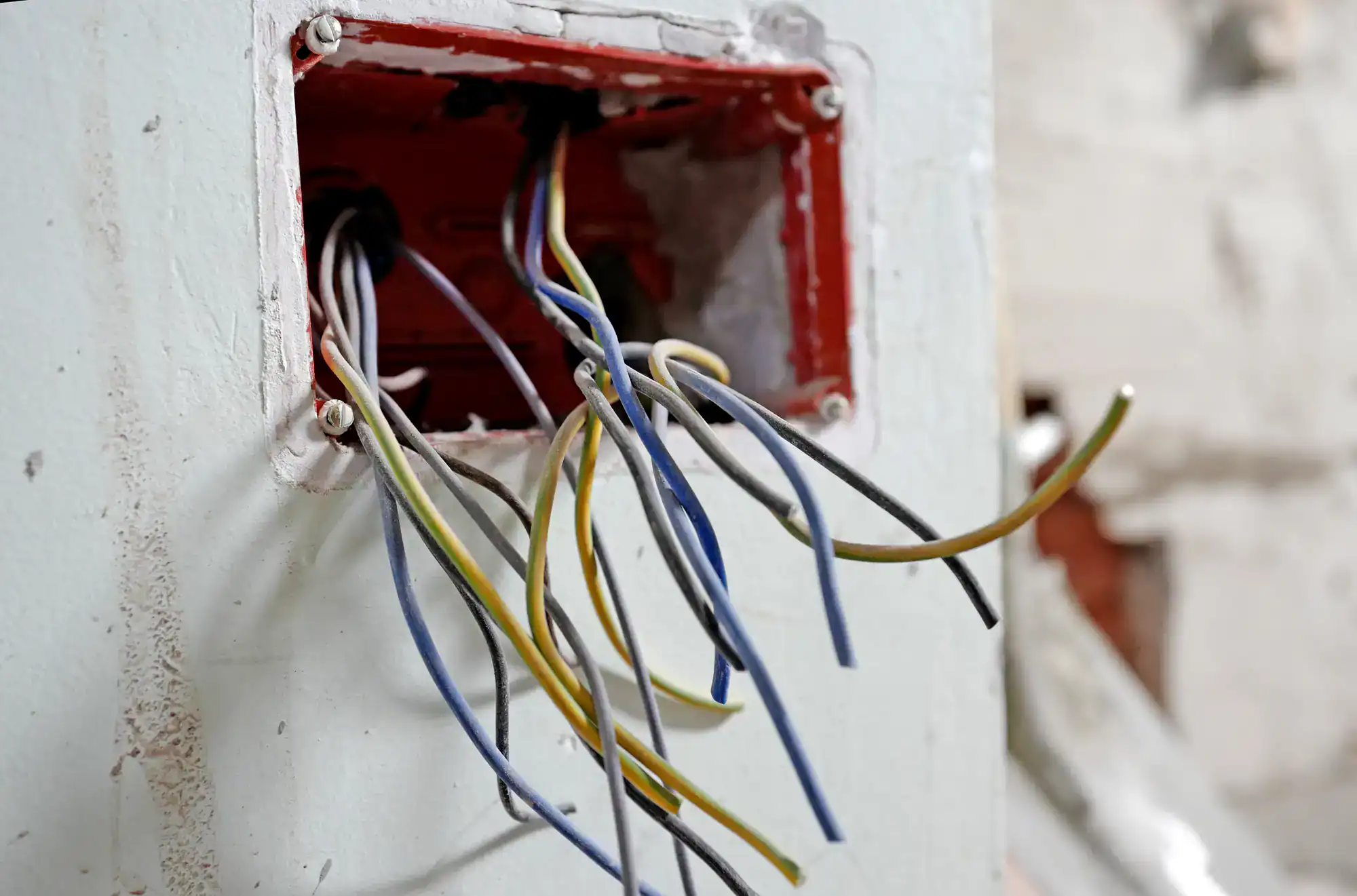
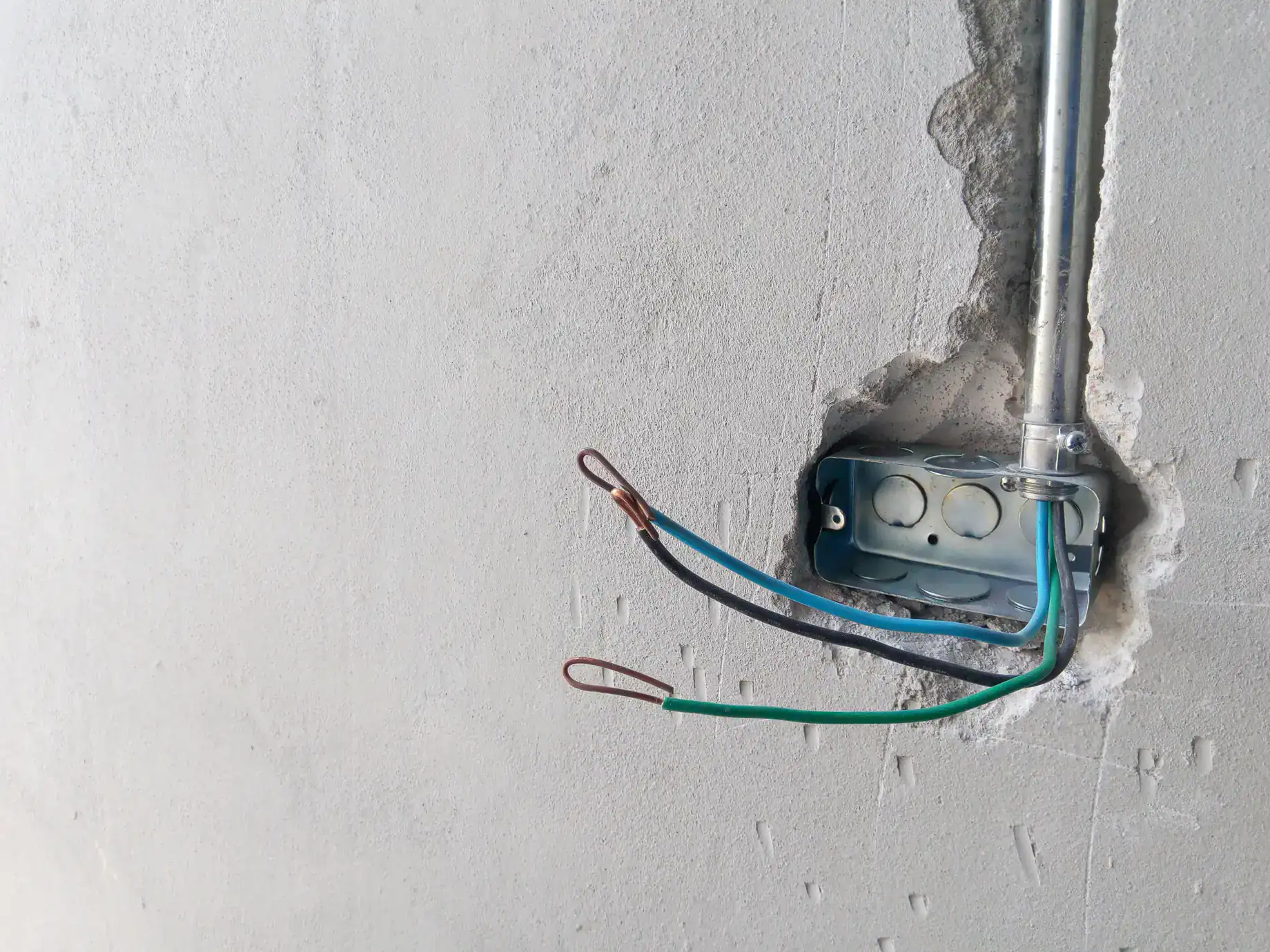
Your insurance company stops calling. Your home’s electrical system meets current code. And your walls—especially if you’ve got original horsehair plaster—stay completely untouched.
That’s what happens when you remove knob and tube wiring the right way. You’re not patching drywall for weeks or trying to match 100-year-old plaster that no contractor can replicate. You’re getting a full electrical upgrade without the demolition.
Most electricians will tell you they need to cut into your walls to replace old wiring. That’s because most electricians don’t have the camera system we use. We insert a specialized camera through your existing outlets to locate, inspect, and remove knob and tube wiring from inside the walls. No guessing. No unnecessary damage. Just clean, precise work that leaves your home looking exactly how it did before—but safer.
If you’re in a historic home in Middletown, this matters even more. Horsehair plaster isn’t something you can buy at the hardware store. Once it’s damaged, you’re looking at expensive repairs that never quite match the original. Our process was built specifically to avoid that problem.
We’ve spent three decades upgrading electrical systems across Rhode Island—including some of the oldest homes on Aquidneck Island. Middletown sits right in the heart of the island, with neighborhoods full of Capes, Colonials, and Victorians built anywhere from the 1830s to the 1950s. A lot of those homes still have knob and tube wiring.
We’ve worked in enough of them to know what you’re up against. You want the wiring gone, but you don’t want your walls destroyed in the process. You need documentation for your insurance company. And if you’re planning to sell, you need the work done right so it doesn’t kill your deal.
That’s why we invested in camera-based inspection and removal technology that no other electrician in the area uses. It’s not the cheapest way to do the job—it’s the right way. Especially when you’re working with homes that have character worth preserving.

First, we insert a specialized camera through your existing electrical outlets. That camera travels inside your walls and shows us exactly where the knob and tube wiring runs, where it connects, and whether there’s any damage from rodents or age. We’re looking for covered junction boxes, open joints, frayed cloth insulation—anything that could cause problems down the line.
Once we map everything out, we remove the old wiring and install new code-compliant wiring using the same access points. No cutting. No notching. If there’s any wall work at all, it’s minimal—small access points that are easy to patch, not full sections of plaster that need replacing.
After the new wiring is installed and inspected, we provide you with all the documentation your insurance company needs to reinstate coverage. Most of our clients see their policies reactivated within days. Some even get lower premiums once the outdated wiring is gone.
The whole process is faster and cleaner than traditional rewiring. You’re not living in a construction zone for weeks. You’re getting an upgrade that respects your home.

Ready to get started?
You’re getting a full camera-based inspection that shows you exactly what’s happening inside your walls. We’ll identify any wiring that’s damaged, any junction boxes that were covered up during past renovations, and any sections where the cloth insulation has deteriorated to the point of exposing bare wire.
From there, we remove all active knob and tube wiring and replace it with modern wiring that’s grounded, code-compliant, and built to handle the electrical load your home actually uses. That means your computers, appliances, and HVAC systems get the power they need without overloading circuits that were designed in 1920.
You also get documentation. Insurance companies in Rhode Island won’t reinstate coverage without proof from a licensed electrician that the work passed inspection. We provide that—along with a Certificate of Insurance if your lender or insurance company requires it.
And because we’re working in Middletown, we know the housing stock here. A lot of homes were built during the town’s fastest growth period in the 1940s and 50s, and plenty more date back to the late 1800s. That means horsehair plaster, original woodwork, and layouts that don’t make rewiring easy. Our camera system was built for exactly these kinds of homes.

Most insurance companies in Rhode Island won’t cover homes with active knob and tube wiring—or they’ll require you to remove it within 30 days of purchasing the policy. Some will cover it temporarily but charge higher premiums until you upgrade.
The reason is simple: knob and tube wiring is a fire risk. The cloth insulation breaks down over time, leaving bare wires in contact with wood framing. Add in the fact that these systems were never designed to handle the electrical load of modern homes, and you’ve got a system that insurance companies see as a liability.
If your insurance company has already sent you a notice, you’re usually looking at a 30-day deadline to get the work done and provide proof of completion. That’s where documentation matters. We provide everything your insurer needs to reinstate coverage—and in most cases, that happens within a few days of the work being completed.
For a typical home in Middletown, you’re looking at somewhere between $12,000 and $36,000 depending on the size of your house and how much wiring needs to be replaced. A 1,200-square-foot Cape is going to cost less than a 2,500-square-foot Victorian with multiple floors and complex layouts.
The industry standard is around $2 to $4 per square foot, plus the cost of removing the old wiring. But that’s for traditional rewiring, which involves cutting into walls and patching them afterward. Our camera-based system costs more upfront because the technology isn’t cheap—but you’re saving money on drywall repair, plaster matching, and repainting.
If you’ve got horsehair plaster, that savings gets even bigger. Matching original plaster is expensive and time-consuming, and even when it’s done well, it’s rarely perfect. Avoiding that work altogether is worth the investment for most homeowners we work with.
Yes. That’s the whole point of the camera system we use.
We insert the camera through existing outlets and run it through the walls to locate the wiring. From there, we remove the old knob and tube wiring and install new wiring using the same access points. No cutting. No notching. No tearing out sections of plaster or drywall.
If there’s any wall work at all, it’s minimal—small access points that are easy to patch and paint. But in most cases, we’re talking about zero visible damage. That’s especially important in historic homes where the plaster is original and irreplaceable.
Other electricians will tell you they need to cut into the walls because that’s how they’ve always done it. We invested in technology that makes that unnecessary. It’s not the easiest way to do the job, but it’s the right way when you’re working in homes that deserve to be preserved.
The camera shows us everything happening inside your walls that we wouldn’t be able to see otherwise. We’re looking at the condition of the wiring, how it’s routed, where it connects, and whether there’s any damage from rodents, moisture, or age.
We can spot covered junction boxes that were hidden during past renovations. We can see where the cloth insulation has deteriorated and left bare wire exposed. We can identify open joints where connections were never properly secured. All of that matters because it tells us what needs to be fixed and how to do it without causing unnecessary damage to your home.
The inspection also gives us a clear map of how the wiring runs, which makes the removal and replacement process faster and more precise. You’re not paying us to guess or explore—we know exactly what we’re dealing with before we start the work.
For most homes in Middletown, the work takes anywhere from a few days to a week depending on the size of the house and how much wiring needs to be replaced. A smaller home with straightforward layouts goes faster. A larger Victorian with multiple floors and complex wiring takes longer.
The camera system actually speeds up the process compared to traditional rewiring because we’re not spending days cutting into walls, pulling wire, and then patching everything back up. We’re working through existing access points, which means less demolition and less cleanup.
If you’re on a tight deadline because of an insurance requirement, let us know upfront. We’ve handled plenty of 30-day deadlines and can usually accommodate urgent timelines without sacrificing quality.
If the knob and tube wiring is completely disconnected and not carrying any electrical current, it’s not an active fire risk. But here’s the problem: most insurance companies don’t care whether it’s active or not. They see knob and tube wiring in the house, and they either won’t cover you or they’ll require removal.
There’s also the issue of knowing for sure whether it’s truly disconnected. A lot of homes have had partial rewiring done over the years, and it’s not always clear which circuits are still active. The only way to know for certain is to have a licensed electrician inspect the system—and at that point, you might as well remove it and eliminate the problem entirely.
Even if it’s not active, old wiring can become a problem during future renovations or repairs. It’s better to deal with it now, get the documentation your insurance company needs, and move on.