

For over 30 years, we’ve powered Rhode Island with expert electrical services delivered with a personal touch. Discover our story and commitment to quality.
Contact Info
- List Item
For over 30 years, we’ve powered Rhode Island with expert electrical services delivered with a personal touch. Discover our story and commitment to quality.
Contact Info
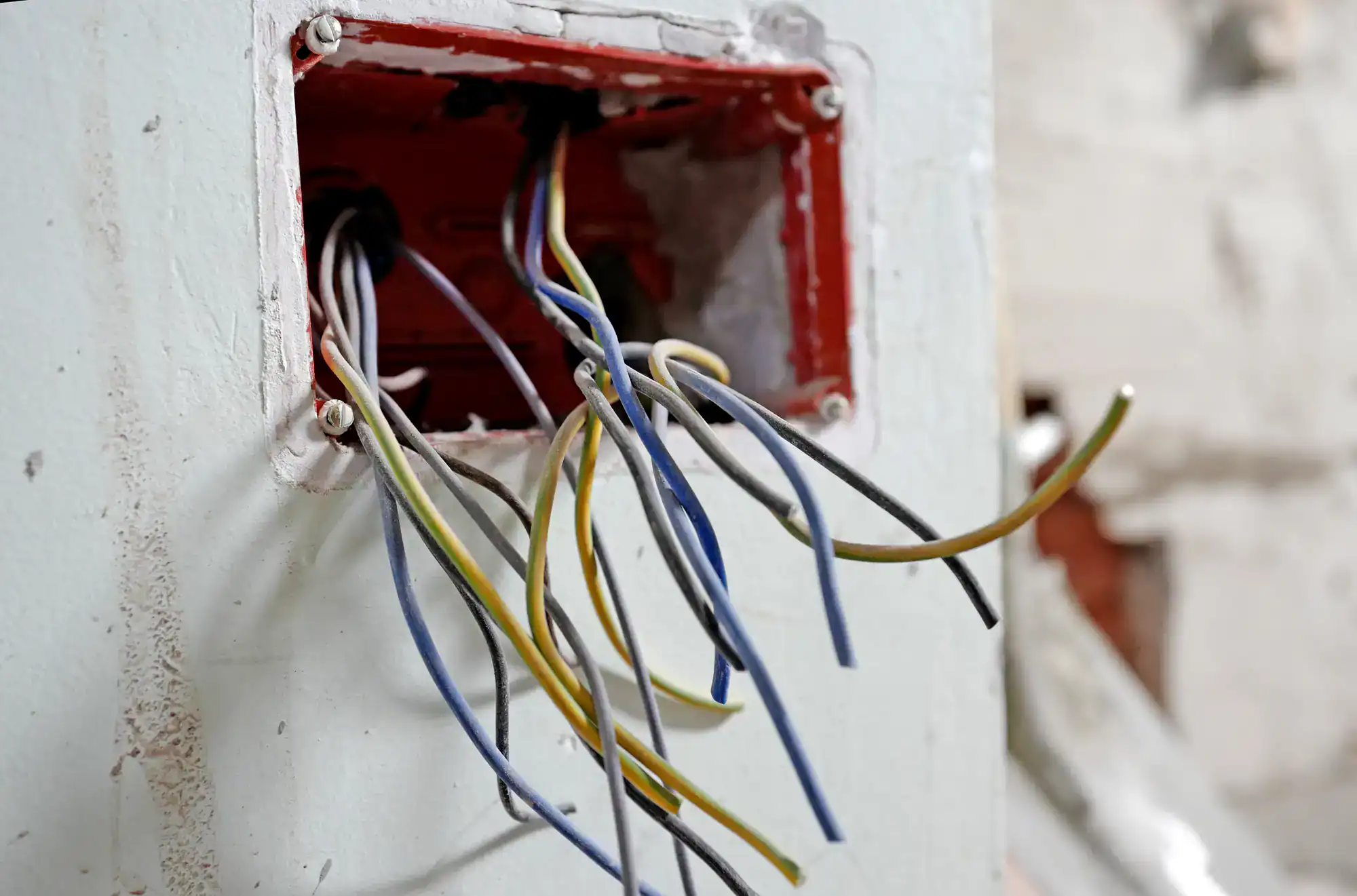
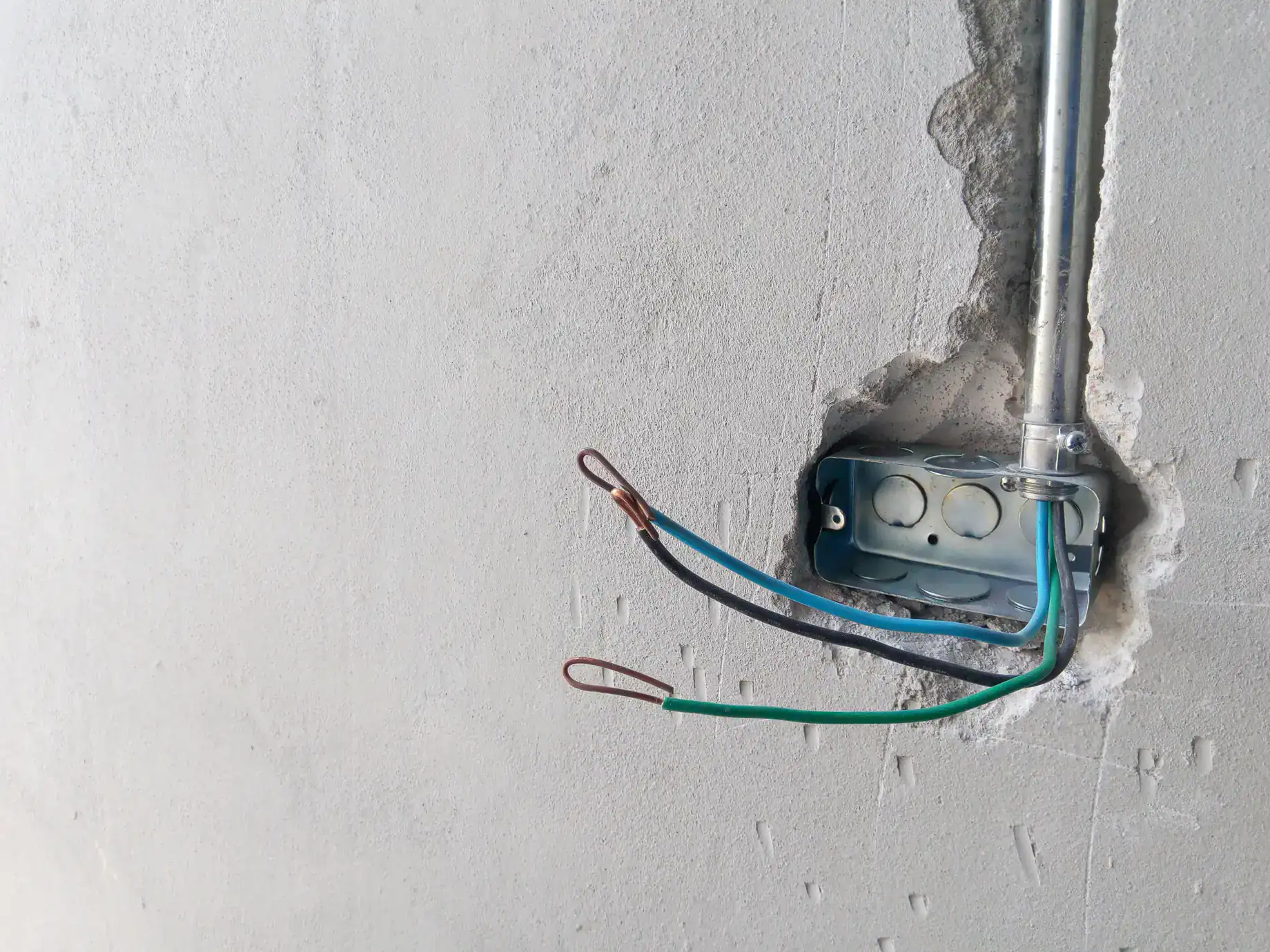
You’ve been told you need to replace knob and tube wiring. Maybe your insurance company gave you a deadline. Maybe you’re trying to sell. Either way, you’re worried about what it’ll do to your walls.
Here’s what most electricians won’t tell you: traditional removal means cutting into plaster, patching holes, and hoping someone can match 80-year-old horsehair texture. In Jamestown, where a third of homes were built before 1950, that’s a real problem. Original plaster is nearly impossible to replicate, and the few tradespeople who can do it aren’t cheap.
We use a specialized camera system that changes the equation entirely. We insert cameras through existing outlets to locate, inspect, and remove old wiring from inside your walls. No cutting. No notching. No hoping a plasterer can make your walls look right again. You get a fully upgraded electrical system that meets code, satisfies insurers, and leaves your home looking exactly as it did before we arrived.
We’ve spent over 30 years working in Rhode Island’s older homes. We’re licensed master electricians who understand that homes built in the 1920s, 30s, and 40s weren’t designed for modern electrical loads—and they definitely weren’t built to be torn apart during upgrades.
Jamestown’s housing stock presents unique challenges. With a median construction year of 1975 and 32% of homes built before 1950, you’re living in a community where preservation matters. Your neighbors aren’t just homeowners—they’re stewards of properties with character that can’t be replaced. We built our process around that reality. Our camera-based system exists because we got tired of watching beautiful plaster walls get destroyed during electrical upgrades that should have been cleaner.

First, we insert specialized cameras through your existing outlets and switches. These cameras let us see inside your walls without cutting anything open. We locate every run of knob and tube wiring, identify junction boxes that might be covered over, and check for other issues like mouse damage or deteriorated insulation.
Once we map everything out, we remove the old wiring through those same access points. The camera guides the entire process, so we’re not guessing or making exploratory cuts. We pull out the old cloth-insulated wire and install modern, grounded circuits that can handle today’s electrical demands.
After removal, we document everything for your insurance company. You get a complete inspection report and certification that proves your home no longer has active knob and tube wiring. Most of our clients have their insurance coverage reinstated within days. The whole process typically creates minimal to no wall damage—maybe a small notch here or there at most, nothing like the extensive repairs traditional methods require.

Ready to get started?
You’re not just getting old wiring pulled out. You’re getting a complete electrical system that brings your home up to current safety standards while preserving everything that makes it worth living in.
The new wiring includes proper grounding—something knob and tube never had. That means protection for your electronics, your appliances, and your family. You’ll have the capacity to run modern HVAC systems, kitchen appliances, and home offices without tripping breakers or overloading circuits. Everything gets brought up to Rhode Island electrical code, which matters both for safety and resale value.
In Jamestown, where median household incomes run between $161,000 and $180,000 depending on age bracket, homes are significant investments. Buyers in this market won’t overlook electrical issues, and they definitely won’t accept active knob and tube wiring. Insurance companies feel the same way—they’ve seen too many fires caused by 90-year-old cloth insulation breaking down and creating bare wire contact with wooden framing.
Our camera system is one of a kind in this area. Other electricians will tell you they need to cut into walls because that’s the only method they know. We invested in technology that protects your home’s integrity because we work in enough historic properties to know the alternative isn’t acceptable.

Yes, and they’re increasingly aggressive about it. Insurance companies in Rhode Island have become reluctant to provide coverage for homes with any active knob and tube wiring, even if 90% of your electrical system has been updated. Many insurers simply won’t offer policies at all if they discover it during inspection.
If you’re already covered and they find undisclosed knob and tube wiring, they can cancel your policy or deny claims related to electrical fires. Some companies will give you 30 days to remove it and provide documentation. Others won’t wait that long. The risk to them is real—cloth insulation deteriorates over decades, leaving bare wires in contact with wood framing, which is exactly the fire scenario they won’t insure against.
We provide complete documentation and certification after removal, which is what your insurance company needs to reinstate or maintain coverage. Most of our clients have this resolved within days of completion.
Original horsehair plaster is nearly impossible to match, and damaging it during electrical work creates problems that are expensive and sometimes impossible to fix properly. Horsehair plaster is highly unstable—once you start cutting into it, cracks can spread unpredictably. The texture, composition, and finish techniques used decades ago aren’t replicated by modern materials or methods.
Finding a skilled plasterer who can actually repair and match old plaster is difficult in Rhode Island. The few tradespeople with that expertise charge accordingly, and even then, the repairs are often visible under certain lighting. In a historic home where original details matter, that’s not acceptable.
Our camera-based removal process protects your plaster by eliminating the need to cut into walls. We work through existing outlets and switches, so your walls stay intact. For homeowners in Jamestown, where 32% of homes were built before 1950, this isn’t a luxury—it’s the difference between preserving your home’s character and creating damage that diminishes its value and appearance.
Most complete home rewiring projects take between three to seven days, depending on the size of your home and how much wiring needs replacement. Single-story homes on the smaller end go faster. Larger Victorian-era homes with multiple stories and complex layouts take longer.
The camera inspection itself usually happens on day one. We map out all the old wiring, identify problem areas, and plan the removal route. The actual removal and installation of new wiring happens over the following days. We work efficiently because we’re not spending time cutting exploratory holes or repairing walls afterward.
You can typically stay in your home during the work, though you’ll have periods without power in specific areas as we swap out circuits. We coordinate with you on timing so you’re not left without electricity when you need it most. Once we’re done, you get immediate documentation for your insurance company, and most clients have coverage reinstated within days.
The camera system lets us see inside your walls without cutting them open, which fundamentally changes how knob and tube removal works. We insert the camera through existing outlets and switches, then navigate inside wall cavities to locate every wire run, junction box, and potential problem area.
During inspection, the camera shows us the condition of the insulation, whether mice have damaged anything, if there are covered junction boxes that violate code, and where open joints exist. We can see exactly how the wiring is routed, which means we know the best way to remove it without making unnecessary access points.
Other electricians work blind. They make educated guesses about where wiring runs, then cut into walls to confirm. That creates more holes, more repairs, and more chances to damage plaster that can’t be easily fixed. Our system removes the guesswork entirely. We see what we’re doing in real-time, which is why we can remove wiring through outlets instead of cutting open walls. No other electrician in this area uses this technology—they’ll tell you they need to notch walls because that’s the only method they have.
Complete home rewiring in Rhode Island typically ranges from $12,000 to $36,000, with historic homes featuring plaster walls on the higher end of that range. Your actual cost depends on your home’s size, how much wiring needs replacement, and how complex the layout is.
Victorian-era homes with multiple stories, complex room layouts, and extensive original wiring cost more than smaller, simpler homes. But here’s what matters: our camera-based process often costs less than traditional methods because you’re not paying for extensive wall repairs afterward. When other electricians cut into plaster walls, you’re looking at additional costs for plasterers, painters, and time lost to repairs.
We provide detailed estimates after the initial camera inspection because we can see exactly what needs to be done. No surprises, no change orders halfway through the job. Given Jamestown’s median home values and the fact that knob and tube wiring can kill a sale or an insurance policy, this isn’t an expense—it’s protecting an investment that likely runs well into six figures.
Some jurisdictions allow knob and tube wiring to remain if it’s inspected and certified as safe, but insurance companies and building codes increasingly require complete removal. Even if your local code permits it, your insurance company probably won’t cover you—and that’s the bigger problem.
Rhode Island insurers have seen enough fire claims related to deteriorated knob and tube wiring that most simply won’t take the risk anymore. The cloth insulation breaks down over time, especially in areas where heat builds up or rodents have been active. Once that insulation fails, you have bare copper wire in direct contact with wood framing, which is a fire waiting to happen.
Beyond insurance, there’s the practical issue of electrical capacity. Knob and tube systems weren’t designed for modern loads. You don’t have grounding protection for electronics, and you’re limited in how much power you can safely draw. If you’re planning to stay in your home long-term, upgrade the kitchen, or add modern HVAC, you’ll need proper electrical capacity anyway. Removal solves the insurance problem and the functionality problem at once.