

For over 30 years, we’ve powered Rhode Island with expert electrical services delivered with a personal touch. Discover our story and commitment to quality.
Contact Info
- List Item
For over 30 years, we’ve powered Rhode Island with expert electrical services delivered with a personal touch. Discover our story and commitment to quality.
Contact Info
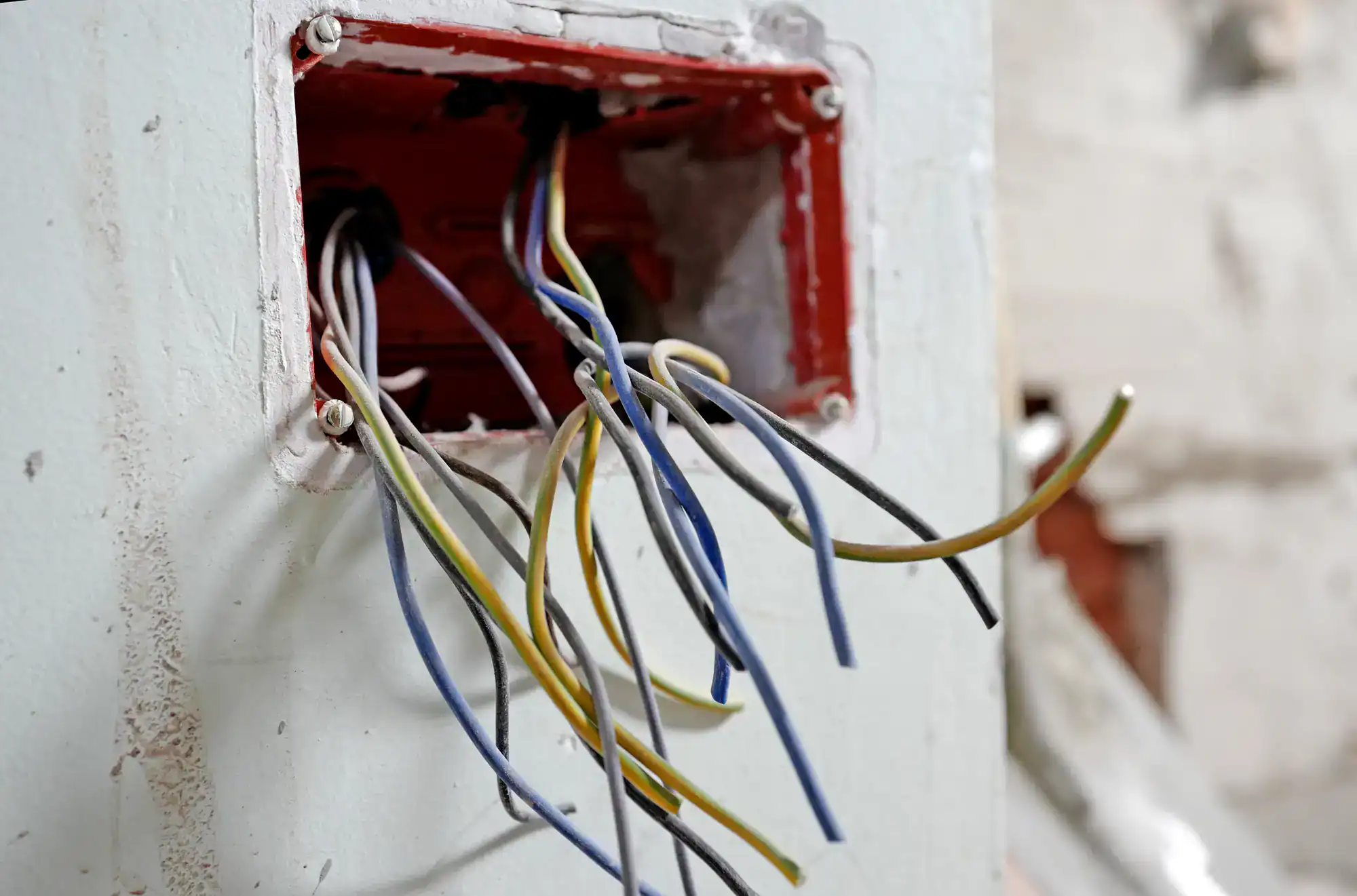
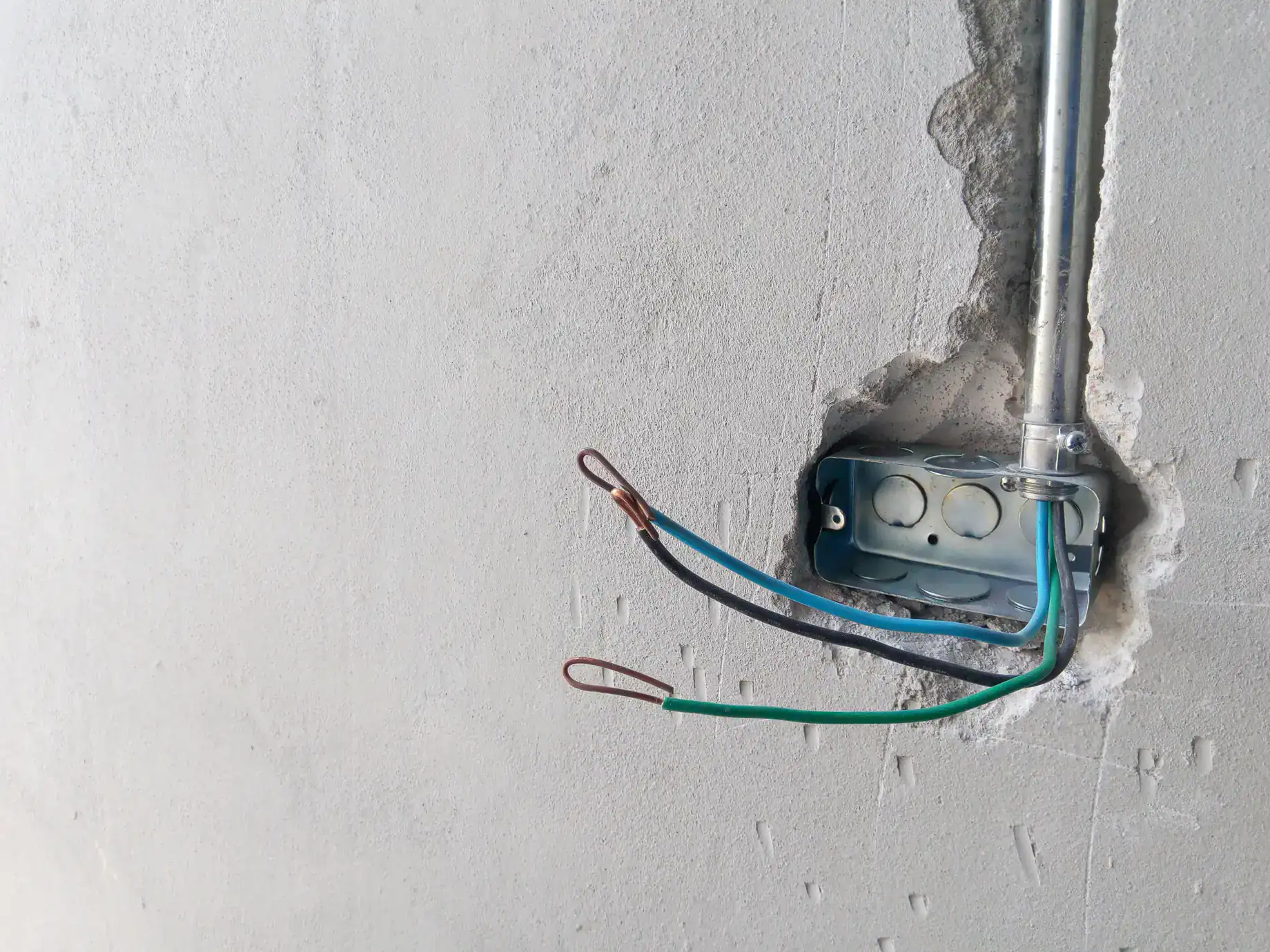
You’re not just dealing with old wiring. You’re dealing with an insurance company that won’t cover your home until it’s gone, a 30-day deadline you didn’t ask for, and the very real fear that fixing the problem means destroying your walls.
Most electricians will tell you they need to cut into your plaster to get the job done. Then you’re left paying someone else to repair the damage—and if your home has horsehair plaster, good luck finding someone who can match it.
We don’t work that way. We use a specialized camera system that goes through your existing outlets to locate and remove knob and tube wiring from inside the walls. No cutting. No notching. No demolition. If there’s any wall damage at all, it’s minimal—like a small access point at most. Your original plaster stays intact, your home keeps its character, and you get the documentation your insurance company needs to reinstate your coverage.
We’ve been upgrading electrical systems in Rhode Island for over 30 years. We’re fully licensed Master Electricians who understand what it takes to work in historic homes—especially in towns like Foster, where the Town House has been standing since 1796 and the Foster Center Historic District is filled with colonial and Greek Revival houses.
We know what horsehair plaster is, why it matters, and how hard it is to repair once it’s damaged. That’s why we developed a process that doesn’t require tearing into it. Our camera-based system is one of a kind in this area, and it’s specifically designed for homeowners who need their electrical work done right without sacrificing the integrity of their property.

We start with a camera inspection. Our specialized camera gets inserted through your existing outlets and feeds into the walls, letting us see exactly where the knob and tube wiring runs, where it connects, and whether there are any hidden issues like mouse damage, open joints, or covered junction boxes.
Once we map everything out, we remove the old wiring from inside the walls using the same access points. No cutting through plaster. No opening up ceilings. The camera does the work that would normally require demolition.
After the old wiring is out, we install a modern electrical system that meets current Rhode Island code—grounded outlets, proper circuit breakers, and a 200-amp service panel that can actually handle your home’s electrical load. Then we document everything for your insurance company. Most of our clients get their coverage reinstated within days once the work is inspected and approved.

Ready to get started?
You get a complete electrical upgrade that brings your home up to code without damaging the walls. That means grounded three-prong outlets, a modern circuit breaker panel, and enough capacity to run your HVAC, kitchen appliances, and everything else you plug in daily.
In Foster, where the mean home price sits around $453,000 and many properties are historic, preserving your plaster matters. Traditional knob and tube removal can cost you an additional $300 to $900 just to repair drywall—and that’s if your walls aren’t horsehair plaster, which requires specialized tradespeople who are increasingly hard to find. Our process avoids that entirely.
You also get the documentation your insurance company requires. Rhode Island insurers won’t cover homes with active knob and tube wiring, and most give you 30 days to remove it or they cancel your policy. We provide proof that a licensed electrician completed the work and that it passed inspection, which is exactly what they’re asking for.

Most homeowners in Rhode Island pay between $12,000 and $36,000 for complete knob and tube removal, depending on the size of the home and how accessible the wiring is. The cost breaks down to roughly $10 to $20 per square foot.
If you own a 2,500 square foot Victorian with plaster walls and limited attic or basement access, expect pricing on the higher end. But that’s for a full rewire—new panel, grounded outlets, code-compliant installation, and zero to minimal wall damage.
Traditional electricians might you less up front, but then you’re paying separately for wall repairs. If your home has horsehair plaster, those repairs can run $900 or more, and there’s no guarantee the new plaster will match the original. Our camera-based process eliminates that extra cost and headache entirely.
Yes, as long as the work is done by a licensed electrician and passes inspection. Most insurance companies in Rhode Island either won’t cover homes with knob and tube wiring or require removal within 30 days of issuing a policy.
Once we complete the job, we provide full documentation showing that the old wiring was removed, the new system meets current electrical code, and everything was inspected and approved. That’s what your insurance company needs to reinstate or maintain your coverage.
We get calls every week from homeowners in Rhode Island who just received a cancellation notice. The good news is that once the wiring is upgraded and documented, most clients get their coverage restored within days. The key is using a licensed Master Electrician who knows how to do the work correctly and can prove it.
Yes. We use a specialized camera system that no other electrician in this area has. The camera gets inserted through your existing outlets and allows us to see inside the walls, locate the wiring, and remove it without cutting, notching, or demolishing anything.
If there’s any wall damage at all, it’s minimal—like a small access point in a closet or inconspicuous area. We’re not opening up entire walls or ceilings the way traditional electricians do.
This is especially important in historic homes with horsehair plaster, which is extremely difficult to match if damaged. Our process preserves the original plaster completely, so you’re not stuck trying to find one of the few remaining tradespeople who know how to work with it. Your walls stay intact, and your home keeps its character.
Most jobs take between three and seven days, depending on the size of your home and how much wiring needs to be replaced. A typical 2,000 square foot home usually takes about a week from start to finish.
We start with the camera inspection, which takes a few hours. That tells us exactly what we’re working with and lets us map out the removal process. Then we pull the old wiring, install the new system, and get everything inspected.
The timeline also depends on whether you’re facing an insurance deadline. If you have 30 days to get the work done or risk losing coverage, we prioritize your job and work efficiently to meet that deadline. The key is calling us as soon as you get the notice—not waiting until the last week.
The camera shows us everything happening inside your walls that we wouldn’t be able to see otherwise. We can locate exactly where the knob and tube wiring runs, identify any covered junction boxes, spot open joints, and check for damage caused by rodents or deterioration over time.
This is critical because knob and tube wiring is often hidden behind plaster, and the insulation around the wires breaks down after decades of use. When that happens, you’re left with bare wires in contact with wood framing, which is a fire hazard.
The camera also helps us plan the removal process so we’re not guessing where to access the wiring. We know exactly what we’re dealing with before we start, which means the job gets done faster, cleaner, and with less disruption to your home. It’s the difference between precision work and demolition.
Because your insurance company won’t cover you, and because the wiring itself is a safety risk. Knob and tube wiring was installed when homes used a fraction of the electricity they do now. Running modern appliances through those old circuits means you’re pulling far more power than the system was designed to handle.
On top of that, the cloth insulation around the wires deteriorates over time. Once that breaks down, you have exposed wiring in direct contact with wood framing, which creates a serious fire hazard. Rhode Island insurance companies see this as a liability they’re not willing to take on.
Even if the wiring seems fine now, it’s not up to current electrical code. You don’t have grounded outlets, which means your electronics aren’t protected and there’s a higher risk of electrical shock. Upgrading now protects your family, keeps your insurance intact, and brings your home’s electrical capacity up to what you actually need.
Other Services we provide in Foster