
Generator Repair in Richmond, RI

Your Generator Works When the Power Goes Out

We’re licensed generator service technicians in Richmond, RI who diagnose and fix generator problems fast so your backup power actually works when storms hit.
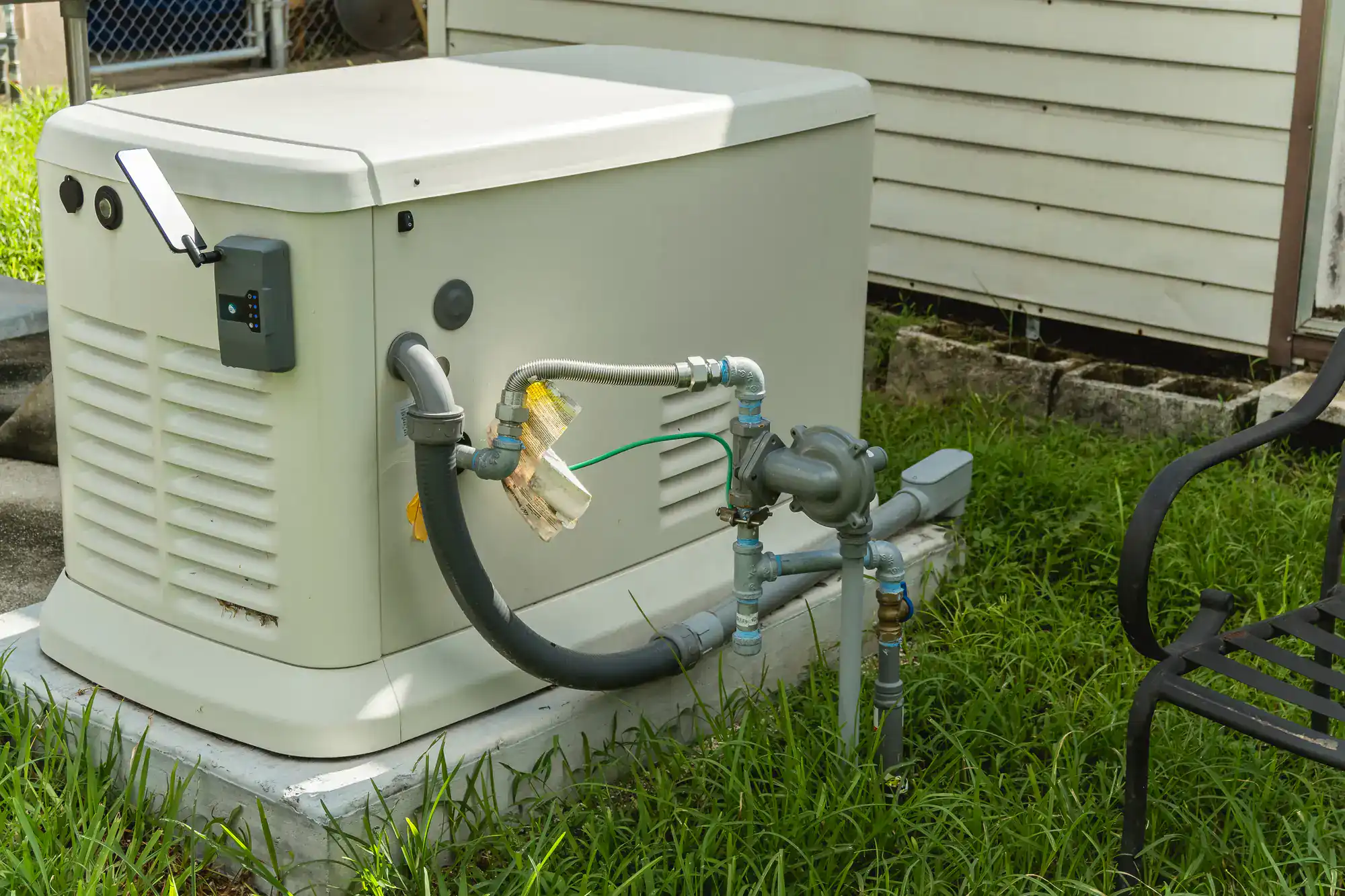
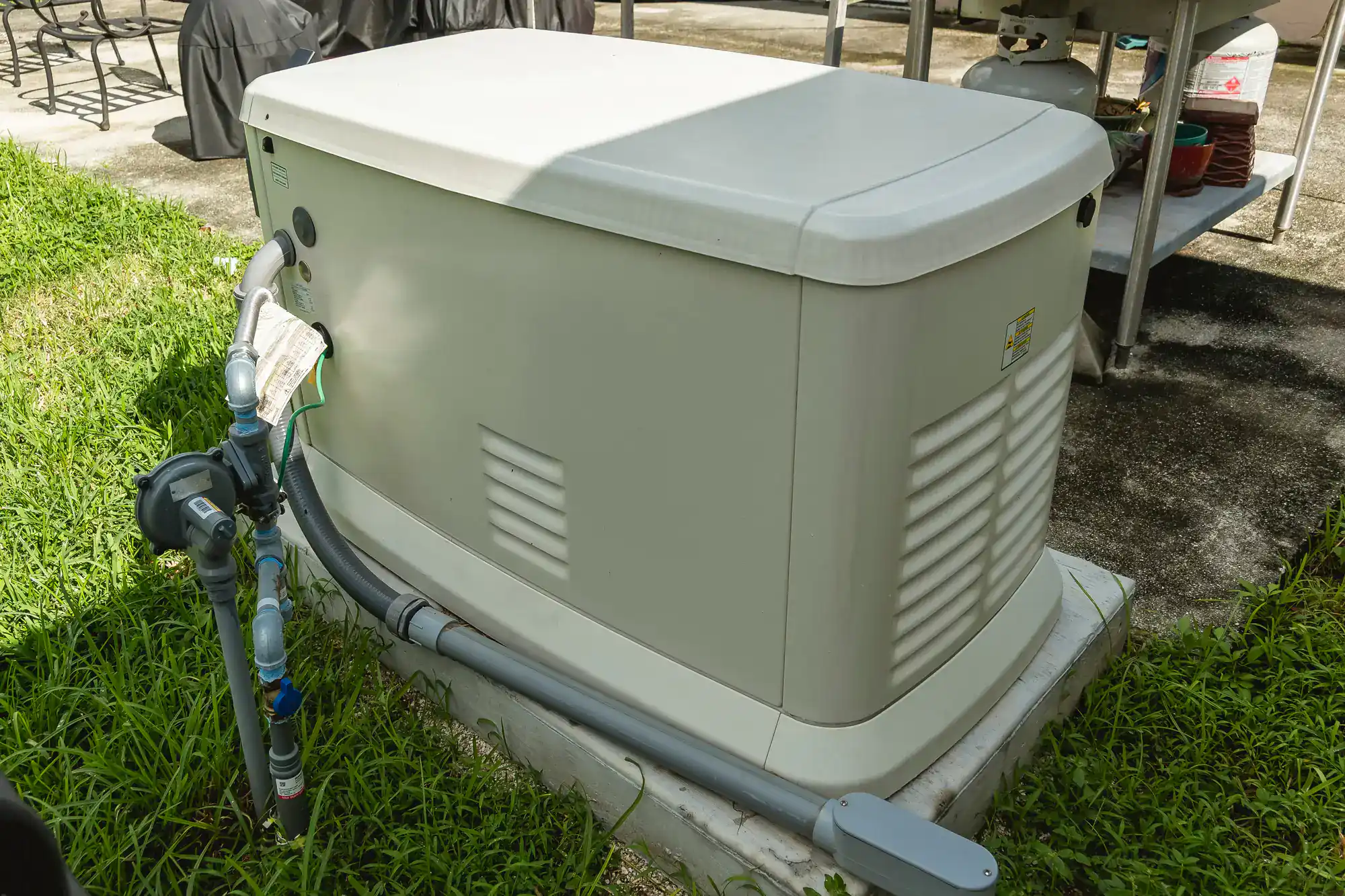
A standby generator, installed by electricians in Providence County, RI, sits on a concrete pad next to a house with electrical and gas connections attached. Overgrown grass surrounds it, and it's located near a black metal bench.
A standby home generator sits on a concrete pad outside in RI, surrounded by grass, with electrical and gas connections professionally installed by electricians Providence County trusts.

Licensed Generator Electrician Repair Richmond, RI

Backup Power That Actually Runs During Outages

Rhode Island sees frequent power outages. Last year alone, over 65,000 customers lost power during storms, and right now, thousands of homes across the state are sitting in the dark. Your generator should start automatically when the grid fails—but only if it’s been maintained and repaired correctly.

A generator that won’t start during an outage isn’t just frustrating. It’s a safety issue. Food spoils. Sump pumps stop. Medical equipment fails. You bought backup power for a reason.

We fix generator problems before they leave you stranded. We troubleshoot fuel system issues, replace failing batteries, repair transfer switches, and handle the electrical work that keeps your system running. When we finish a generator repair in Richmond, RI, you know it’ll work when you need it.

Generator Troubleshooting Richmond, RI

Three Decades Fixing Generators Across Rhode Island

We’ve been repairing residential and commercial generators in Richmond, RI and throughout Rhode Island for over 30 years. Our team includes licensed Master Electricians and Electrical Inspector Certified professionals who’ve seen every generator problem there is—from simple battery failures to complex fuel system repairs.

Richmond sits in an area that gets hit hard during storms. We’ve responded to outages after hurricanes, ice storms, and nor’easters. We know what fails first and how to fix it fast. Over 1,500 commercial projects and thousands of residential repairs later, we still treat every customer like they’re the only one on the schedule.

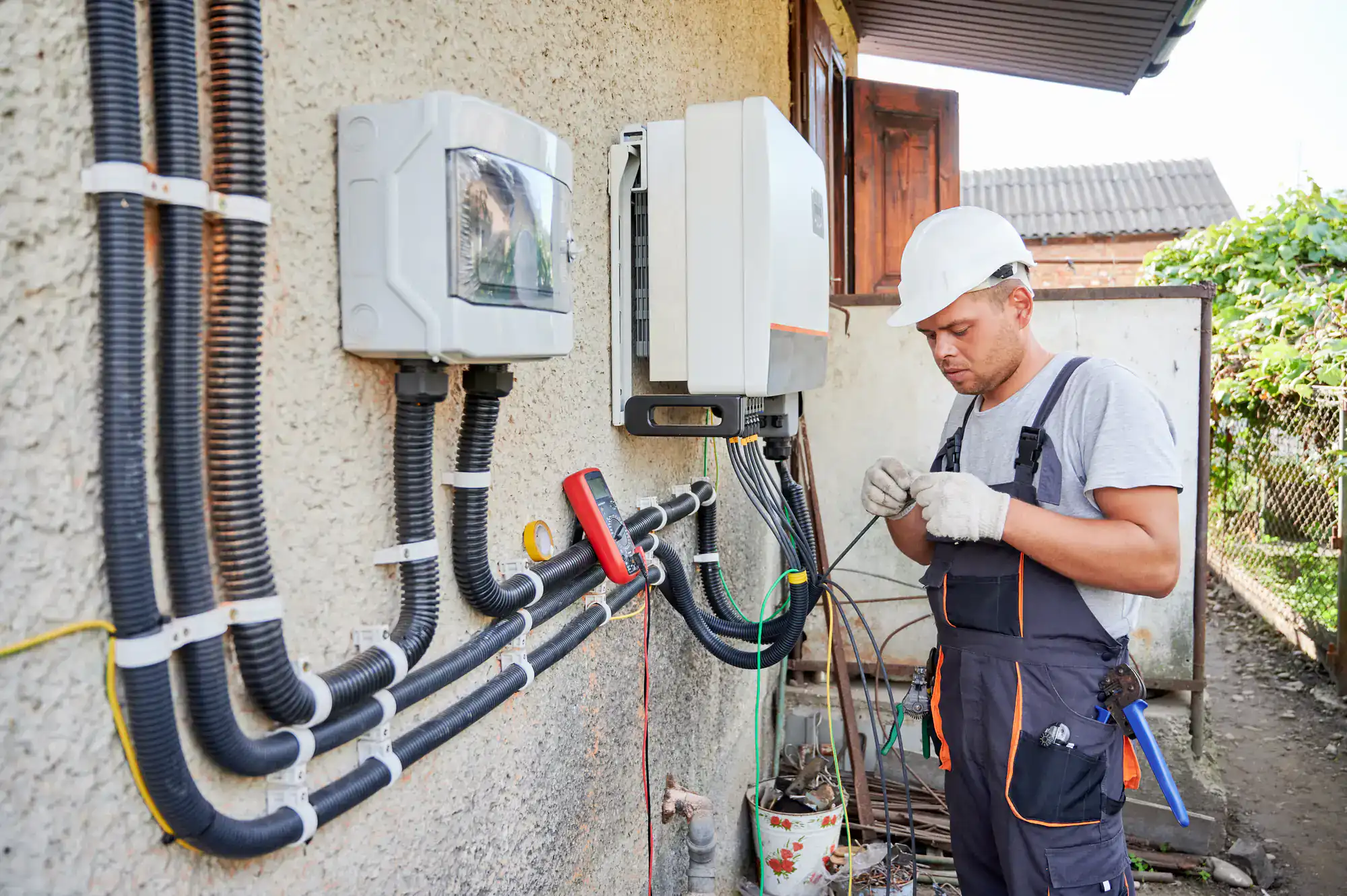
An electrician from electricians Providence County, RI, wearing a white helmet and overalls, works with wires beside an outdoor electrical box mounted on a house wall. Various cables run along the wall and into the box.

Fix Generator Richmond, RI

Here's What Happens When You Call

First, we show up on time. You explain what’s happening—or not happening—with your generator. Maybe it won’t start. Maybe it runs rough. Maybe it kicks on but doesn’t power the house.

We run a full diagnostic. That means checking the battery, inspecting fuel lines, testing the transfer switch, and looking at the electrical connections. Most generator problems come down to a handful of common issues: dead batteries, stale fuel, clogged filters, or faulty transfer switches. We find the problem fast because we’ve fixed it a hundred times before.

Once we identify the issue, we explain what needs to happen and give you a clear price. No surprises. Then we make the repair. If it’s a part we stock, we fix it same-day. If we need to order something, we tell you exactly when we’ll be back to finish the job. After the repair, we test the system to make sure it runs correctly under load.

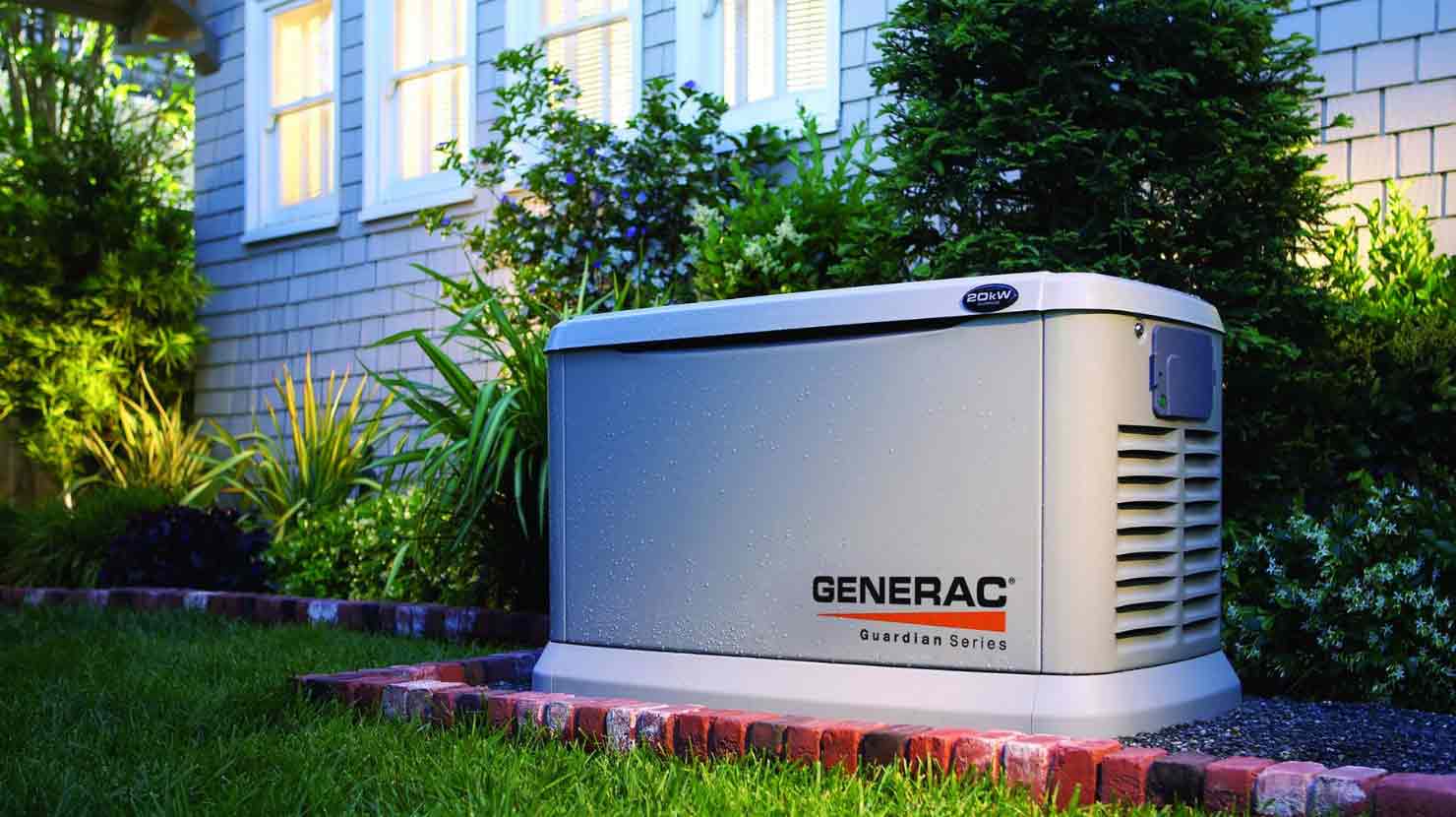
A Generac Guardian Series standby generator sits on mulch beside a brick-sided house in RI, surrounded by green plants and purple flowers near a window—installed expertly by electricians Providence County trusts.

Explore More Services

About Lightning Electric

Residential Generator Repair Richmond, RI

What's Included in Generator Repair Service

Every generator repair in Richmond, RI starts with a complete system diagnostic. We check your battery voltage and connections, inspect fuel quality and lines, test the automatic transfer switch, examine air filters and oil levels, and verify that all electrical connections are tight and corrosion-free.

From there, we handle whatever needs fixing. Common repairs include replacing worn-out batteries, cleaning or replacing fuel filters, repairing or replacing transfer switches, fixing fuel system leaks, and tightening loose electrical connections. For Generac systems, we’re factory-certified, which means we know these units inside and out.

Richmond homes and businesses rely on backup power during the frequent outages that hit Washington County. Hurricane season, winter storms, and aging infrastructure mean your generator isn’t optional—it’s essential. We also service commercial generator systems for businesses that can’t afford downtime. Whether it’s a small residential unit or a large commercial system, the process is the same: diagnose accurately, repair correctly, test thoroughly.

A Generac Guardian Series standby generator is installed outdoors next to a house in RI, surrounded by green plants and brick edging, with electricians Providence County ensuring safe setup and lights illuminating the area at dusk.

How long does a typical generator repair take in Richmond, RI?

Most generator repairs take between one and three hours, depending on what’s wrong. If it’s a straightforward fix like a dead battery or clogged fuel filter, we can usually handle it in under an hour. More complex issues—like a failing transfer switch or fuel system repair—take longer.

The diagnostic itself takes about 30 minutes. We need to test the battery, check fuel flow, inspect the transfer switch, and run the unit to see how it performs under load. Once we know what’s broken, we can give you an accurate time estimate.

If we need to order a part, that adds time. Most common parts we either stock on the truck or can get same-day from our local suppliers. Specialty parts for older units might take a few days. We’ll always tell you upfront if there’s a wait and give you options for temporary solutions if possible.

Battery failure is the number one issue. Generator batteries don’t last forever, and if your unit sits unused for months, the battery dies. When the power goes out and the generator tries to start, nothing happens. We replace a lot of batteries.

Fuel problems come in second. Gasoline goes stale after a few months, and diesel can gel in cold weather. Stale fuel clogs filters and carburetors. We see this constantly with generators that don’t get regular exercise. Running your generator monthly helps prevent fuel issues, but most people forget.

Transfer switch failures are also common, especially in older systems. The transfer switch is what automatically disconnects your house from the grid and connects it to the generator. If it fails, your generator might run but won’t power anything. We also see a lot of dirty air filters, low oil levels, and corroded electrical connections—all preventable with regular maintenance.

Yes. We handle generator troubleshooting and repair for both residential and commercial systems in Richmond, RI. The process is similar, but commercial units are typically larger and more complex.

Residential generators usually range from 7kW to 22kW and power essential circuits or whole homes. These are straightforward to diagnose and repair. Most homeowners have Generac, Kohler, or Briggs & Stratton units, and we’re certified to work on all of them.

Commercial generators can be much larger—50kW, 100kW, or more—and they often have more sophisticated controls and fuel systems. We’ve worked on commercial generator systems for businesses throughout Rhode Island, and we have the licensing and experience to handle industrial-grade equipment. Whether it’s a small office building or a large facility that can’t afford downtime, we approach every commercial generator repair with the same attention to detail.

It depends entirely on what’s broken. A simple battery replacement might cost a few hundred dollars. A transfer switch replacement or fuel system repair can run higher, depending on the parts and labor involved.

We don’t give estimates over the phone because we need to see what’s actually wrong. Too many variables. Once we diagnose the problem, we give you a clear price before we start the repair. No hidden fees, no surprises after the work is done.

What we can tell you is this: ignoring generator problems always costs more in the long run. A clogged fuel filter that gets ignored can damage the carburetor. A weak battery that doesn’t get replaced will leave you without power during the next outage. Catching problems early through regular maintenance and prompt repairs saves money compared to emergency fixes or full system replacements.

Yes, but we need to get there first. If your generator won’t start during an active outage, call us. We prioritize emergency generator repairs during storms because we know you’re sitting in the dark.

The most common reason a generator won’t start is a dead battery. If the unit has been sitting for months without running, the battery loses its charge. The second most common issue is stale fuel. If your generator hasn’t been exercised regularly, the fuel can gum up the carburetor or clog the fuel filter.

When we arrive, we run through a systematic diagnostic: check the battery, inspect the fuel system, test the ignition, and verify the transfer switch is functioning. Most no-start problems can be fixed on-site with parts we carry on the truck. In rare cases where we need a specialty part, we’ll at least identify the problem so you know what needs to happen next. The key is calling a licensed generator service technician who knows how to troubleshoot these systems correctly.

If the repair costs more than half the price of a new unit, replacement usually makes more sense. But most repairs don’t hit that threshold. A battery, fuel filter, or even a transfer switch replacement is almost always cheaper than buying and installing a new generator.

Age matters. If your generator is over 15 years old and needs a major repair, it might be time to replace it. Older units are less fuel-efficient, parts become harder to find, and you’re likely to face more repairs in the near future. On the other hand, if your generator is only five or six years old and just needs routine repairs, fixing it is the obvious choice.

We’ll be honest with you about what makes sense. If your generator is on its last legs and we’re just delaying the inevitable, we’ll tell you. If it’s got plenty of life left and just needs a repair, we’ll tell you that too. Our job is to fix generator problems in Richmond, RI correctly—not sell you something you don’t need.

Other Services we provide in Richmond