
For over 30 years, we’ve powered Rhode Island with expert electrical services delivered with a personal touch. Discover our story and commitment to quality.
Contact Info
Rhode Island sees power outages regularly. Snowstorms, hurricanes, and aging grid infrastructure mean you’re not waiting days for the utility company to restore power—you’re relying on your generator.
But only if it actually works when you need it. A generator that won’t start during an outage isn’t backup power. It’s expensive yard decoration.
Generator repair in Exeter, RI means your system fires up automatically when the grid fails. Your refrigerator keeps running. Your sump pump protects your basement. Your medical devices stay powered. You’re not scrambling with flashlights or wondering if your pipes will freeze.
The difference between a working generator and a broken one is whether you ride out the storm comfortably or lose thousands in spoiled food, property damage, and emergency hotel bills. Professional generator troubleshooting and repair keeps your investment functional when it matters most.
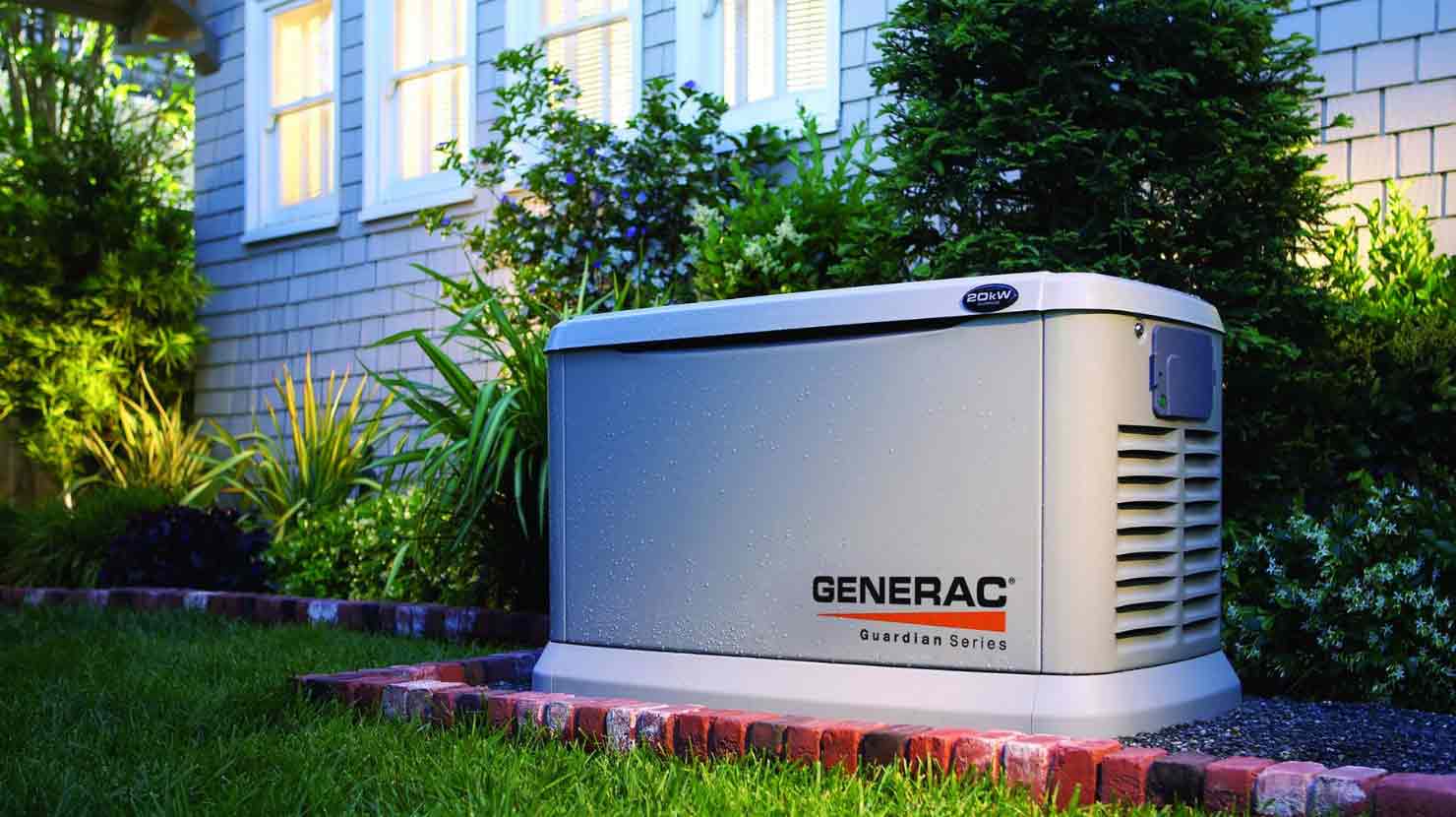
We’ve been handling residential generator repair and commercial generator repair in Exeter, RI and throughout Rhode Island for over three decades. We’re licensed Master Electricians and certified Generac dealers, which means we’ve seen every failure mode your generator can throw at us.
Exeter properties deal with the same weather patterns that knock out power across the state—coastal storms, heavy snow, and an electrical grid that struggles under peak demand. We’ve responded to service calls after every major storm, and we know what breaks, what fails, and what you need fixed immediately.
You’re not getting a technician who learned generator repair last month. You’re getting electricians who’ve completed over 1,500 commercial projects and countless residential repairs, with the licensing and insurance documentation to prove it.
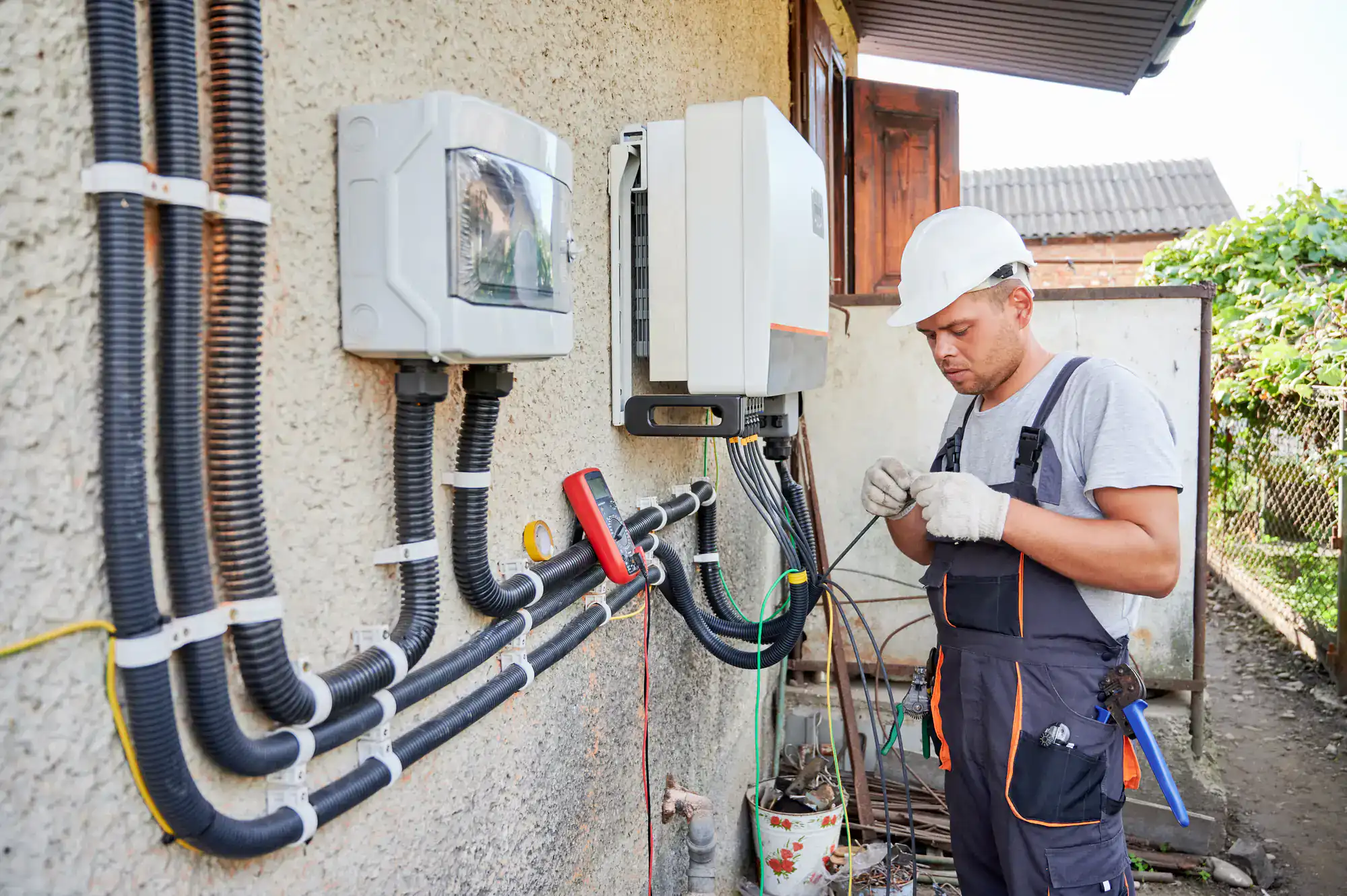
You call us when your generator won’t start, runs rough, or failed during the last outage. We schedule a service visit to your Exeter property and show up with the diagnostic tools and parts inventory to handle most repairs on the spot.
Our generator service technician runs through a systematic troubleshooting process. We test the battery, check fuel delivery, inspect the transfer switch, examine the control board, and verify the engine components. Most generator failures come down to a handful of common issues—dead batteries, stale fuel, clogged filters, faulty spark plugs, or transfer switch problems.
Once we identify what’s broken, we explain what needs fixing and why. No upselling, no vague recommendations. If your generator needs a new battery and fuel filter, that’s what we tell you. If your transfer switch is failing and needs replacement, we explain what that means for your system.
We complete the repair, test the generator under load to confirm it’s producing proper voltage, and verify the automatic transfer switch operates correctly. You get a generator that’s ready for the next outage, not one that might work if you’re lucky.
Ready to get started?
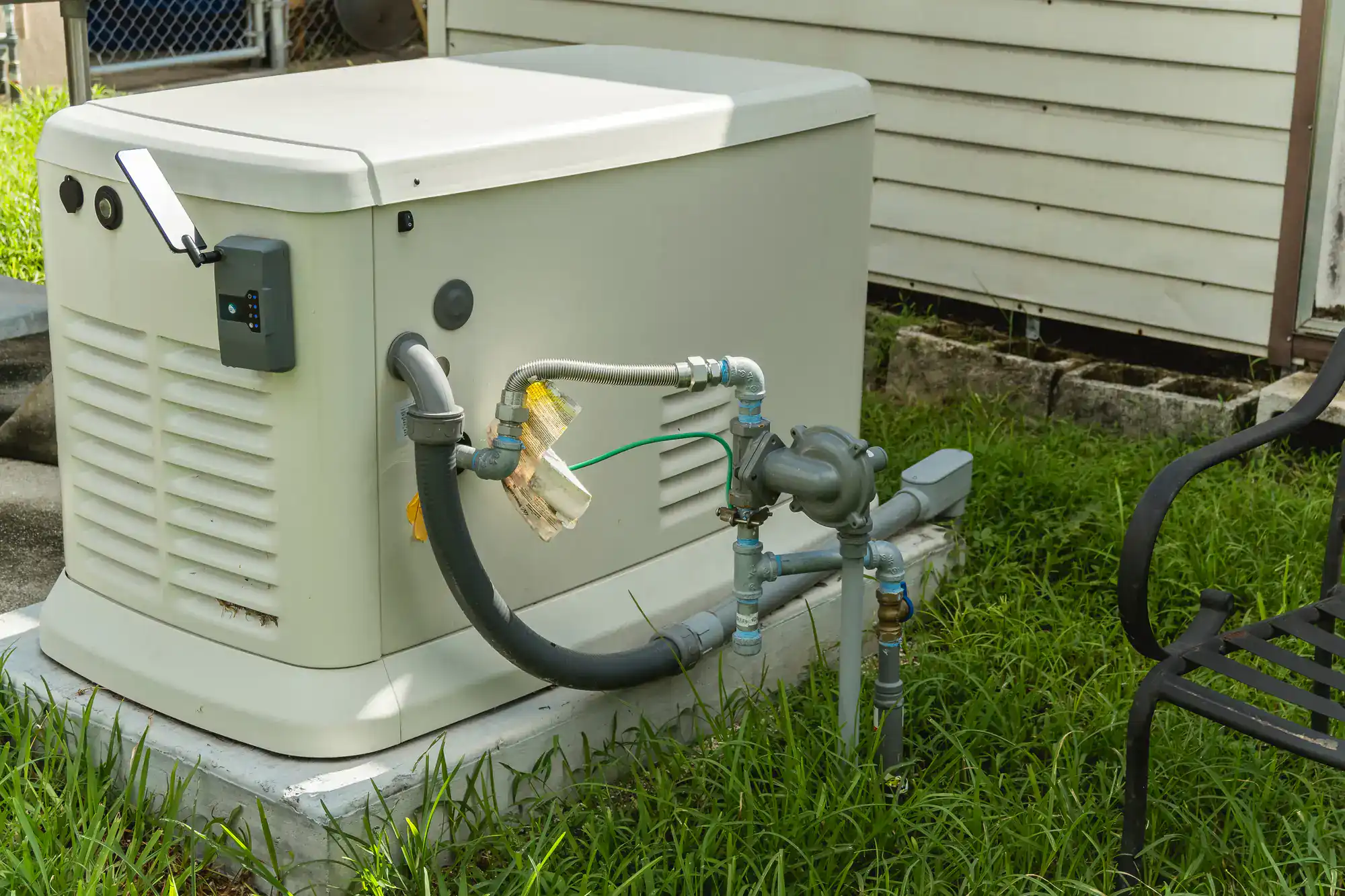
Generator repair in Exeter, RI addresses the mechanical and electrical failures that prevent your backup power system from working. That includes engine problems, fuel system issues, electrical component failures, and transfer switch malfunctions.
Engine repairs cover starting problems, low power output, rough running, and shutdown issues. We handle battery replacement, starter motor repair, spark plug replacement, and carburetor cleaning. Fuel system work includes cleaning or replacing fuel filters, addressing stale fuel problems, and repairing fuel pumps or fuel lines.
Electrical repairs involve control board diagnostics and replacement, voltage regulator issues, wiring problems, and sensor failures. Transfer switch service addresses the automatic switching mechanism that detects power loss and activates your generator—if this fails, your generator won’t turn on during an outage even if the engine is perfect.
Rhode Island’s coastal climate is hard on generators. Salt air corrodes electrical connections. Temperature swings affect fuel stability. Generators that sit unused between outages develop problems that only show up when you need them. Regular professional service catches these issues before they leave you without power during a storm.
Residential generator repair focuses on home standby units that power essential circuits or whole-house systems. Commercial generator repair handles larger units that keep businesses operational during extended outages. Both require licensed electricians who understand generator systems and local electrical codes.
Generator repair costs depend entirely on what’s broken. A service call with basic maintenance—battery replacement, oil change, filter swap—typically runs a few hundred dollars. More involved repairs like transfer switch replacement, control board replacement, or engine work cost more.
The real cost isn’t the repair bill. It’s what happens if you skip the repair and your generator fails during a multi-day winter outage. Burst pipes, spoiled food, hotel stays, and property damage add up fast.
We diagnose the problem first, explain what needs fixing, and give you a clear price before we do the work. No surprises, no vague estimates. You decide whether the repair makes sense or whether replacement is the better option for an aging unit.
Most generators fail to start because of dead batteries, stale fuel, or transfer switch problems. Generators sit unused for months between outages, and that idle time kills batteries and degrades fuel.
Your generator’s battery keeps the control system powered and turns the starter motor. If the battery is dead or weak, nothing happens when the transfer switch signals for startup. Batteries typically last three to five years, and Rhode Island’s temperature swings accelerate failure.
Stale fuel is the other common culprit. Gasoline breaks down after a few months, and propane systems can develop fuel delivery issues if components aren’t maintained. Clogged fuel filters, gummed-up carburetors, or failed fuel pumps prevent the engine from getting the fuel it needs to start.
Transfer switch failures mean your generator never receives the signal to start, even though the engine and fuel system are fine. The switch detects utility power loss and activates the generator—if it’s malfunctioning, your generator stays off during an outage.
Annual maintenance is the baseline for most residential generators in Exeter, RI. That service visit covers oil changes, filter replacements, battery testing, fuel system inspection, and a test run under load to verify everything works.
If your generator runs during an extended outage, schedule service afterward. Running for hours or days puts wear on the engine and uses up the oil change interval. Post-outage service catches problems before they become failures during the next storm.
Generators that sit unused for long periods need attention too. Fuel degrades, batteries lose charge, and seals dry out. Annual service prevents the “it worked last year but won’t start now” scenario that happens when you skip maintenance.
Rhode Island’s weather patterns mean your generator might run several times per year or sit idle for months. Either way, professional service keeps it ready. The cost of annual maintenance is a fraction of what you’ll pay for emergency repairs during an outage or the property damage from losing power for days.
Basic maintenance like checking oil levels or cleaning around the unit is fine for most homeowners. Actual repairs—diagnosing electrical problems, replacing components, working on the transfer switch—require a licensed electrician.
Generator systems involve high voltage, natural gas or propane fuel, and automatic transfer switches that connect to your home’s electrical panel. Mistakes cause fires, gas leaks, electrocution, or damage that turns a simple repair into a complete system replacement.
Rhode Island requires licensed electricians for generator installation and electrical work. That licensing exists because generator systems are complex and dangerous if handled incorrectly. A generator service technician has the training, tools, and experience to diagnose problems accurately and fix them safely.
DIY repairs also void warranties and create liability issues. If your amateur repair causes a fire or someone gets hurt, your homeowner’s insurance may not cover the damage. Professional generator repair in Exeter, RI costs less than the consequences of getting it wrong.
Maintenance is scheduled service that prevents problems. Repair is fixing things after they break. Both matter, but maintenance is cheaper and keeps you from needing emergency repairs during outages.
Generator maintenance includes oil changes, filter replacements, battery testing, spark plug inspection, fuel system checks, and test runs. It’s preventive work that catches small issues before they become failures. Annual maintenance extends your generator’s lifespan and ensures it starts reliably when the power goes out.
Generator repair addresses specific failures—won’t start, low power output, shuts down unexpectedly, or transfer switch problems. Repairs are reactive and usually more expensive than maintenance because you’re replacing failed components instead of servicing working ones.
Most generator problems are preventable with regular maintenance. Dead batteries, clogged filters, and stale fuel don’t happen suddenly—they develop over months of neglect. Professional service catches these issues early when they’re cheap and easy to fix, not during a winter storm when you desperately need backup power.
Simple repairs happen during the initial service call. Battery replacement, filter changes, spark plug swaps, and minor adjustments take an hour or two. We carry common parts on our trucks, so most routine repairs finish the same day.
Complex repairs requiring specialized parts or extensive diagnostics take longer. Transfer switch replacement, control board repairs, or engine rebuilds might need ordering parts and scheduling a follow-up visit. We’ll tell you upfront what the timeline looks like.
Emergency repairs during active outages get priority scheduling. If your generator failed during a storm and you’re without power, we move fast. But understand that major storms mean high call volume—everyone with a broken generator wants immediate service.
The fastest repair is the one you don’t need because you kept up with maintenance. Annual service prevents most emergency breakdowns and keeps your generator ready before storm season hits Exeter, RI.