For over 30 years, we’ve powered Rhode Island with expert electrical services delivered with a personal touch. Discover our story and commitment to quality.
Contact Info
Your heat stays on during February blizzards. Your sump pump keeps running when spring storms roll through. Your refrigerator doesn’t become a $500 science experiment after three days without power.
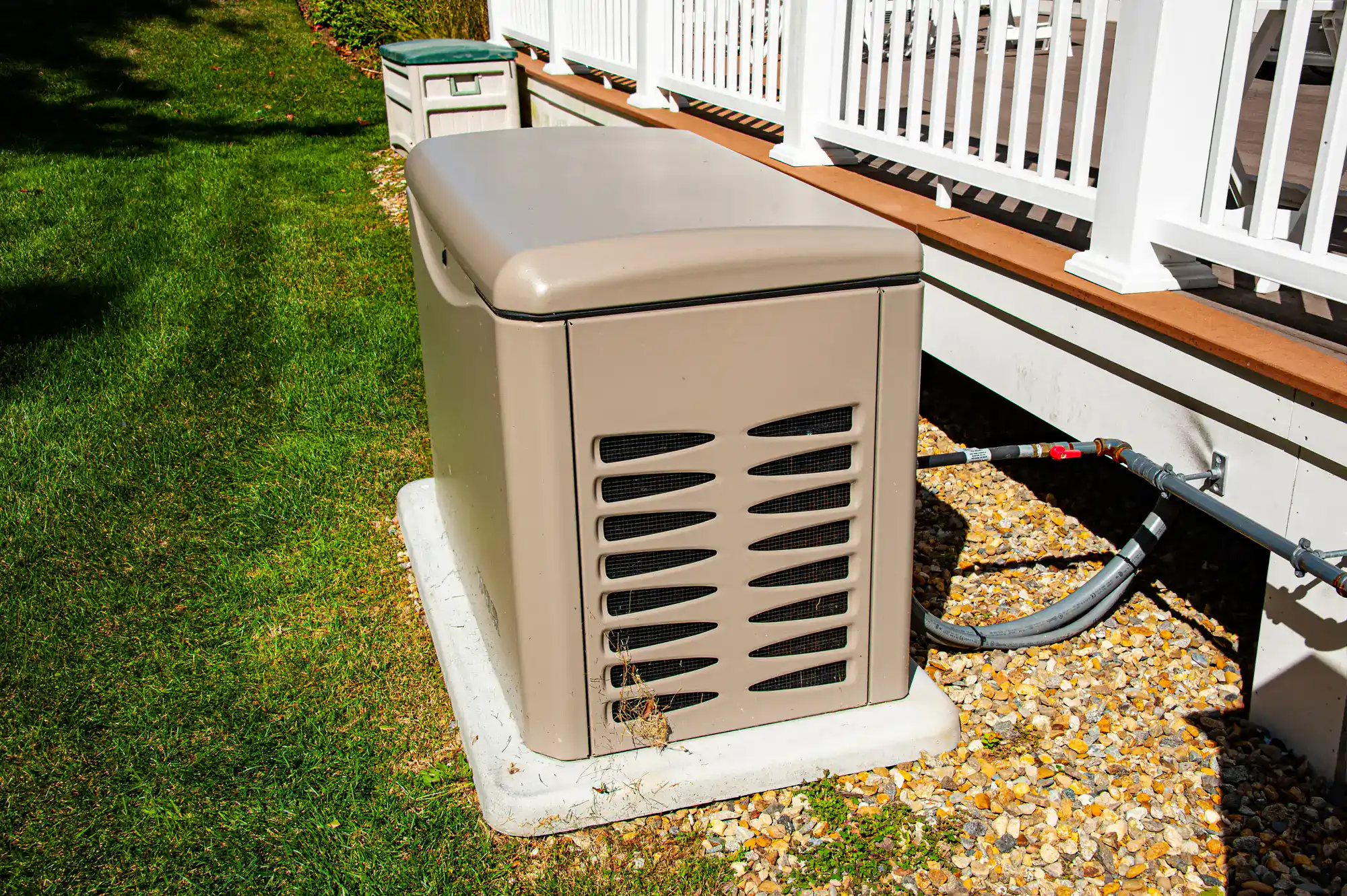
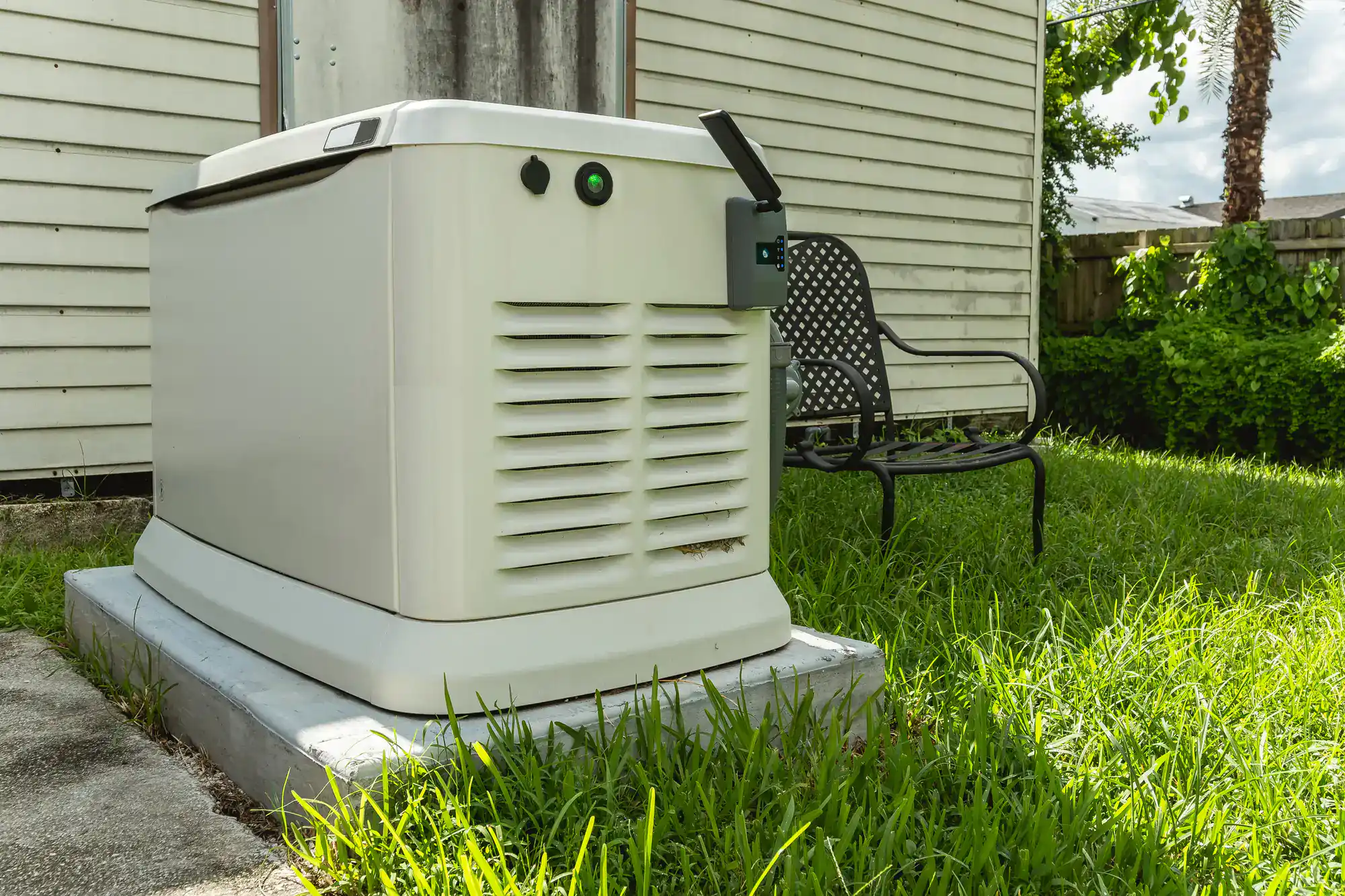
That’s what a properly installed standby generator does. It monitors your incoming power every few seconds, and when the grid fails, it starts itself and transfers your home to backup power in under 20 seconds. You might not even notice the lights flickered.
Rhode Island saw over 40,000 customers lose power during the last major storm. Some waited three days for restoration. If you’ve got medical equipment, a home office, or just don’t want to deal with frozen pipes and spoiled food, that’s not acceptable. A home generator installation in Woonsocket, RI changes that equation completely.
We’ve been handling electrical work across Rhode Island for over 30 years. We’re not a general contractor who subcontracts the electrical work. We’re licensed Master Electricians and certified Generac dealers who’ve completed over 1,500 commercial projects and countless residential installations.
When you’re in Woonsocket, RI, you know what winter storms can do. We’ve installed generators for families who learned the hard way what happens when power stays out for days. We’ve set up systems for businesses that can’t afford downtime.
Every installation gets handled by electricians who are licensed, insured, and actually certified on the equipment we’re installing. That matters when you’re connecting a generator to your home’s electrical system and fuel supply.
First, we come out and look at your property. We’re checking your electrical panel capacity, figuring out the best location for the generator, and determining what size unit actually makes sense for your needs. Not every home needs the biggest generator on the market.
Once you approve the plan, we handle the permits and schedule the work. Installation day involves setting the generator on a concrete pad or other suitable base, running the fuel line from your natural gas or propane supply, installing the automatic transfer switch inside your electrical panel, and making all the electrical connections. Everything gets tested under load to make sure it works exactly as it should.
After installation, we walk you through how the system operates and what basic maintenance looks like. The generator will self-test weekly to make sure it’s ready when you need it. When an outage hits, you don’t touch anything. The system handles it automatically.
Ready to get started?
You get the generator unit itself, sized appropriately for your home or business. You get the automatic transfer switch that makes the whole system work without you lifting a finger. You get all the electrical connections, properly sized and code-compliant.
We handle the concrete pad or mounting base. We run and connect the fuel line, whether you’re using natural gas or propane. All permits get pulled and all inspections get scheduled and passed. In Woonsocket, RI, that means meeting local electrical codes and state requirements for generator installations.
For commercial generator installation in Woonsocket, RI, the scope often includes larger units, multiple transfer switches, and coordination with your existing electrical infrastructure. We’ve handled everything from small retail shops to larger commercial facilities that need uninterrupted power for operations.
You also get startup, testing, and a walkthrough of your new system. We don’t install it and disappear. You’ll know how it works and what to expect.
Most residential standby generator installations take one to two days once we’re on site. Day one typically involves setting the generator, running the fuel line, and installing the transfer switch. Day two covers final electrical connections, testing, and startup.
Commercial installations can take longer depending on the size of the system and complexity of your electrical setup. A small business might be similar to a residential timeline. Larger facilities with multiple transfer switches or more complex requirements might take three to five days.
Weather can affect the timeline since part of the work happens outside. Permit approval and utility coordination also factor in before we start. From the day you sign off on the proposal to the day your generator is running, you’re usually looking at two to four weeks total, depending on equipment availability and scheduling.
That depends on what you want to run during an outage. If you need whole-house coverage including central air conditioning, you’re probably looking at a 20-24kW unit for most homes. If you’re okay with running essentials like heat, refrigerator, some lights, and a few outlets, a 12-14kW unit often works.
We calculate the load based on your electrical panel and what circuits you want backed up. Your heating system is usually the biggest draw in winter. Central AC is the biggest in summer. If you’ve got well water, that pump needs power too.
The goal is to size it right so you’re not paying for capacity you don’t need, but you’re also not overloading a unit that’s too small. We do a proper load calculation during the site visit. That’s not something you want to guess at.
Either fuel works for standby generators. If you’ve already got natural gas service to your home, that’s usually the simpler option. The generator connects to your existing gas line, and you never have to worry about refueling.
If you don’t have natural gas, propane works just as well. You’ll need a propane tank sized for your generator’s fuel consumption. A 500-gallon tank is common for whole-house generators. The tank gets filled periodically by your propane supplier, just like if you were using propane for heating.
Propane does give you fuel independence from the utility grid, which some people prefer. Natural gas is more convenient if you already have it. Both options will keep your generator running through extended outages. We handle the fuel line connection either way.
Standby generators need annual maintenance, similar to your car. That includes changing the oil and filter, replacing the air filter, checking the battery, and inspecting all connections and hoses. The spark plugs get changed every few years depending on runtime.
Your generator runs a self-test every week for about 12-15 minutes. That keeps everything lubricated and ensures it’s ready when you need it. You don’t have to do anything for those tests. The system handles it automatically.
Most manufacturers recommend professional maintenance once a year. We offer service plans that cover that annual checkup. You can also handle basic maintenance yourself if you’re comfortable with it. The owner’s manual walks through what needs to be done and when. Skipping maintenance is how you end up with a generator that won’t start during an outage.
Residential installations typically range from $8,000 to $15,000 depending on the size of the generator, complexity of the installation, and what your property requires. A straightforward installation with natural gas already available and easy access for equipment will be on the lower end. Larger units, propane tank installation, or challenging site conditions push costs higher.
Commercial generator installation costs vary widely based on the size of the system and your facility’s needs. A small business might be similar to residential pricing. Larger operations requiring 50kW or larger units with multiple transfer switches can run $20,000 to $50,000 or more.
We price each job individually because every property is different. The site visit lets us give you an accurate quote based on what your installation actually requires. That includes the generator, transfer switch, installation labor, permits, fuel line work, and any site prep needed. We don’t do ballpark estimates that change later.
It can, if that’s how you want it set up and you size the generator appropriately. Whole-house coverage means everything works during an outage just like normal. That requires a larger generator, typically 20-24kW for most homes, sometimes bigger if you’ve got a large house or high electrical demands.
The other option is a partial-house system that covers essential circuits. You’d have power to your heating system, refrigerator, some lights, a few outlets, and maybe your garage door opener. Non-essentials like central air or your electric dryer might not run. This approach uses a smaller, less expensive generator.
The transfer switch determines what gets powered. We can set it up either way based on what you want and what your budget allows. Most people in Rhode Island prioritize heat, refrigeration, and enough lights and outlets to live comfortably during winter outages. We’ll walk through your options during the site visit.