
Generator Installation in Warren, RI

Power That Kicks On Before You Notice It's Out

When storms hit Warren and the lights go dark, your generator should already be running—keeping your sump pump working, your fridge cold, and your family comfortable.
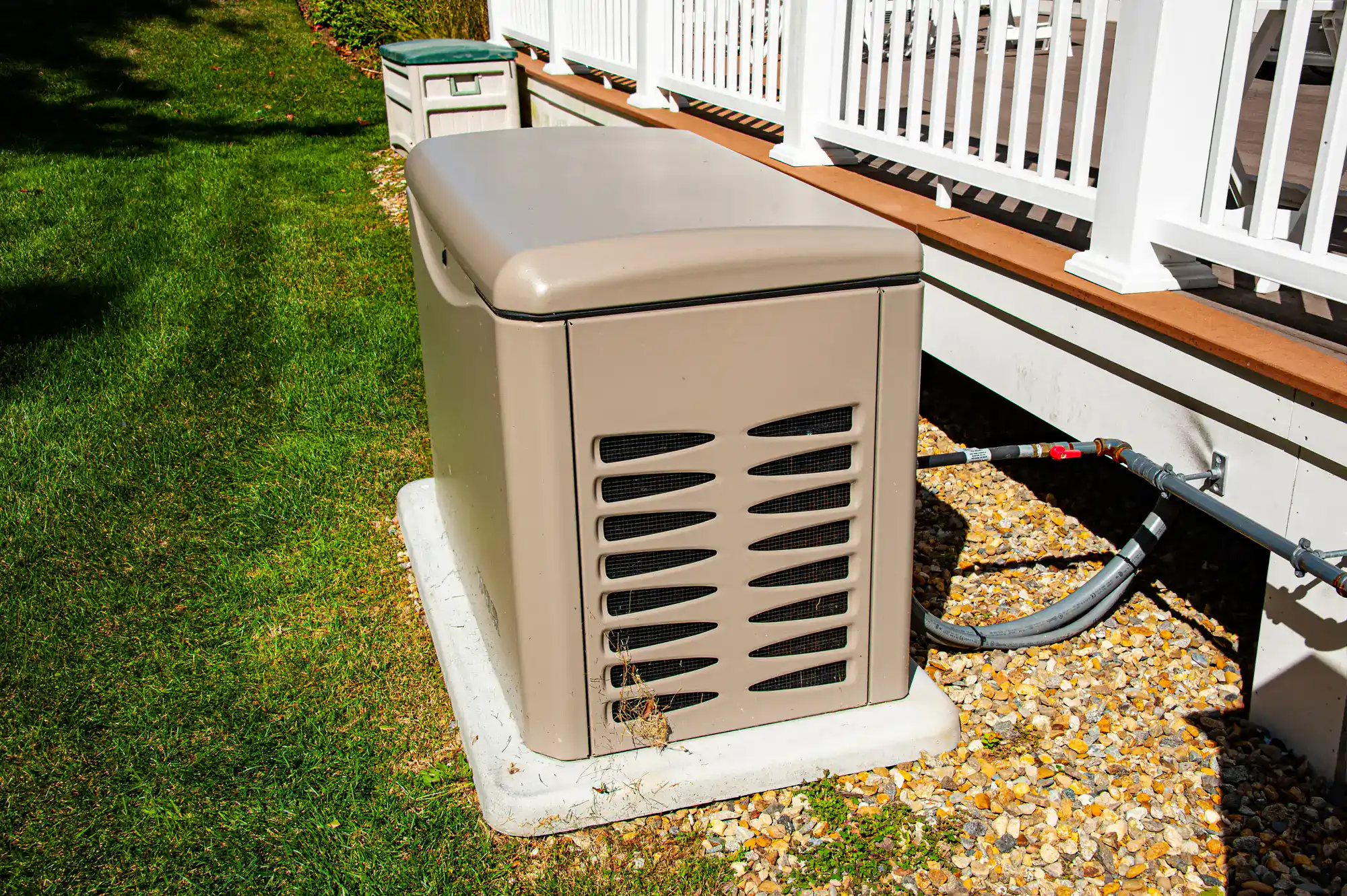
A beige standby generator sits on a concrete pad next to a house with white railing in RI, surrounded by grass and small rocks, with cables connected—installed by skilled electricians Providence County trusts.
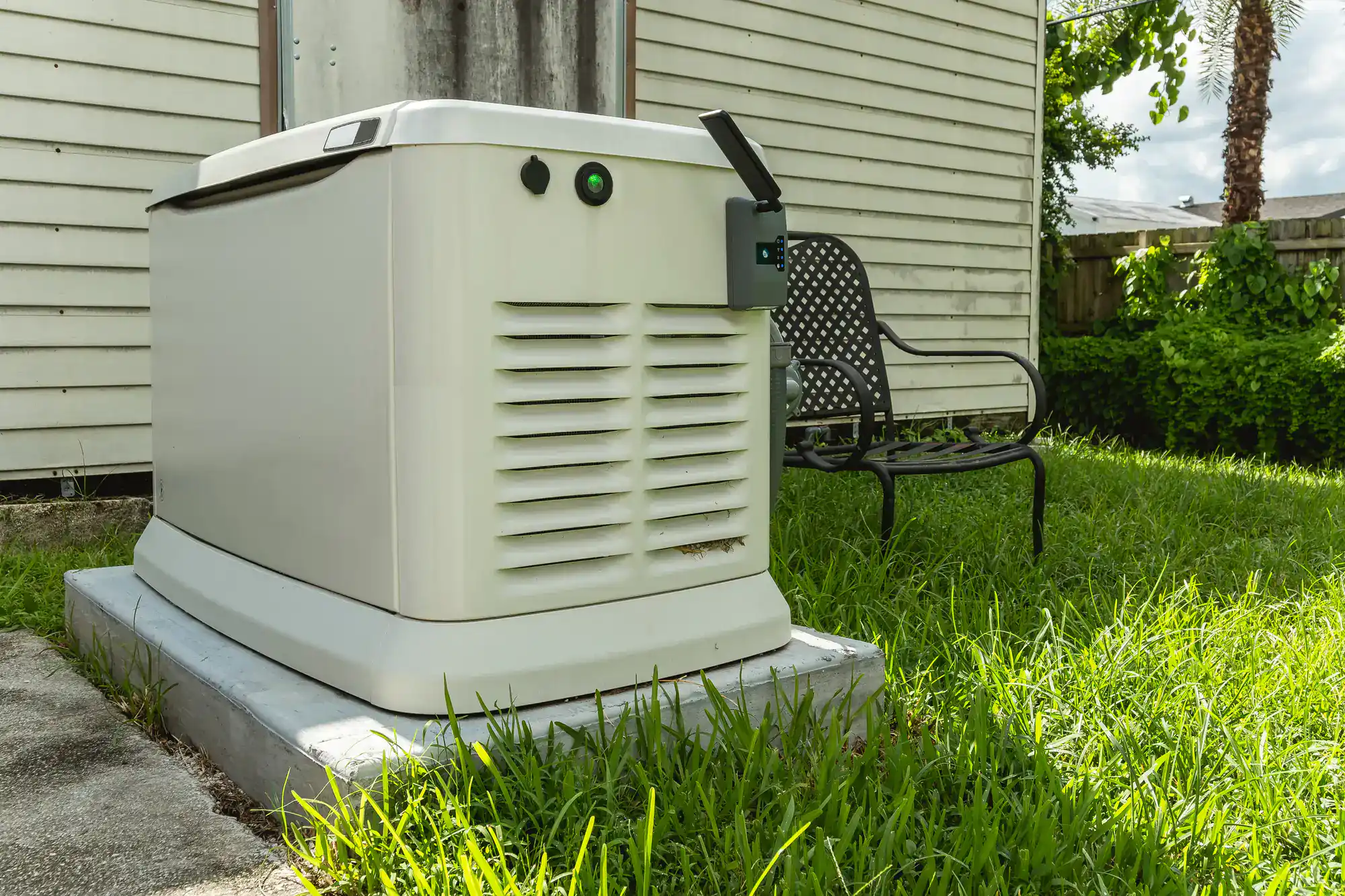
A standby home generator, installed by expert electricians in Providence County, RI, sits on a concrete pad next to a house with white siding, a metal outdoor bench, and green grass nearby.

Standby Generator Installation Warren RI

What You Get When the Power Goes Out

You’re not wondering if your basement is flooding. You’re not scrambling for flashlights or worrying about whether your medications are staying cold. Your heat stays on in January. Your AC runs in August. Your Wi-Fi doesn’t drop during a work call.

That’s what a properly installed standby generator does. It switches on automatically within seconds of an outage, runs the systems you need most, and keeps running until grid power comes back—whether that’s two hours or two days.

In Warren, where swift thunderstorms knocked out power for over 1,000 residents in northern neighborhoods and along Main Street and Metacom Avenue, that kind of protection isn’t theoretical. It’s the difference between riding out a storm at home or scrambling to find a hotel with availability.

Licensed Generator Electrician Warren

Licensed Electricians Who Handle the Whole Job

We’re a licensed electrical contractor serving Warren and the surrounding Rhode Island area. Our team is a proud member of the Rhode Island Electrical Inspectors IAEI Roger Williams Chapter and operates under the NFPA’s Certification Code of Ethics.

We handle home generator installation in Warren, RI from start to finish—permits, utility notifications, installation, inspection, and startup. You get one team, one point of contact, and a system that’s wired correctly and safely the first time.

Our work is insured, our pricing is straightforward, and our installations are built to last through the kind of weather Rhode Island throws at us year after year.

A person in RI pours green engine oil from a bottle into a blue funnel connected to a yellow portable generator, often used by electricians in Providence County, placed on a concrete surface outdoors.

Home Generator Install Warren RI Process

Here's How a Generator Installation Actually Happens

First, we come to your property and assess your electrical panel, fuel source, and the best location for the generator. We’ll talk through what you want to keep running during an outage—whole house or essential circuits—and size the system accordingly.

Once you approve the plan, we handle the paperwork. That includes pulling electrical permits, notifying the town, and coordinating with your utility company. You don’t chase down approvals or wait on hold with the permit office.

Then we install the generator. We set the unit on a concrete pad or gravel base, run the electrical connections to your panel through a transfer switch, and connect it to your natural gas line or propane tank. Everything is wired to code and inspected before we fire it up.

After installation, we test the system to make sure it starts automatically during a simulated outage, runs smoothly, and switches back to grid power when it’s restored. You’ll know exactly how it works before we leave.

An electrician wearing a hard hat and gloves installs or repairs electrical wiring connected to a wall-mounted control box outdoors—a common task for electricians in Providence County, RI, as he handles cables secured in black tubing.

Explore More Services

About Lightning Electric

Certified Generator Installer Warren

What's Included in a Generator Installation

You get a complete turnkey installation. That means the generator unit, transfer switch, concrete or gravel pad, all electrical wiring and connections, fuel line hookup, permits, inspections, and startup testing. We also provide a certificate of insurance upon request.

In Warren, we account for local conditions—coastal air that can corrode equipment if it’s not properly selected, and the need for installations that can handle the freeze-thaw cycles and heavy precipitation Rhode Island sees during winter and spring. We schedule most installations during milder months in spring or fall to avoid frozen ground and ensure proper concrete curing.

The systems we install are sized based on your actual load requirements, not guesswork. If you need to run your whole house, we’ll spec a generator that can handle it. If you just want to cover essentials like heat, refrigeration, and a few outlets, we’ll size it accordingly and save you money on equipment and fuel costs.

Generator installation cost in Warren, RI typically ranges from $6,000 to $11,000 depending on the size of the unit and complexity of the install. Larger whole-house systems can run higher. We price every job individually based on your specific setup and needs.

A white standby home generator sits on a concrete pad in a grassy backyard, surrounded by lush green trees and bushes—installed by expert electricians in Providence County, RI.

How long does a generator installation take in Warren, RI?

Most residential standby generator installations in Warren take one to two days once permits are approved and equipment arrives. The timeline depends on whether we’re connecting to an existing natural gas line or installing a new propane tank, how far the generator sits from your electrical panel, and whether we need to pour a new concrete pad.

Permitting and utility coordination usually add another week or two before we start the physical work. We handle all of that for you—pulling permits with the town, notifying National Grid, and scheduling inspections.

If you’re planning an install, spring and fall are the best times in Rhode Island. The ground isn’t frozen, concrete cures properly, and we’re not fighting extreme heat or winter weather during the installation.

It depends on what you want to keep running. If you’re covering essentials—furnace, refrigerator, a few lights, and some outlets—a 10-14 kW generator usually handles it. If you want to run your whole house including central air, electric range, and multiple appliances at once, you’re looking at 20-24 kW or larger.

We calculate the load based on your electrical panel and the circuits you want backed up. That gives us an accurate size recommendation instead of guessing. Oversizing wastes money on equipment and burns more fuel. Undersizing means the generator can’t handle the load when everything kicks on at once.

During the site visit, we’ll walk through your priorities and give you options. Some people want whole-house coverage. Others just want to make sure the heat and sump pump stay on. Both approaches work—it’s about what makes sense for your home and budget.

Yes. Any standby generator installation in Warren requires an electrical permit from the town and a final inspection before it can be legally operated. If you’re adding a propane tank, that may require a separate fuel permit as well.

You also need to notify National Grid before connecting a generator to your home’s electrical system. The utility needs to know there’s a transfer switch in place so your generator doesn’t backfeed power onto the grid during an outage, which is a serious safety hazard.

We handle all of that as part of the installation. We pull the permits, coordinate inspections, and submit notifications to the utility. You don’t have to deal with the town or wait on paperwork. Once everything passes inspection, your system is fully legal and ready to operate.

It can, but it depends on the size of the generator and how your transfer switch is set up. A whole-house generator is sized to handle your home’s full electrical load, which means everything runs just like it does on grid power—central air, electric dryer, range, outlets, lights, everything.

If you go with a smaller generator to save on upfront cost, you’ll use a load-management system or a manual transfer switch that only powers essential circuits. That typically covers heating and cooling, refrigerator, sump pump, some lights, and a few outlets. You won’t run the dryer or electric range, but you’ll stay comfortable and protected.

Most Warren homeowners go with the essential-circuits approach because it covers what actually matters during an outage without the cost of a 30+ kW unit. We’ll walk through both options during the estimate so you can decide what makes sense for your home and how you use power.

Residential generator installation in Warren generally runs between $6,000 and $11,000 for a standard setup with labor, equipment, and permits included. Larger whole-house systems with higher kilowatt ratings can push into the $13,500 to $16,500 range depending on the unit size and installation complexity.

The cost depends on the generator size, whether you’re connecting to natural gas or need a propane tank installed, how far we’re running electrical and fuel lines, and site-specific factors like grading or the need for a concrete pad.

We price each job individually after visiting your property and understanding your setup. That way you’re not paying for assumptions or getting surprised later. You’ll know exactly what the installation includes and what it costs before any work starts.

We provide generator repair services in Warren for systems we’ve installed and for units installed by other contractors. If your generator isn’t starting, isn’t switching on during an outage, or isn’t running smoothly, we’ll come out and diagnose the issue.

Most problems come down to a few common causes—dead battery, failed transfer switch, clogged fuel line, or a sensor issue. Our team has decades of experience troubleshooting and repairing generators, so we can usually identify the problem quickly and get your system back online without unnecessary parts or guesswork.

Regular maintenance helps avoid breakdowns in the first place. Generators need annual servicing—oil changes, filter replacements, battery checks, and test runs—to stay reliable. If your system hasn’t been serviced in a while, that’s usually the first thing we’ll recommend after a repair to keep it from failing again when you actually need it.

Other Services we provide in Warren