
Generator Installation in Swansea, MA

Power Back On Before You Notice It's Gone

Your home stays protected automatically when storms knock out power—no scrambling for flashlights, no spoiled food, no frozen pipes.
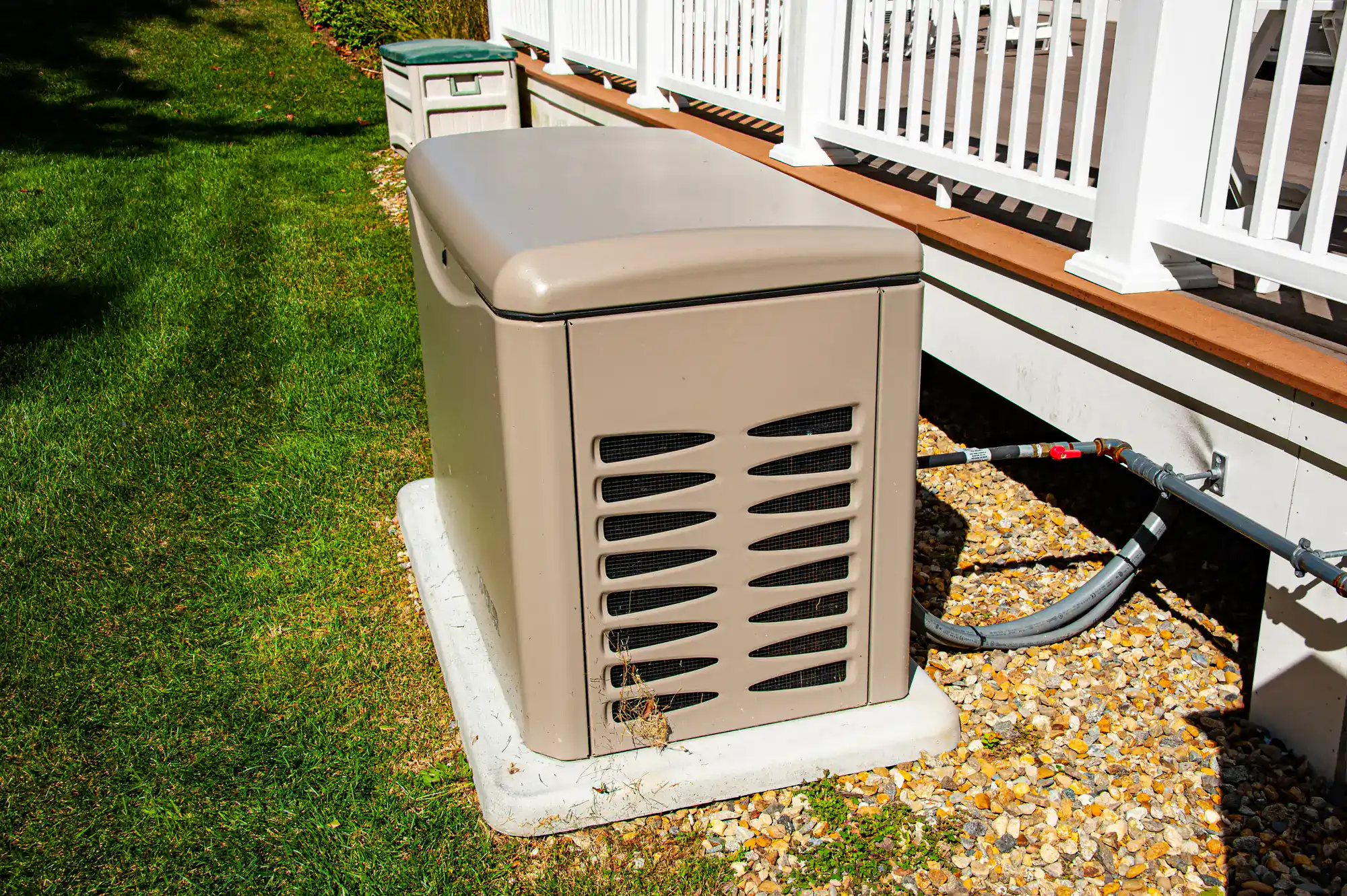
A beige standby generator sits on a concrete pad next to a house with white railing in RI, surrounded by grass and small rocks, with cables connected—installed by skilled electricians Providence County trusts.
A standby home generator, installed by expert electricians in Providence County, RI, sits on a concrete pad next to a house with white siding, a metal outdoor bench, and green grass nearby.

Home Generator Installation Swansea MA

What Backup Power Actually Does for You

When the next storm rolls through Swansea and takes down power lines, your generator kicks on within seconds. Your fridge keeps running. Your heat stays on. Your sump pump protects your basement.

You’re not dealing with hotel costs or replacing a freezer full of food. If you work from home or your kids do remote learning, nothing stops. Your routine continues like nothing happened.

A standby generator installation in Swansea, MA means you’re covered for the outages that last hours or days. The system connects directly to your home’s electrical panel and runs on natural gas or propane, so you’re not refilling anything or pulling cords in the rain. It just works.

Certified Generator Installer Swansea MA

Licensed Electricians Who Handle the Whole Job

We handle generator installations across Swansea with licensed electricians who know Massachusetts code requirements inside and out. We’re members of the Rhode Island Electrical Inspectors IAEI Roger Williams Chapter and follow NFPA standards on every job.

You’re not hiring someone who cuts corners or leaves you to figure out permits. We handle the site survey, equipment selection, permit applications, fuel line setup, electrical connections, and the official startup. Everything gets inspected and approved.

Swansea homeowners deal with storm-related outages regularly, especially during nor’easters and winter weather. We’ve seen what happens when power goes out for days—basement flooding, burst pipes, thousands in food loss. Our job is making sure that doesn’t happen to you.

A person in RI pours green engine oil from a bottle into a blue funnel connected to a yellow portable generator, often used by electricians in Providence County, placed on a concrete surface outdoors.

Generator Electrician Swansea MA Process

Here's How a Home Generator Install Actually Happens

First, we come to your property in Swansea and assess where the generator will sit, how it connects to your electrical panel, and what fuel source makes sense. Natural gas works if you’re already connected. Propane requires a tank, which we coordinate.

Next, we handle permits. Massachusetts requires electrical permits, gas or plumbing permits, and sometimes zoning approval depending on your property. We submit everything and make sure it’s approved before any work starts.

Then we install. The generator sits outside like an AC unit. We run the fuel line, wire it into your electrical system, and set up the automatic transfer switch that detects outages and switches your power source instantly. Once everything’s connected, we do an official startup, test the system, and walk you through how it operates.

After installation, the generator runs a self-test weekly to make sure it’s ready when you need it. You can monitor it remotely if you want that feature. We also offer maintenance plans that include annual inspections and priority service.

An electrician wearing a hard hat and gloves installs or repairs electrical wiring connected to a wall-mounted control box outdoors—a common task for electricians in Providence County, RI, as he handles cables secured in black tubing.

Explore More Services

About Lightning Electric

Standby Generator Installation Swansea MA

What's Included in Your Generator Installation

You get a complete turnkey setup. That means site evaluation, equipment recommendation based on your home’s power needs, all permit applications and approvals, delivery and placement of the generator, fuel line installation whether gas or propane, electrical connections to your panel, transfer switch installation, and the official startup with testing.

In Swansea, most homes need between 10kW and 22kW depending on square footage and what you want to power. Smaller units cover essentials like your fridge, furnace, and a few outlets. Larger whole-home systems keep everything running including AC, all appliances, and every room.

We stock maintenance kits and parts, so if something needs attention down the road, we’re not waiting on shipments. The generators we install are built to last 15-20 years with proper maintenance, and we make sure you understand what that maintenance looks like before we leave your property.

Costs for home generator installation in Swansea typically run between $5,000 and $12,000 depending on generator size, fuel type, and how much electrical or gas work your property requires. We price each job individually after the site visit so you know exactly what you’re paying for.

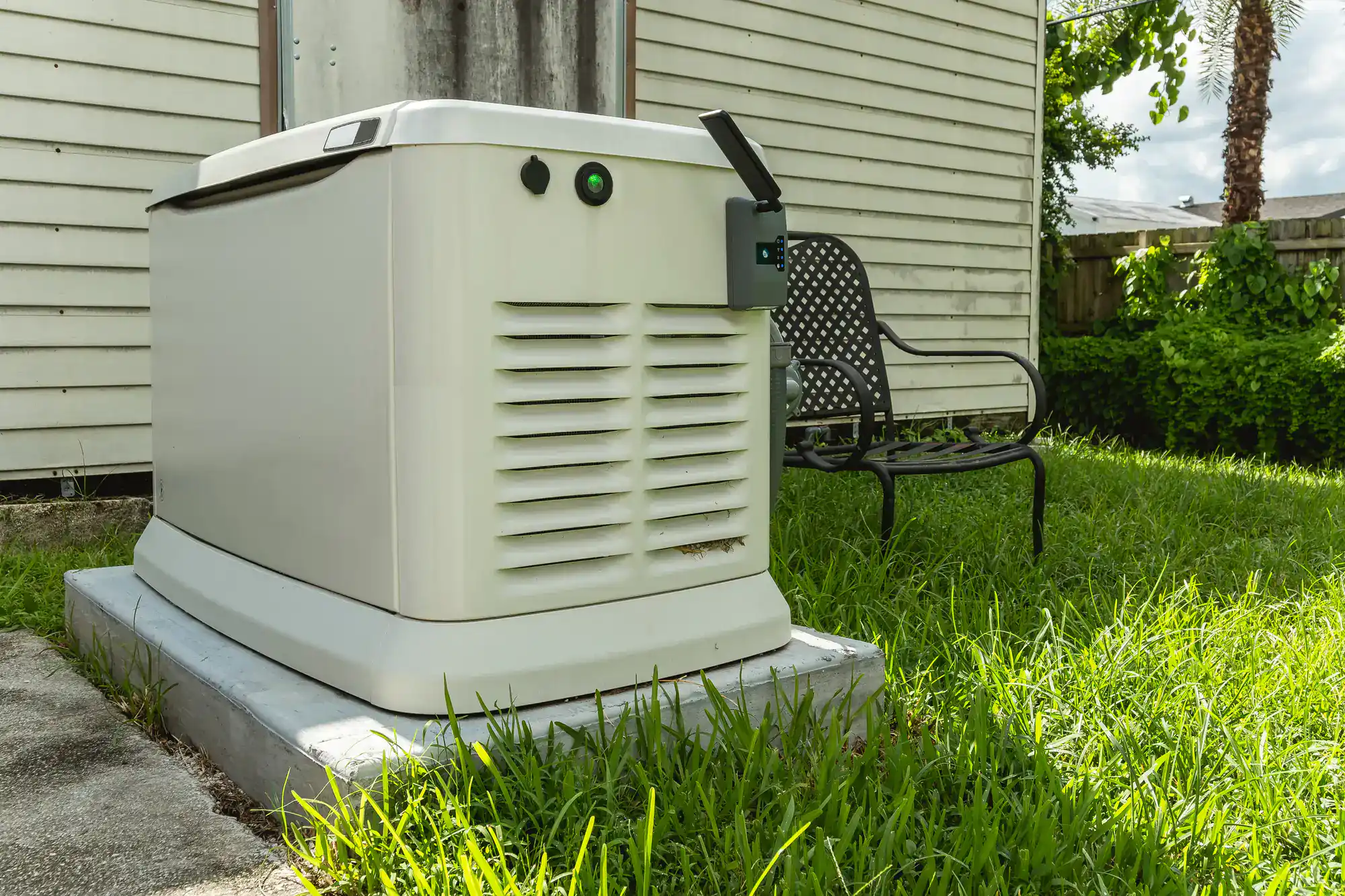
A white standby home generator sits on a concrete pad in a grassy backyard, surrounded by lush green trees and bushes—installed by expert electricians in Providence County, RI.

How long does generator installation take in Swansea, MA?

Most residential generator installations in Swansea take one to three days once permits are approved. The timeline depends on whether you need a propane tank installed, how far the generator sits from your electrical panel, and if any trenching is required for fuel or electrical lines.

Permit approval in Massachusetts usually takes one to three weeks depending on the town and time of year. We submit all permit applications and coordinate inspections, so you’re not chasing down approvals yourself.

If you’re in a rush because storm season is coming or you’ve already dealt with a bad outage, let us know upfront. We’ll prioritize your job and work with inspectors to move things along as quickly as code allows.

Yes. Massachusetts requires permits for generator installations, and Swansea follows state code. You’ll need an electrical permit since the generator connects to your home’s electrical system. You’ll also need a plumbing or gas permit if you’re running a new fuel line.

Some properties require zoning approval depending on where the generator sits relative to property lines or if you’re in a historic district. We handle all permit applications as part of the installation process.

Skipping permits isn’t just illegal—it voids your generator’s warranty and creates liability issues if something goes wrong. Inspectors check that the installation meets safety codes, which protects you and your property. We make sure everything is done right and documented properly.

It depends on what you want to power during an outage. A 10kW to 14kW generator typically covers essential items like your refrigerator, furnace, well pump if you have one, some lights, and a few outlets. That’s enough to keep you comfortable and safe without running your entire house.

If you want whole-home coverage including air conditioning, all appliances, and every room, you’re looking at 20kW to 24kW or higher depending on your home’s square footage. Larger homes or properties with high electrical demands may need 30kW or more.

We calculate your home’s power requirements during the site visit by looking at your electrical panel, discussing which systems matter most to you, and recommending a generator size that makes sense for your budget and needs. You’re not guessing or overpaying for capacity you don’t need.

If your home in Swansea already has natural gas service, that’s usually the easiest and most cost-effective option. The generator connects to your existing gas line, and you never have to worry about refilling a tank. Natural gas generators are common in neighborhoods with municipal gas service.

If you don’t have natural gas or your gas line can’t handle the additional load, propane works just as well. You’ll need a propane tank installed on your property, typically 250 to 500 gallons depending on generator size and how often you expect to use it. We coordinate tank delivery and setup.

Propane gives you fuel independence, which some homeowners prefer. Natural gas is more convenient if it’s already available. Both fuel types power the generator reliably, and modern standby units are designed to run efficiently on either option. We’ll recommend what makes the most sense for your property during the consultation.

Most home generator installations in Swansea run between $5,000 and $12,000 depending on the generator size, fuel type, and site-specific factors like how far we need to trench for fuel or electrical lines. Smaller units that cover essentials typically cost less. Whole-home systems with higher capacity cost more.

Permit fees in Massachusetts usually range from $75 to $400 depending on what’s required for your property. If you need a propane tank, that’s an additional cost, typically $500 to $2,000 depending on tank size and installation complexity.

We price every job individually after the site visit because no two properties are identical. You’ll get a detailed quote that breaks down equipment, labor, permits, and any additional work your installation requires. No surprises, no hidden fees. You know what you’re paying before we start.

Your generator runs a self-test every week to make sure it’s ready when you need it. That test cycle keeps the engine lubricated and checks that all systems are functioning. You don’t have to do anything—it happens automatically.

Once a year, the generator needs a maintenance visit. That includes an oil and filter change, air filter replacement, spark plug inspection, battery check, and a full system test to confirm everything operates correctly. This is similar to maintaining a car, and it’s what keeps your generator reliable for 15 to 20 years.

We offer maintenance plans that include annual service, priority response if something needs attention, and remote monitoring so we can catch issues before they become problems. You can handle maintenance yourself if you’re comfortable with small engine work, but most homeowners in Swansea prefer having a licensed electrician manage it. Skipping maintenance voids most warranties, so staying on schedule matters.

Other Services we provide in Swansea