
For over 30 years, we’ve powered Rhode Island with expert electrical services delivered with a personal touch. Discover our story and commitment to quality.
Contact Info
You’re not losing a weekend’s worth of groceries the next time a storm rolls through. Your sump pump keeps running. Your heat stays on in January. Your home office doesn’t go offline during a client call.
That’s what a standby generator installation in Richmond, RI actually does for you. It removes the anxiety that comes with every weather alert. No more wondering if this is the storm that knocks you out for three days like Tropical Storm Irene did to 300,000 Rhode Islanders back in 2011.
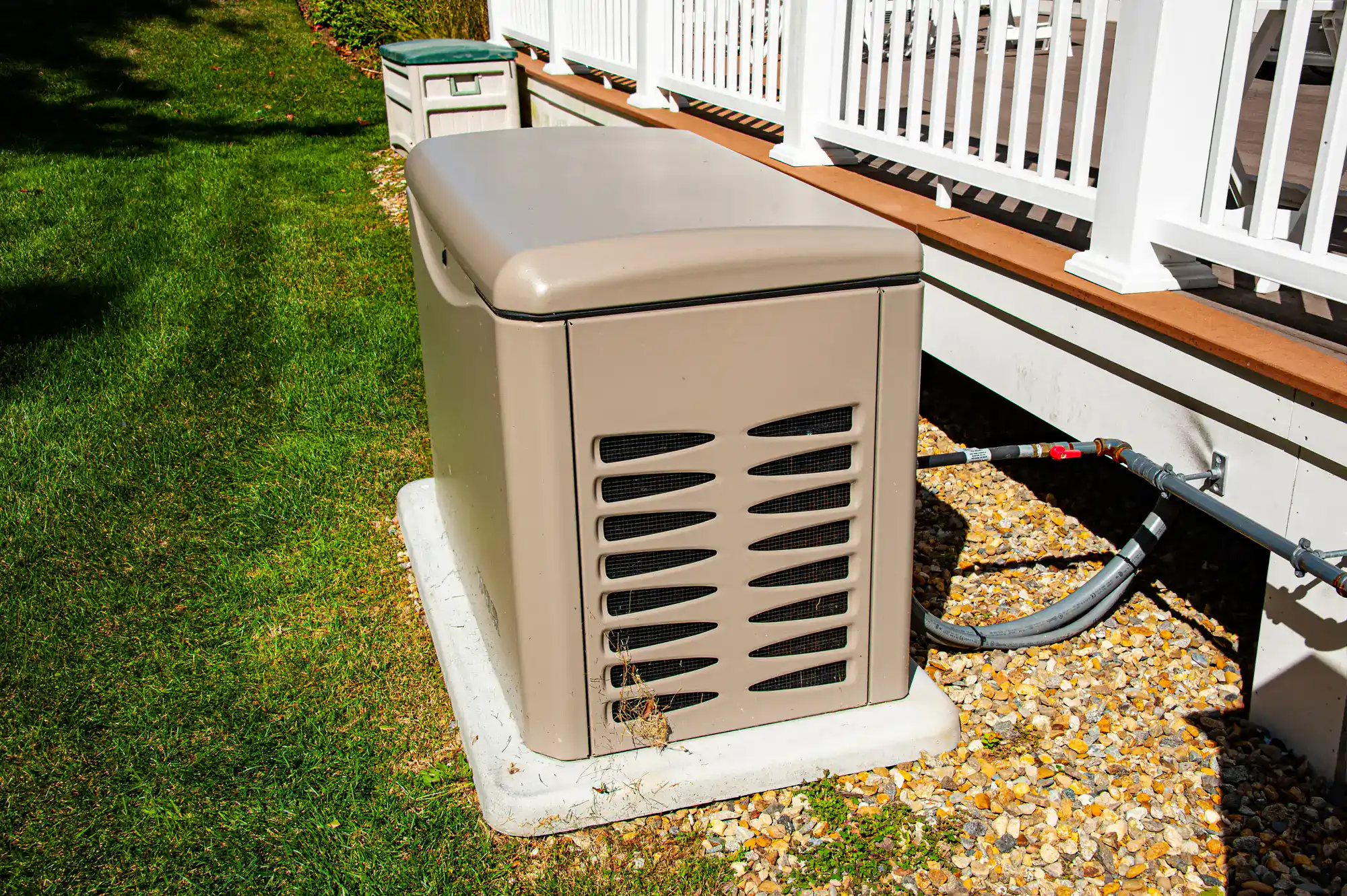
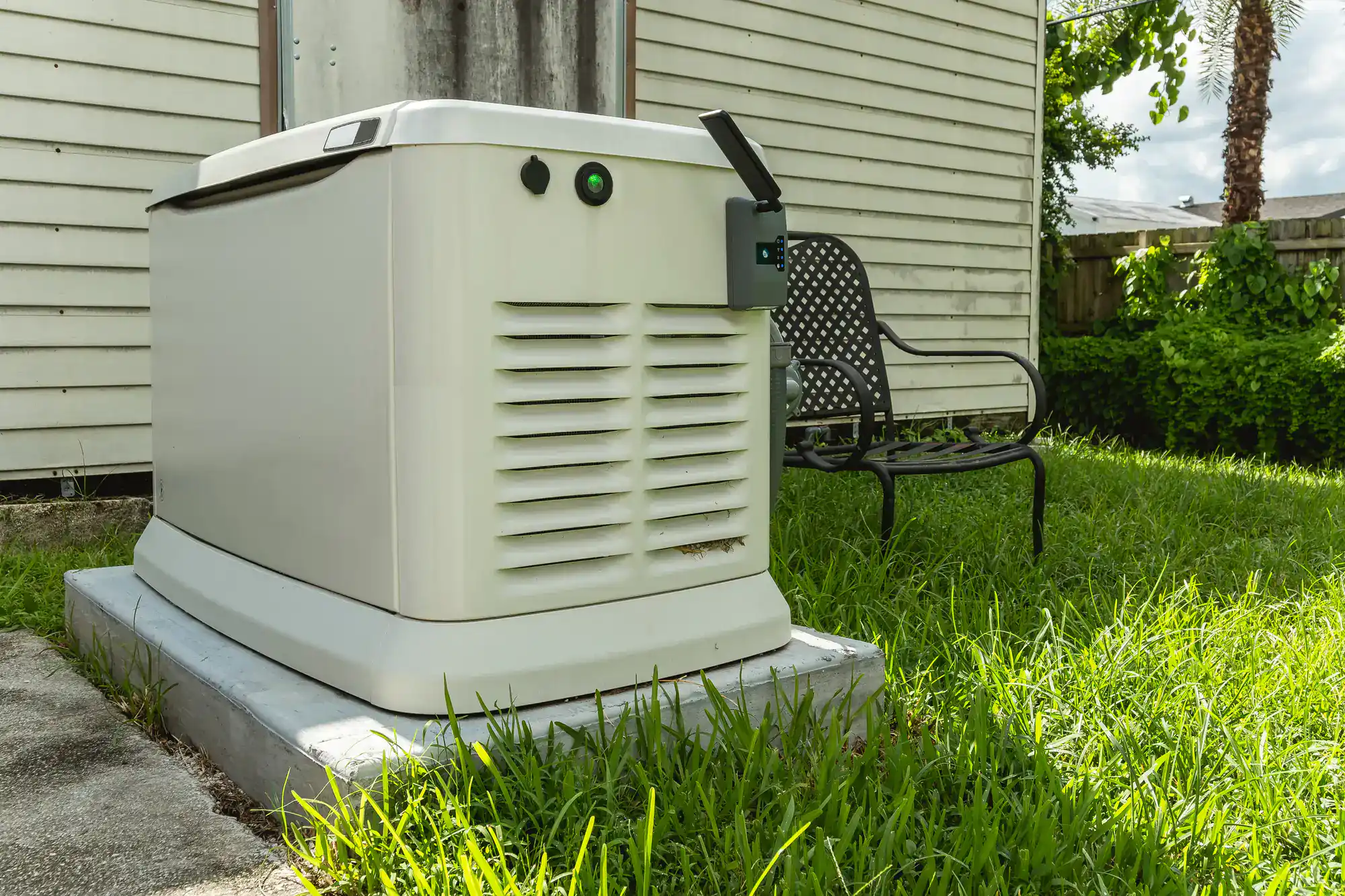
The generator sits outside like your AC unit. It runs on natural gas or propane. When the power drops, it kicks on automatically within seconds. You might not even notice the outage happened. Everything that matters to you keeps running until the grid comes back online.
We’ve been handling electrical work across Rhode Island for more than 30 years. We’re Master Electricians, fully licensed and insured, and members of the Rhode Island Electrical Inspectors IAEI Roger Williams Chapter. We’ve completed over 1,500 commercial projects, and we’re Generac certified.
That matters because generator installation isn’t just about setting a box outside. It’s about integrating backup power into your home’s electrical system safely and correctly. Richmond’s housing stock includes some of the highest-value homes in the state, and you need someone who understands what’s at stake.
We’ve been through every major storm that’s hit this area. We know how long outages last here. We know which circuits you actually need backed up and which ones you don’t. And we know how to get the job done right the first time.
First, we come to your property and assess your electrical panel, your fuel source, and where the generator will sit. We’re looking at your power needs—what you want backed up during an outage. Whole house or just essentials like heat, fridge, sump pump, and a few outlets. That determines the size of the unit.
Once you approve the plan, we handle the permitting and schedule the installation. A generator electrician in Richmond, RI has to pull the right permits and follow state electrical codes. We do that as part of the process.
On install day, we set the generator on a concrete pad outside, connect it to your fuel line, and wire it into your electrical system through a transfer switch. That switch is what allows the generator to power your home safely without backfeeding into the utility lines. We test everything, walk you through how it works, and make sure you’re comfortable with the system.
After that, the generator monitors your power 24/7. When it detects an outage, it starts automatically. When utility power returns, it shuts down and goes back to standby mode. You don’t touch anything.
Ready to get started?
You’re getting a Generac automatic standby generator installed by certified professionals who are licensed to do this work in Rhode Island. That includes the generator unit itself, a concrete pad for it to sit on, all the wiring and transfer switch installation, connection to your natural gas or LP fuel line, and full permitting and inspection coordination.
Richmond sits in an area that gets hit hard during coastal storms. You’re far enough inland to avoid the worst of the flooding, but close enough to the coast that you’re dealing with the same wind and power line damage everyone else sees. Rhode Island has declared 22 major disasters since 1953, and a huge percentage of those involved extended power outages. The Blizzard of ’78 left people without power for days. Irene did the same in 2011. More recently, nor’easters have knocked out power to over 42,000 customers at a time, with restoration taking up to three days in some areas.
A home generator installation in Richmond, RI is about making sure that when the next storm comes through, your family isn’t sitting in the dark waiting for the utility company to work through their repair list. You’re also protecting the investment you’ve made in your home. Burst pipes, spoiled food, flooded basements—those things add up fast when you lose power in the middle of winter.
Most residential standby generator installations take one to two days once we’re on site. The timeline depends on a few factors: the size of the generator, how far it sits from your electrical panel, whether we need to run a new gas line, and if there’s any prep work needed on your property.
Before we start the physical install, there’s a permitting process that usually takes a week or two depending on the town’s schedule. We handle that for you. Once permits are approved and the generator is delivered, we schedule the installation.
Day one usually involves setting the concrete pad, placing the generator, running the electrical connections, and installing the transfer switch. Day two is for final connections, testing, and making sure everything works the way it should. If it’s a straightforward install with easy access and existing fuel lines nearby, we can sometimes finish in a single day. We’ll give you a clear timeline during the initial assessment.
It depends on what you want to keep running during an outage. If you want whole-house coverage—every outlet, every appliance, central air, everything—you’re typically looking at a 22kW to 26kW generator for most Richmond homes. If you just want the essentials covered, you can get by with a smaller unit, usually in the 13kW to 16kW range.
Essentials typically include your heating system, refrigerator, a few lights, some outlets for phone chargers and devices, your sump pump if you have one, and maybe a garage door opener. That setup keeps you comfortable and functional without powering things you don’t really need during an outage, like central air or a second fridge in the basement.
We calculate the load during the site assessment by looking at your electrical panel and talking through your priorities. The goal is to size the generator correctly so you’re not overpaying for capacity you don’t need, but you’re also not undersized and stuck choosing between the heat and the fridge when the power goes out.
Yes, if you already have natural gas service to your home. That’s actually the easiest and most common fuel source for standby generators in Richmond. The generator ties into your existing gas line, so you never have to worry about refueling or running out during an extended outage.
We’ll check your gas meter and line size during the assessment to make sure it can handle the additional load from the generator. In most cases, residential gas lines are sized appropriately, but if yours isn’t, we’ll coordinate with the gas company to upgrade the meter or line. That’s not common, but it does happen occasionally with older homes or smaller service lines.
If you don’t have natural gas, the other option is liquid propane. You’d need a propane tank installed on your property—usually a 250-gallon or 500-gallon tank depending on the generator size and how long you want it to run between refills. Propane works just as reliably as natural gas. It’s just a matter of which fuel source you already have or prefer to use.
Yes. Any standby generator installation in Richmond, RI requires an electrical permit, and depending on the specifics of the job, you may also need a building or gas permit. Rhode Island takes electrical work seriously, and generator installations involve both your home’s electrical system and fuel connections, so permits are mandatory.
The good news is that we handle the permitting process for you. We pull the permits, submit the plans, coordinate inspections, and make sure everything is up to code before, during, and after the install. You don’t have to deal with the town or chase down paperwork.
Permits exist to make sure the work is done safely and correctly. A generator that’s wired improperly can backfeed power into utility lines and create serious safety hazards for line workers trying to restore power. The transfer switch and installation need to meet National Electrical Code standards, and the local inspector verifies that during the final inspection. We’re fully licensed, insured, and certified, so our work passes inspection the first time.
A professionally installed standby generator typically runs between $8,000 and $15,000 for most Richmond homes, depending on the size of the unit, the complexity of the installation, and what fuel source you’re using. Smaller generators on the lower end of the power range with straightforward installs come in closer to $8,000 to $10,000. Larger whole-house systems with more involved electrical or fuel line work can push toward $12,000 to $15,000 or more.
That price includes the generator itself, the transfer switch, all electrical and fuel connections, the concrete pad, permits, labor, and startup testing. If you need a propane tank installed or significant electrical panel upgrades, that adds to the cost.
It’s not a small investment, but consider what you’re protecting. Richmond has some of the highest home values in Rhode Island. A few days without power in the winter can lead to frozen pipes, water damage, and thousands of dollars in repairs. You’re also buying peace of mind for your family and keeping your home functional when storms knock out the grid for days at a time. We’ll give you a detailed quote after the site assessment so you know exactly what you’re paying for.
Generac recommends annual maintenance for standby generators, and that’s what we recommend too. Once a year, a technician should inspect the unit, change the oil and filters, check the battery, test the transfer switch, and run the generator under load to make sure everything works properly.
Most generators also run a self-test every week automatically. You’ll hear it kick on for about 10 to 15 minutes, usually at the same time each week. That’s normal. It’s exercising the engine and checking that it’s ready to go if the power drops. You don’t need to do anything during those tests.
Annual maintenance usually costs between $200 and $300 depending on the service provider and what’s included. It’s worth doing. A generator that sits for years without maintenance might not start when you actually need it. Keeping up with basic service ensures it’s ready to run when the next storm hits. We offer maintenance services for generators we install, and we can also service units installed by other companies if you need that.