
Generator Installation in Providence, RI

Power When You Need It Most

Your home stays protected during Providence’s frequent storms and outages with professionally installed standby generator systems that start automatically within seconds.
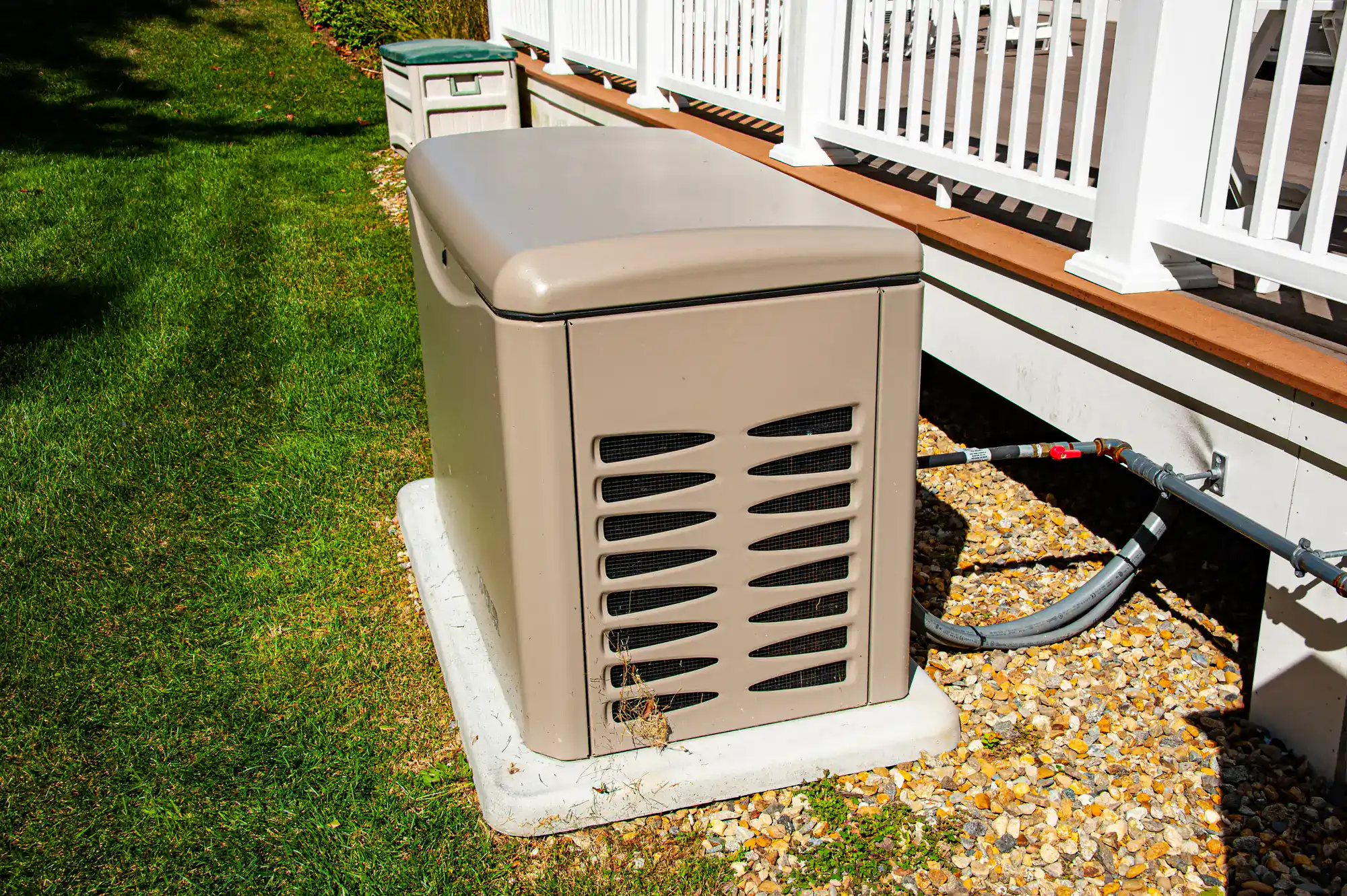
A beige standby generator sits on a concrete pad next to a house with white railing in RI, surrounded by grass and small rocks, with cables connected—installed by skilled electricians Providence County trusts.
A standby home generator, installed by expert electricians in Providence County, RI, sits on a concrete pad next to a house with white siding, a metal outdoor bench, and green grass nearby.

Home Generator Installation Providence, RI

What Backup Power Actually Means for You

You’re not worrying about your basement flooding because the sump pump died. Your refrigerator keeps running, your food stays fresh, and you’re not throwing away hundreds of dollars of groceries after a three-day outage.

Your family stays comfortable. Heat in winter, cooling in summer, lights when you need them. If someone in your household depends on medical equipment, that equipment keeps working without you scrambling for solutions at 2 AM during a storm.

Your daily routine continues. You can work from home during outages, your kids can finish homework, and you’re not sitting in the dark wondering when power will return. Providence sees regular weather events that knock out power—last winter left over 15,000 customers without electricity in the Cranston and Providence area alone. A standby generator installation in Providence, RI means you’re ready before the next storm hits.

Certified Generator Installer Providence, RI

Three Decades Installing Generators Right

We’ve been handling electrical work in Rhode Island for over 30 years. We’re an authorized Generac dealer, which means we install the equipment correctly and you get manufacturer support when you need it.

We’re members of the Rhode Island Electrical Inspectors IAEI Roger Williams Chapter and follow NFPA certification standards. That’s not marketing language—it means your home generator installation in Providence, RI gets done to code, with proper permits, and passes inspection the first time.

We’ve completed more than 1,500 commercial projects across the region. Businesses trust us because we show up, do the work properly, and don’t disappear when there’s a problem. You get the same approach whether we’re installing a standby generator for your home or handling a commercial generator installation in Providence, RI.

A person in RI pours green engine oil from a bottle into a blue funnel connected to a yellow portable generator, often used by electricians in Providence County, placed on a concrete surface outdoors.

Generator Electrician Providence, RI

Here's What Happens During Your Installation

We start with a consultation at your property. You tell us what you need to keep running during an outage—whole house or just essentials like heat, refrigeration, and medical equipment. We look at your electrical panel, fuel source options, and where the generator will sit.

You’ll get a clear quote that includes the generator, automatic transfer switch, installation labor, permits, and any electrical work needed to connect everything properly. No surprises later.

Once you approve, we handle the permits and schedule installation. The generator gets mounted on a concrete pad outside your home. We install the transfer switch near your electrical panel, run the fuel line (natural gas or propane), and connect everything according to manufacturer specs and local code.

We test the system to make sure it starts automatically when power drops and switches back when utility power returns. You get a walkthrough of how everything works, and we schedule your first maintenance check. The whole process typically takes one to two days depending on your setup.

An electrician wearing a hard hat and gloves installs or repairs electrical wiring connected to a wall-mounted control box outdoors—a common task for electricians in Providence County, RI, as he handles cables secured in black tubing.

Explore More Services

About Lightning Electric

Standby Generator Installation Providence, RI

What You're Actually Getting Installed

Your standby generator installation in Providence, RI includes the generator unit sized for your home’s needs—usually between 10kW and 24kW for residential properties. Commercial generator installations run larger depending on your facility requirements.

The automatic transfer switch is critical. It monitors your utility power and signals the generator to start within seconds of detecting an outage. When grid power returns, it switches you back and returns the generator to standby mode. You don’t touch anything.

We run the fuel line from your natural gas meter or propane tank to the generator. Natural gas is common in Providence and means you never worry about refueling. Propane works if you’re outside gas service areas or want fuel independence.

All electrical connections get made to code. We pull permits through the city, and your installation gets inspected. Rhode Island weather is hard on equipment—winter storms, coastal humidity, summer heat. We use corrosion-resistant components and proper ventilation so your system holds up.

You’ll also get a maintenance schedule. Generators need annual service—oil changes, battery checks, system tests. Regular maintenance means your generator starts when you actually need it, not just during the test cycle.

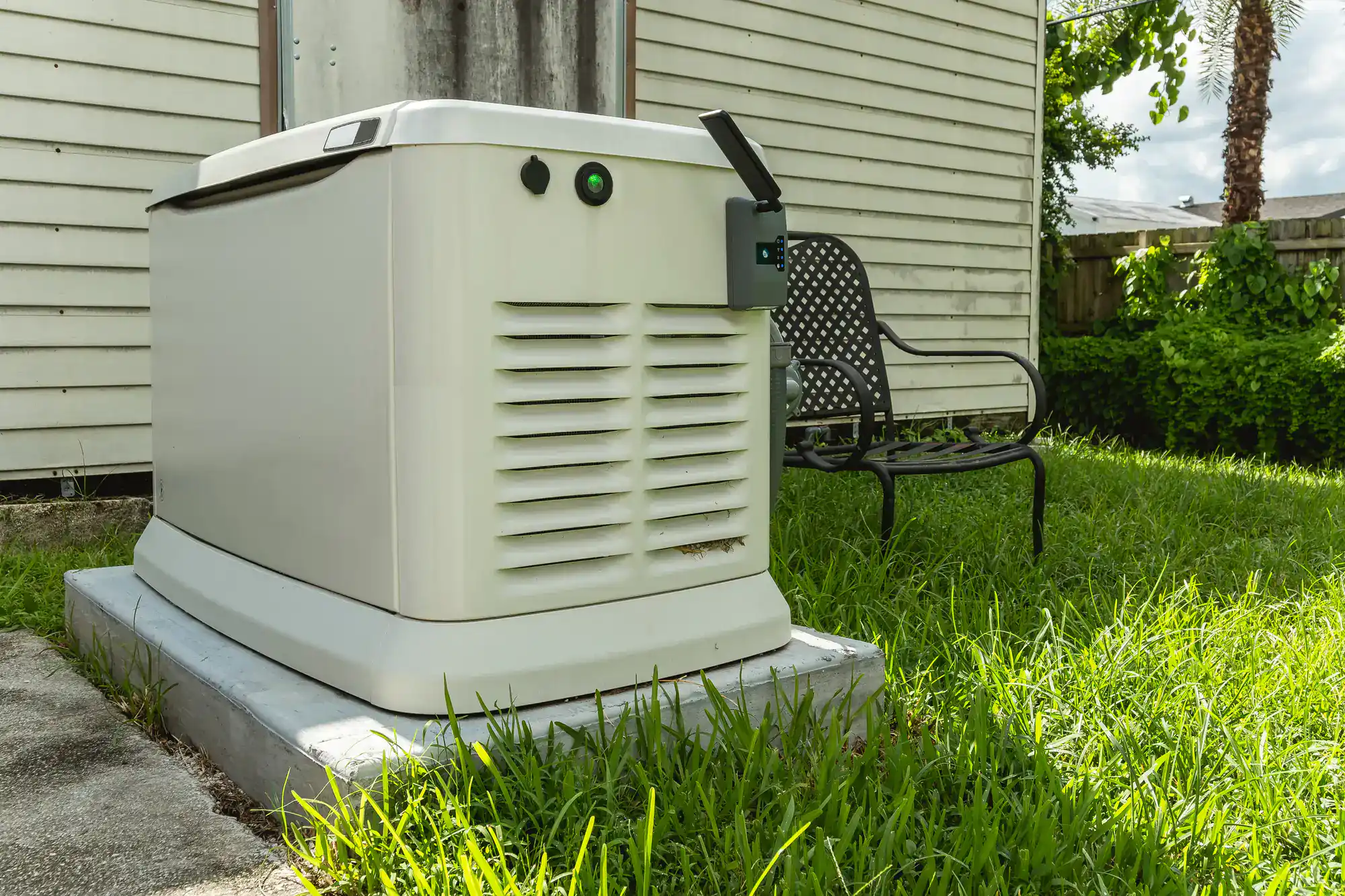
A white standby home generator sits on a concrete pad in a grassy backyard, surrounded by lush green trees and bushes—installed by expert electricians in Providence County, RI.

How much does a generator installation cost in Providence, RI?

You’re looking at $13,500 to $16,500 for a complete home generator installation in Providence, RI. That includes the generator unit, automatic transfer switch, installation labor, and basic electrical connections.

The price moves based on generator size and your specific setup. A 10kW unit that powers essentials costs less than a 24kW system running your whole house. If your electrical panel needs upgrades or we’re running a longer fuel line, that adds cost.

Permits run a few hundred dollars in Providence. If you need propane tank installation or natural gas line work, factor that in separately. Rocky terrain or difficult access can increase labor time. We price each job individually after seeing your property because your situation determines the real cost, not an average number from the internet.

Most residential standby generator installations in Providence, RI take one to two days. Day one covers the concrete pad, generator placement, transfer switch installation, and fuel line connection. Day two handles final electrical work, testing, and inspection.

Weather can delay outdoor work. We’re not pouring concrete in freezing temperatures or mounting equipment in heavy rain. Permit approval adds time before we start—usually a week or two depending on the city’s schedule.

Commercial generator installations take longer. Larger units, more complex electrical integration, and additional permitting requirements mean three to five days for most commercial projects. If you need installation fast because storm season is coming, talk to us early. Spring and fall are ideal for scheduling because weather cooperates and we’re not backed up with emergency calls from the latest outage.

It depends on the generator size you install and what you want running. A properly sized whole house generator can power everything—HVAC, kitchen appliances, lights, outlets, garage doors, the works.

Most Providence homeowners choose between whole house coverage and essential circuits. Whole house means a larger generator (18kW to 24kW typically) and higher upfront cost. Essential circuits mean a smaller unit (10kW to 14kW) powering heat, refrigeration, some lights, and critical outlets. You save money and fuel consumption.

Your electrical panel and home size determine what’s realistic. We calculate your load requirements during the consultation—what draws power, what runs simultaneously, and what your priorities are during an outage. A 2,000 square foot home with gas heat needs less generator capacity than a 4,000 square foot home with electric heat and central air. We size the system so it handles your actual needs without paying for capacity you won’t use.

Yes. Providence requires electrical permits for standby generator installations, and the work needs inspection before you can legally operate the system. We handle the permit application as part of your installation.

The permit process ensures your generator installation meets National Electrical Code and local Providence requirements. The inspector checks generator placement, fuel line connections, transfer switch installation, and electrical panel work. This protects you—improper installation creates fire hazards and carbon monoxide risks.

Your homeowner’s insurance may require permitted installation. If you file a claim related to generator operation and the system wasn’t permitted or inspected, you could face coverage issues. We pull permits for every generator installation in Providence, RI because it’s required, it’s safer, and it protects your investment. The permit cost is built into your installation quote, and we schedule the inspection once work is complete.

Your generator needs annual professional maintenance to stay reliable. That includes oil and filter changes, battery inspection and replacement if needed, air filter replacement, and full system testing under load.

Generators also need exercise. Most units run a self-test weekly for 10-15 minutes to keep components lubricated and the battery charged. You’ll hear it run—that’s normal and necessary. Between professional service visits, you should check for obvious issues like leaks, debris around the unit, or error codes on the display.

Rhode Island’s coastal climate is tough on equipment. Salt air causes corrosion, humidity affects electrical connections, and temperature swings stress components. Regular maintenance catches small problems before they become failures during an actual outage. We see generators that haven’t been serviced in years—they don’t start when power goes out, which defeats the entire purpose of having backup power. Annual service runs a few hundred dollars and means your system works when you need it.

Legally, no. Rhode Island requires licensed electricians to install standby generators, and Providence won’t issue permits for DIY generator installations. Even if you have electrical experience, the permit and inspection requirements make self-installation impractical.

There are good reasons for this. Generator installation involves gas line or propane connections, electrical panel integration, transfer switch wiring, and load calculations. Mistakes create serious hazards—gas leaks, improper grounding, backfeeding power to utility lines, carbon monoxide poisoning from poor placement.

Your generator also needs proper placement. It can’t sit too close to windows, doors, or air intakes. It needs clearance for ventilation and service access. The concrete pad must be level and properly sized. The automatic transfer switch requires precise wiring so it doesn’t energize the wrong circuits. A certified generator installer in Providence, RI knows these requirements and gets the work done correctly the first time. You also get manufacturer warranty coverage, which typically requires professional installation by an authorized dealer.

Other Services we provide in Providence