
Generator Installation in North Providence, RI

Power That Stays On When Everything Else Goes Dark

Your home keeps running through every outage—automatically, reliably, without you lifting a finger or scrambling for fuel in the middle of a storm.
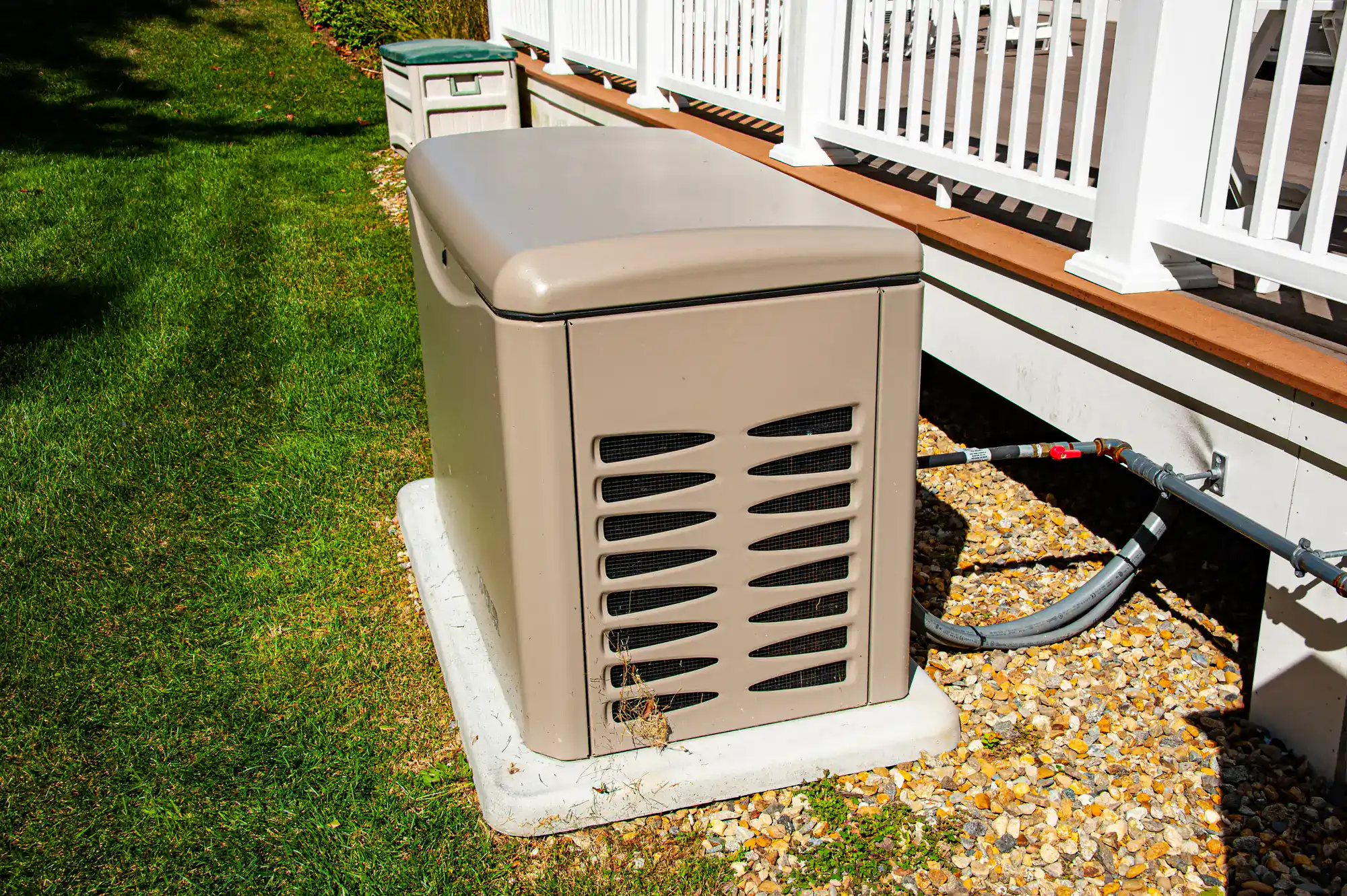
A beige standby generator sits on a concrete pad next to a house with white railing in RI, surrounded by grass and small rocks, with cables connected—installed by skilled electricians Rhode Island trusts.
A standby home generator, installed by expert electricians in Rhode Island, sits on a concrete pad next to a house with white siding, a metal outdoor bench, and green grass nearby.

Standby Generator Installation North Providence

What Happens When Your Power Actually Stays On

You’re not throwing away a fridge full of groceries after the next storm. Your sump pump keeps your basement dry even when the grid goes down. Your heat stays on through February ice storms, and you’re not booking a hotel because you can’t shower.

North Providence sees its share of weather. Nor’easters, ice, wind—Rhode Island regularly leads the state in outage numbers, sometimes hitting over 40,000 customers in a single event. A standby generator installation means you’re not one of them.

The generator kicks on within seconds of losing power. No extension cords. No refueling in the dark. No wondering if your pipes are going to freeze while you’re at work. Everything you need keeps running, and you don’t have to think about it.

Certified Generator Installer North Providence

Licensed Electricians Who've Done This for 30 Years

We’ve been doing electrical work across Rhode Island since before standby generators were standard in most neighborhoods. We’re not new to this, and we’re not learning on your property.

We’re a certified Generac dealer with Master Electricians on staff. That means we handle the full installation—electrical, gas, permitting, inspection—and it’s done to code the first time. You’re not dealing with a handyman who watched a YouTube video.

We’ve completed over 1,500 commercial projects and countless residential generator installations throughout North Providence and the surrounding area. This is what we do, and we do it right.

A person in RI pours green engine oil from a bottle into a blue funnel connected to a yellow portable generator, often used by electricians in Rhode Island, placed on a concrete surface outdoors.

Home Generator Installation Process North Providence

Here's What Actually Happens During the Install

First, we come out and assess your property. We’re looking at your electrical panel, your fuel source (natural gas or propane), and where the generator should sit. Placement matters—you need proper clearance, drainage, and access for maintenance.

Once we’ve sized the generator correctly for your home’s load, we handle the permits and schedule the install. On install day, we set the generator on a concrete pad or composite base, run the electrical connections to your panel through a transfer switch, connect the fuel line, and test the whole system. The transfer switch is what makes it automatic—it detects the outage and signals the generator to start.

After everything’s running, we walk you through how it works and what to expect. Then we coordinate the final inspection. You’re not left guessing how anything operates, and you’re not dealing with the town on your own.

An electrician wearing a hard hat and gloves installs or repairs electrical wiring connected to a wall-mounted control box outdoors—a common task for electricians in Rhode Island, as he handles cables secured in black tubing.

Explore More Services

About Lightning Electric

Generator Electrician Services North Providence

What's Included in a Proper Generator Setup

A home generator install isn’t just dropping a unit on your lawn and plugging it in. You need a licensed electrician for generator installation who understands load calculations, transfer switches, and local codes.

We size the generator based on what you actually need to run—not just what sounds good in a sales pitch. That includes essentials like your heating system, refrigerator, sump pump, and a few outlets. If you want whole-home coverage, we’ll set that up too, but most people don’t need to power every light and outlet to stay comfortable during an outage.

In North Providence, you’re also dealing with winter weather and humidity. We account for snow load, wind exposure, and drainage so your generator doesn’t flood or get buried. Rhode Island winters are tough on equipment, and placement makes a difference in how well your system holds up over 20+ years.

We also handle commercial generator installation for businesses that can’t afford downtime. Whether it’s a medical office, retail location, or facility with refrigeration, the process is similar—just scaled up with more complex electrical and permitting requirements.

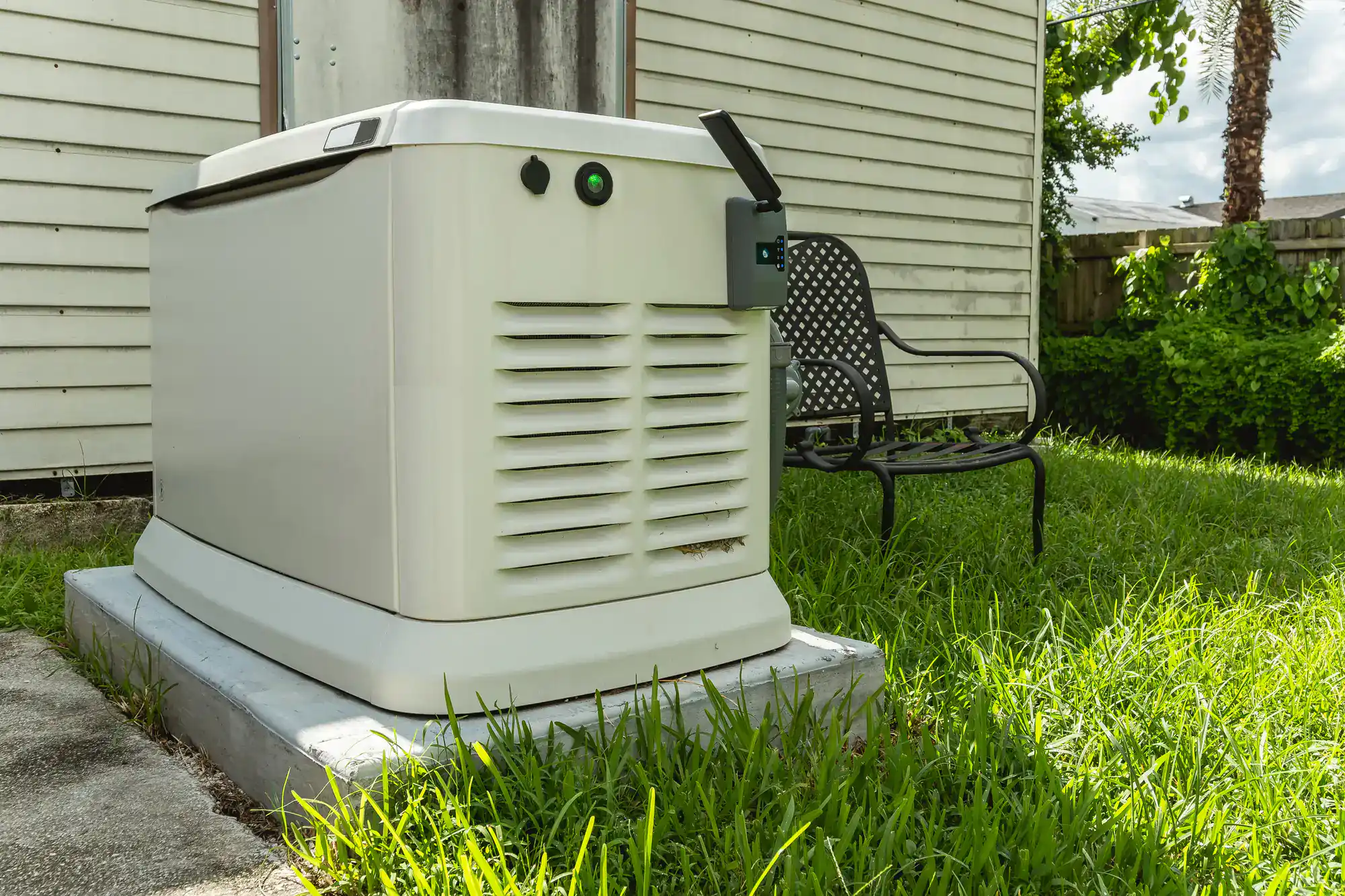
A white standby home generator sits on a concrete pad in a grassy backyard, surrounded by lush green trees and bushes—installed by expert electricians in Rhode Island.

How long does a generator installation take in North Providence?

Most residential standby generator installations take one to two days once permits are in hand. The actual install day involves setting the generator, running electrical and fuel lines, installing the transfer switch, and testing the system.

Permitting and scheduling with the town can add a week or two depending on the time of year. We handle that process, so you’re not sitting on hold with the building department.

If there are complications—like needing to upgrade your electrical panel or run a longer gas line—it might take an extra day. But for a standard home generator install on an existing gas line with a panel that’s up to code, you’re looking at a pretty quick turnaround once we’re on site.

It depends on what you want to keep running during an outage. Most homes in North Providence do fine with a 16-22 kW generator if you’re covering essentials: heating or cooling, refrigerator, sump pump, some lights, and a few outlets.

If you want true whole-home coverage—every appliance, every outlet, central air—you’re looking at 24 kW or higher. But that’s overkill for a lot of people, and it costs more upfront and in fuel every time it runs.

We calculate your load during the site visit. We’re looking at your panel, what circuits matter most, and whether you have electric or gas heat. That tells us exactly what size generator you need without overselling you on capacity you’ll never use. The goal is reliable backup power, not powering your neighbor’s house too.

No. That’s the whole point of a standby generator installation—it’s automatic.

When the power cuts out, the transfer switch detects it within seconds and signals the generator to start. The generator kicks on, warms up for a few seconds, and then the transfer switch moves your home’s load from the grid to the generator. You’ll notice a brief flicker, and then everything’s back on.

When utility power is restored, the system switches back to the grid and the generator shuts down on its own. You don’t flip a switch, you don’t go outside, you don’t do anything. It just works. That’s especially useful if you’re not home when the outage hits—your sump pump and heat keep running whether you’re there or not.

For a complete standby generator installation, you’re typically looking at $5,000 to $15,000 depending on the size of the generator, how far we need to run gas or electrical lines, and whether your panel needs any upgrades.

A smaller unit for essentials-only backup will be on the lower end. A larger whole-home generator with more complex electrical work will cost more. If you need a propane tank installed or a significant gas line extension, that adds to the total.

We price every job individually because no two homes are the same. We’re not giving you a quote over the phone based on guesses—we come out, assess your property, and give you an accurate number based on what your home actually needs. That way you’re not surprised later, and you’re not paying for work that didn’t need to happen.

Standby generators need annual maintenance to stay reliable. That includes changing the oil and filters, replacing spark plugs, checking the battery, and running the system under load to make sure everything works when you actually need it.

Most manufacturers recommend servicing once a year, or every 200 hours of run time—whichever comes first. If you skip maintenance, you risk the generator failing during an outage, which defeats the whole purpose of having one.

We offer maintenance services for the generators we install, and we can service units installed by others as long as they’re up to code. A typical service visit takes about an hour. It’s a small cost compared to replacing a generator early or dealing with a failure during a winter storm when every HVAC and generator tech in Rhode Island is booked solid.

No. Standby generator installation requires a licensed electrician in Rhode Island, and it’s not a DIY project even if you’re handy.

You’re dealing with high-voltage electrical connections, transfer switches, gas line work, and local permitting. If any of that’s done wrong, you’re looking at a fire hazard, a failed inspection, or a generator that doesn’t work when you need it. Your homeowner’s insurance might also deny a claim if an unlicensed person did the install.

The town of North Providence requires permits and inspections for generator installations. That means a licensed professional has to pull the permit, do the work to code, and schedule the final inspection. Trying to skip that process doesn’t save you money—it costs you more when you have to pay someone to fix it and bring it up to code later.

Other Services we provide in North Providence