
For over 30 years, we’ve powered Rhode Island with expert electrical services delivered with a personal touch. Discover our story and commitment to quality.
Contact Info
You’re not sitting in the dark wondering when the lights come back. Your generator kicks on automatically within seconds. The heat stays running, the refrigerator keeps going, your sump pump doesn’t quit.
If someone in your house uses a CPAP machine or oxygen concentrator, they’re not scrambling for alternatives at 2 a.m. If you work from home, your internet doesn’t drop mid-meeting. Your basement doesn’t flood because the sump pump died halfway through a Nor’Easter.
Rhode Island ranks 5th in the country for power outage frequency. Narragansett sits right on the coast, which means you’re dealing with hurricane season, winter storms, and storm surges that have hit 9 feet in recent years. The question isn’t if you’ll lose power—it’s how long you’ll be without it, and what that costs you in food, comfort, safety, and sanity.
A standby generator installation in Narragansett, RI means you don’t wait for the utility company. You don’t lose hundreds of dollars in groceries. You don’t deal with frozen pipes or flooded basements because your systems shut down.
We’ve been handling electrical work in Rhode Island for over 30 years. We’re licensed, we’re insured, and we’re members of the Rhode Island Electrical Inspectors IAEI Roger Williams Chapter. That’s not marketing talk—it’s verification that we follow code, stay current, and do the work right.
We’ve installed home generator systems throughout Narragansett, from the Pier to Bonnet Shores. We know what coastal weather does to electrical systems. We know the local permitting process, the inspection requirements, and what actually holds up when the wind picks up and the power goes out.
You’re not getting a crew that learned about generators last month. You’re working with electricians who’ve been doing this long enough to know what works, what doesn’t, and how to install a system that runs when you need it most.
First, we come out to your property and assess what you actually need. That means looking at your electrical panel, figuring out what you want to keep running during an outage, and determining the right size generator. Not the biggest one we can sell you—the right one for your home and your budget.
Once we’ve sized the system, we handle the permits. Then we install the generator pad, run the gas line or propane connection, wire it into your electrical system, and install the automatic transfer switch. That’s the piece that detects when your power goes out and switches you over to generator power in under 10 seconds.
After installation, we test the system to make sure everything fires up correctly. We walk you through how it works, what to listen for, and when to schedule maintenance. Then we handle the final inspection with the town.
The whole process typically takes one to two days depending on your setup. You’ll know the timeline before we start, and we don’t leave until everything’s working the way it should.
Ready to get started?
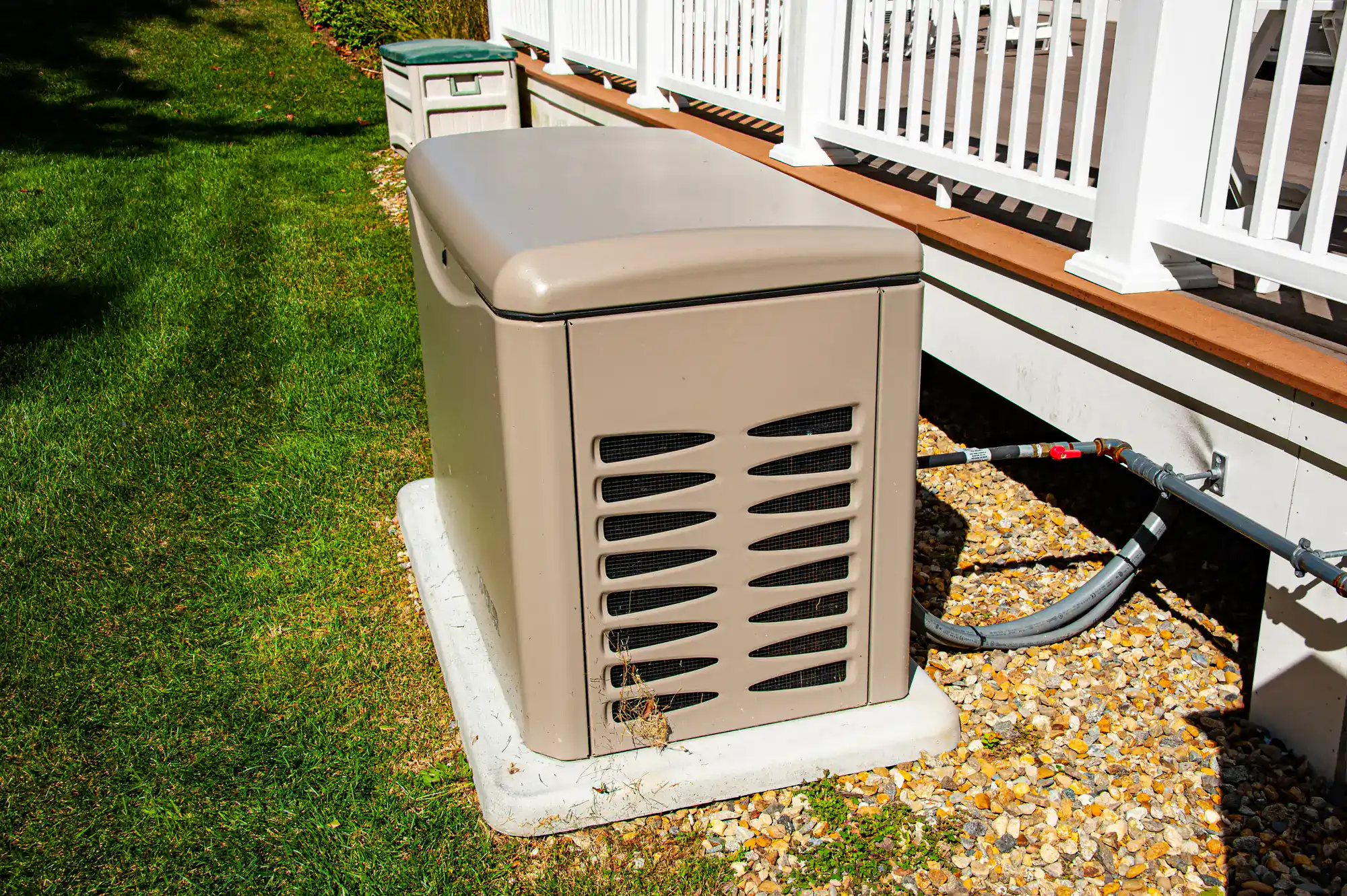
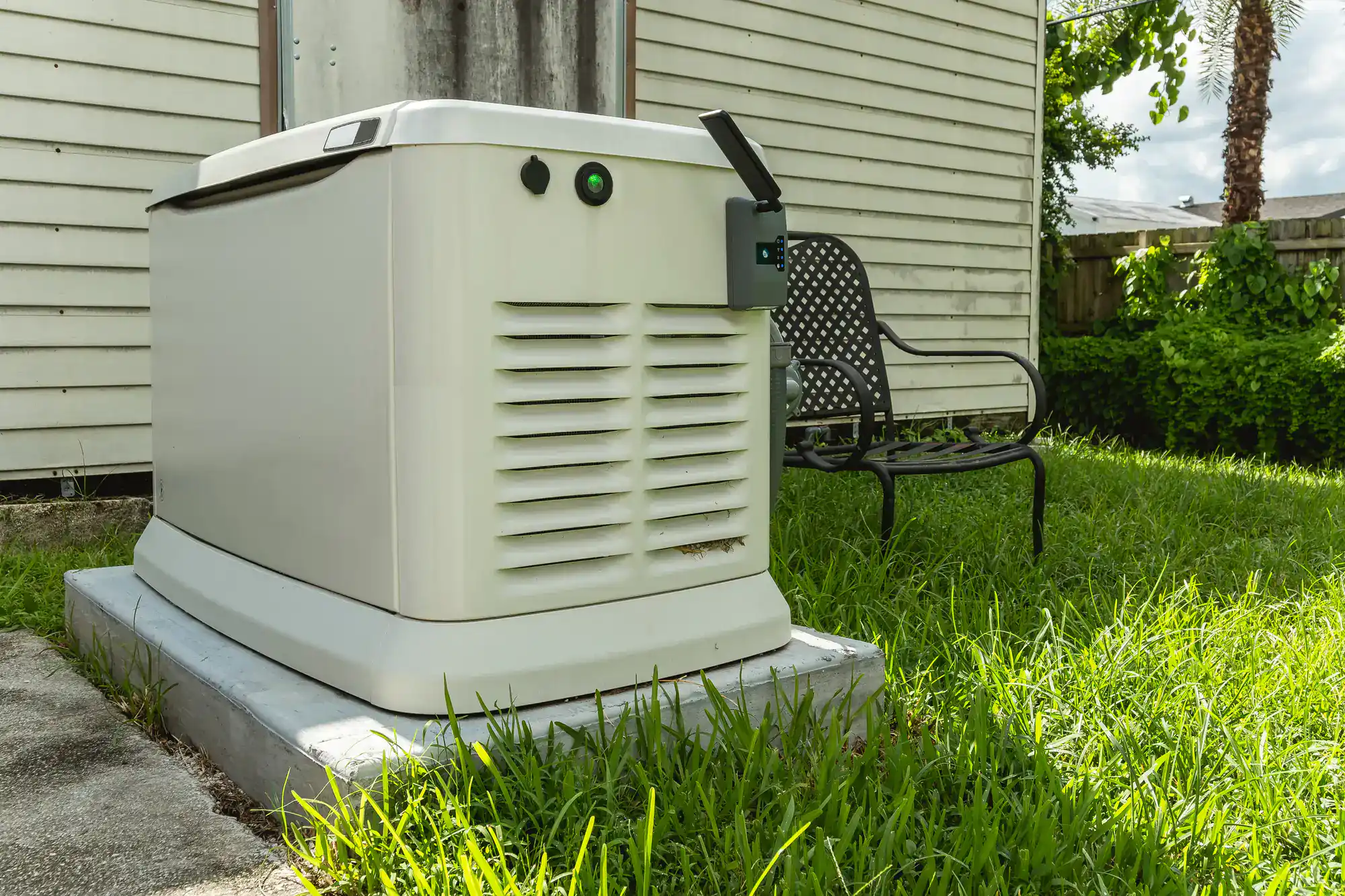
You get a permanently installed standby generator that automatically kicks on when your power drops. It runs on natural gas or propane, so you’re not refilling anything or dragging a portable unit out of the garage in the rain.
The system includes an automatic transfer switch, which is what makes the whole thing seamless. When the power goes out, the switch detects it and starts the generator without you lifting a finger. When utility power comes back, it switches you back over and shuts the generator down.
For homes in Narragansett, RI, that means keeping your heating system running during winter storms, your AC going during summer outages, and your sump pump operational when you need it most. Coastal homes here deal with higher humidity and storm surge risks—your generator keeps the dehumidifier and sump running so you’re not dealing with water damage on top of everything else.
We also handle commercial generator installation in Narragansett, RI for businesses that can’t afford downtime. Restaurants, medical offices, retail locations—if losing power costs you money or puts people at risk, a commercial generator installation is the difference between staying open and shutting down.
Most residential generator installations take one to two days from start to finish. That includes setting the generator pad, running the fuel line, wiring the transfer switch into your electrical panel, and testing the system.
The timeline can stretch if we’re waiting on permits or if your property needs additional prep work—like running a longer gas line or upgrading your electrical panel. We’ll give you a clear timeline during the site assessment so there’s no confusion.
Commercial installations can take longer depending on the size of the system and the complexity of your electrical setup. A small office might be a two-day job. A restaurant or facility with higher power demands could take three to five days. Either way, we’re not leaving until the system works and passes inspection.
It depends on what you want to keep running during an outage. If you’re covering the essentials—heat, refrigerator, a few lights, and maybe your sump pump—you’re probably looking at a 10-14 kW generator.
If you want to run your whole house like nothing happened—central air, all appliances, multiple bathrooms, the works—you’re looking at 20-24 kW or higher. Homes in Narragansett with electric heat or well pumps usually need more capacity than homes on natural gas and town water.
We don’t guess. During the site visit, we calculate your actual load based on your electrical panel and what circuits you want backed up. That gives you an accurate size recommendation and a system that’s not underpowered or oversized. You’ll know exactly what you’re getting before we order anything.
Yes. Any permanent generator installation in Narragansett, RI requires a permit from the town and an electrical inspection after the work is done.
We handle the permit application as part of the installation process. That includes submitting the plans, coordinating with the building department, and scheduling the inspection once the system is installed. You don’t have to deal with the paperwork or chase down approvals.
The inspection ensures the generator is installed to code—proper clearances from the house and property lines, correct fuel line installation, transfer switch wired correctly, and everything grounded properly. Once it passes, you’re good to go. If you ever sell your house, having the permits and inspection records on file shows the next owner that the work was done right.
It can, especially in a coastal area like Narragansett where power outages are frequent and buyers know it. Consumer Reports estimates that whole-house generators increase home value by 3-5%, and some studies show return on investment as high as 150%.
That doesn’t mean you’ll get every dollar back when you sell, but it does make your home more attractive to buyers who’ve lived through multi-day outages and don’t want to deal with that again. In areas with higher storm risk, a generator is less of a luxury and more of a practical feature that serious buyers notice.
Beyond resale value, some insurance companies offer premium discounts—typically 3-7%—for homes with permanently installed generators. That’s because you’re reducing the risk of claims related to frozen pipes, flooded basements, and other outage-related damage. Check with your insurance agent to see if your policy qualifies.
Most residential installations run between $8,000 and $15,000 depending on the size of the generator, the complexity of the installation, and whether you need additional work like a gas line extension or panel upgrade.
A smaller system covering essentials will be on the lower end. A larger whole-house system with more capacity and a more involved installation will cost more. If your electrical panel is outdated or undersized, you might need an upgrade before we can install the generator, which adds to the total cost.
We price every job individually because no two properties are the same. After the site assessment, you’ll get a detailed quote that breaks down equipment, labor, permits, and any additional work. No surprises, no upselling—just a clear number based on what your home actually needs.
Standby generators need annual maintenance to stay reliable. That typically includes changing the oil and filters, checking the battery, inspecting the fuel system, and running the unit under load to make sure everything’s working correctly.
Most manufacturers recommend service once a year, or after every 200 hours of operation—whichever comes first. If you go through a major storm season and your generator runs for extended periods, you might need service sooner.
Skipping maintenance is how you end up with a generator that won’t start when you actually need it. Batteries die, oil breaks down, and small issues turn into expensive repairs if they’re ignored. Regular service keeps the system ready to go and protects your investment. We can handle ongoing maintenance, or you can work with any qualified technician—just make sure it gets done.